
Propagation
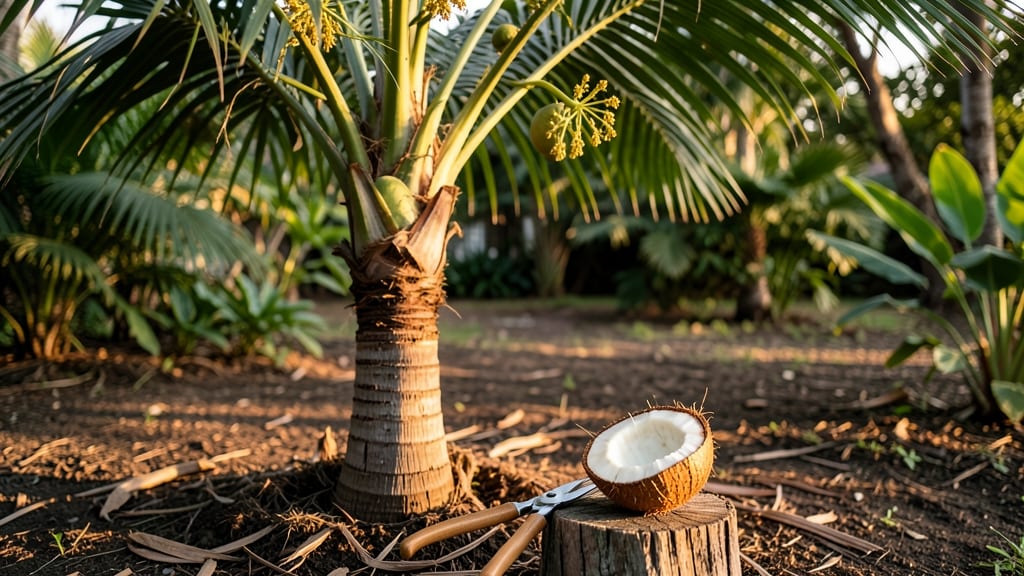
Growing a coconut tree from a coconut is simpler than you think—no nursery needed. 🌴 I’ve sprouted three from grocery store finds, and each one started with just warm water and patience. The key? Picking the right coconut and giving it the perfect start.
You’ll need a mature coconut (with a hairy husk), a warm spot, and a pot with drainage. The germination process takes about 4-6 months, but once the sprout breaks through, growth speeds up. Even in small spaces, these tropical beauties thrive indoors near bright windows.
By year three, you’ll have a lush, 6-foot-tall tree with broad fronds—imagine that from a single seed! The best part? It’s foolproof for beginners, and the tropical vibe transforms any room. Just avoid overwatering, and you’re golden.
Works just as well in containers as in the ground, so whether you’re in a sunny patio or a cozy apartment, this project delivers. Let’s get that coconut sprouting!
📚 In This Guide
- What you need
- Instructions
- Tips and common mistakes
- Wrapping up and next steps
What you need
- ● 1 mature coconut – Choose one with a thick, brown husk and a hard, intact shell (avoid pre-cut or dried ones).
- ● Sharp knife or coconut cutter – For carefully slicing the coconut without damaging the seed.
- ● Sandpaper or fine-grit file – To rough up the coconut’s hard outer shell (helps with germination).
- ● Potting mix – A well-draining blend (60% coco coir, 30% perlite, 10% vermiculite).
- ● Small pot (4–6 inches wide) – With drainage holes to prevent root rot.
- ● Watering can or spray bottle – For gentle hydration (avoid soaking!).
- ● Plastic wrap or humidity dome – To maintain moisture during germination.
- ● Grow lights or sunny windowsill – Coconuts need bright, indirect light (6+ hours/day).
- ○ Rooting hormone – Speeds up germination (optional but recommended for beginners).
- ● Larger nursery pot (8+ inches) – For transplanting after sprouting.
- ● Fertilizer (balanced, 10-10-10) – Once the seedling grows 3–4 leaves.
- ● Heat mat (70–85°F) – Accelerates germination in cooler climates.
- ● Notebook & pen – To track watering, light, and growth progress!
How to grow a coconut tree from a coconut seed
Turn that grocery store coconut into a towering tropical beauty with these foolproof steps.
🌱 Step 1: Prepare the Coconut for Planting
Start with a fresh coconut—look for one with a smooth, intact husk and no cracks. Use a sharp knife to carefully cut away the husk until you expose the hard shell. The goal is to reveal the three "eyes" at the top of the coconut, where the seedling will emerge.
Here's the thing—don't rush this part. I like to soak the coconut in warm water for 24 hours before planting. This softens the shell slightly and helps kickstart germination. After soaking, drain it well and let it sit upright in a container with about 2 inches of water at the base. The water level should just reach the bottom of the coconut, not cover it.
Place the coconut in a warm spot (75-85°F) with bright, indirect light. You'll know it's ready when you see moisture begin to seep from the eyes after 3-7 days. This is your signal that germination has started—don't let the water level drop below the base or the coconut will dry out and stop growing.
💧 Step 2: Encourage Germination and Early Growth
Once you see moisture dripping from the eyes, it's time to plant. Fill a 6-inch deep container with well-draining potting mix—I mix equal parts cactus/succulent mix and perlite for the best results. The coconut will need support as it grows, so bury it halfway in the soil, leaving the top exposed.
Water gently but thoroughly until it drains from the bottom. Coconut seedlings hate soggy roots, so make sure your container has drainage holes. Place the coconut in a humid environment—a plastic bag with a few air holes works well. Keep it in bright, indirect light (no direct sun yet) and maintain 70-80°F temperatures.
You'll notice the first signs of growth in 2-4 weeks when a sprout emerges from one of the eyes. This is the moment that matters: once the sprout reaches 3-4 inches tall, you can gradually introduce it to morning sunlight. Harden it off by moving it outside for 1-2 hours daily, increasing time over 10-14 days until it's fully acclimated.
☀️ Step 3: Transition to Outdoor Growth and Long-Term Care
After the seedling has hardened off, transplant it into a larger container (12-15 inches deep) with fresh potting mix. Coconut trees need deep roots, so choose a pot that's at least twice as wide as the root ball. Place it in a sheltered outdoor spot with partial shade for the first month to prevent leaf burn.
Water deeply once a week, letting the top 2 inches of soil dry out between waterings. Coconut trees are drought-tolerant once established, but young seedlings need consistent moisture. Fertilize lightly with a balanced liquid fertilizer (10-10-10) every 4-6 weeks during the growing season. You'll see new fronds unfurl every 2-3 months—that's your sign it's thriving.
Real talk: Patience is key. It takes 5-10 years for a coconut tree to produce fruit, but the journey is worth it. Keep the soil slightly acidic (pH 5.5-6.5) and protect it from frost. With the right care, your coconut seedling will grow into a 30-foot tropical giant—and you'll have a living piece of the tropics right in your yard.
Tips & tricks for growing a coconut tree from seed
Turning a grocery store coconut into a thriving tropical tree takes patience and a few key tricks to avoid common pitfalls.
Germination Secret: The 24-hour soak isn't just about softening the shell—it's about hydration. After soaking, place the coconut on a paper towel to absorb excess moisture before setting it in water. This prevents rot while keeping the base moist enough for germination. Watch for those telltale moisture droplets at the eyes between days 3-7, but never let the water level drop below the coconut's base.
Planting Technique: When burying halfway in your 6-inch container, leave the top third exposed. This prevents stem rot while allowing the seedling to anchor properly. I like to use a chopstick to create drainage channels in the soil around the coconut—this helps prevent water pooling that could drown your seedling.
Light Management: Bright indirect light is crucial during the first 2-4 weeks, but direct morning sun becomes safe only after the sprout reaches 3-4 inches. Start with just 1-2 hours of morning sun daily, then gradually increase exposure over 10-14 days. Too much direct sun too soon causes leaf scorch—you'll notice crispy brown edges as the first warning sign.
Long-Term Care: That 10-10-10 fertilizer ratio is perfect, but remember: coconut trees are heavy feeders once established. After the first year, you can increase to every 3-4 weeks during growing season. And here's what nobody tells you—they love a good drink! Water deeply until it runs from the drainage holes, but let the top 2 inches dry between waterings to prevent root rot.
Pro Tips for Coconut Tree From Coconut
- Turning a grocery store coconut into a thriving tropical tree takes patience and a few key tricks to avoid common pitfalls.
- Germination Secret: The 24-hour soak isn't just about softening the shell—it's about hydration.
- Planting Technique: When burying halfway in your 6-inch container, leave the top third exposed.
Frequently asked questions
Got questions about growing a coconut tree from a coconut?
You’re not alone! Here are some of the most common queries—and their straightforward answers—to help you succeed in your tropical journey.
How long does it take for a coconut to sprout into a tree?
A coconut seedling typically sprouts within 1-3 months if given ideal conditions (warmth, moisture, and indirect light). However, full maturity into a coconut tree takes 5-10 years—patience is key! For faster growth, plant in a pot first and move outdoors once roots establish.
Can I grow a coconut tree indoors?
Yes, but with limitations! Start indoors in a sunny spot (like a greenhouse or bright window) for the first year. Use a well-draining pot and keep soil moist. Once the seedling reaches 3-4 feet tall, transplant it outdoors to a tropical or subtropical climate for optimal growth.
What if my coconut won’t sprout? Troubleshooting tips?
If your coconut stays dormant, check these fixes:
- Soak it: Submerge the coconut in water for 3 days before planting to soften the husk.
- Warmth: Place it in a warm spot (70–90°F) to mimic tropical conditions.
- Patience: Some coconuts take up to 6 months to crack open—don’t give up!
Can I use any coconut for planting, or does it need to be fresh?
Not all coconuts work! Choose fresh, mature coconuts (with a firm shell and no cracks). Avoid dried or store-bought coconuts—they’re often treated to prevent sprouting. Look for ones labeled "seed coconuts" or "planting coconuts" for the best results.
What’s the best climate for growing a coconut tree?
Coconut trees thrive in tropical or subtropical zones (USDA 10-11), with temperatures between 68–90°F. They need high humidity, full sun (6+ hours/day), and protection from frost. If you’re in a cooler climate, grow it in a container and bring it indoors during winter.
Bonus Tip: How do I know if my coconut is viable?
Test it with the "float test":
- Drop the coconut in water—if it floats with the pointed end up, it’s likely viable!
- If it sinks, it may be empty or spoiled.
Wrapping up and next steps
Growing a coconut tree from a coconut is a rewarding journey that connects you to nature’s magic—one seed at a time! 🌱 With patience, the right soil, and a sunny spot, you’ll nurture a tropical treasure that could one day gift you fresh coconuts.
Ready to take the next step? Start with just one coconut today—your future shade tree (or snack source!) is waiting.
🌿 Next Steps:
- Pick your coconut: Grab a fresh, unrefrigerated nut from the store or a tropical friend.
- Follow the steps: Plant it in soil, keep it moist, and watch for sprouts in weeks or months!
- Share the joy: Snap progress photos and tag us—we love seeing your green thumbs in action! 📸