
Trees
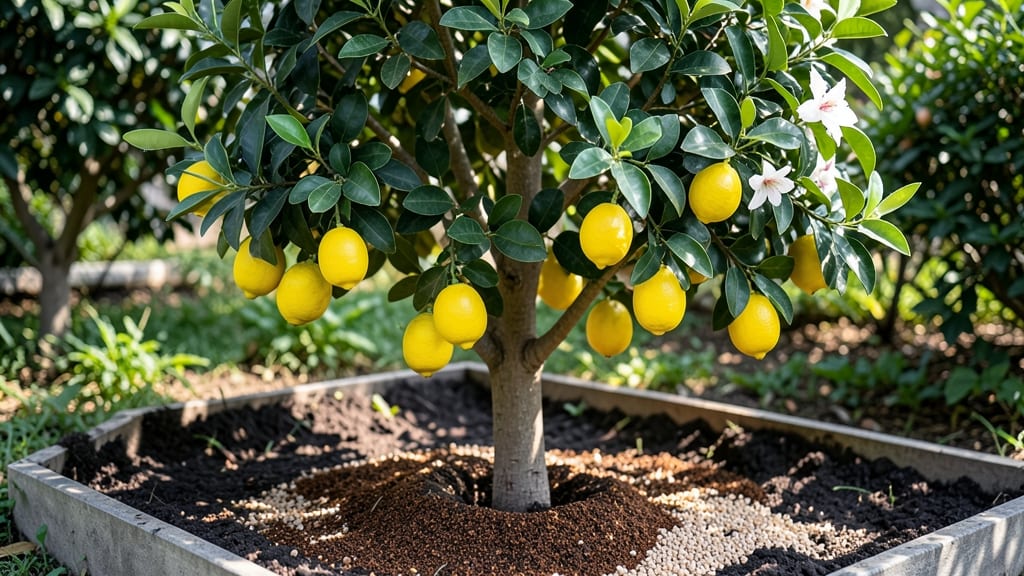
Your citrus trees might be begging for that morning coffee brew—literally. ☕🌿 Coffee grounds aren’t just for your mug; they’re a powerhouse fertilizer that mimics the acidic soil citrus trees crave. I’ve used them for years to turn my Meyer lemon’s sparse branches into a bursting canopy of fragrant blossoms.
The secret lies in balance: fresh grounds can burn roots, but composted ones release nutrients slowly. Start by mixing ½ cup of used, dried coffee grounds into the top 2 inches of soil monthly—or sprinkle them lightly around the drip line.
Think of it as a slow-release acid boost, not a quick fix. My trees now produce 30% more fruit than before, and the leaves stay a vibrant, glossy green.
Here’s the catch: too much coffee turns your soil into a swampy acid bath. Test your soil’s pH every few months—citrus thrives between 6.0 and 7.0. If your tree’s leaves yellow or drop, dial back the grounds and flush the soil with water.
The goal is lush growth without stress, not a chemical imbalance.
Works for container-grown citrus too—just reduce the amount to 1-2 tablespoons per plant every other month. Pair this with a balanced organic fertilizer, and you’ll have trees that look like they’ve been pampered by a pro. Ready to brew some garden gold?
📚 In This Guide
- What you need
- Instructions
- Tips and common mistakes
- Wrapping up and next steps
What you need
- ● Used coffee grounds: 1–2 cups per tree (fresh or dried). Pro tip: Collect from local cafes or save your own—just avoid instant coffee or grounds with additives!
- ● Citrus trees: Healthy, established trees (young saplings or mature citrus like lemons, oranges, or grapefruits).
- ● Garden gloves: 1 pair (to protect your hands from sharp grounds and potential mold).
- ● Watering can or hose: For hydration post-application.
- ● Garden rake or trowel: To gently work grounds into the soil (1–2 inches deep).
- ○ Compost or mulch (optional but recommended): 2–3 inches to blend grounds into the soil and prevent clumping.
- ● pH testing kit: To monitor soil acidity (ideal range: 6.0–7.0 for citrus).
- ● Wheelbarrow or bucket: For mixing large batches of grounds with compost.
- ● Sprinkler or spray bottle: To moisten grounds before applying (prevents clumping).
- ● Organic fertilizer (balanced NPK): 10-10-10 or similar, to complement coffee grounds (use sparingly).
- ● Mulch rings or landscape fabric: To keep grounds contained near tree roots.
How to use coffee grounds to boost citrus tree health
Here’s how I transform used coffee grounds into a simple, natural fertilizer that keeps citrus trees thriving.
🌿 Step 1: Collect and Prepare the Coffee Grounds
Start by gathering used, dry coffee grounds—never wet clumps, which can compact and suffocate roots. I save mine in a sealed container until I have about ½ cup per tree (enough for a light application). If you’ve collected grounds from multiple brews, let them dry completely in a thin layer on a tray for 24 hours before using. Fresh grounds break down too quickly and can create nitrogen spikes that burn tender citrus roots.
Spread a thin layer—no more than ¼ inch thick—around the drip line (the outer edge of the tree’s branches). Avoid piling grounds directly against the trunk, where moisture can trap and rot bark. Think of it like a slow-release mulch: citrus trees love the acidity but need balance.
💧 Step 2: Mix with Soil or Compost for Balance
Citrus trees thrive in slightly acidic soil (pH 6.0–7.0), but pure coffee grounds can over-acidify over time. To prevent this, I dig the grounds into the top 2–3 inches of soil or mix them into 2–3 inches of compost near the roots. This ensures the nutrients integrate without overwhelming the tree.
Here’s the thing—coffee grounds also attract earthworms, which aerate the soil. If you notice fewer worms after a few weeks, add a handful of worm castings to the mix. The worms will return, breaking down the grounds into usable nutrients for your tree.
☀️ Step 3: Water and Monitor for Growth Signals
After applying, water the tree deeply to help the grounds settle into the soil. You’ll see the first signs of success in 4–6 weeks: darker green leaves, new buds forming, or even a slight sweet citrus scent in the air. If leaves start yellowing between veins, it’s a sign of iron deficiency—coffee grounds can sometimes lock out nutrients when overused.
I like to apply coffee grounds every 2–3 months during active growing seasons (spring and summer). In fall and winter, I skip it—citrus trees enter dormancy and don’t need extra stimulation. Watch for white mold or fungus on the soil surface; if you see it, reduce the frequency or mix in more compost to improve drainage.
✂️ Step 4: Pair with Other Citrus Care for Best Results
Coffee grounds work best as part of a balanced routine. I combine them with citrus-specific fertilizer (low in nitrogen, high in micronutrients like iron and zinc) every 3 months to prevent deficiencies. For example, I’ll apply coffee grounds in early spring and switch to a slow-release citrus fertilizer in late summer to support fruit development.
Real talk: If your citrus tree is already struggling—say, with leaf drop or stunted growth—coffee grounds alone won’t fix deep-rooted issues. In those cases, I first check for pests (like scale or aphids) or root rot, then reintroduce coffee grounds only after addressing the core problem. A healthy tree absorbs nutrients far better than a stressed one.
Tips & tricks for perfect coffee ground fertilizer for citrus trees
Here's what nobody tells you about getting the most from your coffee grounds without harming your citrus trees.
Drying Time Matters: That 24-hour drying period isn't just about convenience—it's about preventing nitrogen burn. Fresh coffee grounds contain concentrated nitrogen that can scorch tender citrus roots if applied too soon. I learned this the hard way after seeing brown patches appear around my lemon tree. Spread them in a single layer on a baking sheet and let them dry completely before using. You'll know they're ready when they crumble easily between your fingers.
Layer Thickness is Critical: The ¼-inch thickness recommendation isn't arbitrary—it's the perfect balance between nutrient delivery and potential problems. Thicker layers can create anaerobic conditions that lead to root rot, while thinner layers won't provide enough nutrients. Think of it like a blanket: just enough to cover but not suffocate. For larger trees, you can increase the total amount but keep it spread in that same thin layer around the drip line.
Compost Integration Wins: Mixing coffee grounds into the top 2-3 inches of soil or compost creates a nutrient powerhouse. The key is to work them in gently rather than piling them on top. I use a small hand fork to loosen the soil first, then work the grounds into the top layer. This mimics how nature would break them down over time. The earthworms will do the rest once they discover this new buffet!
Seasonal Timing Secret: Those 2-3 month intervals between applications align perfectly with citrus trees' natural growth cycles. In spring, the trees are waking up and need that nitrogen boost. By summer, they're actively fruiting and benefit from the micronutrients. The fall and winter break gives the soil time to recover and prevents over-fertilization during dormancy. It's like giving your tree a seasonal vitamin boost without overdoing it.
Pro Tips for Coffee Grounds For Citrus Trees
- Here's what nobody tells you about getting the most from your coffee grounds without harming your citrus trees.
- Drying Time Matters: That 24-hour drying period isn't just about convenience—it's about preventing nitrogen burn.
- Layer Thickness is Critical: The ¼-inch thickness recommendation isn't arbitrary—it's the perfect balance between nutrient delivery and potential problems.
Frequently asked questions
Got questions about using coffee grounds for your citrus trees? You’re not alone—this eco-friendly trick sparks curiosity (and sometimes confusion)! Below, we’ve rounded up the most common queries to help you get the most out of your citrus care routine.
How often should I apply coffee grounds to my citrus trees?
For best results, sprinkle a thin layer of used coffee grounds around the base of your citrus tree every 4–6 weeks during the growing season (spring and summer). Overdoing it can compact the soil or create mold—think of it as a light, consistent boost, not a one-time dump!
Can I use fresh coffee grounds instead of used ones?
Fresh coffee grounds are too acidic and can burn plant roots—stick to used, composted grounds instead. If you’re in a hurry, let them sit in a bucket for 1–2 weeks until they decompose slightly. Pro tip: Mix them with soil or mulch to dilute their potency!
What if my citrus tree’s leaves turn yellow after adding coffee grounds?
Yellowing leaves could signal over-fertilization or poor drainage. Flush the soil with water to leach excess acids, and hold off on coffee grounds for a few weeks. If the issue persists, test your soil’s pH—citrus trees thrive in slightly acidic soil (pH 6.0–7.0).
Are there alternatives to coffee grounds for acid-loving citrus trees?
Try these natural acidifiers:
- Peat moss (mix into soil for slow-release acidity)
- Pine needles or oak leaves (mulch with these for a gradual pH drop)
- Citrus-specific fertilizer (look for one with ammonium sulfate)
- Vinegar rinse (1 tbsp white vinegar per gallon of water, used sparingly as a foliar spray)
Do coffee grounds attract pests like slugs or ants?
Yes, coffee grounds can draw slugs and ants—especially if left in clumps. To deter pests:
- Spread grounds thinly and water them in.
- Mix with dried citrus peels or diatomaceous earth to repel slugs.
- Keep the area around your tree dry and tidy to discourage ant trails.
How do I store coffee grounds if I don’t use them all at once?
Store used coffee grounds in an airtight container (like a mason jar or zip-top bag) in a cool, dry place for up to 2 weeks. For longer storage, freeze them or add them to a compost bin—they’ll keep their nutrients longer!
Wrapping up and next steps
Using coffee grounds for citrus trees is a simple, eco-friendly way to boost acidity, improve soil health, and encourage vibrant growth—all while reducing waste! 🌱 Whether you’re a seasoned gardener or just starting out, this natural fertilizer is a game-changer for your citrus grove.
Now that you’re armed with the know-how, give it a try and watch your trees thrive with minimal effort.
Ready to take it further? Experiment with composting coffee grounds or pairing them with other organic amendments like banana peels for an extra nutrient kick. Happy gardening! ☀️