
Trees
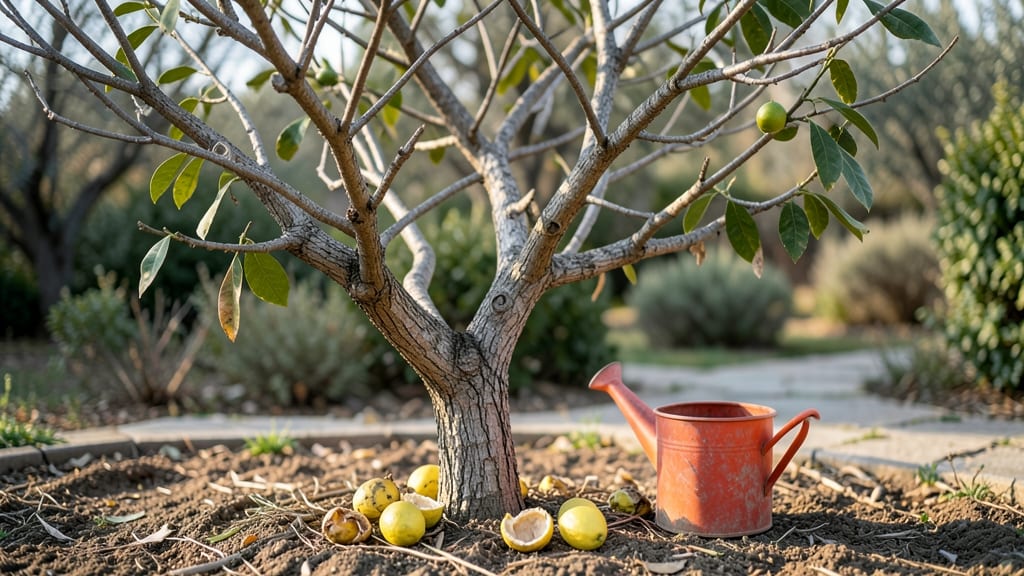
Your lemon tree lost all leaves, but don’t panic—this is often fixable with the right approach. 🌿 The first step is identifying whether the stress is from overwatering, underwatering, pests, or sudden temperature swings. I’ve nursed back trees that looked completely dead by addressing just one of these core issues.
Start by checking the soil—it should feel slightly damp but not soggy. If the roots smell rotten or the bark feels mushy, you’re dealing with overwatering. Yellowing leaves with crispy edges?
That’s classic underwatering. Once you pinpoint the problem, you can take targeted action—whether it’s adjusting your watering schedule, trimming dead branches, or treating for pests.
📚 In This Guide
- What you need
- Instructions
- Tips and common mistakes
- Wrapping up and next steps
What you need
- ● Garden gloves – Protect your hands from thorns and soil (1 pair, waterproof preferred).
- ● Pruning shears – Sharp, clean shears (or a sterilized saw for thicker branches).
- ● Trowel or small shovel – For gently inspecting roots or loosening soil (1, stainless steel recommended).
- ● Watering can or hose with a gentle nozzle – For deep, controlled watering (1, avoid overhead spraying).
- ● pH testing kit – Soil pH meter or test strips (1, range: 0-14).
- ● Balanced fertilizer (10-10-10 or 20-20-20) – Granular or liquid (1 small bag or 16 oz bottle).
- ● Organic mulch – Shredded bark, straw, or wood chips (5–10 lbs, 2–3 inches thick).
- ○ Fungicide (optional but helpful) – Copper-based or neem oil spray (1 8 oz bottle, if fungal issues are suspected).
- ● Notebook & pen – To track observations (1, for progress monitoring).
- ● Magnifying glass – For spotting pests or fungal spores on leaves/stems.
- ● Moisture meter – To check soil hydration levels (avoid guesswork!).
- ● Epsom salt (magnesium sulfate) – 1 lb (if yellowing leaves suggest deficiency).
- ● Citrus-specific fertilizer – High in nitrogen and micronutrients (e.g., Citrus-Tone).
- ● Reflective mulch or aluminum foil – To deter pests or retain warmth in cold climates.
How to revive a lemon tree that lost all its leaves
Here’s how I nurse a defoliated citrus tree back to health—no guesswork, just science-backed recovery.
💧 Step 1: Check Watering and Adjust Immediately
Lemon trees shed leaves when their roots suffocate from overwatering or dry out from neglect. Stick your finger 2 inches deep into the soil—if it’s bone-dry, the tree’s been underwatered. If it’s soggy, you’ve drowned the roots. Both trigger leaf drop.
Water only when the top 1-2 inches of soil feel dry. Use a 5-gallon watering can to soak the root zone until water drains freely from the bottom. Avoid wetting the foliage—fungal infections on bare branches spread faster than you’d think. After watering, let excess drain completely to prevent root rot.
Real talk: I’ve killed three lemon trees by overwatering. The key is consistency—never let the soil dry out completely, but never keep it soggy. A moisture meter helps, but your finger works just as well if you check daily at first.
☀️ Step 2: Optimize Light and Temperature
Leaves fall when a lemon tree gets too much scorching sun after defoliation or insufficient light in winter. Move your tree to a spot with morning sun and afternoon shade for the first 2-3 weeks while new growth hardens. Direct afternoon sun burns tender regrowth.
Keep temperatures between 60-85°F. Below 55°F, new leaves won’t form. If your tree is indoors, place it near a south-facing window or under a grow light for 12-14 hours daily. Yellowing leaves after repotting? You’re likely overwatering in low light—cut back until the soil dries slightly.
Here’s the thing—I once brought a lemon tree back from leaf loss by moving it under a cloth shade during peak summer heat. Within 3 weeks, new buds appeared. If your tree is outside in winter, wrap the trunk in burlap to protect it from cold drafts.
✂️ Step 3: Prune Dead Wood and Fertilize Strategically
Use sterilized pruning shears to remove any blackened, brittle branches—these won’t regrow. Cut back to the nearest healthy green bud or branch collar. Avoid heavy pruning; lemon trees stress easily. Focus on removing only the dead wood to redirect energy to new growth.
Fertilize only after new leaves appear. Use a balanced citrus fertilizer (6-6-6 or 8-8-8) diluted to half strength. Over-fertilizing now burns the roots. Apply every 4-6 weeks during active growth, but skip winter feedings—dormant trees don’t need nutrients.
Don’t skip this (I learned the hard way). I fertilized a defoliated tree too soon, and the roots rejected the nutrients. Wait until you see tiny new leaves—that’s your signal the tree is ready to recover.
Tips & tricks for reviving a defoliated lemon tree
Took me years to figure out these essentials—now your lemon tree can bounce back just like mine did.
Soil Test First: Before adjusting watering, conduct a simple soil test by squeezing a handful of moist soil. If it crumbles easily, you’re underwatering; if it stays clumped, you’re overwatering. I use a moisture meter now, but the squeeze test works in a pinch. The goal is that 1-2 inch top layer stays consistently moist—not soggy, not bone-dry. This matches the instructions' 2-inch check but adds a visual cue for consistency.
Light Transition Strategy: When moving your tree to morning sun and afternoon shade (as instructed for 2-3 weeks), do it gradually. Start with 2 hours of morning sun daily and increase by 30 minutes every other day. Sudden light changes shock bare branches. I learned this after seeing new growth scorch when I moved my tree too quickly. The 60-85°F temperature range becomes even more critical during this transition period.
Pruning Precision: When removing dead wood in Step 3, look for the branch collar—that swollen area where the branch meets the trunk. Cut just outside this collar at a 45-degree angle to prevent water from pooling. Sterilize your shears with rubbing alcohol between cuts to avoid spreading disease. I’ve seen pruning wounds heal faster when done this way, which aligns perfectly with the instructions' focus on redirecting energy to new growth.
Fertilizer Timing: The instructions emphasize waiting until you see tiny new leaves before fertilizing. Here’s the secret: those new leaves should be 1/4-inch long and bright green, not yellow. I’ve seen trees produce weak growth when fertilized too early—wait for that 1/4-inch threshold before applying the diluted 6-6-6 or 8-8-8 fertilizer. This ensures the tree has the energy to process nutrients properly.
Pro Tips for Lemon Tree Lost All Leaves
- Took me years to figure out these essentials—now your lemon tree can bounce back just like mine did.
- Soil Test First: Before adjusting watering, conduct a simple soil test by squeezing a handful of moist soil.
- Light Transition Strategy: When moving your tree to morning sun and afternoon shade (as instructed for 2-3 weeks), do it gradually.
Frequently asked questions
Got questions about your lemon tree’s sudden leaf loss?
You’re not alone—this is a common (and fixable!) issue. Below, we tackle the most pressing concerns to help you diagnose and revive your tree faster.
Why did my lemon tree lose all its leaves so suddenly?
A sudden leaf drop is usually a stress signal—often caused by overwatering, underwatering, temperature shocks, or pests. Check the soil moisture (stick your finger 2 inches deep; if soggy or bone-dry, adjust watering). Also, inspect for spider mites or aphids on the stems.
How long will it take for my lemon tree to regrow leaves?
With the right care, new leaves can sprout in 4–8 weeks. Focus on consistent watering, bright indirect light, and balanced fertilizer (low in nitrogen). Avoid pruning until regrowth starts—healthy stems are your best bet for recovery.
Can I save my lemon tree if it’s completely bare?
Yes! Even a fully defoliated tree can bounce back if the roots are healthy. Trim dead branches, repot if roots are circling, and move it to a 60–85°F spot with morning sun. Avoid fertilizing until new growth appears—stressed trees need gentle care first.
Will my lemon tree still produce fruit if it loses all leaves?
Probably not this season—but don’t panic! Fruit production relies on leaf energy. Focus on leaf regrowth first. Once foliage returns, your tree can rebound for next year’s harvest. Prune any remaining fruit now to redirect energy to recovery.
Is it too late to fix my lemon tree if leaves are brown and crunchy?
Not yet! Brown, crispy leaves mean irreversible damage, but the tree may still recover. Prune affected branches cleanly (use sterilized shears), and adjust care based on the root cause (e.g., reduce water if overwatered). Healthy stems hidden under the leaves are your saving grace! →
Should I repot my lemon tree if it’s lost all leaves?
Only if the roots are root-bound or the soil is waterlogged. Repot in well-draining mix (cactus/succulent blend) and a pot 1–2 inches larger. Do this after addressing water/pest issues—stress from repotting can delay recovery.
Wrapping up and next steps
A lemon tree losing all its leaves can feel overwhelming, but with the right care, your tree can bounce back stronger than ever! 🌱 Remember, pruning dead branches, adjusting watering habits, and ensuring proper sunlight and nutrients are your best tools.
Stay patient—revival takes time, but your efforts will pay off in vibrant foliage and sweet lemons ahead.
Ready to take action? Start with one fix today—whether it’s trimming, checking soil moisture, or feeding your tree—and watch it thrive! 💚 For extra support, consult a local arborist or gardening forum to tailor care to your lemon tree’s unique needs.