
Pruning
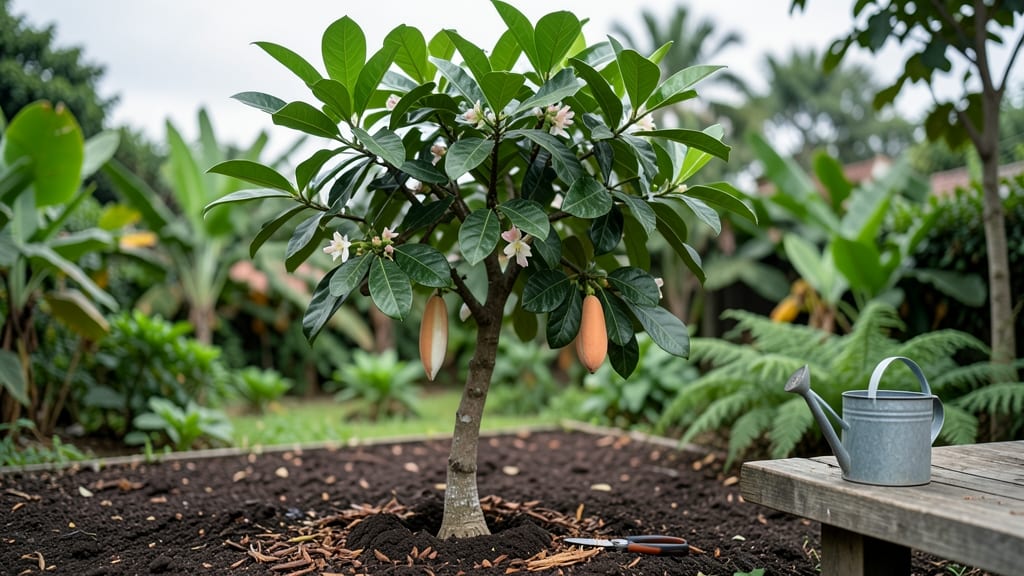
The Criollo cacao tree produces the world's finest chocolate—sweet, aromatic, and complex—just like the Mayans cultivated centuries ago. 🌿 I’ve grown this delicate variety in my subtropical microclimate, and the difference between Criollo pods and common Forastero beans is night and day.
The secret lies in mimicking the ancient forest floor conditions they evolved under.
Criollo thrives where temperatures stay between 68°F and 86°F year-round, with high humidity and dappled shade from taller trees. Unlike hardier varieties, it demands well-draining, slightly acidic soil (pH 5.0–6.5) rich in organic matter—think leaf litter and compost layered like a rainforest.
Pollination is another critical factor; without midges or hand-pollination, those prized pods simply won’t set.
By year three, you’ll harvest pods with thin, smooth shells and beans that melt into velvety chocolate with notes of berry and spice. The trade-off? Criollo is finicky—susceptible to frost, sunburn, and pests like cacao witches’ broom.
But with the right site and care, it rewards you with flavor profiles that dwarf even the finest single-origin bars.
This guide covers everything from climate-specific planting to pruning techniques that boost airflow (critical for disease prevention). Whether you’re in Florida’s heat zones or a California coastal microclimate, we’ll adapt the ancient methods to modern small-scale growing. Let’s get those first pods growing.
📚 In This Guide
- What you need
- Instructions
- Tips and common mistakes
- Wrapping up and next steps
What you need
- ● Criollo cacao seedlings or seeds: 3–5 high-quality, disease-resistant plants (ensure they’re certified organic if possible).
- ● Well-draining soil: Mix of 60% topsoil, 30% coconut coir or compost, and 10% perlite or sand (pH 5.5–6.5).
- ● Large containers or nursery beds: 5-gallon pots (minimum 18" deep) or raised beds with drainage holes.
- ● Organic fertilizer: Balanced blend (e.g., 10-10-10) or composted manure (chicken/horse) for nutrient-rich soil.
- ● Pruning shears: Sharp, sterilized shears (bypass-style, 5–7" blades) for clean cuts.
- ● Shade cloth (50–70% coverage): Protects young trees from direct sun (10’x10’ sections for 3–5 trees).
- ● Drip irrigation system or hose with gentle spray nozzle: Mimics tropical rainfall (avoid overhead watering).
- ● Mulch (straw or wood chips): 2–3" layer to retain moisture and regulate temperature.
- ● Soil moisture meter: Ensures optimal hydration without overwatering.
- ● Copper fungicide spray: Prevents pests like black pod disease (dilute as per label).
- ● Pollination aid: Soft paintbrush or small bee-friendly flowers to hand-pollinate flowers (Criollo cacao relies on midges!).
- ● Trellis or support stakes: For pruning training (e.g., 6–8’ tall bamboo stakes).
- ● GPS-coordinate map: Track tree locations if growing in a large plot (Mayan farmers used landmarks!).
Step-by-step guide to growing Criollo cacao trees using Mayan methods
Here's how to cultivate these prized trees using time-honored techniques that yield exceptional flavor.
🌱 Step 1: Prepare the Ideal Germination Environment
Criollo cacao seeds require warmth, humidity, and shade to germinate properly. Start by soaking the seeds in lukewarm water for 24 hours to soften the outer shell and kickstart the process. I place them in a jar with fresh water, changing it every 8 hours to prevent fermentation.
After soaking, wrap the seeds in a damp paper towel and tuck them into a sealed plastic bag. Store this in a location that maintains 80-85°F—a warm spot near your oven (with it off) or under a heat mat works well. Check daily and mist the towel if it feels dry to the touch. Germination typically occurs within 10-14 days, but be patient—some seeds may take up to 3 weeks.
Once the taproot reaches about 2 inches long, it's ready for planting. This root is delicate, so handle it gently to avoid breaking it. The moment you see this growth, you're ready for the next step—this is the critical window where most beginners make mistakes by planting too early.
🪴 Step 2: Plant in Well-Draining, Acidic Soil Mix
Criollo cacao thrives in soil with a pH of 5.0-6.5, mimicking the forest floor conditions of its native habitat. Combine 60% peat moss or coconut coir, 30% perlite or coarse sand, and 10% composted leaf mold to create the perfect mix. This blend ensures excellent drainage while retaining enough moisture to support root development.
Fill a 12-inch deep pot with this mixture and create a small hole at the center. Gently place the seedling in, ensuring the taproot points downward and the top of the root ball sits just below the soil surface. Press lightly around the base to secure it without compacting the soil—you want it airy enough for roots to spread easily.
After planting, water thoroughly until water drains from the bottom of the pot. Criollo cacao is sensitive to waterlogging, so always use containers with drainage holes. Place the pot in a location with indirect, dappled light—think of it as mimicking the forest understory where these trees originally grew. Direct sunlight at this stage will scorch the delicate leaves.
☀️ Step 3: Maintain Tropical Conditions for Healthy Growth
Criollo cacao mimics the tropical climate of its origins, so recreate these conditions in your growing space. Maintain 70-85°F temperatures and 70-80% humidity at all times. If your home runs cooler, a simple humidifier or pebble tray beneath the pot will help. I also group my cacao pots together to create a microclimate that retains moisture.
Water consistently, keeping the soil evenly moist but never soggy. The top inch should dry out slightly between waterings—this prevents root rot while ensuring the plant never wilts. Use rainwater or distilled water if possible, as tap water's chlorine can stress young plants. You'll notice new leaves emerging within 4-6 weeks if conditions are ideal.
Once the seedling reaches 12-18 inches tall, it's ready for its first pruning. Pinch back the top set of leaves to encourage bushier growth. This step is crucial—without it, the plant will grow tall and leggy, with weak branches that can't support future pods. Criollo cacao naturally grows as a small tree, so pruning early establishes the proper structure.
⏰ Step 4: Transition to Outdoor Conditions Gradually
After 6-8 months of indoor growth, when the seedling shows 6-8 mature leaves, it's time to acclimate to outdoor conditions. Start by placing the pot in a shaded, sheltered spot for 2-3 hours daily. Gradually increase exposure over 2-3 weeks, moving it to brighter light each day. This slow transition prevents transplant shock.
Once the plant tolerates 4-6 hours of morning sun without wilting, it's ready for permanent outdoor placement. Choose a location with partial shade and protection from strong winds. Criollo cacao trees grow best in USDA zones 10-12, but with proper care, they can thrive in containers in cooler climates if brought indoors during winter.
Fertilize lightly with a balanced organic fertilizer (10-10-10) every 6-8 weeks during the growing season. Over-fertilizing at this stage can burn young roots, so always follow the package instructions for dilution rates. You'll know you're doing well when the plant shows steady growth and dark green, glossy leaves—this is the sign of a healthy, thriving Criollo cacao tree.
Tips & tricks for perfect Criollo cacao tree cultivation
Mastering these ancient Mayan techniques transforms ordinary seeds into extraordinary cacao trees.
Germination Precision: The 24-hour soaking period is non-negotiable—this crucial step softens the seed coat and activates enzymes that jumpstart growth. I've learned the hard way that skipping this step can delay germination by weeks. Change the water every 8 hours to prevent bacterial growth, which can smother your seeds before they even sprout. For extra insurance, consider adding a few drops of hydrogen peroxide to the soaking water—it sterilizes without harming the seeds.
Root Development Watch: When the taproot reaches 2 inches, that's your cue to plant—no longer, no shorter. I've seen beginners wait too long, only to find the root becomes brittle and snaps during transplanting. Use a magnifying glass if needed to monitor this delicate stage. The root's delicate nature means you should handle it with tweezers rather than fingers, as even slight pressure can damage it permanently.
Soil pH Maintenance: Achieving that perfect 5.0-6.5 pH range is easier said than done, especially if you're new to soil testing. I recommend investing in a digital pH meter for accuracy—these cost around $20 and give precise readings. If your mix runs too acidic, add crushed limestone; if it's too alkaline, work in more peat moss. Criollo cacao's sensitivity to pH means even slight deviations can stunt growth or invite disease.
Transplant Transition Strategy: The gradual outdoor acclimation over 2-3 weeks is where most first-time growers fail. Start with just 2-3 hours of indirect sunlight, then increase by 30 minutes daily. I've seen plants go into shock when moved too quickly—leaves curl, yellow, and sometimes drop entirely. Use a small shade cloth (30-50% block) during the transition to simulate the dappled light of a forest understory. This careful approach prevents transplant shock and sets your tree up for strong, healthy growth.
Pro Tips for Criollo Cacao Tree
- Mastering these ancient Mayan techniques transforms ordinary seeds into extraordinary cacao trees.
- Germination Precision: The 24-hour soaking period is non-negotiable—this crucial step softens the seed coat and activates enzymes that jumpstart growth.
- Root Development Watch: When the taproot reaches 2 inches, that's your cue to plant—no longer, no shorter.
Frequently asked questions
Got questions about growing criollo cacao trees? You’re not alone! Here are answers to the most common queries—from pruning to troubleshooting—so you can cultivate high-quality pods like a pro.
How long does it take for a criollo cacao tree to bear fruit?
A criollo cacao tree typically takes 3–5 years to produce its first pods, depending on climate, care, and variety. Patience is key—these trees thrive in warm, humid conditions and need consistent attention to reach maturity. With proper pruning and fertilization, you’ll see those prized pods sooner!
When and how should I prune my criollo cacao tree?
Prune during the dry season (late fall to early spring) to avoid stressing the tree. Focus on removing dead, diseased, or crossing branches to improve airflow. Use sharp, sterilized tools and make clean cuts just above a bud or branch junction. Pro tip: Never prune more than 20% of the canopy at once!
What’s the ideal temperature and humidity for growing criollo cacao?
Criollo cacao loves warmth (70–85°F) and high humidity (70–90%). It struggles in frost or temperatures below 60°F. If you’re in a cooler climate, grow it in a greenhouse or container and bring it indoors during winter. Mimic its tropical home with shade cloth (30–50%) and regular misting.
Why are my criollo cacao pods turning yellow or falling off?
Yellowing or dropping pods often signal nutritional deficiencies, pests, or disease. Check for black pod rot, spider mites, or thrips—common culprits. Boost potassium and magnesium with compost or fertilizer, and ensure proper watering (avoid soggy soil). If pods are small or misshapen, it may be due to over-pruning or poor pollination.
Can I grow criollo cacao in containers, or does it need a garden?
Yes! Criollo cacao adapts well to large containers (15+ gallons) if drained properly. Use a mix of well-draining soil, coconut coir, and compost. Place in a sunny spot with partial shade and rotate the pot occasionally for even growth. Just ensure the container stays moist but not waterlogged—container-grown trees may need more frequent watering.
Wrapping up and next steps
The criollo cacao tree isn’t just a plant—it’s a living piece of history, offering rich, complex flavors and a rewarding growing experience.
By mastering ancient Mayan techniques and understanding its unique needs, you’re not only cultivating a prized crop but also preserving a heritage that connects us to the past. 🌿✨
Ready to take the next step? Start small—whether it’s experimenting with a single seedling or refining your pruning skills. Every pod you harvest is a testament to your dedication, and who knows? You might just uncover the secret to the next big flavor revolution in chocolate! 🍫💚