
Size
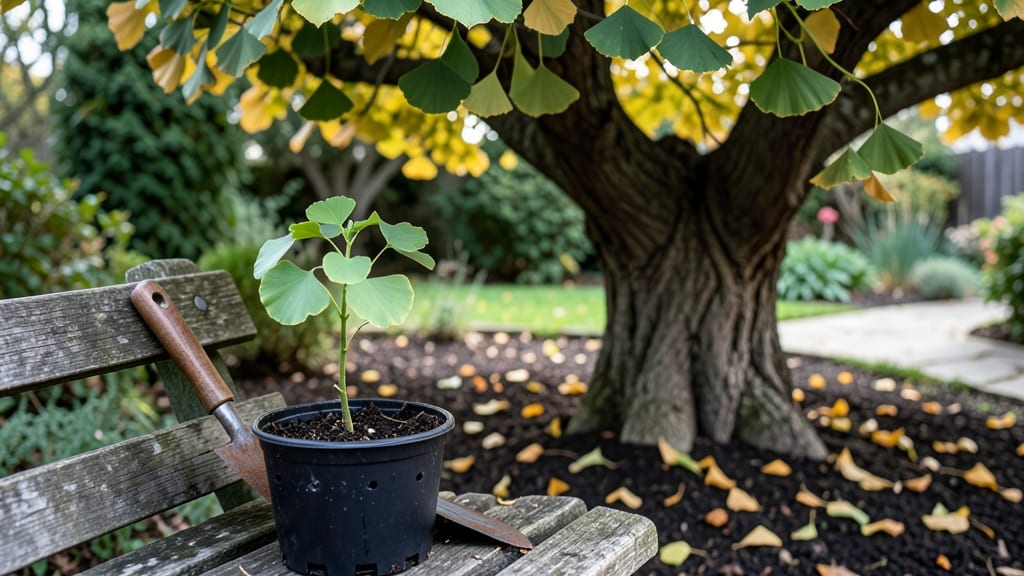
Growing a ginkgo tree from seed is like nurturing a living fossil—one of the oldest tree species on Earth. 🌿 These trees thrive with minimal fuss once established, but getting started requires patience and the right conditions.
The fan-shaped leaves and golden autumn foliage make every season worth the wait, especially when you plant one that will outlive you.
You’ll need a sunny spot with well-draining soil—ginkgos tolerate poor soil better than most trees, but they despise soggy roots. Start with a male variety (like 'Autumn Gold') to avoid messy fruit, and plant seeds in early spring or fall.
The first few years focus on consistent watering, not pruning—let the tree grow naturally into its iconic, towering shape.
By year three, you’ll see rapid growth if conditions are right, with those signature leaves turning a brilliant gold in fall. The tree’s hardiness means fewer pests and diseases, but watch for yellowing leaves early on—it’s usually just adjusting to its new home.
With proper care, your ginkgo will reward you for decades.
This guide covers everything from seed selection to long-term maintenance, including how to troubleshoot slow starts or leaf issues. Whether you’re planting in a backyard or urban space, ginkgos adapt beautifully—just give them room to grow into their majestic, ancient glory.
📚 In This Guide
- What you need
- Instructions
- Tips and common mistakes
- Wrapping up and next steps
What you need
- ● Ginkgo seeds – 1–3 fresh, viable seeds (harvested from ripe ginkgo fruits in fall). Pro tip: 💡 Soak seeds in water for 24–48 hours before planting to speed up germination!
- ● Well-draining potting soil – 5–10 gallons (for seedlings) or native soil amended with compost (for outdoor planting). Specs: pH 6.5–7.5, rich in organic matter.
- ● Garden gloves – 1 pair (to protect hands from seed residue and soil).
- ● Small pots or seed trays – 2–4 (4–6 inches deep) for initial germination.
- ● Plastic wrap or humidity dome – 1 sheet (to retain moisture during germination).
- ● Watering can or spray bottle – 1 (with a gentle spray nozzle).
- ● Fertilizer (balanced, 10-10-10 or organic) – 1 small bag (for seedlings, use sparingly!).
- ○ Mulch (optional but recommended) – 2–3 bags (shredded bark or straw for moisture retention).
- ● Sunlight – Full sun (6+ hours daily) or partial shade (for younger trees).
- ● Space – Minimum 15–20 feet apart (ginkgos grow wide!).
- ● Drainage – Avoid low-lying areas (ginkgos hate soggy roots!).
- ○ Staking (optional) – 1–2 stakes + soft ties (for young trees in windy areas).
- ● Pruning shears – 1 pair (for shaping mature trees).
- ○ Tree guard (optional) – 1–2 (to protect from pests or curious critters).
- ● Patience! 🌟 – Ginkgos grow slowly (1–2 feet per year) but live for centuries.
Step-by-step instructions for cultivating a ginkgo tree
Here's how to nurture one of nature's living fossils from seed to majestic height.
🌱 Step 1: Stratify and Sow Fresh Ginkgo Seeds
Ginkgo seeds need cold stratification to break dormancy. Place them in a sealed plastic bag with slightly damp peat moss or sand, then refrigerate for 3-4 months at 35-40°F. Check monthly—they're ready when the outer flesh softens and the seed inside feels firm.
After stratification, plant seeds 1 inch deep in well-draining soil (a mix of 50% garden soil and 50% sand works best). Keep the soil consistently moist but never soggy. Germination can take 6-12 weeks, so patience is key—you'll know it's working when the first true leaves unfurl, unlike the initial cotyledons.
Here's the thing—ginkgo seeds often sprout unevenly. If you're planting multiple seeds, label their positions. Some may take longer, but don't discard them until 6 months have passed—delayed germination happens.
☀️ Step 2: Provide Ideal Growing Conditions
Young ginkgo seedlings thrive in full sun (at least 6+ hours daily) but tolerate partial shade. If growing in containers, place them where they'll receive morning sun and afternoon shade during hot summers. The soil should stay slightly moist—stick your finger 1 inch deep; if it feels dry, water deeply.
Ginkgos are surprisingly adaptable to urban environments. They tolerate air pollution and compacted soil better than most trees, making them perfect for city landscapes. However, their roots need room to spread—plant at least 15 feet from buildings or sidewalks to prevent future root damage.
Watch for signs of stress: yellowing leaves often mean overwatering, while crispy leaf edges signal underwatering. Adjust your watering schedule based on what you see—ginkgos are tough, but they'll tell you when something's off.
🪴 Step 3: Transplant Carefully After 2-3 Years
Once seedlings reach 12-18 inches tall with a sturdy stem, they're ready for transplanting. Choose a permanent spot with well-draining soil and full sun exposure. Dig a hole twice as wide as the root ball but no deeper—ginkgos hate having their roots buried too deeply.
Loosen the roots gently before placing the seedling in the hole. Backfill with native soil, tamp lightly, and water thoroughly. Mulch around the base with 2-3 inches of organic mulch (like wood chips) to retain moisture and suppress weeds. Keep the mulch 6 inches away from the trunk to prevent rot.
Real talk: The first year after transplanting is critical. Water deeply once a week during dry spells, and monitor for leaf drop—it's normal for a few weeks as the tree adjusts. If leaves turn brown and crispy, you're overwatering; if they curl inward, it's underwatering.
✂️ Step 4: Prune for Structure and Health
Ginkgos are naturally slow-growing, so pruning isn't urgent, but it helps shape the tree and remove deadwood. The best time to prune is late winter or early spring, before new growth begins. Use clean, sharp pruners to make cuts just outside the branch collar—the swollen area where the branch meets the trunk.
Remove any crossing branches or those growing inward to maintain an open canopy. Ginkgos develop a distinctive, almost umbrella-like shape over time, but you can guide this by selectively pruning upward-growing branches. Never remove more than 25% of the canopy in one year—this stress can weaken the tree.
Watch for signs of disease, like yellowing leaves with black spots (a sign of fungal issues). Ginkgos are generally disease-resistant, but poor air circulation from dense foliage can invite problems. Thin out branches if you notice excessive leaf drop or discoloration.
⏰ Step 5: Long-Term Care for Maturity
Mature ginkgo trees (over 20 feet tall) need minimal care but benefit from annual deep watering during droughts. Their deep root systems make them drought-tolerant once established, but young trees still need consistent moisture. Water every 2-3 weeks in summer if rainfall is scarce.
Fertilize lightly in early spring with a balanced, slow-release fertilizer (like 10-10-10) if the tree shows signs of nutrient deficiency—yellowing leaves or stunted growth. Over-fertilizing can harm ginkgos, so a little goes a long way. Scratch the fertilizer into the soil 6 inches from the trunk and water it in.
This is the moment that matters: Ginkgos are dioecious, meaning male and female trees produce different fruits. Female trees develop fleshy, smelly seeds that drop in fall—plant only male cultivars (like 'Autumn Gold') if you want to avoid the odor. Male trees produce yellow, fan-shaped leaves that turn golden in fall, making them a stunning ornamental.
Tips & tricks for growing a ginkgo tree
Growing a ginkgo tree from seed is a rewarding journey—here's how to avoid common pitfalls and maximize success.
Stratification Success: The 3-4 months of cold stratification at 35-40°F is non-negotiable for breaking dormancy. I've found that using a mix of slightly damp peat moss and sand creates the perfect moisture balance—too wet and the seeds rot, too dry and they won't germinate. Place a small piece of tape with the seed's planting date on the bag so you don't lose track of time.
Soil Science Matters: That 50-50 mix of garden soil and sand isn't just arbitrary—it mimics the tree's natural preference for well-draining conditions. If your garden soil is heavy clay, consider adding perlite to improve drainage. The key is preventing waterlogged roots, which can cause root rot. After planting, press down gently but firmly to eliminate air pockets around the seed.
Transplanting Timing: Waiting until seedlings reach 12-18 inches tall ensures they have strong enough roots to handle the stress of transplanting. When digging the hole, make it twice as wide as the root ball but never deeper—ginkgos hate having their roots buried too deeply. This prevents a condition called "root suffocation" that can stunt growth for years. I always mark the original soil level with a small stake before backfilling.
Watering Wisdom: The "1 inch deep" soil moisture check is your best friend. In summer heat, you might need to water every 2-3 days rather than weekly, especially for young trees. One trick I've learned: water deeply in the morning so the foliage has time to dry before evening, reducing fungal risks. And remember—the first year after transplanting is when you need to be most vigilant about consistent moisture.
Pro Tips for Grow A Ginkgo Tree
- Growing a ginkgo tree from seed is a rewarding journey—here's how to avoid common pitfalls and maximize success.
- Stratification Success: The 3-4 months of cold stratification at 35-40°F is non-negotiable for breaking dormancy.
- Soil Science Matters: That 50-50 mix of garden soil and sand isn't just arbitrary—it mimics the tree's natural preference for well-draining conditions.
Frequently asked questions
Got questions about growing your own ginkgo tree? You’re not alone! Here are some of the most common queries—and their straightforward answers—to help you cultivate a thriving Ginkgo biloba with confidence.
How long does it take for a ginkgo tree to grow from seed?
A ginkgo tree grown from seed can take 10–20 years to reach maturity (around 30–40 feet tall). If you’re impatient, opt for a young nursery-grown tree—it’ll mature 5–10 years faster! Patience pays off with this ancient beauty’s iconic golden leaves.
Can ginkgo trees survive in cold climates?
Ginkgo trees are hardy in USDA zones 3–8, meaning they thrive in cold winters (down to -30°F/-34°C) and hot summers. Their resilience makes them perfect for northern gardens or urban landscapes. Just ensure well-draining soil to avoid root rot in wet climates.
Why isn’t my ginkgo tree growing? Troubleshooting slow growth
Slow growth often stems from poor soil, lack of sunlight, or overwatering. Ginkgos prefer full sun (6+ hours/day) and slightly acidic, well-draining soil. If roots are waterlogged, amend soil with compost or sand. Yellow leaves? Check for pests or nutrient deficiencies (try a balanced fertilizer in early spring).
Are there dwarf ginkgo varieties for small spaces?
Yes! If space is limited, consider ‘Mariken’ (dwarf female) or ‘Saratoga’ (male, slower-growing). These stay under 10–15 feet tall and work well in containers or tight yards. Just note: Female trees produce smelly fruit—choose a male if you dislike the odor!
Do ginkgo trees need pruning? How often?
Prune only to shape or remove dead branches—ginkgos naturally grow with a clean, upright form. Light pruning in late winter or early spring (before new growth) is ideal. Avoid heavy cuts, as ginkgos heal slowly. Use sterilized tools to prevent disease.
Pro Tip: Ginkgo trees are dioecious—male and female trees look identical until they mature (20+ years). If you want fruit (for seeds or health supplements), plant both!
Wrapping up and next steps
Growing a ginkgo tree is a rewarding journey that blends patience with the joy of nurturing living history.
With the right soil, sunlight, and care, you’ll witness its majestic leaves and resilient nature flourish—even in urban settings! Whether you’re starting from a seed or transplanting a young sapling, each step brings you closer to a centuries-old beauty right in your backyard.
Ready to take the next step? Plant your ginkgo today—and in a few years, you’ll be the proud caretaker of a tree that’s as timeless as it is stunning. 🌳✨