
Pruning
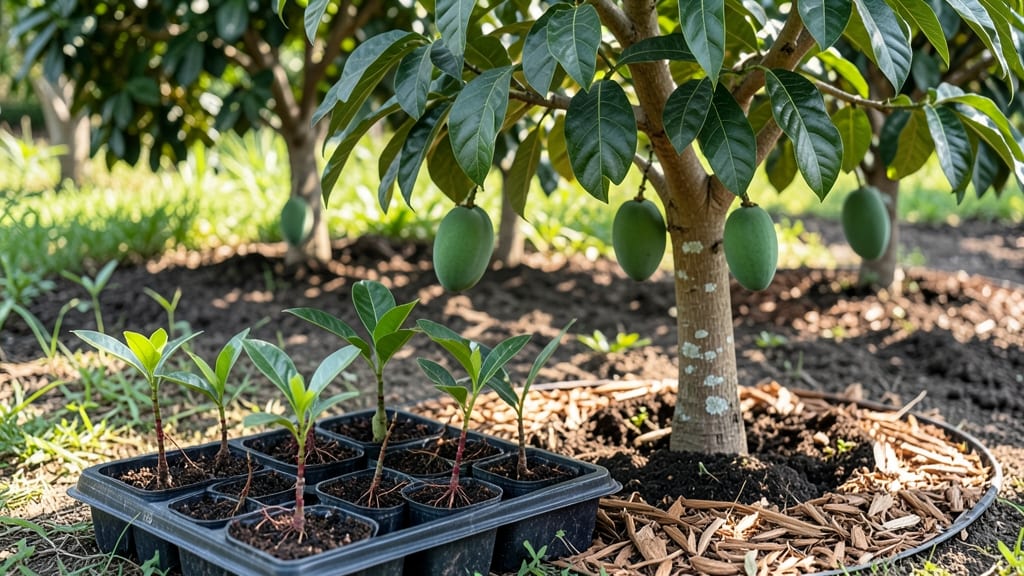
Cultivating a mango tree that bears heavy fruit loads starts with the right conditions—warmth, patience, and a little tropical magic. 🌱 I’ve grown these trees from tiny saplings to branches heavy with golden fruit, and the secret isn’t just in the soil or sun, but in understanding how they really grow.
Most gardeners give up too soon because they expect instant results, but mangoes play the long game—think 3 to 5 years before your first harvest, but every pruning and feeding step gets you closer.
The trick to heavy fruit isn’t just feeding the tree—it’s balancing growth and fruit production. Too much nitrogen, and you’ll get leaves instead of mangoes; too little water, and the blossoms drop.
My trees thrive with well-draining soil, morning sun, and a consistent watering schedule that mimics their tropical roots. Even in cooler climates, a container-grown tree on a sunny patio can produce fruit—just wrap it in frost cloth when temperatures dip below 30°F.
By the time you’ve mastered the basics—pruning to open the canopy, fertilizing with citrus-specific nutrients, and protecting young fruit from pests—you’ll watch those first blossoms turn into juicy, sweet mangoes that make your neighbors jealous.
The payoff isn’t just the harvest; it’s the satisfaction of growing something most people only buy at the store. Let’s get your tree on the right track.
Whether you’re planting in a USDA Zone 10+ backyard or a container on a balcony, the same principles apply. We’ll cover soil prep, pruning techniques, and how to tell when your tree is ready for its first heavy load.
No shortcuts—just proven steps for a tree that’ll reward you for years.
📚 In This Guide
- What you need
- Instructions
- Tips and common mistakes
- Wrapping up and next steps
What you need
- ● Mango sapling: Choose a grafted variety (e.g., ‘Haden,’ ‘Kent,’ or ‘Keitt’) from a reputable nursery. Size: 1–3 feet tall, with a sturdy trunk.
- ● Well-draining soil: Mix 60% topsoil, 30% compost, and 10% coarse sand (or perlite) for optimal aeration. pH: 5.5–7.5.
- ● Organic fertilizer: 10-10-10 NPK ratio (balanced) or composted manure (e.g., cow or chicken). Quantity: 2–3 lbs per tree (adjust based on soil health).
- ● Mulch: Wood chips or straw (3–4 inches thick) to retain moisture and suppress weeds.
- ● Pruning tools: Bypass pruners (for clean cuts on small branches).
- ● Loppers (for thicker branches, 1.5–2.5 inches in diameter).
- ● Pruning saw (for branches 3+ inches thick).
- ● Grafting tools (if propagating): Grafting knife and grafting tape.
- ● Gloves: Heavy-duty gardening gloves to protect against thorns and sap.
- ● Watering can or hose with a soaker nozzle (for deep watering).
- ● Support stakes: 4–6 ft bamboo or wooden stakes + soft ties (to secure young trees).
- ● Climate: Mangoes thrive in tropical/subtropical zones (USDA 10–11). Minimum temp: 30°F (-1°C) for short periods; ideal: 75–95°F (24–35°C).
- ● Sunlight: Full sun (6–8+ hours/day). Dappled shade is okay for young trees.
- ● Water source: Consistent access to water (mangoes are drought-sensitive but hate soggy roots).
- ○ Windbreaks (optional): If in a windy area, use burlap screens or shrubs to protect young trees.
- ● Drip irrigation system for automated watering.
- ● Tree growth regulator (e.g., paclobutrazol) to control excessive growth.
- ● Pest control: Neem oil or insecticidal soap for aphids/mealybugs.
- ● Fruit-thinning shears to manually remove excess mangoes and improve size.
Step-by-step instructions for cultivating a mango tree
Here's my battle-tested approach to growing a thriving mango tree that produces heavy fruit loads.
🌱 Step 1: Select and Prepare the Right Variety
Choose a dwarf or semi-dwarf variety like 'Cogshall' or 'Julie' if space is limited—these still produce full-sized fruit but grow to 10-15 feet instead of 50+ feet. For tropical climates, 'Haden' or 'Keitt' are excellent commercial choices that handle humidity well.
Mangoes need full sun exposure (6+ hours daily) and warmth (75-90°F) to thrive. If you're in a cooler zone, start with a container-grown tree and move it indoors during winter. The key is selecting a variety that matches your climate's last frost date—most mangoes won't survive temperatures below 32°F.
I always verify the tree's rootstock compatibility with the grafted variety. Poor grafting leads to weak growth and poor fruiting—ask your nursery for trees grafted onto 'Grafted' or 'Seedling' rootstock for best results.
🪴 Step 2: Plant in Well-Draining Soil with Proper Spacing
Mango trees despise soggy roots, so amend heavy soil with 3-4 inches of organic compost and 20% perlite or coarse sand to improve drainage. The planting hole should be twice as wide as the root ball but only as deep—planting too deep suffocates roots and causes stress.
Space dwarf varieties 15-20 feet apart and standard trees 50+ feet apart to allow airflow and sunlight penetration. Poor spacing leads to fungal diseases like anthracnose, which thrives in crowded, humid conditions. I always add a 4-inch layer of mulch around the base (keeping it 6 inches away from the trunk) to retain moisture and regulate soil temperature.
Water deeply immediately after planting to settle the soil around roots. You'll know it's right when water drains freely from the bottom of the hole—no puddles should remain after 30 minutes. This ensures the roots establish without sitting in anaerobic conditions.
☀️ Step 3: Provide Optimal Light and Temperature Conditions
Mango trees require intense sunlight—partial shade reduces fruit set dramatically. If growing in containers, rotate the pot quarter-turn weekly so the tree grows evenly toward the light source. Leggy growth (long, thin stems with sparse leaves) means your tree isn't getting enough light.
During the first year, maintain soil moisture by watering 2-3 times per week (more in extreme heat). Once established, mango trees are drought-tolerant but produce better fruit with consistent moisture. I check soil moisture by sticking my finger 2 inches deep—if it's dry, it's time to water deeply at the base.
Fertilize lightly in the first year with a balanced 10-10-10 formula applied every 6 weeks during growing season. Over-fertilizing causes excessive leaf growth at the expense of fruit production. In cooler months, reduce fertilization to every 8-12 weeks to encourage dormancy.
✂️ Step 4: Prune for Structure and Fruit Production
Prune young trees to shape the canopy and remove suckers (shoots growing from the base)—these divert energy from fruit production. The best time to prune is late winter or early spring, just before new growth begins. Use sterilized pruning shears to make clean cuts at a 45-degree angle just above a leaf node.
Remove any dead, diseased, or crossing branches first. Then, thin out 20-30% of the canopy to improve airflow—this prevents fungal infections and ensures sunlight reaches the center of the tree. I always leave 3-5 main scaffold branches to build a strong structure.
Once the tree bears fruit, prune lightly to reduce the load if branches sag excessively. Heavy fruit loads can break limbs, especially in young trees. You'll see new growth flush in 4-6 weeks after pruning—this is your signal that the tree is responding well.
🍎 Step 5: Encourage Pollination and Fruit Development
Mangoes are self-pollinating, but cross-pollination improves fruit set. If possible, plant two compatible varieties near each other. Bees and other pollinators do most of the work, but you can gently shake branches during bloom to help pollen spread.
Thin fruit when they're golf-ball sized to 6-8 inches apart—this ensures larger, higher-quality mangoes. Overcrowded fruit leads to small, underdeveloped mangoes and stresses the tree. I always remove misshapen or damaged fruit first, as these won't ripen properly.
Mature mango trees produce fruit in 3-5 years, but dwarf varieties can bear in as little as 2 years. Once fruiting begins, expect 50-100 pounds of fruit per tree in ideal conditions. Harvest when the mango gives slightly when gently pressed and the skin color deepens—this usually happens 3-4 months after flowering.
Tips & tricks for perfect mango tree cultivation
Here's what I've learned after years of growing mango trees—these details make all the difference between a struggling plant and a fruit-bearing powerhouse.
Climate Matching: The 75-90°F temperature range is non-negotiable for mango trees. If you're in a cooler climate, consider planting near a south-facing wall or using black plastic mulch to absorb and radiate heat. I've seen trees in Zone 9 thrive with this extra warmth, while those without it struggle to set fruit. For container growing, move your tree to a sunny patio during winter months—even brief exposure to temperatures below 32°F can damage the tree's ability to fruit.
Soil Science: When amending your soil with the 3-4 inches of organic compost and 20% perlite or sand, mix it thoroughly into the existing soil—not just on top. The goal is to create a well-aerated root zone that mimics the tree's native tropical conditions. I always test drainage by filling the hole with water and waiting for it to drain completely within 30 minutes—this simple test prevents root rot before it starts. For heavy clay soils, consider planting in raised beds to improve drainage further.
Pruning Precision: The 4-6 week window after pruning is crucial for observing your tree's response. If you see vigorous new growth within this timeframe, your pruning was successful. However, if growth is sparse or yellowing occurs, you may have pruned too aggressively. Remember to always make cuts at a 45-degree angle just above a leaf node—this encourages proper healing and prevents water from pooling on the cut surface. Sterilize your tools between cuts to prevent spreading diseases like anthracnose that can devastate your tree.
Fruit Thinning Strategy: When thinning fruit to 6-8 inches apart at the golf-ball stage, focus on removing the smallest and most misshapen fruits first. These are the ones least likely to develop properly anyway. I've found that leaving slightly larger, evenly spaced fruit allows each remaining mango to develop its full potential. This isn't just about quantity—it's about quality. The tree will redirect its energy to fewer, larger fruits that ripen more uniformly and have better flavor development.
Pro Tips for Cultivating Mango Tree
- Here's what I've learned after years of growing mango trees—these details make all the difference between a struggling plant and a fruit-bearing powerhouse.
- Climate Matching: The 75-90°F temperature range is non-negotiable for mango trees.
- Soil Science: When amending your soil with the 3-4 inches of organic compost and 20% perlite or sand, mix it thoroughly into the existing soil—not just on top.
Frequently asked questions
Got questions about growing your dream mango tree? Here are some of the most common concerns—plus expert answers to help you cultivate a thriving, fruit-bearing tree with ease!
How long does it take for a mango tree to bear fruit?
A mango tree typically takes 3 to 6 years to bear fruit, depending on the variety and growing conditions. Dwarf varieties may fruit sooner (2–3 years), while standard trees can take up to a decade. Patience is key—focus on proper care (sunlight, water, and soil) to speed up the process!
Can I grow a mango tree in a pot, or does it need to be planted in the ground?
Yes! Mango trees thrive in large containers (15+ gallons) if you live in a cooler climate or lack outdoor space. Just ensure the pot has drainage holes and use a well-draining soil mix. However, for heavy fruit loads, in-ground planting is ideal—roots spread widely, supporting bigger harvests over time.
How do I protect my mango tree from frost or cold weather?
Mango trees are tropical and hate cold—temperatures below 32°F (0°C) can damage or kill them. If frost is forecasted, cover young trees with frost cloth or move potted trees indoors. Mature trees may survive light frosts but will drop fruit. In cold climates, grow mangoes in containers and overwinter them.
What are the most common pests or diseases affecting mango trees, and how do I treat them?
Watch for aphids, fruit flies, and powdery mildew—the top culprits. For pests, use neem oil or insecticidal soap. Fungal issues? Prune affected branches and apply copper-based fungicide. Prevention is key: Keep the area clean, water at the base (not leaves), and ensure good airflow to avoid moisture buildup.
Do I need to prune my mango tree, and when is the best time to do it?
Pruning is essential for shaping, airflow, and fruit production! The best time is late winter or early spring (before new growth starts). Remove dead, diseased, or crossing branches, and thin out dense foliage to let sunlight reach the center. Avoid heavy pruning in summer—it stresses the tree when it’s already fruiting!
Wrapping up and next steps
Cultivating a thriving mango tree is a rewarding journey that blends patience, care, and a touch of tropical magic! 🌿 By mastering pruning techniques, selecting the right tools, and understanding your tree’s needs, you’re well on your way to harvesting bountiful, juicy fruit.
Remember, every cut is a step toward a healthier, more productive tree—so don’t hesitate to roll up your sleeves and get started.
Now that you’re armed with knowledge, take the next step: mark your calendar for your first pruning session and observe your tree’s growth. With time, you’ll fine-tune your approach and watch your mango tree flourish—one delicious season at a time! 🍈✨