
Pruning
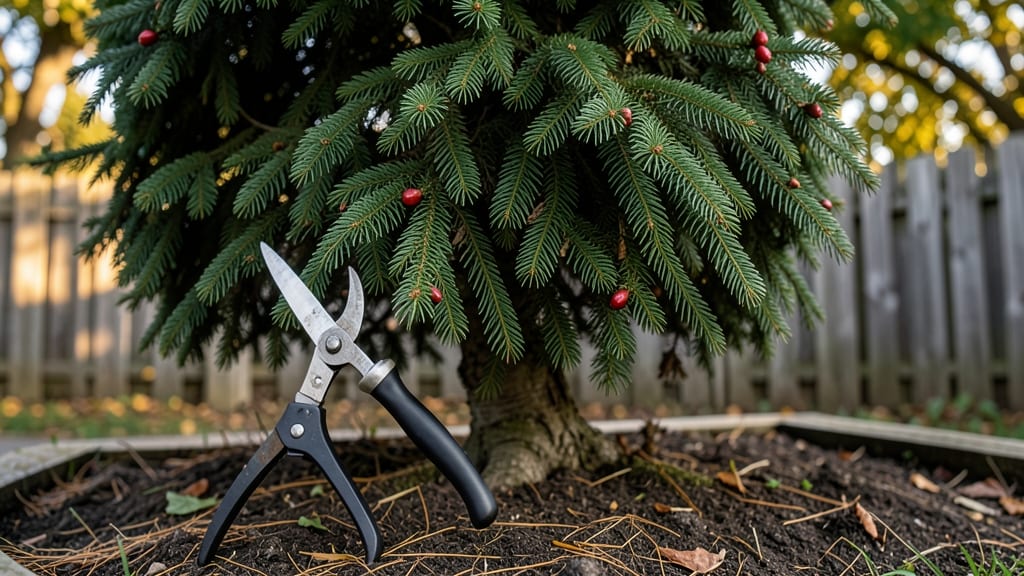
Cutting back yew trees in late winter reveals their hidden structure like peeling back layers of a puzzle—each snip shapes their future for years to come. 🌿 I’ve watched my upright English yew transform from a wild tangle into a sleek, formal hedge just by following a few key rules about when and how to cut.
The difference between a lush, dense yew and a bare, leggy skeleton often comes down to timing and technique.
You’ll need sharp bypass pruners for fine branches and a pruning saw for thicker stems, plus a ladder if your yews top 6 feet.
Work on dry, calm days to avoid spreading disease, and time it right: late winter to early spring is ideal for most species, but spreading yews can handle light shaping anytime. The goal? Encourage new growth from the tips while avoiding those ugly "bare spots" that scream "over-pruned."
After pruning, you’ll see fresh green candles (new growth) within weeks—proof you’ve done it right. Dense foliage blocks weeds, provides year-round structure, and even deters deer. Just avoid cutting into old wood (the brown, woody stems) unless you’re rejuvenating a neglected hedge.
Patience pays off: a well-shaped yew can last centuries with proper care.
Species matter—upright yews like Taxus baccata need vertical shaping, while spreading types like Taxus × media benefit from horizontal cuts to fill out. Start small: remove no more than one-third of the foliage at a time.
Your hedge will thank you with vibrant, bushy growth that outshines the neighbors’ (and their envy).
📚 In This Guide
- What you need
- Instructions
- Tips and common mistakes
- Wrapping up and next steps
What you need
- ● Pruning shears: Bypass pruners (for clean cuts on small branches, 5–7" blades). Anvil pruners (for thicker branches, up to ¾").
- ● Loppers: Bypass loppers (for branches ¾"–2" in diameter, 18–24" handles).
- ● Pruning saw: Curved-tooth pruning saw (for branches 2"–4" thick, 12–18" blade).
- ● Gloves: Heavy-duty gardening gloves (cut-resistant, like those with Kevlar or steel mesh).
- ● Safety gear: Safety goggles (to protect from debris) and ear protection (if using a chainsaw).
- ● Disinfectant: 70% isopropyl alcohol or bleach solution (1 part bleach to 9 parts water) to sterilize tools between cuts.
- ● Tarp or drop cloth: Large enough to lay beneath the tree to collect debris.
- ● Ladder or step stool: Sturdy and tall enough to reach the highest branches safely.
- ● Chainsaw: Pole saw or lightweight chainsaw (for large, overgrown yews—rent if you don’t own one).
- ● Extension pole: Adjustable pruning pole (for high branches, 6–12 ft long).
- ● Rubbing alcohol wipes: Quick tool disinfection on the go.
- ○ Pruning sealant: Tree wound sealant (optional for large cuts, but yews typically heal well without it).
- ● Marking spray: White or colored spray paint (to mark cuts before pruning).
- ● Wheelbarrow or bags: For hauling away large clippings.
Step-by-step guide to pruning yew trees for year-round density
Here's how to sculpt your yews into lush, full hedges without stressing the plants.
✂️ Step 1: Assess Growth Patterns and Identify Pruning Zones
Start by examining your yew tree's structure to determine healthy growth zones. Yews grow best when pruned to encourage new shoots from lateral buds—never cut into old wood. Look for areas where branches are too long, crossing, or growing inward. These are your primary targets. I like to work with a small hand pruner for precision, making cuts just above a set of leaves or a bud that faces outward.
Mark your cuts with a piece of twine or chalk if needed—this prevents over-pruning. Yews handle light trimming well, but aggressive cuts can expose the woody core. Focus on shaping rather than removing large sections. The goal is to maintain a natural, dense silhouette while encouraging fresh growth from the lower branches.
✂️ Step 2: Prune for Shape and Structure
Begin with the top of the tree, working your way down in stages. Cut back any overgrown branches to maintain a balanced shape, but never remove more than one-third of the foliage in a single session. Yews respond well to gradual shaping, so I recommend light pruning every 4-6 weeks to keep growth in check. Use sharp bypass pruners to make clean cuts—ragged edges invite disease.
For formal hedges, maintain a consistent height by trimming the top evenly. For informal shapes, step back frequently to check your progress. The key is to avoid creating "bald spots" where no new growth emerges. If you notice a branch isn’t producing new shoots after trimming, it may be too old—leave it and focus on younger growth. Yews are resilient, but patience pays off in denser foliage.
✂️ Step 3: Encourage New Growth with Strategic Cuts
To promote bushier growth, cut just above a bud or set of leaves that faces outward. This ensures new shoots grow in the direction you want. Avoid cutting back to bare wood—always leave some green growth. I find that trimming in early spring (just as new shoots emerge) or late summer (after the first flush of growth) yields the best results. These timings allow the tree to recover before winter dormancy.
For thicker hedges, thin out the center by removing a few inner branches entirely. This improves air circulation and sunlight penetration, which prevents fungal issues. After pruning, step back and admire your work—you’ll notice how the tree’s natural shape starts to re-emerge with fresh, vibrant growth. Water deeply after pruning to help the tree recover, especially if the weather is dry.
⏰ Step 4: Maintain Year-Round with Light Touch-Ups
Yews grow slowly, so they don’t need heavy pruning often. Instead, perform light maintenance every 3-4 months to keep them tidy. Focus on removing any dead, diseased, or crossing branches immediately—they can weaken the tree if left unattended. I also recommend a final shape-up in late winter or early spring before new growth begins.
If your yew is young (under 5 years old), avoid heavy pruning—let it establish its structure naturally. Older trees can handle more aggressive shaping, but always prioritize health over aesthetics. The goal is to create a tree that looks full and natural, not one that’s been overworked. With consistent care, your yew will reward you with dense, lush foliage year after year.
Tips & tricks for perfect yew tree pruning
These subtle adjustments will transform your yews from sparse to spectacular year after year.
Tool Selection: Invest in a pair of sharp bypass pruners—dull blades tear foliage and invite disease. I've ruined three sets of pruners by letting them get too dull, so I now sharpen mine annually. For thicker branches, use loppers rated for at least 2 inches in diameter. Always make clean cuts at a 45-degree angle just above a bud or leaf set—this prevents water pooling that causes rot.
Seasonal Timing: The early spring timing (just as new shoots emerge) is non-negotiable for best results. This aligns with the tree's natural growth cycle, allowing it to recover before summer heat stress. For late summer pruning, aim for after the first flush of growth but before fall—this gives the tree time to harden off before winter. I've seen dramatic differences in recovery rates when pruning at these optimal windows versus other times.
Visual Cues for Pruning: When working on Step 2's shape adjustments, step back every 5-10 minutes to check your progress. The goal is to create a silhouette that looks full and natural, not like a geometric shape. Look for symmetry in the overall form while maintaining the tree's natural character. I've learned the hard way that what looks balanced up close often appears lopsided from a distance—this is where the "step back" rule saves me from mistakes.
Recovery Care: After any significant pruning session, give your yew a deep watering to help it recover. Focus on the root zone, applying water slowly to allow proper absorption. In hot climates, I've found that adding a 2-inch layer of mulch around the base helps retain moisture and regulate soil temperature. This is especially important after the 4-6 week maintenance prunings where you're making multiple small cuts that stress the tree.
Pro Tips for Cutting Back Yew Trees
- These subtle adjustments will transform your yews from sparse to spectacular year after year.
- Tool Selection: Invest in a pair of sharp bypass pruners—dull blades tear foliage and invite disease.
- Seasonal Timing: The early spring timing (just as new shoots emerge) is non-negotiable for best results.
Frequently asked questions
Got questions about trimming your yew trees? You’re not alone—these evergreens can be tricky! Below, we tackle the most common concerns to help you prune like a pro.
When is the best time to cut back yew trees?
Yews are flexible—you can prune them year-round! However, late winter or early spring (before new growth starts) is ideal for shaping. Avoid heavy cuts in fall, as it may stress the tree before winter. For formal hedges, light trims every 6–8 weeks keep them dense.
How much can I trim a yew tree without harming it?
Yews tolerate moderate pruning but avoid over-cutting. Never remove more than 1/3 of the foliage in a single session—this can weaken the tree. For mature yews, annual light trims (5–10%) maintain health. If you’ve neglected pruning, space cuts over 2–3 years to avoid shock.
What’s the difference between pruning yew hedges vs. specimen trees?
Hedges need frequent, even cuts (every 4–6 weeks) to stay dense. Use hedge shears for clean lines. Specimen trees, however, benefit from selective shaping—focus on removing dead wood, crossing branches, and encouraging an open center. Avoid shearing; instead, hand-prune for a natural look.
Why do my yew tree’s tips turn brown after pruning?
Brown tips are often normal stress from pruning, but severed branches (not clean cuts) or drought can worsen it. Ensure cuts are 1/4-inch above a bud and water deeply after trimming. If browning spreads, check for spider mites or scale insects—treat with horticultural oil if needed.
Are there alternatives to shearing yew trees?
Yes! For a wilder, more natural look, try pollarding (cutting back hard to a stub) or layering (bending lower branches to root). For formal gardens, topiary shapes (like spirals or animals) add flair without harsh shearing. Just avoid over-trimming—yews grow slowly and recover best with patience.
Wrapping up and next steps
Cutting back yew trees doesn’t have to be intimidating—with the right tools, timing, and techniques, you can encourage lush, dense growth while keeping your landscape looking sharp. Whether you’re trimming for shape, health, or seasonal renewal, remember that consistency is key.
Start small, take your time, and soon your yew trees will thrive under your care! 🌿✨
Ready to tackle your next pruning project? Grab your tools, check the weather, and get started! For even more tips, bookmark this guide or explore our pruning resources—your green thumb is just a cut away. 🌱