
Pruning
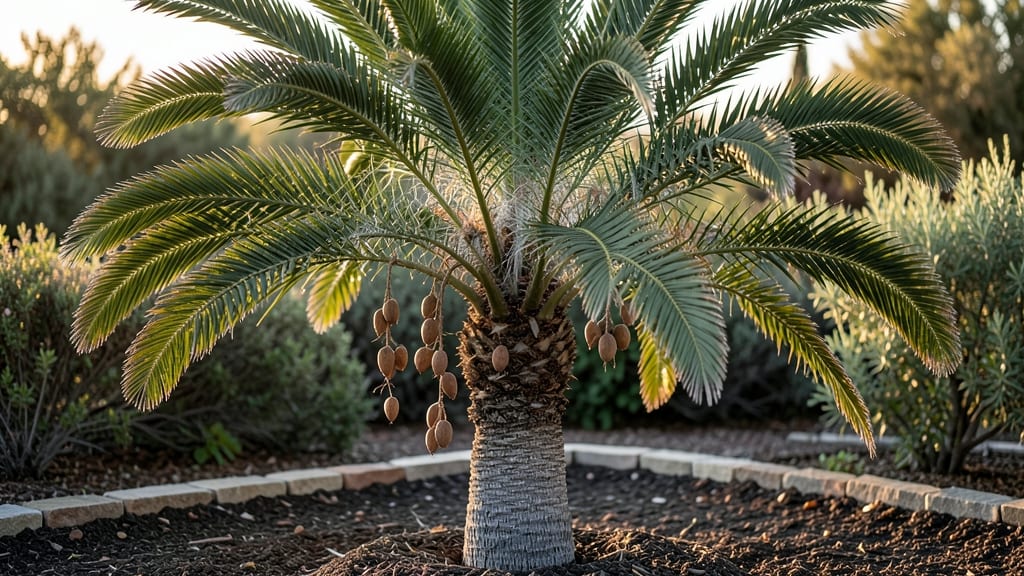
Pruning your date palm tree isn’t just about keeping it tidy—it’s the secret to a stronger trunk and a lush, productive canopy that feeds you for years. 🌴 I’ve seen firsthand how a single miscut can weaken a palm over time, while the right approach turns it into a towering, fruit-bearing beauty.
The key? Timing, tools, and knowing exactly which fronds to remove (and which to save).
You’ll need basic pruning tools—sharp bypass shears, a sturdy ladder, and heavy-duty gloves—to tackle this 1-2 hour project every 6-12 months. Most palms in USDA zones 9-11 thrive with minimal trimming, but tropical varieties like Phoenix dactylifera demand more attention.
The goal? Remove only the brown, dead fronds (never more than ⅓ of the canopy at once) to avoid stressing the tree.
What you’ll end up with is a palm that grows taller and straighter, with fewer pests and diseases creeping in. The fronds stay vibrant green, the trunk thickens with each season, and—if you’re lucky—you’ll harvest sweet, golden dates by late summer.
This isn’t just pruning; it’s an investment in a long-lived, edible landscape feature.
Works for both outdoor landscapes and large containers (if you’re in a cooler microclimate). Here’s how to do it without turning your backyard into a jungle cleanup—just a few strategic cuts and a little patience. Let’s get started.
📚 In This Guide
- What you need
- Instructions
- Tips and common mistakes
- Wrapping up and next steps
What you need
- ● Sharp pruning shears or loppers – Bypass-style, 8–12” blades (for small fronds and suckers)
- ● Heavy-duty pruning saw – 18–24” curved blade (for thick fronds or dead wood)
- ● Safety gloves – Cut-resistant, long-cuffed (to protect against splinters and sharp edges)
- ● Ladder or lift – Sturdy, extendable (16–20’ tall) (for reaching higher fronds safely)
- ● Disposable pruning bags or tarp – Heavy-duty, 4–6’ wide (to collect debris)
- ○ Pruning sealant – Optional but recommended (for sealing large cuts to prevent disease)
- ● Ideal weather: Mild temps (50–85°F), no rain forecast for 24 hours (prevents fungal growth)
- ● Time of year: Late winter to early spring (just before new growth) (best for minimal stress on the tree)
- ● Safety gear: Safety glasses, closed-toe shoes, and a dust mask (for protection from debris and sap)
- ● Tree health check: Inspect for pests/disease before pruning (address issues first!)
- ● 🔥 Sharpen your tools – Dull blades tear fronds, stressing the tree.
- ● 🌡️ Work in the shade – Date palms can get scorched in direct sun while pruning.
- ● ✨ Disinfect tools – Wipe blades with rubbing alcohol between cuts to avoid spreading pathogens.
Step-by-step guide to pruning date palm trees for optimal health
Here's how to maintain your palm's natural beauty while preventing disease and promoting vigorous growth.
🌿 Step 1: Identify the Right Time for Seasonal Trimming
Prune date palms in late winter or early spring when new growth begins but before the 60-70°F temperature range triggers rapid foliage expansion. This timing ensures you remove dead fronds without compromising the palm's energy reserves for the growing season.
Look for brown, dry fronds that crunch when bent—these are ready for removal. Avoid pruning during summer heat or winter freezes, as the palm's healing process slows dramatically in below 50°F conditions. I always schedule my pruning after checking the 10-day weather forecast to avoid rain within 48 hours.
✂️ Step 2: Remove Dead and Damaged Fronds Safely
Use clean, sharp pruning shears or a handsaw for thicker fronds, cutting at a 45-degree angle about 6 inches below the frond base where it meets the trunk. This prevents water from pooling and rotting the trunk. Wear gloves and safety goggles—date palm fronds have sharp serrated edges that can draw blood.
Work from the bottom up, removing only fronds that are completely brown and brittle. Never remove more than one-third of the frond cluster in a single session, as this stresses the palm. If you see yellowing fronds with green streaks, leave them—they're still photosynthesizing and supporting the tree.
🌱 Step 3: Trim Excessive or Crowded Fronds for Airflow
Focus on fronds that block sunlight from reaching the trunk or overcrowd the canopy, creating humid conditions that invite fungal diseases. Use your shears to make clean cuts just above a healthy bud (a small bump where new growth emerges). This encourages the palm to redirect energy to new, vigorous fronds.
For thatch buildup (the layer of old fronds at the base), use a pruning saw to cut through the dense material 12-18 inches from the trunk. This prevents pests like palm weevils from nesting in the decaying fronds. Real talk: this step is messy, but it's critical for long-term trunk health.
☀️ Step 4: Apply Post-Pruning Care for Faster Recovery
After trimming, water deeply to help the palm recover, especially if you've removed a significant portion of the canopy. Apply a balanced palm fertilizer (high in potassium and magnesium) to support new growth. I like to use a slow-release granular fertilizer spread evenly around the drip line of the palm.
Monitor the pruned areas for 3-4 weeks—you'll notice new fronds emerging from the top of the trunk as the palm responds to the trim. Avoid pruning again until you see at least 50% new growth from the previous session. This ensures the palm isn't overworked and maintains its natural resilience.
Tips & tricks for pruning date palm trees like a pro
These practical insights will help you avoid common pitfalls and ensure your palm thrives after trimming.
Seasonal Timing Secret: The late winter/early spring window is critical because it coincides with the palm's natural growth cycle. I've seen palms stressed when pruned too early—they haven't built up energy reserves yet. Check for those telltale brown fronds that crunch like dry leaves, but hold off if temperatures dip below 50°F. Your palm's healing slows dramatically in cooler weather, making it vulnerable to disease.
Cutting Technique That Changed Everything: That 45-degree angle and 6-inch clearance below the frond base aren't just arbitrary measurements—they're about water management. I learned this the hard way when a palm I pruned developed rot at the trunk. The angle helps water bead off, and the clearance prevents moisture from pooling where fronds meet the trunk. Always make clean cuts with sharp tools to avoid tearing the tissue, which invites infections.
Frond Selection Strategy: The "one-third rule" for frond removal is non-negotiable. I've watched palms struggle after aggressive pruning sessions where owners removed too many healthy fronds. Focus on completely brown fronds—if you see any green at all, leave it. Those yellow fronds with green streaks are still photosynthesizing, so they're worth keeping. Think of your palm like a factory: you want to maintain production while removing only the truly obsolete equipment.
Post-Pruning Recovery Hack: That 3-4 week monitoring period is your chance to spot problems early. I've noticed new fronds emerge within 2-3 weeks if conditions are right. Pay special attention to the cut areas—if you see oozing sap or dark discoloration, you might have damaged the vascular tissue. In that case, apply a fungicide to prevent infection. The 50% new growth rule before your next pruning is your best indicator that the palm has fully recovered its energy reserves.
Pro Tips for Date Palm Tree
- These practical insights will help you avoid common pitfalls and ensure your palm thrives after trimming.
- Seasonal Timing Secret: The late winter/early spring window is critical because it coincides with the palm's natural growth cycle.
- Cutting Technique That Changed Everything: That 45-degree angle and 6-inch clearance below the frond base aren't just arbitrary measurements—they're about water management.
Frequently asked questions
Got questions about pruning your date palm tree? You’re not alone! Here are some of the most common inquiries—plus expert answers to keep your tree thriving.
When is the best time of year to prune a date palm tree?
The ideal window is late winter to early spring (just before new growth begins). Avoid pruning during summer heat or winter dormancy—this helps minimize stress and encourages healthy regrowth. Pro tip: If you miss the season, a light trim in fall is better than none at all!
How do I tell if my date palm needs pruning?
Watch for these red flags:
- Dead or brown fronds hanging from the trunk (these drain energy).
- Fronds touching the ground (increases pest/disease risk).
- Overcrowded canopy blocking sunlight to lower fronds.
Can I prune too much? What are the risks?
Yes! Over-pruning (removing more than 1/3 of the fronds) weakens the tree, stresses it, and can lead to nutrient deficiencies or even death. Stick to selective trimming—focus on dead fronds and structural hazards. Pro tip: Never remove the growing point (the crown)!
What’s the best tool for cutting thick palm fronds?
Use a sharp pruning saw (for thick stalks) or bypass pruners (for smaller fronds). Avoid loppers—they can crush tissue. For safety, wear gloves and goggles, and never use a chainsaw (it’s overkill and dangerous for palms).
Do date palms regrow after pruning? How long does it take?
Yes! Healthy palms regrow new fronds from the crown within 2–6 months of proper pruning. Younger palms recover faster than mature ones. If you see no new growth after 6 months, check for pests, disease, or root issues.
Wrapping up and next steps
Pruning your date palm tree is a rewarding way to ensure its health, strength, and beauty—while keeping it safe for your home and landscape! 🌿 By following seasonal guidelines and using the right tools, you’ll promote a sturdy trunk and a lush, productive canopy.
Remember, consistency is key, and a little effort now means fewer challenges (and more dates!) later.
Ready to take action? Start small: Assess your palm’s needs this season, gather your supplies, and schedule your first trim. Whether you’re a pruning pro or a curious beginner, every cut brings you one step closer to a thriving tree. Happy pruning! 🌱