
Pruning
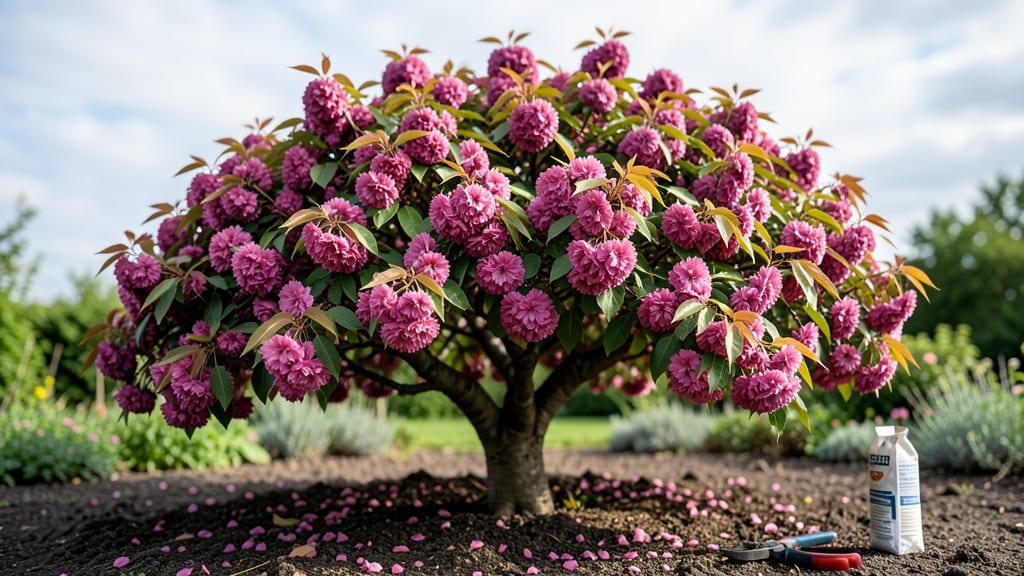
Double flowering cherry trees turn your yard into a pink-and-white dream every spring—no other tree delivers that kind of drama. 🌸 I’ve watched mine transform a dull corner into the neighborhood’s most photographed spot, and the secret isn’t just planting it, but pruning it right to keep those blossoms coming back bigger and fuller each year.
Here’s the thing—these trees need three simple pruning cuts to stay healthy and spectacular. Most people overlook the late-winter cleanup, which is when you shape the branches for maximum bloom density. Pair that with strategic summer trims, and you’ll avoid the sad, leggy look that ruins the show.
The payoff? A canopy so dense with flowers, you’ll swear it’s a watercolor painting come to life.
Beyond pruning, placement matters just as much. Plant yours where the morning sun catches the blossoms, and tuck understory plants like hostas or ferns to soften the base. By summer, the foliage provides lush green contrast, while autumn’s fiery leaves add another layer of color.
This isn’t just a tree—it’s a year-round focal point that keeps your garden talking long after spring fades.
Ready to make yours the star? The pruning secrets I’m about to share will keep your tree thriving for decades—no green thumb required. Let’s get those branches in shape for next season’s showstopper display.
📚 In This Guide
- What you need
- Instructions
- Tips and common mistakes
- Wrapping up and next steps
What you need
- ● Double flowering cherry tree (bare-root or potted, 1-3 years old for best results). Pro tip: Choose a variety like Prunus serrulata 'Kanzan' or 'Shirofugen' for stunning double blooms!
- ● Pruning shears (bypass pruners, sharp and disinfected—sterilize with rubbing alcohol or bleach solution).
- ● Loppers (for thicker branches, 8-12" cutting capacity).
- ● Hand pruners (for precision trimming, avoid dull blades to prevent tearing).
- ● Gloves (gardening gloves with cut-resistant palms for safety).
- ○ Pruning sealant (optional but helpful for larger cuts to prevent disease).
- ● Watering can or hose (with a gentle spray nozzle for post-pruning hydration).
- ● Extension pole pruners (for high branches, 3-6 ft reach).
- ● Saw (for thick branches, pruning saw with a curved blade).
- ● Ladder (aluminum or fiberglass, stable and tall enough for your tree’s height).
- ● Tree wound dressing (controversial but some gardeners swear by it for extra protection).
- ● Notebook & pen (to sketch your pruning plan or track progress).
Step-by-step pruning for a stunning double flowering cherry tree
Here's how to shape your tree for maximum spring blooms without sacrificing health.
✂️ Step 1: Time Your First Cut for Dormant Season
Prune your double flowering cherry tree late winter to early spring, just as buds begin to swell but before any leaves appear. This timing ensures you remove dead wood while preserving next season's blossoms. I always mark my calendar for February to March in most climates—waiting too long risks cutting off flower buds that form on last year's growth.
Use sharp, clean pruning shears to make 45-degree cuts just above a bud or branch collar. Avoid leaving stubs—these invite disease. If a branch is thicker than your wrist, use a pruning saw instead. I like to start with the tree's outer canopy, where branches are most visible from the street, to create that show-stopping silhouette.
🌿 Step 2: Remove Dead and Crossing Branches First
Scan the tree for dead, diseased, or damaged branches—these are your first targets. Dead wood often appears grayish-brown and snaps easily when bent. Remove any branches that cross or rub against each other, as these wounds create entry points for pests and infections. I make a habit of checking for these issues during late winter when the tree's structure is most visible against the bare sky.
For crossing branches, remove the smaller of the two unless one is clearly dominant. Never leave a stub—cut back to the branch collar where it meets the trunk. This ensures the tree heals cleanly. If you're unsure which branch to remove, I recommend cutting the one that's growing downward, as it often causes future problems with weight and light exposure.
✂️ Step 3: Thin the Canopy for Light and Airflow
Double flowering cherries thrive when their centers receive good airflow and sunlight. Aim to thin the canopy by 20-30% to reduce congestion. Focus on branches growing inward or downward—these compete with stronger, upward-growing branches for sunlight and nutrients. I like to step back every few cuts to visualize the tree's shape from all angles.
When thinning, cut branches back to their point of origin rather than just shortening them. This opens up the tree's interior while maintaining its natural form. Avoid "lion's tailing," where you cut too many branches at once—this stresses the tree. Instead, remove one or two branches per cluster to maintain balance. Watch for sucker growth (vigorous shoots at the base) and prune these aggressively, as they drain energy from the main structure.
Tips & tricks for perfect double flowering cherry tree pruning
Here's what nobody tells you about transforming your cherry tree into a springtime showstopper.
Timing is Everything: The February to March window is non-negotiable for double flowering cherries. I learned this the hard way after accidentally pruning in April—my neighbor's tree bloomed beautifully while mine struggled with fewer blossoms. Look for swollen buds that haven't yet cracked open; this signals the perfect moment to begin. The tree's natural growth cycle makes this timing critical for preserving next year's flowers.
Cutting Technique That Changed Everything: When making those 45-degree cuts in Step 1, I now use a simple trick to ensure precision: I make a small notch just above the bud I want to keep, then follow through with the main cut. This creates a clean break that heals beautifully. For thicker branches, I've started marking the cut line with a piece of chalk first—it prevents accidental over-cutting when the branch starts to give. Remember, every cut should look like a surgeon's incision, not a hack job.
Canopy Visualization Hack: Before making any thinning cuts in Step 3, I step back about 10 feet from the tree and take a photo with my phone. This forces me to see the tree as a whole rather than getting lost in individual branches. The photo becomes my reference point for symmetry. I look for areas where light might get blocked—these are prime candidates for removal. This method has helped me avoid that "lion's tail" look that makes trees appear over-pruned.
Sucker Growth Strategy: I've found that the most effective way to handle sucker growth is to remove them as soon as they appear—don't wait for the full pruning season. These aggressive shoots drain energy from your main tree structure. I keep a small pair of pruning shears in my gardening tool belt and make quick cuts whenever I spot new suckers. This constant vigilance pays off with a stronger, more productive tree.
Pro Tips for Double Flowering Cherry Tree
- Here's what nobody tells you about transforming your cherry tree into a springtime showstopper.
- Timing is Everything: The February to March window is non-negotiable for double flowering cherries.
- This creates a clean break that heals beautifully.
Frequently asked questions
When is the best time to prune a double flowering cherry tree?
Prune your tree right after flowering (late spring) to avoid cutting off next year’s blooms. Avoid heavy pruning in fall or winter—it stresses the tree and can reduce spring blossoms. Light shaping? Do it anytime, but keep it minimal to preserve its natural form.
Can I prune too much? What if my tree looks sad after trimming?
Yes! Double flowering cherries are sensitive to aggressive pruning. If you’ve overdone it, your tree might drop buds or look sparse. Stop pruning immediately and focus on watering deeply. Next year, trim only dead or crossing branches—never more than 20% of the canopy at once.
Why isn’t my double flowering cherry tree blooming as much as others?
Several factors could be at play: age (young trees bloom less), over-pruning, or poor sunlight. If it’s been years and blooms are sparse, check for disease or pests (like borers) and ensure it gets 6+ hours of sun daily. Fertilize lightly in early spring if soil is nutrient-poor.
Are there dwarf varieties of double flowering cherry trees for small yards?
Look for cultivars like ‘Kanzan Compact’ or ‘Royal Celebration’, which max out at 12–15 feet. They bloom just as prolifically but fit patios, balconies, or tight spaces. Just plant them near a support stake if winds are strong—they’re still delicate!
How do I prevent pests (like aphids or borers) from ruining my tree’s flowers?
Start with prevention: Keep your tree healthy with proper watering and pruning. For aphids, blast them off with a strong hose stream. Borers? Treat early with neem oil or invite woodpeckers (they love borer larvae!). Avoid chemical sprays during bloom—they can damage petals.
Still stumped? Drop your question below—we’re happy to help your cherry tree shine!
Wrapping up and next steps
Transforming your yard into a breathtaking springtime haven with a double flowering cherry tree is well within reach!
By mastering the three pruning secrets—timing, technique, and tools—you’ll ensure vibrant blooms and a healthy tree for years to come. 🌸 With the right knowledge and a little elbow grease, your garden will become the envy of the neighborhood.
Ready to take the next step? Grab your pruners and schedule that first pruning session—your tree (and your future springtime views) will thank you!