
Pruning
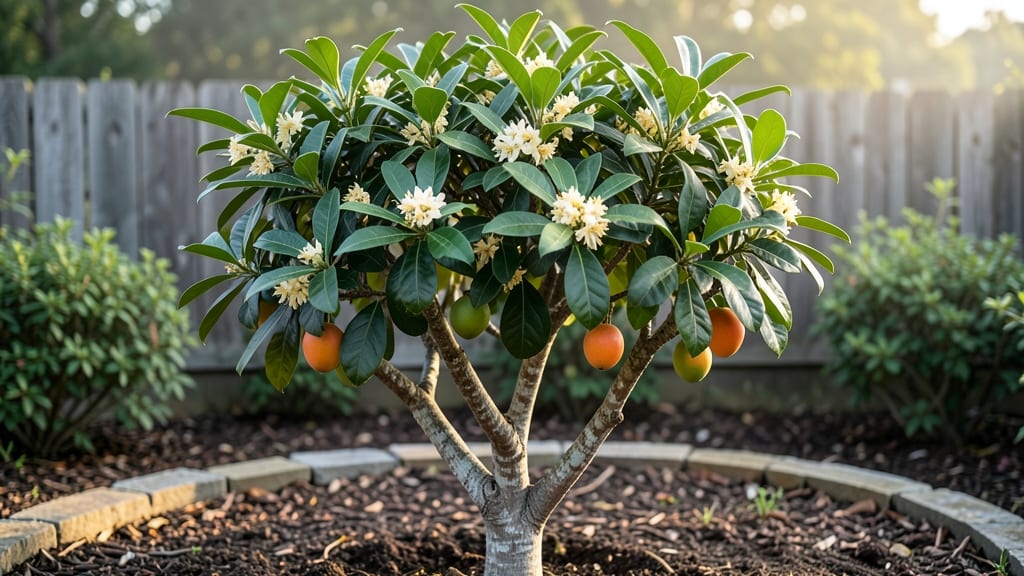
Growing a dwarf mango tree in your backyard or even on a patio is easier than you think—no tropical climate required. 🌱 My first attempt with a 'Cogshall' variety in Zone 8 proved that with the right care, these compact trees deliver sweet, juicy fruit in just 3-5 years, not decades.
The key difference from full-sized trees? Dwarf varieties stay under 10 feet tall, making them perfect for containers or small yards.
You’ll need well-draining soil, full sun (6+ hours daily), and a spot protected from strong winds. Unlike their giant cousins, dwarf mangoes tolerate cooler nights and urban heat islands better. Water deeply once a week, but never let them sit in soggy soil—root rot is their worst enemy.
A balanced fertilizer in spring and summer keeps them productive without overpowering their delicate growth.
Pruning is where the magic happens. Shape your tree in early spring by trimming back leggy branches to encourage a bushier form. This isn’t just about aesthetics—it boosts airflow, reduces disease risk, and ensures more energy goes into fruit production.
With the right cuts, you’ll harvest small but flavorful mangoes that put grocery-store varieties to shame.
Even in containers, these trees thrive if you upgrade to a 15-gallon pot by year three. The trade-off? You’ll need to bring them indoors when temperatures dip below 40°F. Indoor growers can also try dwarf varieties like 'Ice Cream'—its cold tolerance makes it a standout for northern climates.
Let’s get your tree growing strong and fruiting fast!
📚 In This Guide
- What you need
- Instructions
- Tips and common mistakes
- Wrapping up and next steps
What you need
- ● Dwarf mango tree (grafted variety, 6–10 ft tall at maturity; ensure it’s disease-resistant if possible).
- ● Pruning shears – Bypass-style (sharp, 6–8" blades) for clean cuts.
- ● Hand pruners – For smaller branches (test sharpness with a paper towel—if it tears, it’s dull!).
- ○ Loppers (optional) – For thicker branches (up to 2" diameter).
- ● Disinfectant (70% isopropyl alcohol or bleach solution – 1 part bleach to 9 parts water).
- ○ Pruning sealant (optional but helpful for large cuts to prevent disease).
- ● Garden gloves – Cut-resistant to protect hands from thorns.
- ○ Extension pole saw (optional) – For high branches in larger trees.
- ● Marking twine or spray paint – To tag branches for removal.
- ● Bucket or bag – For collecting pruned branches (compost or dispose responsibly!).
- ● Sun hat & sunscreen – Because pruning sessions can get hot! ☀️
- ● Know your tree’s growth stage (newly planted vs. established).
- ● Check local pruning guidelines (timing varies by climate—spring/early summer is ideal!).
- ● Ensure your tree has access to sunlight (6+ hours daily for optimal growth).
- ● Watering schedule – Keep soil moist (but not soggy) 1–2 weeks post-pruning.
Step-by-Step guide to growing a thriving dwarf mango tree
Small spaces deserve sweet rewards—here's how to coax fruit from your dwarf mango.
🪴 Step 1: Select the Right Container and Soil Mix
Choose a 5-gallon container minimum with drainage holes—dwarf mango roots need room to spread but hate soggy feet. I use a heavy ceramic pot to prevent tipping from tropical winds. Fill the bottom third with orchid bark mix for aeration, then top with well-draining potting soil blended with 20% perlite.
Press the mix down gently until it's firm but not compacted. The surface should crumble when poked with your finger—if it sticks together like wet clay, add more perlite. Place a 3-inch layer of gravel at the bottom first to ensure excess water drains away completely.
☀️ Step 2: Position for Maximum Sunlight
Dwarf mangoes crave 6-8 hours of direct sunlight daily, but they'll scorch in intense afternoon heat. I place mine on a patio where it gets morning sun and afternoon shade—watch for leaves that turn yellow or crisp at the edges, which means it's too hot. A 50% shade cloth during summer afternoons prevents sunburn while still allowing light through.
Rotate the pot a quarter turn weekly so the tree grows evenly. You'll notice new growth leaning toward the light—this is your cue to adjust placement. In winter, supplement with a grow light 12 inches above for 10-12 hours daily to maintain growth.
💧 Step 3: Water Deeply and Establish a Routine
Water when the top 2 inches of soil feel dry—stick your finger in to check. Dwarf mangoes hate both drought and soggy roots, so I water deeply until it drains from the bottom, then empty the saucer after 10 minutes. Overwatering causes root rot, which will kill your tree within weeks.
During fruiting season, increase water slightly—mature trees need 1-2 gallons per week depending on heat. You'll see fruit drop prematurely if the tree isn't getting enough moisture, but yellowing leaves mean you're overdoing it.
✂️ Step 4: Prune for Shape and Fruit Production
Prune in late winter when the tree is dormant. Remove any crossing branches first—they rub against each other and create wounds where disease enters. Cut back leggy growth by one-third to encourage bushier growth. I always sterilize my pruners with rubbing alcohol between cuts to prevent bacterial spread.
Shape the canopy by trimming branches that grow inward. Aim for an open center that lets sunlight reach all leaves—this is how you maximize fruit set. After pruning, apply a balanced fertilizer to help the tree recover and support new growth.
🌿 Step 5: Fertilize for Sweet, Abundant Fruit
Feed every 6-8 weeks during growing season with a 10-10-10 fertilizer mixed at half strength. Too much nitrogen makes leaves grow fast but fruit poorly—you'll end up with a bushy tree and no mangoes. I switch to a high-phosphorus fertilizer when buds form to encourage flowering.
Watch for signs of deficiency: purple stems mean phosphorus is low, while yellow leaves between veins signal iron deficiency. If you see these, adjust your fertilizer blend or apply a chelated iron supplement. Always water before fertilizing to prevent root burn.
Tips & tricks for perfect dwarf mango tree care
Here's what nobody tells you about keeping your compact mango thriving in tight spaces.
Soil Texture Matters: That 20% perlite in Step 1 isn't just for show—it's what prevents compaction. I've seen trees fail when gardeners skip this step, thinking regular potting soil is enough. Test your mix by squeezing a handful: it should crumble easily, not stick together like wet sand. If it feels too dense, add more perlite gradually until it passes the crumble test. The gravel layer at the bottom is equally critical—it creates an air gap that prevents water from pooling at the roots, which is how root rot starts.
Sunlight Strategy: The 6-8 hours of sunlight in Step 2 requires a little finesse. I've learned that moving your tree just 10 feet can make the difference between thriving and struggling. Place it where it gets morning sun (when temperatures are cooler) and afternoon shade (when the sun is most intense). If you notice crispy leaf edges by midday, it's already too late—you'll need to relocate it immediately. That 50% shade cloth during summer afternoons isn't optional; it's what keeps your tree from getting sunburned while still getting enough light to fruit.
Watering Wisdom: The 2-inch soil test in Step 3 is your best friend, but timing matters just as much. Water in the morning so any excess can evaporate during the day rather than sitting in the saucer overnight. I've ruined trees by watering in the evening—it creates the perfect conditions for fungal growth. During fruiting season, those 1-2 gallons per week might feel like a lot, but remember: mangoes are tropical plants and need consistent moisture to support fruit development. If your tree starts dropping fruit prematurely, it's begging for more water.
Pruning Payoff: That one-third cut in Step 4 might seem drastic, but it's what transforms leggy growth into a bushy, fruit-bearing tree. I always prune after the tree has finished flowering but before new growth starts—this ensures you're shaping the tree while it's still dormant. Sterilizing your pruners between cuts isn't just for show; it prevents spreading diseases that can kill your tree. And here's a secret: the open center you create isn't just for looks—it's how you ensure sunlight reaches all parts of the canopy, which is crucial for fruit set.
Pro Tips for Dwarf Mango Tree
- Here's what nobody tells you about keeping your compact mango thriving in tight spaces.
- Soil Texture Matters: That 20% perlite in Step 1 isn't just for show—it's what prevents compaction.
- Sunlight Strategy: The 6-8 hours of sunlight in Step 2 requires a little finesse.
Frequently asked questions
How long does it take for a dwarf mango tree to bear fruit?
A dwarf mango tree typically takes 3–5 years to bear fruit, depending on climate, care, and variety. Patience is key—young trees focus on root and canopy growth first. In ideal conditions (warmth, full sun, and proper pruning), some may fruit sooner, but don’t rush it!
Can a dwarf mango tree survive winter or cold snaps?
Dwarf mango trees are tropical plants and thrive in USDA Zones 10–11. If you live in colder areas, grow them in containers and move them indoors during winter (below 50°F/10°C). Use a grow light if natural sunlight is limited. Without protection, frost will kill the tree.
How often should I prune a dwarf mango tree for maximum fruit?
Prune lightly 2–3 times a year:
- Spring: Remove dead/diseased branches and shape the canopy.
- After harvest: Trim back overgrown branches to encourage new growth.
- Late fall (if outdoors): Minimal pruning to avoid stress before winter.
What’s the best alternative if my dwarf mango tree isn’t thriving?
If your dwarf mango struggles, try these small-space fruit tree alternatives:
- Dwarf peach or nectarine trees (faster fruiting, cold-hardier).
- Patio citrus (like Meyer lemon) (similar care, citrusy rewards!).
- Columnar apple or pear trees (narrow growth, great for containers).
Why are my dwarf mango tree’s leaves yellowing or dropping?
Yellow leaves usually signal overwatering, underwatering, or nutrient issues:
- Check soil moisture: Stick your finger 1–2 inches deep—water only if dry.
- Drainage matters: Ensure pots have holes and saucers to prevent root rot.
- Fertilize lightly: Use a balanced citrus/mango fertilizer every 4–6 weeks in growing season.
Wrapping up and next steps
Growing a dwarf mango tree in small spaces is not only possible—it’s rewarding! 🌱 With the right pruning techniques, you can enjoy a thriving, manageable tree that delivers sweet harvests year after year.
Whether you’re a beginner or a seasoned gardener, these tips will help you nurture a healthy, compact canopy that fits your space perfectly.
Ready to take the next step? Start by observing your tree’s growth and pruning with confidence. Grab your tools, and let your little mango tree become the star of your garden! 🍈✨