
Pruning
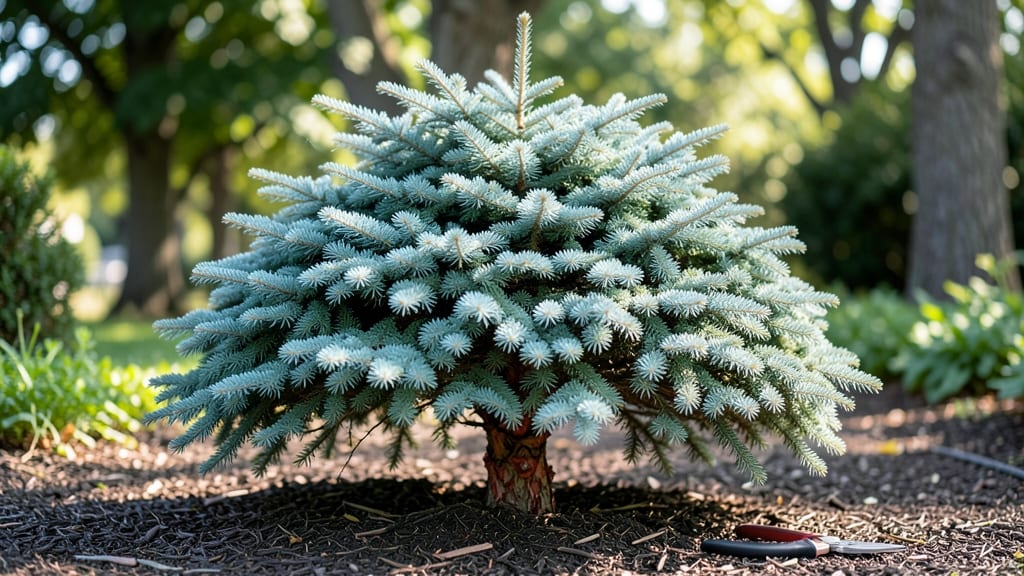
Growing a Cupressus × ellwoodii—the Ellwoodii Cypress Tree—means adding a year-round architectural star to your landscape, with its signature dense, feathery foliage that stays lush even in winter. I’ve nurtured these trees for years, and the secret to their showstopping shape isn’t just pruning—it’s understanding how they grow naturally.
This tree thrives in USDA Zones 7-10, where it can reach 30-50 feet tall with a spread of 10-15 feet, making it perfect for tall hedges, privacy screens, or dramatic focal points.
The key to dense foliage starts with the right conditions: full sun (at least 6 hours daily), well-draining soil (they hate soggy roots), and moderate watering—deep but infrequent once established.
Most gardeners overwater, leading to yellowing needles or root rot, so I’ll show you the foolproof watering schedule that keeps them thriving without fuss.
Pruning isn’t just about shaping; it’s about encouraging new growth in the right places, and I’ll walk you through the year-round timing that keeps your tree looking its best.
What you’ll end up with is a tree that’s nearly maintenance-free once established, with a tight, columnar form that’s impossible to resist. The foliage stays vibrant year-round, and with the right pruning, you’ll avoid the "Christmas tree" look that plagues so many cypress trees.
Plus, it’s drought-tolerant once mature, making it a standout for water-wise gardens. Ready to shape your landscape with this elegant evergreen?
Whether you’re planting a single specimen or creating a living screen, this guide covers everything from site prep to pruning like a pro. We’ll tackle common pests (like spider mites or bagworms) and diseases (like root rot) so you can keep your tree healthy for decades.
Let’s get started—your future landscape masterpiece is waiting!
📚 In This Guide
- What you need
- Instructions
- Tips and common mistakes
- Wrapping up and next steps
What you need
- ● Pruning shears: Bypass pruners (for clean cuts on small branches) – 1 pair (e.g., Felco F-2 or Corona Tools)
- ● Loppers: For thicker branches (up to 2" diameter) – 1 pair (e.g., Fiskars or Bahco)
- ● Pruning saw: For stubborn, larger limbs – 1 medium-sized saw (e.g., Felco F-2H)
- ● Gloves: Heavy-duty gardening gloves (cut-resistant) – 1 pair
- ● Disinfectant: 70% isopropyl alcohol or pruning sealant (to prevent disease) – small bottle
- ○ Sharpie or marker: For labeling cuts (optional but helpful)
- ● Pruning rope or twine: (For temporary support if needed) – small roll
- ● Trash bags or bucket: For collecting clippings – 1-2 bags
- ● Handheld leaf blower – for quick cleanup after pruning
- ● Extension pole pruners – for hard-to-reach branches
- ● Mulch or compost – to nourish the tree post-pruning
- ● Tree growth regulator (e.g., paclobutrazol) – for controlling growth (if needed)
- ● Camera or phone – to document your progress! 📸
How to cultivate an Ellwoodii cypress for year-round structural beauty
This elegant evergreen thrives with precise pruning and strategic placement—here's how to coax its signature dense foliage and graceful form.
🌱 Step 1: Select and Prepare the Planting Site
Choose a location with full sun exposure (6+ hours daily) and well-draining soil—Ellwoodii cypress hates soggy roots. The ideal spot mimics its natural coastal habitat: slightly elevated ground that prevents water pooling. I test drainage by digging a 12-inch deep hole and filling it with water; if it doesn't drain within 2 hours, amend the soil with 3 inches of coarse sand or 1 part perlite per 2 parts native soil.
This tree tolerates USDA Zones 7-10, but young specimens need winter protection in colder microclimates. In Zone 7, I wrap the lower trunk with burlap during freeze events below 20°F—the roots are particularly vulnerable. The first year is critical for establishing strong root systems, so avoid transplanting nursery-grown trees in late summer or fall when root growth slows.
☀️ Step 2: Plant with Proper Spacing and Initial Pruning
Dig a hole twice as wide as the root ball but only as deep—planting too deeply suffocates the roots. Position the tree so the top of the root ball sits 1-2 inches above ground level to prevent waterlogging. Backfill with native soil mixed with 1 cup of slow-release fertilizer (10-10-10 ratio) to encourage early root expansion.
Here's the thing—Ellwoodii cypress grows best when shaped from the start. Immediately after planting, remove any dead, broken, or crossing branches using clean, sharp pruners. Focus on creating an open center that allows light penetration to the lower branches. I make my first structural cuts at 1/4 inch above a lateral bud to encourage outward growth rather than upward spikes. Water deeply after pruning to reduce transplant shock.
✂️ Step 3: Implement Seasonal Pruning for Dense Foliage
Spring is the prime time for shaping—prune just as new growth begins (look for 1/4-inch green tips on branches). The goal is to maintain a pyramidal form with the widest part at the bottom. I remove no more than 25% of the foliage in any single pruning session to avoid stress. For mature trees, I focus on thinning out older, woody branches from the interior to improve air circulation and reduce disease risk.
Summer maintenance involves light trimming to remove any straggly growth or branches growing at awkward angles. Never prune in fall—new growth won't harden off before winter, making it vulnerable to frost damage. In winter, I do a final cleanup of any dead wood, but avoid heavy pruning as the tree enters dormancy. The key is patience: Ellwoodii cypress responds best to gradual shaping over multiple seasons rather than aggressive cuts.
💧 Step 4: Water and Fertilize for Optimal Growth
Newly planted trees need deep watering twice weekly for the first 6 months, then taper to once weekly once established. The soil should dry out 2-3 inches below the surface between waterings—stick your finger in to check. Overwatering is the #1 killer of young cypress; I've seen roots rot within weeks from poor drainage. Once established, Ellwoodii becomes drought-tolerant but still prefers consistent moisture during dry spells.
Fertilize only in early spring with a balanced, slow-release formula (10-10-10). I apply 1/2 cup per inch of trunk diameter spread evenly in the root zone. Avoid high-nitrogen fertilizers—they promote leafy growth at the expense of structural strength. Mulch with 3 inches of wood chips in a 3-foot diameter around the base, keeping it 6 inches away from the trunk to prevent rot. This conserves moisture and regulates soil temperature.
⏰ Step 5: Monitor for Pests and Adjust Care Year-Round
Watch for cypress tip moths (tiny white worms in branch tips) and aphids—both weaken new growth. I treat infestations with neem oil spray applied in early morning to avoid harming beneficial insects. For severe cases, a horticultural oil in late winter (before buds swell) smothers overwintering pests. The tree's natural resilience means chemical interventions are rare, but early action prevents defoliation.
Ellwoodii cypress thrives when left alone, but I make one final adjustment each fall: I adjust the mulch ring to maintain its 3-inch depth and check for girdling roots that might have formed. If you notice yellowing lower branches, it's often a sign of overwatering or poor drainage—address this immediately by improving soil aeration. With proper care, your tree will develop that signature dense foliage and elegant silhouette within 3-5 years, making it the standout feature of any landscape.
Tips & tricks for perfect Ellwoodii cypress cultivation
Mastering the art of Ellwoodii cypress care reveals the subtle details that transform good growth into spectacular structural beauty.
Soil Drainage Test: The 2-hour drainage test in Step 1 is your first critical quality check. After digging that 12-inch hole, I fill it with water and wait—if it drains slower, don't just add sand. Test again after amending to confirm you've achieved the proper drainage. I've seen roots rot within weeks from insufficient aeration, even when gardeners thought they'd fixed the problem. The goal is to mimic that coastal habitat where water runs away quickly.
Pruning Precision: When making those initial cuts in Step 2 at 1/4 inch above lateral buds, use a sharp pruner and make clean cuts at a 45-degree angle. This technique prevents tearing that invites disease. I always prune just before new growth appears—those 1/4-inch green tips are your visual cue. The open center you're creating isn't just about aesthetics; it's about allowing light to penetrate to lower branches, which prevents that leggy growth that ruins the pyramid shape.
Seasonal Timing: The spring pruning window in Step 3 is narrower than most gardeners realize. You're aiming for that exact moment when new growth begins but hasn't yet hardened off—those 1/4-inch green tips. If you prune too early, you're cutting back growth that could've hardened over winter. If you wait too long, you're removing growth that's already established. I've found that pruning at this precise window creates the densest foliage because you're encouraging new growth from established branches rather than stimulating new shoots from old wood.
Watering Wisdom: That twice-weekly watering schedule in Step 4 requires more attention than the numbers suggest. The key is deep watering—meaning you're saturating the soil down to at least 12 inches. I use a soil probe to check moisture levels because surface soil can feel dry while roots remain waterlogged. And remember, the soil should dry out 2-3 inches below the surface between waterings. Overwatering is the silent killer here; I've seen roots rot within weeks from poor drainage, even when gardeners thought they were being careful.
Pro Tips for Ellwoodii Cypress Tree
- Mastering the art of Ellwoodii cypress care reveals the subtle details that transform good growth into spectacular structural beauty.
- Soil Drainage Test: The 2-hour drainage test in Step 1 is your first critical quality check.
- Pruning Precision: When making those initial cuts in Step 2 at 1/4 inch above lateral buds, use a sharp pruner and make clean cuts at a 45-degree angle.
Frequently asked questions
Got questions about keeping your Ellwoodii cypress tree lush and thriving? We’ve got answers!
Whether you're a newbie or a seasoned gardener, these FAQs will help you navigate pruning, care, and troubleshooting like a pro.
How often should I prune my Ellwoodii cypress tree for dense foliage?
Prune your Ellwoodii cypress 2-3 times per year—lightly in early spring (to shape and remove dead growth), mid-summer (for density), and late fall (to tidy up before winter). Avoid heavy pruning in winter, as it stresses the tree. Pro tip: Use sharp, sterilized tools to prevent disease!
Can I prune my Ellwoodii cypress in winter?
Winter pruning is not ideal for Ellwoodii cypress trees. Cold temperatures and dormant growth make it harder for the tree to recover. If you must prune in winter, do so lightly (only removing dead or damaged branches) and avoid heavy cuts. Wait until early spring for best results!
What’s the best way to encourage denser foliage in my Ellwoodii?
For thicker growth, focus on regular pruning (every 3-4 months) and targeting the inner branches—these are often sparse. Thin out overcrowded outer branches to improve airflow and sunlight penetration. Bonus: Fertilize in early spring with a slow-release, acid-loving plant fertilizer to boost health!
Why is my Ellwoodii cypress turning brown or losing needles?
Brown needles or thinning foliage usually mean over-pruning, underwatering, or root stress. Check for:
- Underwatering: Ellwoodii cypress loves consistent moisture—water deeply 1-2 times per week (more in extreme heat).
- Over-pruning: Avoid cutting more than 25% of the tree at once.
- Fungal issues: Brown patches with mold? Prune infected areas and treat with fungicide.
Are there alternatives to Ellwoodii cypress for dense, year-round greenery?
If you love the Ellwoodii look but want options, consider:
- Leyland Cypress (× Cupressocyparis leylandii): Faster-growing but needs more space.
- Arizona Cypress (Cupressus arizonica): Drought-tolerant and heat-resistant.
- Hinoki Cypress (Chamaecyparis obtusa): Fragrant foliage and excellent texture.
Wrapping up and next steps
The Ellwoodii Cypress is a stunning, low-maintenance evergreen that rewards patience with lush, dense foliage year-round. By mastering the art of strategic pruning—whether shaping for symmetry, thinning for airflow, or rejuvenating growth—you’ll unlock its full potential.
Remember, consistency is key, but don’t hesitate to experiment to find what works best for your tree’s unique personality!
Ready to transform your Ellwoodii Cypress into a showstopper? Grab your tools, mark your calendar for seasonal pruning sessions, and watch your tree thrive! 🌿✨