
Pruning
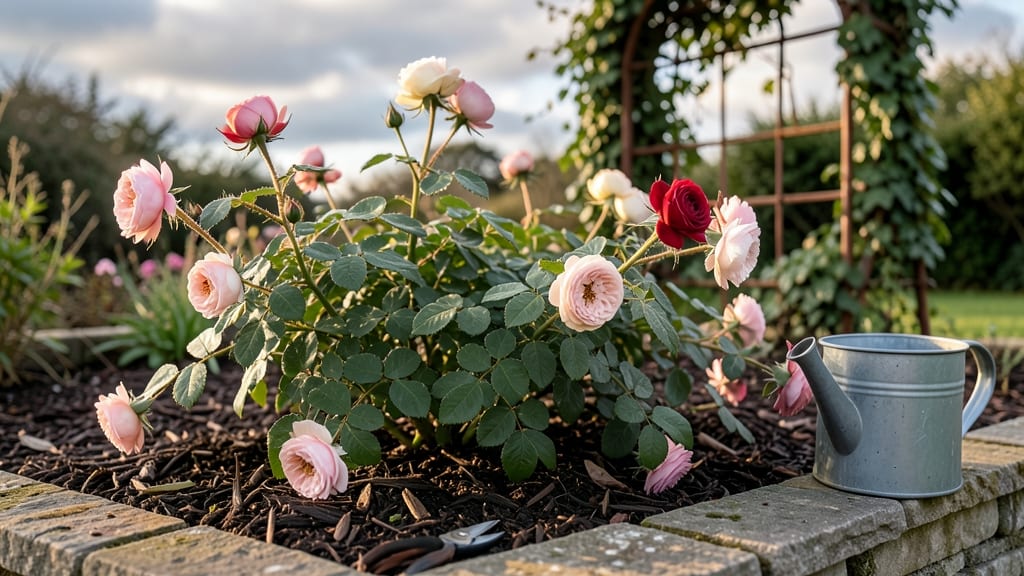
The English rose tree's delicate blooms arrive all season long—but only if you prune with purpose. 🌹 I’ve spent years perfecting the timing and technique for varieties like Rosa 'New Dawn' and Rosa 'Climbing Cecile Brunner', and the difference between a bush that blooms sporadically and one that bursts with color year-round comes down to two things: when you cut and how you shape it.
Most gardeners over-prune in spring, stripping away next year’s flowers before they even form. Instead, I focus on three strategic cuts: a light shaping in early spring, a mid-season trim to encourage dense growth, and a final cleanup in late fall.
The key is removing dead wood while leaving enough healthy stems to support continuous blooms. You’ll need sharp pruners, a pair of gloves, and about 30 minutes of focused time every season.
What you end up with is a rose tree that looks like a cloud of blooms from May through frost. The flowers stay vibrant, the branches fill out beautifully, and you avoid the leggy, sparse look that plagues so many neglected climbing roses.
The secret? Pruning at the right nodes—where the leaves meet the stem—to redirect energy into new growth, not just random shoots.
This method works for both new plantings and established roses, though younger trees need slightly gentler trims. We’ll cover everything from soil prep to winter protection, so you can keep your English rose thriving for decades. Let’s get those pruners ready!
📚 In This Guide
- What you need
- Instructions
- Tips and common mistakes
- Wrapping up and next steps
What you need
- ● Pruning shears – Bypass pruners (sharp, 5-7 inch blades) for clean cuts on stems up to ½ inch thick.
- ● Loppers – Bypass or anvil type (8-10 inch blades) for thicker branches (½ to 1½ inches).
- ● Pruning saw – For branches thicker than 1½ inches; bow or folding saw with fine teeth.
- ● Garden gloves – Heavy-duty, thorn-resistant (e.g., leather or reinforced fabric).
- ● Disinfectant – 70% isopropyl alcohol or rubbing alcohol to sterilize tools between cuts.
- ● Rag or paper towels – For wiping tools clean.
- ○ Pruning sealant – Optional but helpful for large cuts (e.g., Tree Seal or pruning wax).
- ● Sharpie or marker – For labeling branches if grafting or training.
- ● Tarp or drop cloth – To contain trimmings and debris.
- ● Compost bin or bag – For collecting organic prunings.
- ● Watering can or hose – To hydrate the tree post-pruning.
- ● A healthy English Rose Tree (2+ years old, disease-free).
- ● Knowledge of rose anatomy – Familiarize yourself with canes, buds, and growth patterns.
- ● Weather check – Prune on a dry, overcast day to reduce stress on the plant.
- ● Pruning schedule – Plan for 3-4 sessions/year (late winter, early spring, summer, and late fall).
Step-by-Step guide to pruning your English rose tree for year-round blooms
Here's how I keep my English roses flowering nonstop—just follow these seasonal trims.
✂️ Step 1: Late Winter Cleanup (Before Bud Swell)
Start in late February or early March, when buds are still tight but stems show green. Grab your sterilized bypass pruners and remove any dead, diseased, or crossing branches first. I cut at a 45-degree angle, about 1/4 inch above an outward-facing bud—this encourages new growth to spread outward.
Next, look for branches growing inward or rubbing against others. These compete for energy and often get damaged. Snip them back to the main stem, but never cut more than 1/3 of the plant's total growth in one season. You'll know you're doing it right when you see open centers with good airflow—this prevents fungal diseases like black spot.
✂️ Step 2: Summer Light Pruning (After Each Major Bloom)
English roses bloom repeatedly, so I prune every 6-8 weeks throughout summer. The key is to cut back just behind the last set of five leaves on each stem. This encourages new side shoots that will produce more flowers. I always use clean tools—wiping blades with rubbing alcohol between cuts prevents spreading diseases.
Watch for suckers (shoots growing from the base) and watershoots (thin, fast-growing stems with few leaves). These steal energy from flowering. Remove them completely at the base—don't leave stubs. You'll notice your plant looks fuller and bushier after each trim, with more blooms appearing along the sides rather than just at the tips.
✂️ Step 3: Fall Renewal Trim (After Final Bloom)
After the last flush of flowers in late September or early October, give your rose a light renewal trim. Cut back all stems to 18-24 inches tall, leaving 3-5 strong buds on each branch. This prevents winter damage from heavy snow and gives you fresh growth in spring. I always prune on a dry, sunny day—never when the plant is wet or the air is damp.
Remove any weak, spindly growth completely. These stems won't survive winter and will just compete with stronger branches. You'll see thicker, sturdier stems emerging in spring, ready to produce even more blooms. Collect all prunings and dispose of them in the trash—never compost rose debris, as it can harbor diseases.
✂️ Step 4: Winter Protection Adjustments (Late Fall)
Before the first hard frost, I do one final check for damaged or weak branches that need removal. Wrap the base of the plant with rose collars if your climate drops below 20°F. These protect the graft union from freezing. I also mound 6-8 inches of mulch around the base to insulate roots—this keeps the soil 10-15°F warmer during cold snaps.
Don't prune in winter unless you're in a mild climate. Cold weather stresses the plant, and fresh cuts won't heal properly. Instead, focus on protecting what you've pruned. You'll know your winter prep worked when spring growth appears vigorous and healthy, with no signs of frost damage on the stems.
Tips & tricks for perfect English rose tree pruning
Real talk: The difference between a rose bush that flowers sporadically and one that bursts with blooms year-round comes down to precision timing and technique.
Seasonal Timing is Everything: In Step 1, when you're doing your late winter cleanup, check the weather forecast for a dry, sunny day—this is ideal for pruning because it minimizes the risk of disease. I always schedule this step for late February or early March specifically because buds are tight but stems show green, which means new growth is about to begin. If you prune too early, you risk damaging dormant buds; if you wait too long, you'll cut off potential blooms.
Tool Maintenance Matters: Your sterilized bypass pruners are your most important tool, but they won't do the job if they're dull. Before you start Step 2's summer pruning every 6-8 weeks, sharpen your blades and wipe them with rubbing alcohol between cuts. I keep a small bottle of alcohol in my gardening toolkit specifically for this purpose. Dull blades crush stems instead of making clean cuts, which stresses the plant and invites disease. You'll notice the difference immediately—clean cuts heal faster and encourage healthier new growth.
Visual Cues for Perfect Cuts: When you're making those 45-degree cuts in Step 1 or trimming back to five leaves in Step 2, look for the outward-facing bud just below your cut. This bud should be facing the outside of the plant, not inward. Think of it like directing traffic—you want new growth to spread outward, not crowd the center. If you can't find a bud, cut just above a leaf node where new growth is likely to emerge. This simple visual cue makes all the difference in creating an open, airy plant structure that flowers abundantly.
Winter Protection Pro Tip: If your climate drops below 20°F (as mentioned in Step 4), don't just wrap your rose—create a mini insulation system. After wrapping with rose collars, mound that 6-8 inches of mulch around the base in a volcano shape, leaving the center open. This keeps the soil 10-15°F warmer during cold snaps while still allowing water drainage. I've seen roses survive winters that would otherwise kill them just by adding this extra layer of protection. It's like giving your plant a cozy winter coat and blanket combo.
Pro Tips for English Rose Tree
- Real talk: The difference between a rose bush that flowers sporadically and one that bursts with blooms year-round comes down to precision timing and technique.
- Seasonal Timing is Everything: In Step 1, when you're doing your late winter cleanup, check the weather forecast for a dry, sunny day—this is ideal for pruning because it minimizes the risk of disease.
- Tool Maintenance Matters: Your sterilized bypass pruners are your most important tool, but they won't do the job if they're dull.
Frequently asked questions
Got questions about keeping your English Rose Tree blooming year-round?
You’re not alone! Here are answers to the most common queries—from pruning puzzles to seasonal care—so you can cultivate that dreamy, repeat-flowering beauty with confidence.
When is the best time to prune an English Rose Tree for continuous blooms?
Prune your English Rose Tree twice a year for maximum blooms: late winter/early spring (just before new growth starts) and right after the first flush of flowers in late spring. This encourages repeat flowering by removing spent blooms and shaping the tree for airflow. Avoid heavy pruning in fall—it stresses the plant before winter dormancy.
Do English Rose Trees need special care in winter?
Yes! While they’re hardy, young trees or those in cold climates (Zone 5 and below) benefit from wrapping with burlap or frost cloth after the first hard freeze. Mulch the base with 3–4 inches of organic mulch (like straw) to insulate roots. Skip fertilizing in winter—wait until spring to feed.
Why isn’t my English Rose Tree blooming like it should?
Common culprits: over-pruning (cutting too late in the season), poor nutrition (lack of phosphorus/potassium), or shady spots. Check for dead or crossing branches—remove them to improve airflow. Feed with a rose-specific fertilizer in early spring and after each major bloom. If pests (like aphids) are present, treat with neem oil.
Can I grow an English Rose Tree in a container?
Choose a large pot (at least 15–20 gallons) with drainage holes and use a well-draining potting mix (add perlite or sand). Container-grown trees need more frequent watering (daily in summer) and annual repotting to refresh soil. Place in full sun (6+ hours/day) and prune aggressively to control size.
What’s the difference between pruning an English Rose Tree and a climbing rose?
English Rose Trees (like ‘Apache’ or ‘New Dawn’) are shrub roses—prune to open the center and shape like a tree, cutting back 1/3 of old wood in winter. Climbing roses need longer, flexible canes trained on supports; prune to encourage outward growth and remove weak, inward-growing stems. Both benefit from deadheading spent blooms!
Pro Tip:
Use sharp, sterilized shears (clean with rubbing alcohol) to make clean cuts at 45° angles just above an outward-facing bud. This prevents disease and promotes healthier regrowth. Label your cuts with a permanent marker if you’re unsure which branches to trim—it’s a lifesaver!
Wrapping up and next steps
Mastering the art of pruning your English Rose Tree unlocks a year-round spectacle of blooms—each trim a step toward a lush, thriving garden. 🌹 With the right tools, timing, and technique, you’re not just maintaining a plant; you’re sculpting a masterpiece.
The key? Patience and precision, paired with a dash of seasonal care.
Ready to transform your garden? Start small—pick one rose bush this season and apply what you’ve learned. Before you know it, your yard will be the talk of the neighborhood, and you’ll be the green-thumb hero behind it! 🌿