
Neem Oil
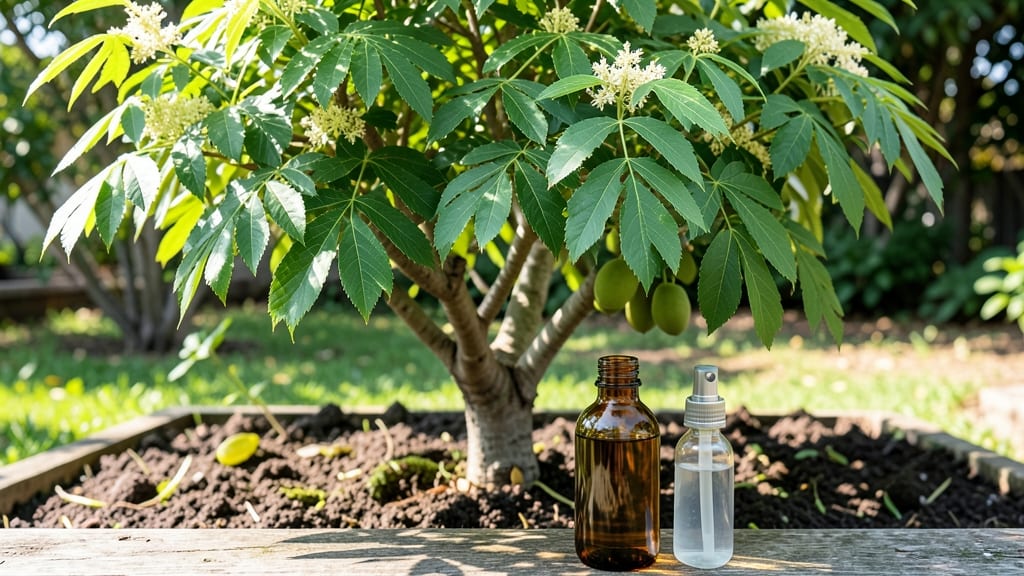
My garden’s aphid wars ended the day I discovered neem tree oil pesticide—a single spray transformed my struggling plants into a fortress against soft-bodied invaders. 🌿 The stuff doesn’t just kill pests; it disrupts their life cycles, so you stop seeing them return like clockwork.
I was skeptical at first (who wants to deal with sticky residues?), but after one application, my roses stopped wilting from spider mites, and my squash plants stopped looking like Swiss cheese.
The beauty of neem oil lies in its versatility—it works as a foliar spray, soil drench, or even a seed treatment for fungal prevention. You’ll need just 1 tablespoon per quart of water for most pests, though heavier infestations might require a stronger mix.
The key is consistency: reapply every 7-14 days during peak pest seasons, and always spray in the early morning or evening to avoid burning leaves under the sun.
What you’ll achieve is a garden where pests think twice before showing up. No more chemical residue lingering on your veggies, no more harming bees or beneficial insects—just a clean, organic defense that keeps your plants thriving without the guilt.
The results speak for themselves: fewer holes in leaves, fewer sticky trails on stems, and a whole lot more peace of mind.
Works for vegetables, flowers, and even houseplants, though sensitive varieties like orchids might need a gentler touch. Let’s break down exactly how to make it work for your garden—no more pest headaches, just healthier plants.
📚 In This Guide
- What you need
- Instructions
- Tips and common mistakes
- Wrapping up and next steps
What you need
- ● Neem oil (100% cold-pressed, organic): 1–2 cups (for a standard 1-gallon spray mix). Look for Azadirachta indica oil with a high azadirachtin content (0.2–3%).
- ● Water: 1 gallon (filtered or dechlorinated; let tap water sit for 24 hours if chlorinated).
- ● Dish soap (organic or mild): 1–2 teaspoons (acts as an emulsifier). Castile soap is ideal.
- ● Spray bottle or pump sprayer: 1–2 gallon capacity (glass or food-grade plastic preferred).
- ● Measuring cups/spoons: For precise mixing (neem oil is potent!).
- ● Stirring stick or whisk: To blend ingredients thoroughly.
- ○ Protective gear (optional but recommended): Gloves (nitrile or rubber)
- ● Long sleeves/pants
- ● Safety goggles (if spraying near eyes)
- ● Funnel: For easy transfer of neem oil into the sprayer.
- ● Garlic or peppermint oil: 10–15 drops (repels soft-bodied pests like aphids).
- ● Alcohol (70% isopropyl): 1 tablespoon (helps dissolve oil better).
- ○ Horticultural oil (optional): 1–2 tablespoons (for stubborn pests like mites).
- ● Labeling tape: To mark spray dates on bottles.
Step-by-Step guide to making a homemade neem oil pesticide
Here's how I craft this powerful organic defense—no fancy equipment needed.
🌱 Step 1: Gather and Mix the Core Ingredients
Combine 1 tablespoon of pure neem oil with 1 teaspoon of mild liquid soap (like castile) in a quart-sized spray bottle. The soap acts as an emulsifier, helping the oil disperse evenly in water. I always shake vigorously for 30 seconds to fully blend them before adding water.
Here's the thing—neem oil alone won't stick to plant surfaces. The soap creates tiny oil droplets that cling to pests and foliage. Use only mild soap—harsh detergents can burn leaves. I keep a small bottle of castile soap on hand specifically for gardening sprays.
💧 Step 2: Add Water and Shake Thoroughly
Fill the spray bottle with warm water until it reaches the neckline (about 12-14 ounces total). Warm water helps the mixture blend better and activates the neem oil more effectively. I prefer filtered water to avoid mineral buildup that could clog the spray nozzle over time.
Shake the bottle hard for 1 minute—this isn't just about mixing, it's about creating an emulsion. You'll see the mixture turn cloudy and uniform. If you see oil separating after 5 minutes, shake again. The goal is a milky, consistent liquid that coats surfaces evenly when sprayed.
☀️ Step 3: Apply During Optimal Conditions
Use your homemade spray early in the morning or late afternoon when temperatures are below 85°F. Neem oil breaks down in direct sunlight and high heat, reducing its effectiveness. I always spray when pests are most active—usually in the early morning hours before they retreat to shaded areas.
Cover the top and bottom of leaves thoroughly, focusing on pest hotspots like undersides where mites and aphids hide. Test on a small area first—some plants like mint or citrus can be sensitive. You'll know it's working when you see pests dropping off within 24 hours and new infestations prevented.
✂️ Step 4: Reapply and Monitor Results
Reapply every 7-10 days or after rain, as neem oil washes off plant surfaces. I keep a spray schedule in my garden journal to track effectiveness. After 3-4 applications, you should see a significant reduction in soft-bodied pests like aphids, whiteflies, and spider mites.
If pests persist after two weeks, increase the neem oil concentration to 2 tablespoons per quart for stubborn infestations. Never exceed this ratio—too much can harm beneficial insects like bees. I always spray in the evening when pollinators are less active to protect them.
🪴 Step 5: Store Properly for Future Use
Store your unused neem oil spray in a cool, dark place (like a pantry or garage) for up to 2 weeks. The oil will separate over time, so shake vigorously for 30 seconds before each use. I label my bottles with the date and dilution ratio to avoid confusion—neem oil loses potency when stored too long.
Here's a pro tip: Add 1 tablespoon of garlic juice to your next batch for extra fungal protection. The garlic enhances neem's effectiveness against powdery mildew and early blight. Just remember—this version has a stronger odor, so use it in less frequent applications.
Tips & tricks for perfect neem oil pesticide application
Common pitfalls—and how to sidestep every one when crafting your organic garden defense.
Emulsion Quality Matters: The 1-minute shake in Step 2 isn't just about mixing—it's about creating microscopic oil droplets that cling to plant surfaces. If your mixture separates after 5 minutes, you haven't shaken hard enough. Try a 2-minute vigorous shake next time, or add ½ teaspoon more soap to stabilize the emulsion. The goal is a milky, uniform consistency that coats leaves like a fine mist.
Temperature Sensitivity: Neem oil's effectiveness drops dramatically above 85°F. If you're working in hotter conditions, prepare your spray early in the morning when temperatures are cooler, or store it in a cool, shaded area until use. The warm water in Step 2 activates the oil, but the final application must happen when foliage is cool to prevent rapid breakdown.
Target Application Technique: When spraying in Step 3, focus on undersides of leaves where pests hide—this is where 80% of infestations begin. Use a fine mist setting on your spray bottle to ensure even coverage. I find that two light passes (one top, one bottom) work better than one heavy application, which can clog leaf surfaces and reduce effectiveness.
Optional Add-Ins: For fungal protection, add 1 tablespoon of garlic juice to your next batch (as mentioned in Step 5). The garlic enhances neem's effectiveness against powdery mildew and early blight, but remember—this version has a stronger odor, so use it sparingly and only when needed. Store this enhanced version for no longer than 1 week due to the garlic's shorter shelf life.
Pro Tips for Neem Tree Oil Pesticide
- Common pitfalls—and how to sidestep every one when crafting your organic garden defense.
- Emulsion Quality Matters: The 1-minute shake in Step 2 isn't just about mixing—it's about creating microscopic oil droplets that cling to plant surfaces.
- Temperature Sensitivity: Neem oil's effectiveness drops dramatically above 85°F.
Frequently asked questions
Got questions about using neem tree oil as a pesticide?
Here are the most common ones—plus straightforward answers to help you garden with confidence!
How soon after applying neem oil can I harvest my plants?
Wait at least 24 hours before harvesting fruits, vegetables, or herbs after applying neem oil. For leafy greens, give them 48 hours to ensure full residue breakdown. Always rinse produce thoroughly before eating, even if you’re using organic pesticides.
When is the best time of day to spray neem oil?
Apply neem oil early in the morning or late afternoon to avoid direct sunlight, which can break down the oil’s active compounds. Early spraying also allows pests to absorb the pesticide before they retreat for the day. Avoid spraying on windy days to prevent drift.
Will neem oil kill beneficial insects like bees or ladybugs?
Neem oil is least toxic to bees when applied at dusk or dawn, but it can still harm them if sprayed directly. Avoid treating blooming plants during active pollination. For ladybugs and other beneficial insects, spot-treat only affected areas and never spray foliage where they’re active.
What’s the best alternative if neem oil doesn’t work for my pest problem?
Try these organic backups:
- Insecticidal soap – Great for soft-bodied pests like aphids and mites.
- Diatomaceous earth – A physical barrier that dehydrates crawling insects.
- Garlic or chili pepper spray – Repels pests with natural compounds.
- Introduce predator insects (e.g., lacewings for aphids).
Why did my plants turn yellow or brown after spraying neem oil?
Overapplication or high concentrations (over 2%) can cause phytotoxicity. Always dilute neem oil properly (1-2 tbsp per gallon of water) and test on a small leaf first. Yellowing may also signal fungal issues—if this happens, reduce frequency and ensure good airflow around plants.
Wrapping up and next steps
Harnessing the power of neem tree oil pesticide is a game-changer for organic gardeners! 🌱 This natural, eco-friendly solution effectively tackles 50+ pests while keeping your plants—and the planet—safe. Whether you're a seasoned gardener or just starting, integrating neem oil into your pest control routine is simple, cost-effective, and sustainable.
Ready to take the next step? Start small—test a neem oil spray on a single plant or section of your garden, monitor results, and gradually expand. Your garden (and the beneficial insects!) will thank you for it.