
Trees
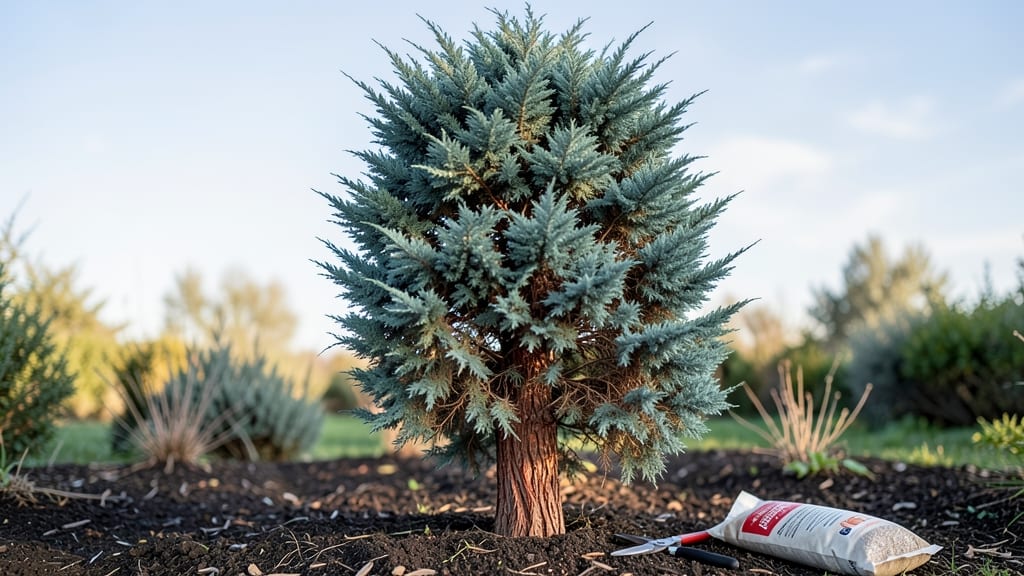
Planting a European cypress tree transforms any landscape into a Mediterranean retreat with its striking, columnar silhouette and silvery-blue foliage. 🌿 I’ve grown these in my own yard for over a decade, and they’ve become the backbone of my drought-tolerant garden—surviving through scorching summers with barely a sip of water.
The key lies in mimicking their native conditions: well-draining soil, full sun exposure, and minimal fuss once established.
This evergreen thrives in USDA Zones 7-10, making it ideal for coastal regions, desert landscapes, or even urban courtyards where space is limited. Unlike many trees, it demands little from you beyond occasional pruning to maintain its signature shape and a light watering schedule once mature.
For beginners, the real advantage is its resilience—few pests, no fussy soil amendments, and a growth rate that’s steady but not overwhelming.
By the end of the first year, you’ll see a 6- to 12-foot-tall sentinel standing tall, its branches reaching upward like a natural obelisk. The scent of crushed needles adds a piney freshness to the air, and its evergreen presence ensures year-round structure, even when other plants sleep through winter.
The best part? It ages gracefully, its bark developing rich, textured ridges that add character with time.
Whether you’re lining a driveway, anchoring a garden bed, or adding vertical interest to a small space, this tree delivers low-maintenance elegance. The instructions ahead will cover everything from site selection to long-term care—so you can enjoy its beauty without the upkeep headaches. Let’s get started with the essentials.
📚 In This Guide
- What you need
- Instructions
- Tips and common mistakes
- Wrapping up and next steps
What you need
- ● European Cypress Tree: 1–3 saplings (3–6 ft tall, container-grown for best results) or
- ● Seeds (if starting from scratch—germination can take 30+ days!)
- ● Well-draining soil: Mix 60% native soil, 30% coarse sand or perlite, and 10% compost (avoid clay-heavy soils!).
- ● Organic mulch: 2–3 inches of pine straw, wood chips, or gravel (keeps roots cool and conserves moisture).
- ● Slow-release fertilizer: 10-10-10 NPK ratio (apply at planting and again in early spring).
- ● Watering can or hose: With a fine-mist nozzle for gentle hydration.
- ● Garden trowel or shovel (for digging holes 2x wider than the root ball).
- ● Pruning shears (sterilized with rubbing alcohol) for shaping or trimming.
- ● Measuring tape (to ensure proper spacing: 6–10 ft apart for mature trees).
- ○ Drip irrigation system (optional but recommended) for drought-prone areas.
- ○ Stakes & soft ties (optional) if planting in windy locations.
- ● 🌡️ Best planting time: Early spring or fall (avoid extreme heat or frost).
- ● ✨ Sunlight: Full sun (6+ hours daily)—cypress trees thrive in heat!
- ● 💧 Watering: Deep water 2–3x/week for the first month, then taper to 1x/week (drought-tolerant but establish roots first!).
Step-by-step guide to planting and maintaining a European cypress tree
Here's how to establish this elegant evergreen with minimal fuss—perfect for dry climates.
🌱 Step 1: Select and Prepare the Planting Site
European cypress thrives in full sun with at least 6 hours of direct light daily. Choose a spot with well-draining soil—this tree despises soggy roots. If your soil is heavy clay, amend it with 2-3 inches of coarse sand or gravel mixed into the top 12 inches of soil before planting.
Dig a hole twice as wide as the root ball but only as deep as the container's base. The tree's crown should sit 1-2 inches above ground level once planted. Loosen the sides of the hole with a shovel to encourage root spread. I always tap the hole gently after digging to settle the soil—this prevents sinking later.
🪴 Step 2: Plant the Tree Properly for Longevity
Remove the cypress from its container and gently tease apart any circling roots with your fingers. Place the tree in the hole so the top of the root ball aligns with your marked ground level. Backfill with the native soil (no amendments now—this can burn roots), tamping lightly every 4 inches to eliminate air pockets.
Create a 4-inch-wide watering basin around the base by mounding soil slightly higher than the surrounding grade. This ensures water pools where it's needed. Water deeply until moisture seeps 6 inches down—you'll know it's enough when water runs out the bottom of the hole. Mulch with 2-3 inches of shredded bark, keeping it 6 inches away from the trunk to prevent rot.
☀️ Step 3: Establish Watering and Light Routines
Water twice weekly for the first month, then taper to once weekly after that. The tree's deep taproot means it won't need frequent watering once established, but young plants benefit from consistent moisture. Check soil moisture by pushing a finger 2 inches deep—if it's dry, water again.
European cypress is drought-tolerant once mature, but young trees need protection from intense afternoon sun. If planting in a hot climate, provide light shade (30-50%) for the first 2 weeks, then gradually acclimate to full sun. You'll see new growth along the branch tips within 4-6 weeks—that's your sign it's thriving.
✂️ Step 4: Prune for Shape and Health
Prune only in late winter or early spring before new growth begins. Remove dead, diseased, or crossing branches first using clean, sharp pruners. For shaping, trim back no more than 25% of the tree's height in a single season—over-pruning stresses the tree and invites pests.
Focus cuts just above a leaf node (the point where leaves attach) to encourage bushier growth. Avoid cutting into old wood—new growth emerges from the current season's growth. After pruning, apply a balanced 10-10-10 fertilizer around the base (not touching the trunk) to support recovery.
Tips & tricks for perfect European cypress tree planting
These essential insights will help you transform your European cypress from a delicate nursery specimen into a thriving landscape centerpiece.
Soil Preparation Secret: Before planting, test your soil's drainage by digging a hole and filling it with water. If it doesn't drain within 2 hours, you absolutely need to amend with that 2-3 inches of coarse sand or gravel in the top 12 inches of soil. I've seen too many cypress trees fail because of poor drainage—this step is non-negotiable for long-term health. The tree's root system needs oxygen as much as water.
Root Ball Handling Technique: When removing your cypress from its container, run your fingers around the root ball to gently separate any circling roots. These roots can strangle the tree if left intact. Place the tree in the hole so the crown sits 1-2 inches above ground level—this prevents water from pooling around the trunk. After backfilling, tap the soil gently every 4 inches to eliminate air pockets that could cause root rot.
Watering System Strategy: That 4-inch-wide watering basin isn't just for looks—it's the key to efficient hydration. After watering until moisture seeps 6 inches down, let the basin fill with water for 15-20 minutes. This slow release mimics natural rainfall patterns and prevents shallow root development. In hot climates, water in the early morning to reduce evaporation loss.
Sunlight Transition Hack: For the first 2 weeks in hot climates, use lightweight shade cloth (30-50% coverage) rather than permanent structures. This allows some light to reach the tree while protecting it from intense afternoon sun. Gradually reduce the shade by moving the cloth higher each week until the tree is fully acclimated to 6 hours of direct light daily. You'll notice new growth along branch tips within 4-6 weeks—that's your confirmation the transition worked.
Pro Tips for European Cypress Tree
- These essential insights will help you transform your European cypress from a delicate nursery specimen into a thrivi...
- Soil Preparation Secret: Before planting, test your soil's drainage by digging a hole and filling it with water. If i...
- Root Ball Handling Technique: When removing your cypress from its container, run your fingers around the root ball to...
Frequently asked questions
Got questions about the majestic European Cypress Tree? You’re not alone! Here are some of the most common queries—plus straightforward answers to help you grow and maintain this stunning drought-resistant evergreen with confidence.
How fast does a European Cypress Tree grow?
A European Cypress Tree grows at a moderate rate, typically adding 12–24 inches per year under ideal conditions. In optimal soil (well-draining, slightly alkaline) and full sun, you might see faster growth. Patience is key—these trees take 10–20 years to reach full maturity (50–70 feet tall). Pro tip: Prune young trees to encourage bushier growth!
Can I plant a European Cypress Tree in a pot?
Yes, but with limitations. While young cypress trees can thrive in large containers (15+ gallons), they’re not long-term pot plants—they need deep roots. For container growth, choose dwarf varieties (like ‘Tiny Tower’) and ensure the pot has drainage holes. Repot every 2–3 years and use a fast-draining mix (like cactus soil). Warning: Mature trees will outgrow pots quickly!
What pests or diseases should I watch for?
European Cypress Trees are resistant but can fall prey to:
- Cypress Aphids: Sticky residue on needles (treat with insecticidal soap).
- Bagworms: Look for brown bags on branches (prune and dispose of infested areas).
- Fungal Issues (like Seiridium canker): Avoid overwatering; ensure good airflow.
Prevention tip: Inspect trees monthly during growing seasons (spring/fall). A healthy tree is your best defense!
Does a European Cypress Tree need full sun?
These trees thrive in full sun (6+ hours daily) and tolerate partial shade, but growth may slow, and color intensity fades. For best results:
- Plant in south-facing locations (ideal for Mediterranean climates).
- Avoid deep shade (e.g., under dense canopies).
- In hot climates, afternoon shade can prevent needle scorch.
Fun fact: Their silvery-blue hue brightens in direct sunlight!
What’s a good alternative if I want a similar-looking tree?
If you love the European Cypress’s upright shape and drought tolerance, consider:
Tree
Key Similarities
Differences
Italian Cypress (Cupressus sempervirens)
Narrow, columnar form; evergreen; drought-resistant.
Faster growth; prefers warmer climates (USDA Zones 7–10).
Arizona Cypress (Cupressus arizonica)
Tolerates heat and poor soil; similar needle texture.
More spreading habit; better for arid regions.
Thuja (Arborvitae)
Evergreen; low-maintenance; cold-hardy.
Wider, flatter shape; less drought-tolerant.
Need a smaller option? Try ‘Glaucus’ or ‘Swane’s Dwarf’ cypress varieties!
Wrapping up and next steps
The European cypress tree is a stunning, low-maintenance evergreen that brings year-round elegance and drought resistance to any landscape. Whether you're a seasoned gardener or just starting out, its adaptability and striking presence make it a must-have for beauty and sustainability. 🌿
Ready to transform your outdoor space? Start by choosing the perfect spot—sunny, well-drained soil is key—and plant your cypress with confidence. Watch as it thrives, adding timeless charm to your garden for decades to come!