
Pruning
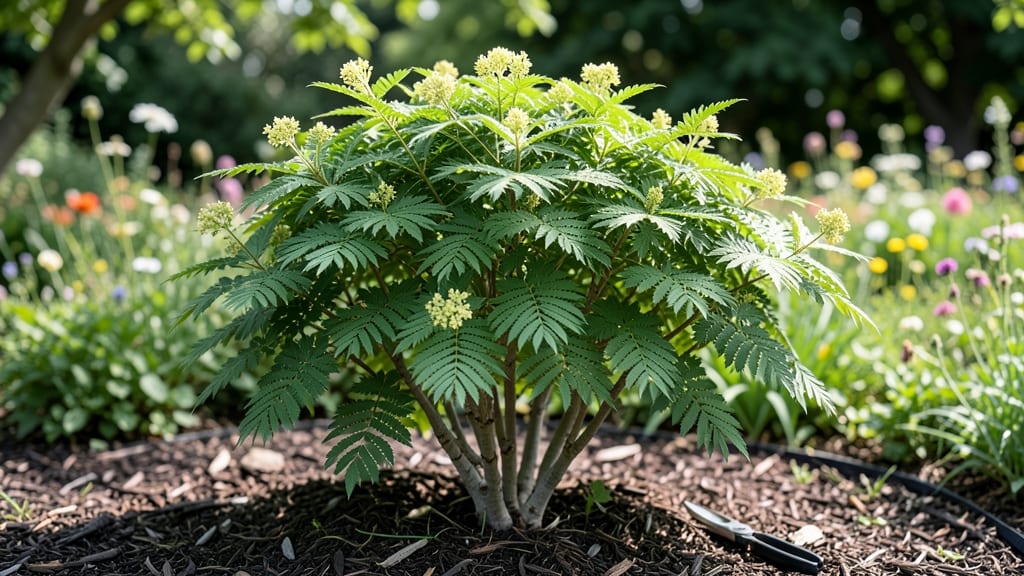
The fern leaf buckthorn tree thrives when you prune it right—year-round care transforms it from a scraggly shrub into a dense, fragrant evergreen that hums with life. 🌿 I learned the hard way that skipping winter pruning leaves it vulnerable to leggy growth, while over-pruning in summer stunts its natural beauty.
The secret lies in strategic cuts that encourage fullness without stressing the plant.
This adaptable tree handles partial shade to full sun and tolerates most soil types, though it truly shines in well-draining, slightly acidic conditions. A 3-foot-tall specimen can reach 10 feet with proper pruning, making it perfect for hedges, privacy screens, or as a striking focal point.
Its feathery foliage and subtle fragrance make it a standout even when not in bloom.
You’ll end up with a lush, fragrant plant that stays compact and healthy all year. The right pruning schedule—light cuts in early spring, shaping in summer, and cleanup in winter—keeps it looking polished while preventing disease. Plus, its berries attract wildlife, turning your yard into a mini ecosystem.
Works beautifully in urban landscapes, cottage gardens, or as a natural border. Whether you’re trimming for shape or encouraging bushier growth, this method keeps your buckthorn thriving with minimal effort. Ready to give it the care it deserves?
📚 In This Guide
- What you need
- Instructions
- Tips and common mistakes
- Wrapping up and next steps
What you need
- ● Pruning shears: Bypass pruners (sharp, 6-8" blades) for clean cuts on small branches.
- ● Loppers: 1 pair (8-12" handles) for thicker branches (up to 2" diameter).
- ● Pruning saw: 1 hand saw (for branches >2" thick).
- ● Gloves: Heavy-duty leather gloves (to protect against thorns and sap).
- ● Disinfectant: 70% isopropyl alcohol or pruning sealant (to prevent disease spread).
- ● Rubbing alcohol or bleach: 1:9 dilution (for sterilizing tools between cuts).
- ○ Pruning paint/sealant: (Optional) For sealing large cuts (>½" diameter).
- ● Bucket or bag: 1 gallon-sized (for collecting debris).
- ● Ladder or step stool: (If tree exceeds 6' tall).
- ● Weather check: Prune on a dry, calm day (avoid rain for 24 hours before/after).
- ● Safety glasses: 1 pair (to shield eyes from debris).
- ● Long sleeves/pants: (To protect against thorns and sap irritation).
- ● Tree health assessment: Inspect for pests/diseases (e.g., powdery mildew) before pruning.
- ○ Marking tools: (Optional) Colored tape or flags (to tag branches for removal).
Step-by-Step pruning guide for a thriving fern leaf buckthorn
This is how I keep my fern leaf buckthorn lush, fragrant, and full all year—no guesswork involved.
✂️ Step 1: Early Spring Cleanup (Late February to Early March)
Start by removing all dead, diseased, or crossing branches with clean, sharp pruners. I always cut just above a healthy bud or outward-facing branch to encourage outward growth. Look for branches that rub against each other—they’ll create wounds that invite pests. You’ll know you’ve done this right when the canopy opens up and light reaches the center.
Next, trim back any overgrown growth from the previous year by about one-third of its length. This prevents the tree from becoming top-heavy and encourages new, bushier growth. If your tree is young (under 5 years), skip heavy pruning and just remove dead wood. Wait until after the last frost when new growth is about to begin—you’ll see tiny green buds forming along the branches.
☀️ Step 2: Summer Maintenance (June to August)
During the growing season, I do light pruning to maintain shape and encourage dense foliage. Pinch back new growth by one-third when it reaches 6-8 inches long. This triggers branching and prevents leggy growth. You’ll notice the tree filling out more quickly after this—it’s like giving it a little haircut to keep it tidy.
Remove any suckers or water sprouts that appear at the base or along the trunk. These compete with the main structure for nutrients and weaken the tree. Use your pruners to cut them off at the base. If you see any branches growing inward, trim them back immediately—they’ll block sunlight from reaching the center and reduce fragrance.
✂️ Step 3: Late Summer to Early Fall Renewal (September to October)
This is the time to shape the tree for winter. I focus on thinning out the interior to improve airflow and reduce disease risk. Remove one or two older branches per year to keep the tree healthy and prevent overcrowding. Cut just outside the branch collar—the swollen area where the branch meets the trunk—to avoid damaging the tree.
Look for branches that are growing too close together and select the weaker of the two to remove. You’ll see a noticeable difference in the tree’s structure after this step—it’ll look more balanced and open. Avoid heavy pruning now, as new growth won’t have time to harden off before winter. Just tidy up and prepare for dormancy.
⏰ Step 4: Winter Pruning (December to February)
Winter is the best time to remove any remaining dead or weak branches that might have been missed earlier. The tree is dormant, so it won’t bleed sap or stress from pruning. Cut back any branches that were damaged by frost or storms. You’ll know you’re doing this correctly when the tree looks cleaner and more structured—like a well-groomed shrub.
If your tree has become too large, you can also do some structural pruning to reduce its size. Never remove more than 25% of the tree’s foliage in one season, though. The goal is to maintain its shape and health. After pruning, clean your tools with rubbing alcohol to prevent the spread of disease to next year’s growth.
Tips & tricks for perfect fern leaf buckthorn pruning
Here's what nobody tells you about keeping your fern leaf buckthorn thriving year-round—these little details make all the difference.
Tool Prep Matters: Before you start pruning in Step 1, sharpen your pruners and sterilize them with rubbing alcohol. Dull blades tear instead of cut, damaging the tree. I also keep a small spray bottle of water handy to wipe down blades between cuts—this prevents sap buildup that can spread disease. The cleaner your tools, the healthier your tree will stay throughout all four seasons.
Seasonal Timing Secret: In Step 2, when pinching back new growth at 6-8 inches, time it right—do this just as the buds begin to swell but before they burst open. I've learned this the hard way: if you wait too long, you'll be cutting off potential blooms. Watch for those tiny green buds forming along the branches; that's your cue to act. This timing ensures you're shaping the tree without sacrificing next year's fragrance.
Branch Selection Strategy: When removing one or two older branches in Step 3, focus on those growing inward or crossing others. Look for branches that are thinner than your thumb—these are usually weaker and better candidates for removal. I always choose the branch that's growing at a sharper angle to the trunk, as these tend to be structurally weaker. This creates instant improvement in airflow and light penetration through the canopy.
Winter Pruning Wisdom: During Step 4's winter cleanup, don't be tempted to remove more than 25% of foliage—this is your tree's safety net. I've seen people over-prune in winter and end up with sparse growth the following spring. Instead, focus on removing only the dead, damaged, or crossing branches. The goal is to maintain the tree's natural shape while giving it a fresh start for spring growth.
Pro Tips for Fern Leaf Buckthorn Tree
- Here's what nobody tells you about keeping your fern leaf buckthorn thriving year-round—these little details make all the difference.
- Tool Prep Matters: Before you start pruning in Step 1, sharpen your pruners and sterilize them with rubbing alcohol.
- Seasonal Timing Secret: In Step 2, when pinching back new growth at 6-8 inches, time it right—do this just as the buds begin to swell but before they burst open.
Frequently asked questions
Got questions about pruning your fern leaf buckthorn tree? You’re not alone! Here are answers to the most common queries—whether you're a newbie or a seasoned gardener looking for a refresher.
When is the best time to prune a fern leaf buckthorn?
The ideal time is late winter or early spring (before new growth starts) for shaping and maintenance. Light pruning can also happen in summer to encourage denser foliage, but avoid heavy cuts then. Never prune in fall—it can stimulate tender growth that won’t survive winter.
How much can I prune without harming the tree?
You can safely remove up to 25-30% of the tree’s branches in a single session, but avoid over-pruning. Focus on dead, diseased, or crossing branches first, then thin out crowded areas. Fern leaf buckthorn is resilient but thrives with moderate pruning—think "less is more" for long-term health.
What if my tree isn’t responding well after pruning?
If you see yellowing leaves, sparse growth, or dieback, you may have pruned too aggressively. Wait until next year for major cuts and focus on watering deeply and fertilizing lightly (use a balanced 10-10-10 mix). Over-pruned trees often bounce back in 1-2 seasons with proper care.
Can I prune a fern leaf buckthorn into a hedge or topiary?
This tree responds beautifully to formal shaping. Use hand pruners for detail work and hedge shears for broad cuts. Prune weekly in spring/summer to maintain shape, and lightly in fall to prep for winter. Just avoid shearing too close to the stems—leave a little growth for resilience.
Are there alternatives to pruning for denser growth?
If pruning feels overwhelming, try selective thinning—remove only the innermost branches to let light penetrate. You can also fertilize in early spring (use a slow-release granular) to encourage bushier growth. Mulching with organic matter (like wood chips) helps retain moisture and supports root health, too!
Wrapping up and next steps
The fern leaf buckthorn tree is a rewarding addition to any landscape, offering year-round beauty with its glossy foliage and fragrant blooms. By mastering the art of seasonal pruning, you’ll encourage dense growth, vibrant color, and long-lasting health—making your garden a standout spot.
Whether you’re a pruning pro or just starting, consistent care pays off in lush, fragrant results!
🌿 Ready to transform your tree? Grab your tools, follow the steps you’ve learned, and watch your fern leaf buckthorn thrive. Happy pruning! 🌱