
Pruning
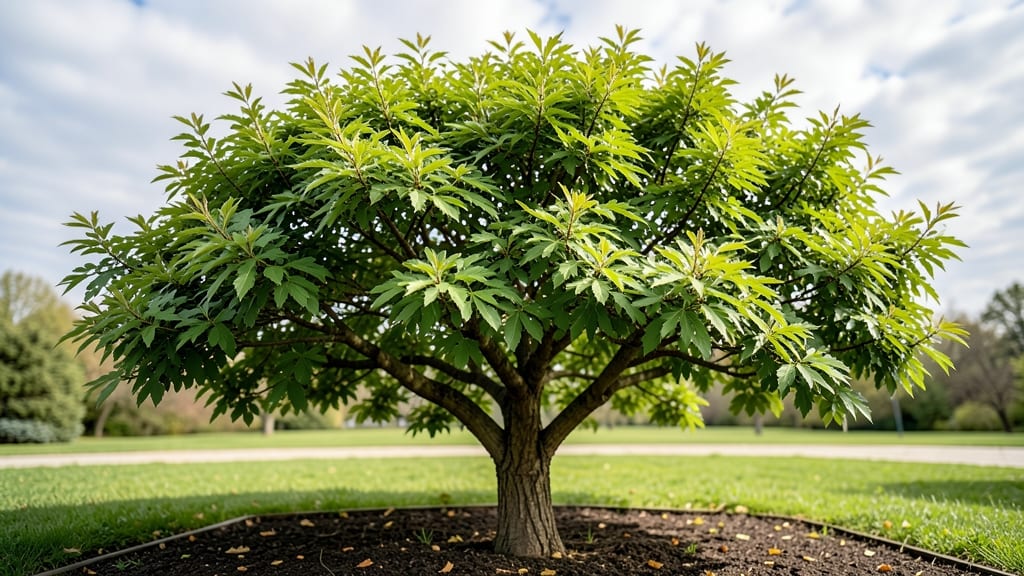
Summer pruning your sakura tree isn’t about heavy cuts—it’s about light trims that keep its structure strong for next spring’s showstopping blooms. I’ve watched my own cherry blossom tree go from leggy and stressed to vibrant and full just by making the right cuts in July.
The key is timing and technique, not aggressive pruning.
Most people avoid summer pruning because they fear it’ll hurt the tree, but sakuras actually handle light shaping better in warm weather than in winter. You’ll focus on removing water sprouts, thinning crowded branches, and shaping the canopy to let sunlight reach the center.
Just avoid cutting back more than 25% of any branch—this keeps the tree’s energy balanced for fall and winter.
What you’ll end up with is a tree that looks neater now and blooms more spectacularly next spring. The foliage stays lush, the branches stay balanced, and you avoid the shock that can happen with winter pruning. Plus, you’ll spot potential problems early—like disease or pest damage—before they spread.
This works for both young trees and mature specimens, though older trees need gentler touches. If your sakura is already struggling with summer stress, we’ll talk about how to revive it while you prune. Let’s get those branches looking intentional!
📚 In This Guide
- What you need
- Instructions
- Tips and common mistakes
- Wrapping up and next steps
What you need
- ○ Pruning shears: Bypass pruners (sharp, clean, and sterilized—think 6-8" blades for precision). Optional: Loppers (for thicker branches, 10-12" reach).
- ● Hand pruners: Anvil-style (for smaller cuts, 4-5" blades). Sterilize with rubbing alcohol before/after use!
- ● Disposable gloves: Nitrile or leather (to protect from thorns/sap). Pro tip: Bring a spare pair—sap sticks!
- ● Pruning sealant: Tree wound dressing (like Tanglefoot Tree Wound Pruning Seal) for cuts > ½ inch thick.
- ● Ladder: Lightweight aluminum (extendable, 12-16 ft) or a sturdy stool for dwarf sakuras.
- ● Bucket or tarp: 5-gallon (for clippings—compost them!).
- ● Spray bottle: Water + mild soap (to clean tools mid-session).
- ● Weather check: Clear, calm day (avoid humidity—fungal risks!). Ideal temps: 60–85°F.
- ● Safety gear: Sunglasses (UV protection) and closed-toe shoes (no flip-flops!).
- ● Tree health: Confirm your sakura is not stressed (wilting, pests, or disease = wait until next season).
- ● Map your tree: Sketch a rough branch layout (use your phone!) to spot dead/weak growth.
- ● Extension pole: 10-12 ft (for high branches—no ladder needed!).
- ● Disinfectant wipes: Clorox or Lysol (for quick tool cleaning).
- ● Camera: Snap before/after shots—your future self will thank you!
How to prune sakura trees for healthier summer growth
Summer is the perfect time to shape your sakura tree without harming next year's stunning blossoms.
Assess the Tree for Pruning Needs
Start by examining your sakura tree in bright daylight. Look for dead, diseased, or crossing branches—these are your priorities. Dead branches appear gray or brown and snap easily when bent, while diseased ones may have discolored leaves or oozing sap. Crossing branches rub against each other, creating wounds that invite pests and disease.
Next, identify any branches growing inward or downward. These compete for sunlight and nutrients, weakening the tree's overall structure. Use your hands to gently feel the bark—smooth, firm branches are healthy, while rough or spongy ones may signal decay. I always prune these first to improve airflow and light penetration.
Gather the Right Tools and Prepare the Work Area
Sharp, clean tools are non-negotiable for sakura pruning. Grab your pruning shears for smaller branches and a pruning saw for thicker stems over ½ inch in diameter. Disinfect the blades with rubbing alcohol or a 10% bleach solution to prevent spreading disease between cuts. A small broom and trash bag will help clear debris afterward.
Work on a dry day when temperatures are between 60°F and 85°F—extreme heat or cold stresses the tree. Lay down a tarp or drop cloth beneath the tree to catch fallen branches and leaves. I like to prune in the early morning when the air is cooler and the tree is fully hydrated.
Make Clean Cuts at the Right Angles
For branches under ½ inch thick, use your pruning shears to cut just outside the branch collar—the swollen area where the branch meets the trunk. Make a 45-degree angle about ¼ inch above an outward-facing bud. This angle helps rainwater runoff and prevents moisture from pooling on the wound.
For thicker branches, use your pruning saw to cut in three steps: First, make an undercut on the underside of the branch to control its fall. Then, cut from the top at a 45-degree angle, finishing just outside the branch collar. Avoid leaving stubs—these are entry points for rot and pests. Wipe the blade between cuts to keep it clean.
Shape the Tree for Balance and Airflow
Step back and visualize the tree’s natural shape. Sakura trees thrive with an open, vase-like structure that allows sunlight to reach the inner branches. Remove any branches that grow directly upward or downward—they create weak points and block light. Aim to reduce the canopy by no more than 20% to avoid shocking the tree.
Focus on thinning out dense areas rather than cutting back to a specific length. This encourages new growth and maintains the tree’s natural form. If you’re unsure, compare one side of the tree to the other—symmetry isn’t required, but balance is. You’ll notice healthier foliage and fewer pests after a proper thinning.
Clean Up and Monitor the Tree’s Recovery
Remove all pruned branches and debris from the area to prevent disease and pests from taking hold. Dispose of diseased branches immediately—don’t compost them. Water the tree deeply after pruning to help it recover, especially if you’ve removed a significant amount of foliage. Mulch around the base with 2-3 inches of organic mulch to retain moisture and regulate soil temperature.
Keep an eye on the tree over the next few weeks. New growth should appear within 2-4 weeks, signaling the tree is healing well. If you see yellowing leaves or oozing sap at the pruning sites, the cuts may have been too severe or the tools weren’t clean. In that case, prune again lightly to correct the issue.
Tips & tricks for perfect sakura tree pruning
Summer pruning transforms your sakura tree without sacrificing next year's blossoms—here's how to do it right.
Tool Prep: I can't stress enough how important it is to disinfect your tools between cuts, especially when dealing with diseased branches. Use rubbing alcohol or a 10% bleach solution to wipe down blades after each cut. This prevents spreading pathogens to healthy parts of the tree. I also like to keep a small spray bottle of diluted bleach solution nearby for quick cleanups between branches.
Branch Angle Secrets: That 45-degree angle isn't just for looks—it's crucial for proper healing. When making your cut, visualize the angle as a slice of pie where the wide part meets the branch collar. This shape directs water away from the wound, reducing the risk of rot. For thicker branches, I find it helps to mark the cut line with a piece of chalk before making the undercut to keep my angles consistent.
Pruning Timing: The ideal 60°F to 85°F temperature range mentioned isn't just about comfort—it's about the tree's physiology. At these temperatures, the tree is actively photosynthesizing but not under heat stress. Early morning pruning gives you cooler conditions and allows any sap to dry quickly. If you must prune in hotter weather, work in the shade and water the tree thoroughly afterward to help it recover.
Recovery Check: Those 2-4 weeks for new growth are your window to spot problems early. Look for fresh, vibrant green leaves emerging from the buds—this is a good sign. If you notice yellowing leaves or weeping sap at the pruning sites after this period, it's a clear indication the cuts were too severe or your tools weren't clean enough. In that case, make a second round of lighter cuts to correct the issue.
Pro Tips for Sakura Tree In Summer
- Summer pruning transforms your sakura tree without sacrificing next year's blossoms—here's how to do it right.
- Tool Prep: I can't stress enough how important it is to disinfect your tools between cuts, especially when dealing with diseased branches.
- Branch Angle Secrets: That 45-degree angle isn't just for looks—it's crucial for proper healing.
Frequently asked questions
Got questions about keeping your sakura tree thriving in summer with light pruning? Here are some common ones—and their answers—to help you maintain that stunning bloom season year after year.
Can I prune my sakura tree in summer without harming it?
Yes, but light trimming is key! Summer pruning is ideal for shaping and removing dead branches, but avoid heavy cuts—this can stress the tree and reduce next year’s sakura blossoms. Focus on selective trims (no more than 25% of the canopy) to keep it healthy.
When is the best time in summer to prune?
Early to mid-summer (June–July) is perfect for sakura trees. This timing allows the tree to recover before fall, ensuring strong growth for next spring’s blooms. Avoid pruning after late July, as new growth may not harden off before winter.
What should I avoid when pruning my sakura in summer?
Avoid these pruning mistakes:
- Over-pruning: Never remove more than 25% of the foliage.
- Cutting too close: Leave a small branch collar (the swollen area where branches meet the trunk).
- Pruning during drought: Wait until the tree is well-watered to reduce stress.
Will summer pruning affect next year’s sakura blossoms?
Not if done correctly! Light summer pruning promotes stronger branches and better bloom production. However, heavy cuts can weaken the tree, leading to fewer flowers. Stick to shaping and deadwood removal for the best results.
What if my sakura tree isn’t blooming well after pruning?
Check these common culprits:
- Too much pruning (stick to selective trims).
- Poor soil or nutrient deficiencies (fertilize in early spring).
- Disease or pests (inspect leaves for signs).
If issues persist, consult a local arborist—they can diagnose specific problems.
Wrapping up and next steps
Summer pruning might seem counterintuitive, but with the right approach, your sakura tree in summer can thrive and reward you with stunning blooms for years to come! 🌸 By focusing on light trims, removing dead branches, and encouraging airflow, you’re setting the stage for a healthier, more vibrant tree.
Remember, patience and precision are key—small adjustments now lead to big rewards later.
Ready to take action? Grab your tools, schedule a sunny afternoon, and give your sakura the care it deserves. Your future blooms will thank you!