
Trees
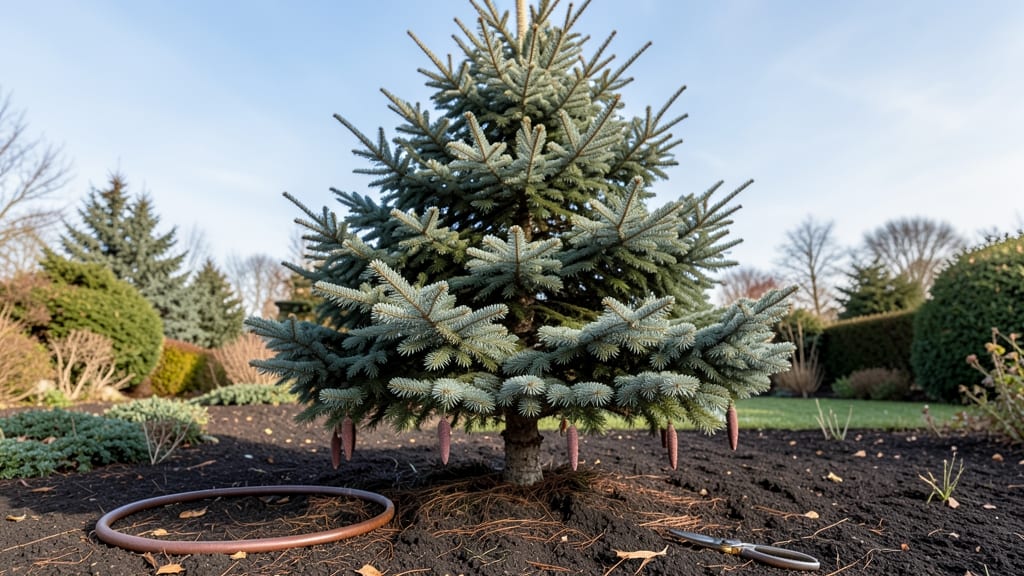
Fir evergreen trees bring that fresh, pine-scented holiday magic to your yard all year long—without demanding constant attention. 🌲 I planted my first one after realizing how little these trees need compared to fussy flowering shrubs.
Just give them the right spot, and they’ll reward you with lush, dark-green needles that stay vibrant even in winter.
The secret to happy firs lies in well-draining soil and morning sun with afternoon shade—they hate soggy roots or scorching afternoon heat. Most varieties thrive in zones 3-7, meaning they’re perfect for cold climates where other evergreens struggle.
Water deeply once a week after planting, then let nature take over; these trees store moisture better than you’d expect.
By spring, you’ll notice new growth at the tips of branches, and by winter, your yard will smell like a Christmas morning without the work. Prune only to shape (never to "thin out"), and you’ll have a tree that looks effortless but feels like a masterpiece.
The best part? They resist pests and diseases better than many other evergreens.
Whether you’re planting a 6-foot Fraser fir for privacy or a towering Douglas fir as a statement piece, the care routine stays the same. Start with the right location, and you’ll enjoy decades of low-maintenance beauty—no fertilizers, no fuss, just reliable greenery year after year.
📚 In This Guide
- What you need
- Instructions
- Tips and common mistakes
- Wrapping up and next steps
What you need
- ● Fir Evergreen Trees: 1–3 mature trees (species like Abies concolor or Picea pungens; choose based on your climate zone and space)
- ○ Optional: Smaller nursery-grown saplings (3–5 ft tall) for easier handling
- ● Planting Hole: 2–3 times wider than the root ball
- ● Depth equal to the root ball’s height (or slightly deeper for drainage)
- ● High-Quality Soil: 50% native soil + 50% organic matter (compost, peat moss, or aged bark)
- ○ Optional: Slow-release fertilizer (10-10-10 or balanced NPK) for nutrient boost
- ● Mulch: 3–4 inches of wood chips, pine straw, or shredded bark (keep 6 inches away from the trunk)
- ● Shovel or Spade: Heavy-duty for digging (24–30 inches wide)
- ● Garden Gloves: Durable, water-resistant pair
- ● Wheelbarrow or Bucket: For mixing soil/fertilizer (5+ gallon capacity)
- ● Watering Can or Hose: With adjustable nozzle for gentle watering
- ● Measuring Tape: For spacing (especially if planting multiple trees)
- ○ Pruners (Optional): Bypass pruners for shaping or removing dead branches
- ○ Stakes & Ties (Optional): For young trees in windy areas
- ● Location: Full sun to partial shade (6+ hours of sunlight daily for most firs)
- ● Soil Test (Recommended): Check pH (ideal: 5.0–7.0) and drainage
- ● Weather Check: Plant in fall or early spring (avoid extreme heat or frost)
- ● Neighbor Approval (If Applicable): Verify local HOA/zoning rules for tree height/spacing
Step-by-Step guide to planting and maintaining healthy fir evergreen trees
Here's how to establish firs that thrive with just basic seasonal attention.
🌱 Step 1: Select and Prepare the Planting Site
Fir trees prefer partial shade to full shade in hotter climates, but younger trees need morning sun for strong growth. Test your site by observing how much direct sunlight it receives between 10 AM and 2 PM—this is the critical window for firs. Choose a location with well-draining soil and space for mature height (some firs reach 40-60 feet tall).
If your soil is heavy clay, amend it with 2-3 inches of compost mixed into the top 12 inches of soil. Fir roots are shallow but extensive, so avoid compacting the soil when planting. Dig a hole twice as wide as the root ball but only as deep—planting too deep suffocates roots and causes stress. Water the hole thoroughly before placing the tree inside.
🪴 Step 2: Plant with Proper Spacing and Support
Place the fir tree in the hole so the top of the root ball sits 1-2 inches above ground level—this prevents waterlogging during heavy rains. Gently spread the roots outward and fill the hole with native soil, pressing lightly to eliminate air pockets. Water immediately after planting to settle the soil around roots, using 5 gallons of water to ensure full saturation.
For young firs (under 10 feet tall), install a stake system using two 4-foot wooden stakes placed 12 inches from the trunk on opposite sides. Secure the tree with soft tree ties (not wire) to prevent trunk damage. Space multiple firs 10-15 feet apart to allow airflow and reduce disease risk. Mulch with 3 inches of wood chips in a 3-foot diameter circle around the base, keeping mulch 6 inches away from the trunk to prevent rot.
☀️ Step 3: Water and Monitor Through the First Year
Water deeply once a week during the first growing season, delivering 10-15 gallons per tree each time. Check moisture by inserting your finger 3 inches into the soil—water when it feels dry. Overwatering causes root rot, so avoid soggy conditions. In containers, water when the top 2 inches of soil feel dry to the touch, as potted firs dry out faster.
Firs show stress through needle browning (especially on branch tips) or yellowing new growth. These signs mean either underwatering or too much direct sun. Prune only to remove dead branches in late winter—never "thin" firs for shape, as their natural form is part of their beauty. Fertilize lightly in early spring with a balanced 10-10-10 formula at half-strength to encourage root development.
✂️ Step 4: Annual Maintenance for Long-Term Health
Every spring, inspect firs for spider mites (tiny webs between needles) or bagworms (sack-like cocoons on branches). Treat mites with neem oil spray applied in early morning to avoid harming pollinators. For bagworms, handpick cocoons and drop them in soapy water. Prune only to remove dead or diseased branches—never shear for shape, as firs grow best when left natural.
In late fall, apply a 2-inch layer of mulch around the base (renewing annually) to protect roots from freezing temperatures. Mature firs need less water once established, but drought stress shows as drooping branches or needle drop. If this happens, water deeply every 2-3 weeks until recovery. Fir trees are low-maintenance once planted, but these seasonal checks keep them thriving for decades.
Tips & tricks for perfect fir evergreen trees
Even the most low-maintenance evergreens need these key strategies to thrive for decades.
Site Selection Wisdom: The morning sun requirement in Step 1 is non-negotiable for young firs—this critical 10 AM to 2 PM window provides just enough light without scorching. If your yard only gets afternoon sun, plant on the north side of structures where indirect light filters through. For container firs, rotate pots weekly to ensure even exposure on all sides.
Planting Depth Secret: That 1-2 inch elevation above ground level in Step 2 prevents waterlogging that suffocates roots. Use a level to check—if your yard slopes, create a shallow berm to maintain proper drainage. A simple trick: press a 2-inch deep hole around the root ball perimeter to catch excess water during heavy rains.
Watering Technique: The once-weekly 10-15 gallon rule in Step 3 works best with deep watering—aim the hose at the base for 30 minutes to ensure thorough saturation. For containers, use a moisture meter (they're inexpensive) to verify when the top 2 inches are truly dry. Overwatering is the #1 killer of firs, so always check soil moisture before adding more water.
Pest Prevention Strategy: Early morning neem oil application in Step 4 is most effective because it allows the spray to dry before afternoon heat evaporates it. Mix 1 tablespoon neem oil with 1 quart water and ½ teaspoon mild dish soap—this homemade spray works just as well as commercial products. For bagworms, time your handpicking in late summer when cocoons are easiest to spot.
Pro Tips for Fir Evergreen Trees
- Even the most low-maintenance evergreens need these key strategies to thrive for decades.
- Site Selection Wisdom: The morning sun requirement in Step 1 is non-negotiable for young firs—this critical 10 AM to 2 PM window provides just enough light without scorching.
- Planting Depth Secret: That 1-2 inch elevation above ground level in Step 2 prevents waterlogging that suffocates roots.
Frequently asked questions
Got questions about fir evergreen trees? You’re not alone! Here are some of the most common inquiries—plus straightforward answers to help you care for your firs like a pro.
What’s the best time of year to plant a fir evergreen tree?
Plant firs in early spring or fall when temperatures are mild and soil is workable. Avoid extreme heat or frost, as these can stress young roots. Spring planting gives trees a full growing season to establish, while fall allows them to settle before winter dormancy.
How often should I water a fir evergreen tree?
Newly planted firs need deep watering 1-2 times per week (or more in drought). Once established, water every 1-2 weeks, focusing on the root zone. Mulch helps retain moisture—just keep it 3-4 inches away from the trunk to prevent rot.
Why are the needles on my fir turning brown?
Brown needles often signal drought stress, pests (like spider mites), or disease. Check the soil moisture first—fir trees hate soggy roots too! If pests are the culprit, use neem oil or insecticidal soap. For fungal issues, prune affected branches and improve airflow.
Can fir trees grow in containers, or do they need to be planted in the ground?
While firs prefer ground planting, dwarf varieties (like Fir ‘Little Gem’) thrive in large containers (10+ gallons) with drainage holes. Repot every 2–3 years, and use a well-draining potting mix. Containers dry out faster, so monitor moisture closely!
Do fir trees need winter care, or are they low-maintenance?
Firs are hardy but benefit from winter prep. Wrap young trees in burlap to shield from windburn, and avoid heavy snow buildup on branches. Mulch the base (3–4 inches) to insulate roots. Most firs handle cold well, but dehydration from dry winter air can stress them—water occasionally if snow is absent.
Wrapping up and next steps
Fir evergreen trees are the perfect low-maintenance way to add year-round greenery and charm to your landscape—whether you’re a seasoned gardener or just starting out! 🌲 Their resilience, stunning beauty, and minimal care requirements make them a winner for any outdoor space.
Now that you’re armed with the right knowledge, why not take the next step? Visit your local nursery, pick out a fir tree that fits your vision, and start enjoying its lush foliage for years to come.
Ready to transform your yard? Plant a fir today and let nature do the rest! 🌿