
Pruning
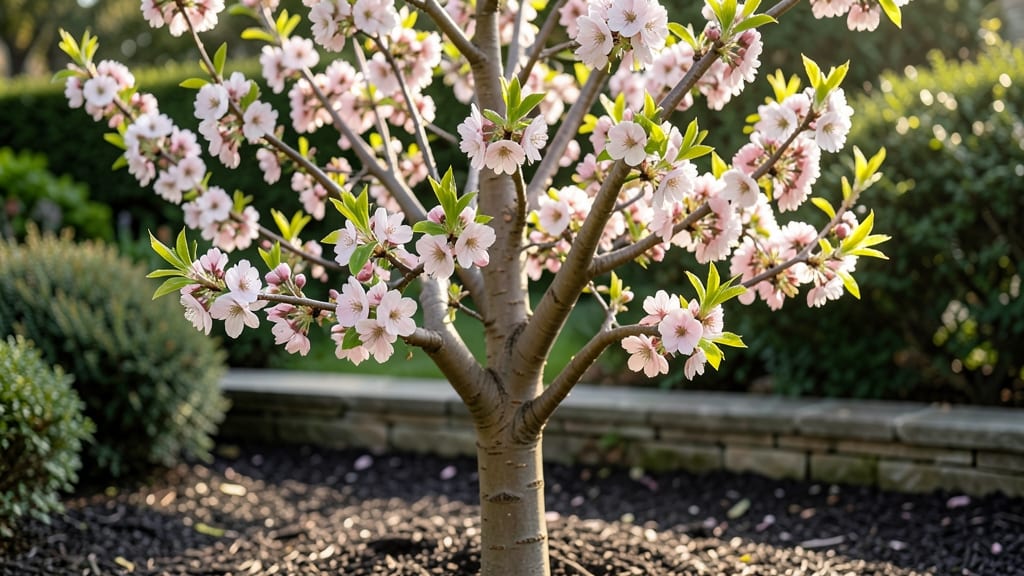
Pruning a flowering peach tree in spring isn’t just about shaping—it’s about unlocking a dramatic bloom explosion that turns your yard into a fragrant cloud of pink and white. ✨ I learned this the hard way after my first tree produced half the flowers it should have, all because I pruned too late.
The secret lies in timing, cuts, and knowing which branches to keep (and which to sacrifice for the greater floral good).
You’ll need just three tools: sharp pruning shears, a saw for thicker branches, and a bottle of rubbing alcohol to sterilize cuts between trims. The process takes about 30-45 minutes for a mature tree, and the payoff?
Branches heavy with blossoms by late spring, followed by that coveted peach harvest later. Even if you’ve never pruned before, this method is foolproof for flowering peach trees.
After pruning, your tree will reward you with vibrant green foliage and hundreds of blooms that perfume the air for weeks. The key is opening up the center to sunlight while maintaining a balanced shape—no more tangled branches blocking light from reaching the core.
By summer, you’ll have a tree that’s both stunning and productive, with fewer pests and diseases creeping in thanks to better airflow.
This technique works for all flowering peach varieties, whether you’re growing in containers or full sun gardens. Just remember: prune before buds swell, and always cut at a 45-degree angle just above an outward-facing bud. Your neighbors will be asking for your secrets by June.
📚 In This Guide
- What you need
- Instructions
- Tips and common mistakes
- Wrapping up and next steps
What you need
- ● Pruning shears: Bypass pruners (sharp, 6–8" blades) for small branches.
- ● Loppers: 1 pair (8–10" blades) for medium branches (½"–2" thick).
- ● Pruning saw: 1 (for thick branches >2" in diameter).
- ● Disinfectant: 70% isopropyl alcohol or 10% bleach solution (1 part bleach to 9 parts water) to sterilize tools between cuts.
- ● Gloves: Heavy-duty work gloves (cut-resistant preferred).
- ○ Pruning sealant: Optional but helpful for larger wounds (>½" diameter).
- ● Trash bags: 2–3 heavy-duty bags for debris.
- ● Ladder or step stool: If your tree is over 6 feet tall.
- ● Marking spray: Paint or tape to mark branches for removal.
- ● Extension pole: For high branches (attach pruners/loppers).
- ● Hand saw: For stubborn, thick branches.
- ● Pruning rope: To support heavy branches temporarily.
- ● Notebook & pen: To sketch your tree’s structure before/after.
Step-by-step guide to pruning your flowering peach tree for maximum spring blooms
Here’s my battle-tested approach to pruning flowering peach trees—focused on shaping for health and heavy blooms.
🌿 Step 1: Time Your Prune for Peak Bloom Potential
Start pruning in late winter to early spring, just as buds begin to swell but before new growth emerges. This timing ensures you remove last year’s dead wood while preserving the tree’s energy for next season’s flowers. If you prune too early, you risk encouraging early growth that frost can damage.
Look for fat, plump buds—these are your signal to begin. Avoid pruning after buds burst, as you’ll cut off potential blooms. I always schedule my pruning for a mild, dry day to minimize stress on the tree and prevent disease entry through fresh cuts.
✂️ Step 2: Remove Dead, Diseased, or Crossing Branches First
Start by eliminating dead wood—branches that are brown, brittle, or show no signs of life when scratched. Next, remove any branches with visible signs of disease (black spots, oozing sap, or fungal growth). These branches won’t recover and can spread problems to healthy wood.
Cut back any branches that cross or rub against each other—these create wounds that invite pests and disease. Use clean, sharp pruners to make 45-degree cuts just outside the branch collar (the swollen area where the branch meets the trunk). This promotes faster healing and stronger regrowth.
☀️ Step 3: Thin the Canopy for Better Airflow and Light Penetration
Flowering peach trees need open, airy canopies to prevent fungal diseases and encourage robust blooms. Remove up to 25% of the tree’s total branches, focusing on those growing inward or upward. Prioritize branches that are thinner than a pencil—these won’t contribute much to the tree’s structure or bloom load.
Step back frequently to visualize the tree’s shape. Aim for a balanced, vase-like form with a strong central leader (main upright trunk). If you’re unsure, remove branches that block light from reaching the center—this is where next year’s flower buds are forming.
🌱 Step 4: Prune for Flowering Potential by Targeting Old Wood
Flowering peach trees produce blooms on one-year-old wood, so avoid cutting back into older branches unless they’re dead or diseased. Instead, focus on lightly thinning the outer canopy to redirect the tree’s energy toward new growth and flower production.
If your tree has overly dense clusters of flower buds, selectively remove some to prevent overloading the branches. Too many blooms can weaken the tree, leading to smaller fruit (or flowers) and increased susceptibility to storm damage. Aim to leave well-spaced clusters along the branches.
💧 Step 5: Clean Up and Protect Your Tree Post-Pruning
After pruning, sterilize your tools with rubbing alcohol to prevent spreading disease. Collect and dispose of all pruned branches—never leave them on the ground, as they can harbor pests and fungi that will reinfect the tree.
Apply a layer of mulch around the base (but not touching the trunk) to retain moisture and regulate soil temperature. Water deeply to help the tree recover, and avoid heavy fertilization immediately after pruning—this can encourage excessive leaf growth at the expense of flower bud development.
Tips & tricks for perfect flowering peach tree pruning
Real talk: Pruning a flowering peach tree isn't just about cutting branches—it's about strategic shaping that directly impacts next year's bloom load. Here are the pro moves that'll transform your tree into a blooming powerhouse.
Timing is Everything: The late winter to early spring window is non-negotiable for flowering peach trees. This period ensures you're removing last year's dead wood while preserving the tree's energy reserves for new bloom development. I've seen trees pruned too early sprout tender new growth that gets fried by late frosts—trust me, you don't want to watch that happen. The key visual cue is those fat, plump buds starting to swell; that's your green light to begin. If you wait until buds burst, you're essentially snipping off potential flowers before they even open.
The 45-Degree Cut Technique: When making your cuts in Step 2, that 45-degree angle just outside the branch collar isn't arbitrary—it's horticultural science. This cut style promotes faster healing by allowing the tree to seal the wound more effectively. I've made the mistake of cutting flush with the trunk, and those wounds take forever to close properly. For branches thicker than a pencil, make sure your pruners are sharp enough to cut cleanly without tearing the bark. A dull blade can cause more damage than the cut itself.
Canopy Visualization Hack: Step back frequently during Step 3 and imagine sunlight filtering through your tree's branches. You're not just thinning—you're creating an open framework that allows light to reach all parts of the canopy. The goal is that vase-like shape where the central leader dominates and lower branches naturally thin out. I've found that removing branches thinner than a pencil saves time without sacrificing structure. These thin branches rarely contribute to the tree's framework or bloom production anyway.
Post-Pruning Recovery Strategy: That sterilization step in Step 5 isn't just about clean tools—it's disease prevention. I've seen entire orchards lose trees to fungal infections spread through contaminated pruners. After cutting, wipe your tools with rubbing alcohol between each branch. The mulch application is equally critical; it's not just about moisture retention—it's about maintaining consistent soil temperatures that help the tree recover. I've noticed trees with proper mulching bounce back with more vigorous new growth compared to those without.
Pro Tips for Flowering Peach Tree
- Real talk: Pruning a flowering peach tree isn't just about cutting branches—it's about strategic shaping that directly impacts next year's bloom load.
- Timing is Everything: The late winter to early spring window is non-negotiable for flowering peach trees.
- The 45-Degree Cut Technique: When making your cuts in Step 2, that 45-degree angle just outside the branch collar isn't arbitrary—it's horticultural science.
Frequently asked questions
Got questions about pruning your flowering peach tree for stunning blooms? You’re not alone! Here are some of the most common queries—and expert answers—to help you trim with confidence.
When is the best time to prune a flowering peach tree?
The ideal window is late winter to early spring (just before buds swell but before blooms appear). This timing balances bloom health and tree vitality. Avoid pruning in fall—it can stimulate new growth that won’t harden off before winter. Pro tip: Never prune after flowering if you want next year’s blooms!
Can I prune a flowering peach tree in winter?
Yes, but only in mild climates (USDA Zones 7–9) when the tree is dormant (Dec–Feb). In colder zones, wait until late winter to avoid frost damage. If you must prune in winter, do it on a dry, above-freezing day and seal cuts with pruning sealant to prevent disease.
How much can I trim without hurting the tree?
Aim to remove no more than 25–30% of the canopy in one season. For flowering peaches, focus on:
- Dead, crossing, or inward-growing branches ()
- Suckers at the base ()
- Overly dense areas to improve airflow ()
Why are my peach tree’s leaves yellowing after pruning?
Yellowing leaves can signal over-pruning, nutrient deficiency, or pest stress. Check for:
- Too many cuts (reduce next year!)
- Underwatering (peach trees need 1–2 inches/week)
- Peach tree borers or aphids (inspect stems!)
Will pruning reduce next year’s flowers?
Not if done correctly! Pruning encourages more blooms by:
- Opening the canopy to sunlight ()
- Removing weak growth that steals energy
- Shaping the tree for better airflow ()
Wrapping up and next steps
Growing a stunning flowering peach tree is all about balance—pruning to encourage vibrant blooms while keeping your tree healthy and strong. 🌸 By following these spring trimming secrets, you’ll create the perfect structure for heavy, show-stopping flowers year after year.
Remember, patience and precision are key, so don’t rush the process!
Ready to transform your tree into a blooming masterpiece? Grab your pruners and start trimming! For extra confidence, consider watching a few step-by-step videos or joining a local gardening group to share tips with fellow enthusiasts. Happy pruning!