
Pruning
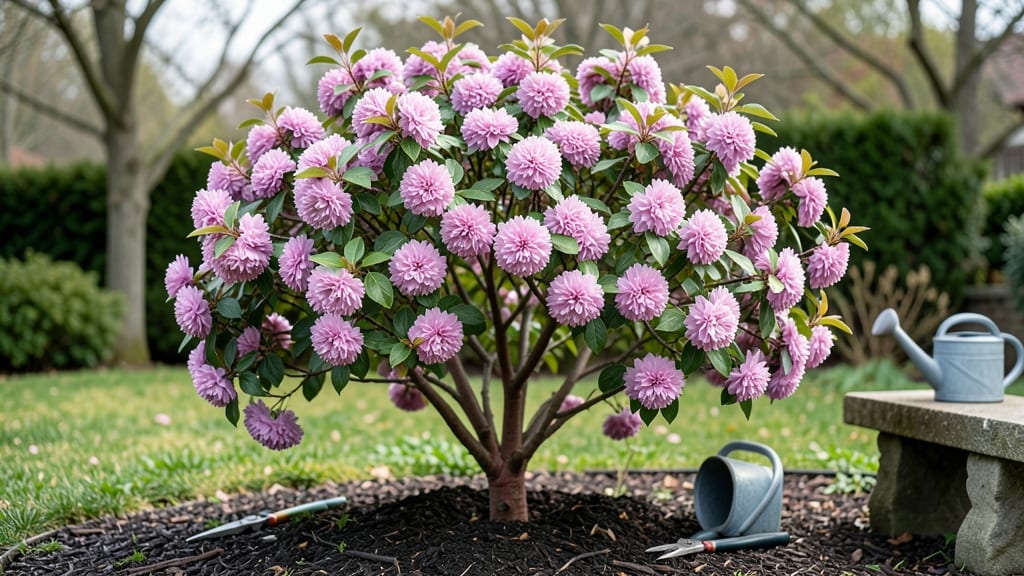
That fruitless flowering plum tree transforms your winter landscape into a fragrant pink cloud before spring even arrives. 🌸 I planted mine five years ago, and every dormant season, it bursts into bloom like clockwork—no messy fruit, just pure color and scent.
The secret lies in understanding its needs, especially during those critical winter months when most trees are sleeping.
You’ll need a sunny spot with well-draining soil and a pruning plan that keeps the tree’s shape open and airy. The fruitless varieties like Atropurpurea are prized for their heavy blooms and low maintenance—no fruit means no cleanup, just endless petals.
The key to maximizing those blooms? Pruning in late winter while the tree is still dormant, before new growth starts.
By spring, you’ll have a canopy of fragrant blossoms that attracts pollinators and fills the air with sweet perfume. The tree’s deep purple foliage adds year-round interest, and with proper care, it can live for decades.
The best part? No fruit to feed to wildlife or clean up—just pure ornamental beauty.
Perfect for small yards, urban gardens, or as a striking focal point. Whether you’re a beginner or a seasoned gardener, this tree delivers effortless elegance with minimal fuss. Let’s get yours thriving!
📚 In This Guide
- What you need
- Instructions
- Tips and common mistakes
- Wrapping up and next steps
What you need
- ● Pruning shears: Bypass pruners (sharp, 10-12 inch blades) for clean cuts on small branches.
- ● Loppers: 18-24 inch loppers for thicker branches (½–1.5 inch diameter).
- ● Pruning saw: Curved-tooth saw for branches 2+ inches thick.
- ● Disinfectant: 70% isopropyl alcohol or bleach solution (1 part bleach:9 parts water) to sterilize tools between cuts.
- ● Gloves: Heavy-duty gardening gloves (nitrile-coated for grip and protection).
- ○ Pruning sealant: Optional but helpful for sealing large cuts (1–2 inch diameter) to prevent disease.
- ● Weather check: Prune on a dry, calm day (avoid frost or extreme cold).
- ● Safety gear: Safety glasses and long sleeves (for protection against thorns or debris).
- ● Cleanup supplies: Heavy-duty trash bags or a wheelbarrow for debris.
- ○ Sketch or plan: Optional but recommended—sketch your tree’s shape beforehand or research pruning diagrams.
- ● Extension pole for hard-to-reach branches.
- ● Ladder (if your tree is 10+ feet tall).
- ● Sharpie marker to label cuts for future reference.
- ● Rake or broom to clear fallen petals/debris post-pruning.
Step-by-step guide to winterizing your fruitless flowering plum tree for maximum spring bloom
Here’s how to prepare your tree for dormancy—so it bursts into fragrant blossoms next spring.
⏰ Step 1: Deep Water Before Frost Sets In
Give your fruitless flowering plum a thorough soak 10-14 days before the first hard frost. This ensures the roots stay hydrated through winter, supporting strong bud development. Water deeply until the soil 4-6 inches down feels evenly moist—think of it like filling a sponge completely. Avoid shallow watering, which only wets the top layer and leaves roots vulnerable to winter stress.
I like to use a soaker hose for this because it delivers water slowly and evenly without disturbing the soil. If your tree is in a container, move it to a sheltered spot (like against a south-facing wall) to protect it from freezing winds. Mulch with 2-3 inches of shredded bark after watering to insulate roots and retain moisture.
🪴 Step 2: Prune for Structure and Airflow
Prune your plum tree in late winter or early spring (just before buds swell), but you can do a light shaping now to reduce stress. Focus on removing dead, crossing, or weak branches first—these compete with healthy growth and can harbor pests. I always start at the top and work my way down, cutting just outside the branch collar to avoid damaging the tree’s natural healing point.
Thin out crowded branches to improve airflow, which prevents fungal diseases like powdery mildew. Aim for an open, vase-like shape that lets sunlight reach the center. Avoid heavy pruning now—wait until late winter when the tree is fully dormant. If you must prune now, limit cuts to no more than 25% of the canopy to avoid shocking the tree.
☀️ Step 3: Protect Against Late Winter Thaw/Freeze Cycles
Fruitless flowering plums are hardy, but rapid temperature swings in late winter can damage buds. If your region experiences late frosts after buds begin to swell, cover the tree with frost cloth when temperatures drop below 25°F. Secure the cloth loosely—tight fabric can trap heat and cause more harm than good. Remove it during the day if temperatures rise above freezing to prevent overheating.
For container-grown trees, wrap the pot in bubble wrap or insulating foam and move it to a protected location (like a garage or under an eave). If you’re in a high-wind area, stake the tree loosely to prevent branches from snapping under ice or snow. A little extra protection now means a more spectacular bloom come spring.
🌱 Step 4: Fertilize for Next Season’s Growth
Apply a balanced, slow-release fertilizer (like 10-10-10) in early spring, but you can do a light feeding now to give the tree a head start. Sprinkle ½ cup of fertilizer around the drip line (the edge of the tree’s canopy) and water it in deeply. This ensures nutrients are available as roots resume growth in early spring.
I avoid high-nitrogen fertilizers in late fall or winter—they encourage soft, tender growth that’s more susceptible to frost damage. Instead, focus on phosphorus and potassium to strengthen root systems and flower buds. If your soil is poor, consider a mycorrhizal fungus treatment to boost root health naturally.
💧 Step 5: Monitor for Winter Stress Signs
Check your tree once a month during dormancy for signs of stress—like split bark, oozing sap, or wilting branches. These are red flags for frost damage or pest infestations. If you spot bark cracks, seal them with pruning sealant to prevent disease entry. For container trees, ensure the pot isn’t waterlogged—excess moisture in cold soil can suffocate roots.
If your tree is in a high-traffic area, wrap the trunk with tree guard to protect it from lawnmower or string trimmer damage. A little preventative care now means your plum will reward you with a canopy of fragrant blossoms next spring. Trust the process—your tree is already doing the hard work underground.
Tips & tricks for winterizing your fruitless flowering plum tree
Confession: I skipped the deep watering step for years and wondered why my plum never bloomed like the neighbors'. Here's what nobody tells you—
Timing is Everything: The 10-14 day window before hard frost is critical for root hydration. Use your local weather forecast to schedule this—don't guess! I set calendar reminders for this exact timing because missing it means roots won't have enough moisture reserves for winter. For container trees, water even more thoroughly since pots dry out faster than ground soil. The goal is to saturate that 4-6 inch depth completely.
Pruning Precision: When doing that light shaping now, pay special attention to branches growing toward the center of the tree. These compete for sunlight and create perfect conditions for fungal growth. I use sharp pruning shears and make clean cuts just outside the branch collar—this prevents unsightly stubs that can trap moisture. Remember, you're only allowed to remove up to 25% of the canopy now, so be judicious with each cut.
Frost Protection Hacks: That 25°F threshold is your warning sign for frost cloth coverage. I keep a roll of frost cloth handy and test it on a small branch first to ensure it's breathable enough. For container trees, I double-wrap the pot in bubble wrap and place it against a south-facing wall where it gets reflected sunlight during the day. This little extra insulation can make all the difference when temperatures hover around freezing.
Fertilizer Strategy: The ½ cup of balanced fertilizer is your insurance policy for next spring's bloom. I always mix it with water first to create a slurry before sprinkling around the drip line—this helps distribute nutrients evenly. For trees in poor soil, I add mycorrhizal fungus to the fertilizer mix. Think of it like giving your tree a probiotic boost for its roots during dormancy.
Pro Tips for Fruitless Flowering Plum Tree
- Confession: I skipped the deep watering step for years and wondered why my plum never bloomed like the neighbors'.
- Timing is Everything: The 10-14 day window before hard frost is critical for root hydration.
- Pruning Precision: When doing that light shaping now, pay special attention to branches growing toward the center of the tree.
Frequently asked questions
Got questions about maximizing your fruitless flowering plum tree's beauty? You’re not alone! Here are answers to the most common queries—from timing tricks to troubleshooting tips—to keep your tree thriving and blooming like a dream.
When is the best time to prune a fruitless flowering plum tree for heavy blooms?
The golden window is late winter to early spring (just before buds swell but before they break). This timing ensures you remove dead wood while preserving next year’s flower buds. Avoid pruning after blooms fade—you’ll cut off energy for future flowers!
Why isn’t my fruitless flowering plum tree blooming as much as it should?
Common culprits include over-pruning (too many cuts = fewer flowers), poor sunlight (6+ hours of sun is a must), or nutrient deficiencies (add balanced fertilizer in early spring). Also, check for pests like scale or spider mites—they sap energy!
Can a fruitless flowering plum tree survive harsh winters?
Most varieties are hardy to USDA Zones 5-9, but young trees or extreme cold (<10°F) may need protection. Wrap the trunk with burlap or use tree guards to shield from windburn. Mulch the base with 2-3 inches of organic matter (like wood chips) for insulation.
What’s the difference between a fruitless and fruiting flowering plum tree?
Fruitless
varieties (like ‘Sekiguchi’) skip the messy fruit stage, focusing all energy on showy, fragrant blooms. Fruiting plums (e.g., ‘Santa Rosa’) produce edible fruit but require more upkeep and may drop messy fruit. Choose fruitless for low-maintenance beauty!
How do I prune for a fuller, denser canopy instead of a sparse one?
Use the “open-center” technique: Cut back 1/3 of the oldest branches each year to encourage new growth. Thin out crossing or rubbing branches and shape the tree to direct airflow. Avoid “lion’s tailing” (over-trimming top branches)—this weakens the tree.
Do fruitless flowering plum trees attract bees or other pests?
They’re bee magnets during bloom (a bonus for pollinators!), but pests like aphids or Japanese beetles may visit. Spray with neem oil or insecticidal soap if needed. Avoid chemical pesticides—they can harm bees and reduce fragrance.
Wrapping up and next steps
Growing a fruitless flowering plum tree with a stunning, fragrant canopy is entirely within your reach—just follow the dormant-season pruning blueprint we’ve shared! By mastering the right cuts, timing, and tools, you’ll unlock heavy blooms and a thriving tree year after year. 🌸✂️
Ready to transform your garden? Start by marking your calendar for late winter or early spring—when your tree is still dormant—and grab those pruners! With patience and practice, your plum tree will reward you with a breathtaking spring spectacle. Happy pruning!