
Pruning
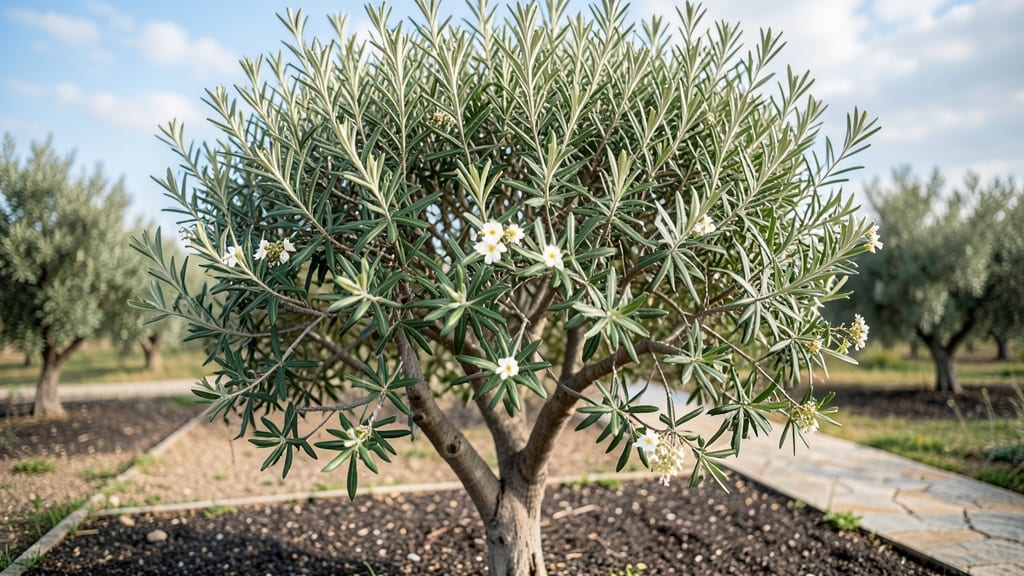
Your full-grown tea olive tree could be the fragrant centerpiece of your garden—if you prune it right. 🌿 I’ve wrestled with these glossy evergreens for years, and the difference between a scraggly bush and a lush, blooming beauty comes down to timing, technique, and a little patience.
The key? Pruning isn’t just about shaping—it’s about unlocking those signature jasmine-like blooms that perfume the air all year.
Tea olive trees (Osmanthus fragrans) mature to 8–15 feet tall, with a spread that matches their height if left unchecked. They thrive in full sun to partial shade, adapt to most well-draining soils, and tolerate drought once established—but their fragrance and fullness depend on strategic cuts.
The best time to prune is late winter or early spring, right before new growth kicks in, though light shaping after blooming won’t hurt.
With the right approach, you’ll end up with a tree that’s denser, healthier, and dripping with fragrant flowers by summer. The secret?
Focus on opening the canopy to improve airflow, cutting back overcrowded branches to encourage new growth, and never removing more than a third of the foliage in one session. Your tree will reward you with glossy leaves and intoxicating blooms that last from late spring through fall.
Works for both ornamental landscapes and culinary gardens—just avoid heavy pruning in fall, as it can stunt next year’s flowers. Whether you’re shaping a small patio tree or maintaining a large specimen, these techniques keep your tea olive thriving for decades. Let’s get those shears sharp and start pruning!
📚 In This Guide
- What you need
- Instructions
- Tips and common mistakes
- Wrapping up and next steps
What you need
- ● Pruning shears – Sharp, bypass-type shears (for small branches, 1/4" to 3/4" thick)
- ● Loppers – Heavy-duty bypass loppers (for branches 3/4" to 2" thick)
- ● Pruning saw – Curved or folding saw (for branches 2" and thicker)
- ● Disinfectant solution – 1 part bleach to 9 parts water (to sterilize tools between cuts)
- ● Gloves – Heavy-duty, cut-resistant gloves (tea olive branches can be thorny!)
- ○ Pruning sealant – Optional but helpful for large cuts to prevent disease (e.g., tree wound dressing)
- ● 5-gallon bucket – For collecting pruned branches and debris
- ● Rake or tarp – To clear fallen leaves and small branches
- ● Extension pole – For high branches (10–15 ft reach)
- ● Ladder – Sturdy, non-slip ladder (if tree is over 8 ft tall)
- ● Handheld leaf blower – To quickly clear debris after pruning
- ● Notebook & pen – To sketch your tree’s shape or mark pruning notes
- ● Compost bin – For repurposing small pruned branches as mulch
Step-by-step guide to pruning a mature tea olive tree
Here's how to maintain your tree's shape, fragrance, and vigor through strategic cuts.
🌿 Step 1: Assess the Tree for Pruning Needs
Start by examining your tea olive tree for dead, diseased, or crossing branches—these are your top priorities. Look for branches that are brown and brittle (dead) or have blackened spots and fungal growth (diseased). Crossing branches rub against each other, creating wounds that invite pests and disease.
Next, identify overly dense areas where light and air can't penetrate. Tea olive trees thrive when they receive good airflow—this prevents fungal issues and encourages new growth. Use your hands to gently push through the canopy; if you can't see light filtering through, those branches need thinning.
Finally, check for water sprouts—those fast-growing, upright shoots that appear after pruning. These saplings divert energy from your tree's structure. Mark them for removal during the main pruning session.
✂️ Step 2: Prune for Structure and Airflow
Begin by removing dead or diseased branches first—cut them back to the main trunk or a healthy lateral branch. Use clean, sharp pruning shears to make cuts at a 45-degree angle, about ¼ inch above a leaf node or bud. This angle helps water run off the cut and prevents rot.
For crossing branches, remove the smaller of the two or the one that grows inward. Never leave a stub—always cut back to a healthy branch collar (the swollen area where the branch meets the trunk). This ensures the tree can seal the wound properly and reduces the risk of infection.
Thin out overly dense areas by selectively removing branches that are growing inward or downward. Aim to create an open, vase-like shape that allows sunlight to reach the inner canopy. This step is critical for maintaining the tree's fragrance and leaf production—tea olive trees rely on good light exposure for their signature aroma.
🌱 Step 3: Shape and Encourage New Growth
Now focus on shaping the tree to maintain its natural form while promoting airflow. Tea olive trees respond well to light pruning—avoid heavy cuts that remove more than ¼ of the tree's canopy in one session. Instead, make small, strategic cuts to encourage bushier growth.
To stimulate new growth, prune just above a leaf node or outward-facing bud. This directs the tree's energy toward developing lateral branches rather than long, leggy stems. For branches that are growing too tall or thin, cut them back by ⅓ of their length to encourage a fuller shape.
If your tree has water sprouts (those vigorous, upright shoots), remove them entirely at the base. These shoots compete with the tree's main structure for nutrients and can weaken the overall health of the tree. Use hand pruners for smaller sprouts and loppers for thicker growth.
💧 Step 4: Clean Up and Monitor for Recovery
After pruning, sterilize your tools with rubbing alcohol to prevent spreading disease between cuts. Remove all pruned debris from the base of the tree—this reduces hiding spots for pests and fungal spores. A clean workspace is half the battle in keeping your tea olive tree healthy.
Water the tree deeply after pruning to help it recover. Tea olive trees are drought-tolerant once established, but new cuts need moisture to heal properly. Aim for 1-2 inches of water per week, either from rainfall or irrigation, and avoid wetting the leaves to prevent fungal issues.
Monitor the tree over the next 4-6 weeks for signs of stress, such as yellowing leaves or wilting. If you notice new growth emerging from the pruned areas, that’s a good sign! Tea olive trees are resilient, and proper pruning will reward you with denser foliage, better fragrance, and a more manageable shape year-round.
Tips & tricks for pruning a mature tea olive tree
Real talk: Pruning a mature tea olive tree isn't just about cutting branches—it's about sculpting its future. These insights will help you avoid common pitfalls and maximize that signature fragrance.
Pruning Timing Matters: The best time to prune is in late winter or early spring, just as new growth begins. This timing allows the tree to heal before summer heat stress. Avoid pruning during extreme temperatures—cold snaps or heatwaves can shock the tree. I've learned this the hard way after seeing trees struggle to recover during summer pruning sessions.
The 25% Rule: Never remove more than one-quarter of the tree's canopy in a single session. Tea olive trees are resilient, but heavy pruning stresses them and can reduce fragrance production. Spread major pruning over two years if needed, focusing on different sections each time. This gradual approach maintains the tree's vigor and keeps that signature aroma strong.
Tool Sanitation is Non-Negotiable: Sterilize your pruning tools between cuts with rubbing alcohol to prevent spreading disease. I can't stress this enough—fungal spores can hitchhike on unsterilized tools and create new infection sites. For large trees, carry a small bottle of alcohol in your tool belt and wipe tools after every 3-5 cuts. A clean workspace means healthier growth.
Pro Tips for Full Grown Tea Olive Tree
- Real talk: Pruning a mature tea olive tree isn't just about cutting branches—it's about sculpting its future. These i...
- Pruning Timing Matters: The best time to prune is in late winter or early spring, just as new growth begins. This tim...
- The 25% Rule: Never remove more than one-quarter of the tree's canopy in a single session. Tea olive trees are resili...
Frequently asked questions
Got questions about nurturing your full-grown tea olive tree (Osmanthus fragrans)? Here are answers to the most common ones—so you can keep your tree thriving and fragrant year-round!
When is the best time to prune my tea olive tree?
Prune your tea olive tree in late winter or early spring (just before new growth starts) for best results. Avoid heavy pruning in fall—it can stimulate tender growth that won’t survive winter. Light shaping in summer is fine, but avoid major cuts during flowering season to preserve those fragrant blooms!
How much can I trim without harming the tree?
You can safely remove up to 25-30% of the tree’s foliage in one session, but avoid over-pruning. Tea olive trees are resilient but respond best to gradual shaping. Focus on thinning out crowded branches and removing dead or crossing wood—never cut more than ⅓ of any single branch’s length at once.
What should I do if my tea olive tree isn’t blooming?
Lack of blooms often means too much shade, poor nutrition, or over-pruning. Ensure your tree gets 6+ hours of sunlight daily and fertilize with acidic, phosphorus-rich soil in early spring. If you pruned heavily last year, give it time—tea olive trees may take 1-2 years to rebound with flowers.
Can I prune in winter if my tree is in a cold climate?
Yes, but wait until after the worst frost (typically late February in most zones). Pruning too early can expose tender wood to cold damage. If your area has harsh winters, light pruning in late winter (removing only dead/diseased branches) is safer than heavy cuts. Always use sharp, sterilized tools to prevent disease!
Are there alternatives to tea olive trees for fragrance?
If tea olive trees aren’t your style, consider these fragrant pruning-friendly alternatives:
- Jasmine (Jasminum) – Fast-growing, drought-tolerant, and highly aromatic.
- Gardenia (Gardenia jasminoides) – Loves shade and produces creamy, intoxicating flowers.
- Lavender (Lavandula) – Hardy, low-maintenance, and thrives with minimal pruning.
- Mock Orange (Philadelphus) – Fragrant blooms and adaptable to various climates.
Wrapping up and next steps
Growing a full-grown tea olive tree is a rewarding journey that blends artistry with care—your pruning efforts will keep it lush, fragrant, and thriving year-round! 🌿 By mastering the right techniques, timing, and tools, you’ll ensure your tree stays healthy, productive, and a stunning centerpiece in your garden.
Now that you’re armed with the knowledge, roll up your sleeves and give your tea olive tree the TLC it deserves—start with a light trim this season and watch it flourish!
💡 Next step: Schedule your first pruning session in early spring and observe how your tree responds. Adjust your approach as needed, and don’t forget to share your progress with fellow gardening enthusiasts!