
Pruning
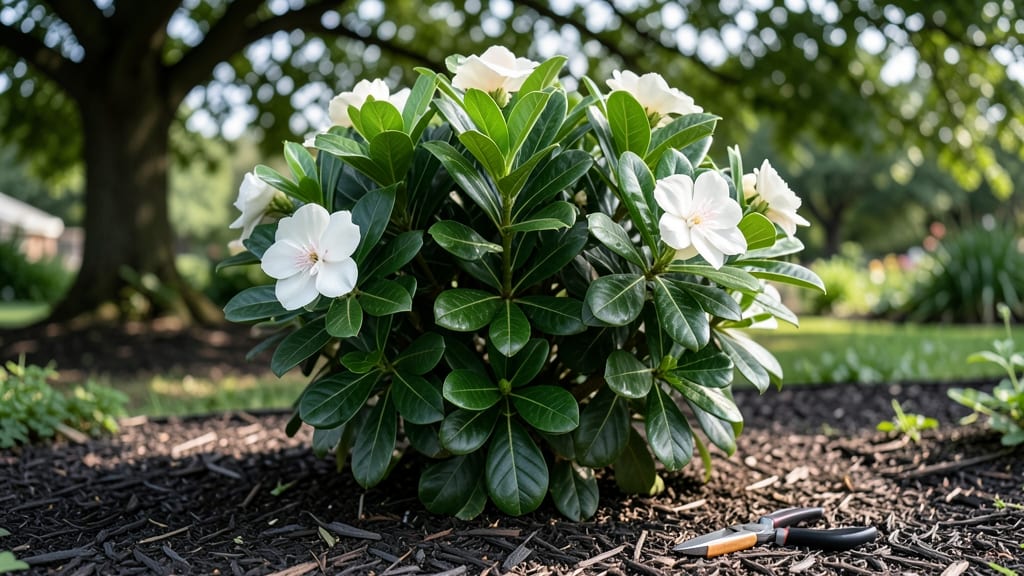
Growing a gardenia tree in Florida’s steamy summers and muggy winters isn’t just possible—it’s the secret to fragrant, glossy foliage that makes neighbors stop and smell the air. 🌿 The key lies in understanding how Florida’s humidity and occasional cool snaps actually help gardenias thrive when you work with their natural rhythms, not against them.
I’ve watched mine go from struggling to producing football-sized blooms every spring by making just a few dormant-season adjustments.
Florida gardenias love heat but hate soggy roots—think of them as tropical divas who need well-draining soil and morning sun with afternoon shade to prevent leaf scorch.
The real magic happens in winter when most gardeners panic: instead of fighting the natural slowdown, you’ll learn to prune strategically, adjust watering, and even protect against rare cold snaps without smothering the plant.
My first year, I nearly lost mine to overwatering during a 40-degree spell, but now I know exactly when to back off.
By summer’s end, you’ll have a tree that’s bursting with blooms and resistant to the fungal diseases that plague neglected gardenias. The fragrance alone—like walking through a perfumer’s dream—makes the effort worthwhile.
We’ll cover everything from soil prep to winter care, so your gardenia becomes the showstopper of your landscape instead of another struggling shrub.
Whether you’re in Miami’s heat or Orlando’s occasional chilly fronts, these tricks adapt to Florida’s zones. The goal? A gardenia that looks effortless but is actually engineered for Florida’s quirks—because the best gardens work with the climate, not against it.
📚 In This Guide
- What you need
- Instructions
- Tips and common mistakes
- Wrapping up and next steps
What you need
- ● Pruning shears – Sharp, bypass-style shears (for clean cuts on smaller branches).
- ● Loppers – 8-10 inch loppers (for thicker branches up to 2 inches in diameter).
- ● Pruning saw – For branches thicker than 2 inches (look for a curved blade for precision).
- ● Disinfectant (70% isopropyl alcohol or bleach solution) – 1 part bleach to 9 parts water (to sterilize tools and prevent disease).
- ● Gloves – Heavy-duty gardening gloves (to protect from thorns and sap).
- ● Trash bags or bucket – For collecting pruned branches (2-3 large bags or a 5-gallon bucket).
- ● Hose with nozzle – For cleaning tools and rinsing off sap.
- ● Hand pruners (felco) – For precision work on tiny branches.
- ● Extension pole pruners – If your gardenia is tall (reaches up to 10-12 feet).
- ● Rubbing alcohol wipes – Quick tool sterilization between cuts.
- ● Fertilizer (balanced 10-10-10 or citrus-specific) – Small bag (5-10 lbs) for post-pruning nourishment.
- ● Mulch (pine bark or compost) – 2-3 inches of organic mulch to retain moisture and regulate soil temp.
Step-by-Step guide for caring for gardenias in Florida’s dormant season
Florida’s humidity and mild winters create unique challenges for gardenias—here’s how to protect them through dormancy.
🌿 Step 1: Prune and Shape Before Dormancy Sets In
Start pruning gardenias in late fall (November) when new growth slows but before freezing temperatures arrive. Remove dead, diseased, or crossing branches first—these compete with healthy growth and invite pests. I always use sterilized pruning shears to avoid spreading fungal spores, which thrive in Florida’s damp air.
Shape the plant by cutting back overly leggy branches by one-third to encourage bushier growth next season. Look for branches growing inward or rubbing against others—these should go first. The goal is to improve airflow, which prevents fungal issues like powdery mildew that plague gardenias in humid climates.
💧 Step 2: Adjust Watering to Prevent Root Stress
As temperatures drop below 60°F, gardenias enter a light dormancy—they still need moisture, but not as much. Reduce watering to every 7-10 days instead of weekly, and only water when the top 2 inches of soil feel dry. Overwatering now leads to root rot, especially in Florida’s heavy, clay-like soils.
Water deeply but avoid wetting the foliage—use a soaker hose or drip irrigation to deliver moisture directly to the root zone. If your gardenia is in a pot, ensure the container has drainage holes and never let it sit in saucers of standing water. Mulch the base with 2-3 inches of organic mulch (like pine bark) to retain moisture and regulate soil temperature.
☀️ Step 3: Protect from Cold Snaps Without Over-Sheltering
Florida’s occasional light freezes (below 32°F) can damage gardenias, but heavy blankets of frost cloth or burlap often trap too much moisture and cause more harm. Instead, wrap the trunk and main branches with burlap or frost cloth loosely—just enough to shield vulnerable areas. Secure it with twine but leave room for airflow.
For potted gardenias, move them to a sheltered spot (like a garage or under an eave) where temperatures stay above 40°F. If you can’t move the pot, cover the entire plant with frost cloth and weigh it down with bricks to prevent wind from tearing it away. Avoid plastic covers—they trap cold air and create a greenhouse effect that can scorch leaves.
✂️ Step 4: Fertilize Lightly to Support Dormant Health
Skip heavy fertilizing during dormancy—gardenias need low nitrogen now to avoid soft, sappy growth that’s prone to cold damage. Instead, apply a balanced, slow-release fertilizer (like 6-6-6) in early December, using half the recommended rate. This gives roots a gentle boost without encouraging new foliage.
For potted gardenias, mix a quarter teaspoon of 10-10-10 fertilizer into the top 2 inches of soil and water lightly to distribute it. Avoid liquid fertilizers now—they can burn roots in cooler soil. If your gardenia is in the ground, sprinkle the fertilizer around the drip line (the outer edge of the canopy) and water it in thoroughly.
🌱 Step 5: Monitor for Pests and Early Signs of Stress
Dormant gardenias are less active but still vulnerable to scale insects and whiteflies, which hide in crevices and thrive in Florida’s warm winters. Inspect leaves and stems weekly—look for sticky residue (honeydew) or tiny white clusters on branches. If you spot pests, wipe them off with a soapy water solution (1 tsp mild dish soap per gallon of water) and rinse thoroughly.
Watch for yellowing leaves or premature leaf drop—these can signal root rot, nutrient deficiency, or cold stress. If leaves turn brown and crispy, your plant may have suffered freeze damage. In this case, prune affected branches back to healthy green wood and avoid fertilizing until new growth appears in spring. Florida’s humidity means problems spread fast, so act at the first sign of trouble.
Tips & tricks for perfecting your Florida gardenia through dormancy
Florida’s unique climate demands special care for gardenias during dormancy—here’s how to navigate the challenges.
Pruning Precision: When shaping your gardenia in Step 1, focus on removing branches that grow at sharp angles (greater than 45 degrees) from the main stem. These "water sprouts" are weak and prone to breakage during cold snaps. I also recommend making cuts just above a leaf node or outward-facing bud—this encourages stronger regrowth when spring arrives. The goal is to create an open canopy that allows sunlight to penetrate all the way to the center, which Florida’s humidity would otherwise smother with fungal growth.
Soil Temperature Matters: In Step 2, pay close attention to soil temperature—not just moisture levels. Gardenias thrive when soil stays above 60°F—any colder and root activity slows dramatically. Use a soil thermometer to monitor temperatures, especially if you’re in Florida’s northern regions where nights can dip unexpectedly. If your soil drops below 55°F, reduce watering further to prevent root rot from setting in during this vulnerable period.
Cold Protection Strategy: For Step 3, when wrapping your gardenia’s trunk and branches, leave the top third of the plant exposed—this prevents heat buildup that can actually damage leaves. I’ve seen gardeners accidentally scorch their plants by trapping too much warmth. For potted gardenias, consider using a clear plastic dome (like a large salad bowl) over the entire plant instead of frost cloth—it creates a microclimate that maintains temperatures above 40°F without trapping moisture. Just remove it during the day to allow airflow.
Fertilizer Timing: In Step 4, the early December timing for fertilizer application is critical because gardenias need to establish new root growth before spring’s active growth phase. If you’re using a granular fertilizer like 6-6-6, sprinkle it evenly over the soil surface rather than digging it in—this prevents salt burn on roots. For potted gardenias, mix the fertilizer directly into the top 2 inches of soil and water lightly to activate it without overwhelming the plant’s dormant state.
Pro Tips for Gardenia Tree Florida
- Florida’s unique climate demands special care for gardenias during dormancy—here’s how to navigate the challenges.
- Pruning Precision: When shaping your gardenia in Step 1, focus on removing branches that grow at sharp angles (greater than 45 degrees) from the main stem.
- Soil Temperature Matters: In Step 2, pay close attention to soil temperature—not just moisture levels.
Frequently asked questions
Got questions about growing a gardenia tree in Florida? You’re not alone! Here are answers to some of the most common concerns—from pruning to pests and everything in between.
When is the best time to prune a gardenia tree in Florida’s climate?
Prune your gardenia tree after it blooms (late spring or early summer) to encourage new growth and more flowers. Avoid heavy pruning in fall or winter, as Florida’s mild winters can still stress the plant. Light shaping is fine, but never prune into old wood—it won’t regrow.
Do gardenia trees need winter protection in Florida?
Florida’s humid winters usually spare gardenias from frost, but young trees or those in Zone 9B/10A may benefit from a light frost cloth if temps drop below 30°F. Mature trees are tougher—just mulch the base to retain moisture and warmth. No heavy blankets needed!
What pests or diseases should I watch for in Florida gardenias?
Keep an eye out for:
- Scale insects: Sticky residue on leaves? Wipe with soapy water or use horticultural oil.
- Whiteflies: Yellow sticky traps or neem oil can help.
- Fungal issues (like powdery mildew): Improve airflow and avoid overhead watering.
Pro tip: Healthy soil = fewer pests! Test your pH (acidic = 5.0–6.5) and fertilize with citrus-specific products.
Can gardenia trees handle Florida’s intense sun and humidity?
Gardenias thrive in partial shade (morning sun, afternoon shade) but can tolerate full sun if given consistent moisture. In Florida’s heat, mulch heavily and water deeply 2–3 times weekly. No soggy soil! Ensure pots or beds have drainage.
What’s a good alternative if my gardenia isn’t thriving in Florida?
If your gardenia struggles with pests, humidity, or slow growth, try these Florida-friendly fragrant alternatives:
- Jasmine (Trachelospermum jasminoides): Drought-tolerant and evergreen.
- Ylang-Ylang (Cananga odorata): Loves heat and blooms year-round.
- Plumeria (Frangipani): Thrives in full sun and sandy soil.
Bonus: All three attract pollinators and repel mosquitoes!
Wrapping up and next steps
Growing a gardenia tree in Florida is a rewarding journey—especially when you master the dormant season tricks tailored to the state’s humid climate. With the right pruning techniques, soil prep, and care, your gardenia will thrive year after year, gracing your landscape with its fragrant, creamy blooms. 🌸
Now that you’re armed with expert tips, it’s time to roll up your sleeves! Start by inspecting your tree and planning your pruning schedule. Need extra inspiration? Explore Florida-Friendly Landscaping® resources or connect with local gardening groups for hands-on support. Happy growing—your gardenia’s waiting for you! ✂️🌿