
Pruning
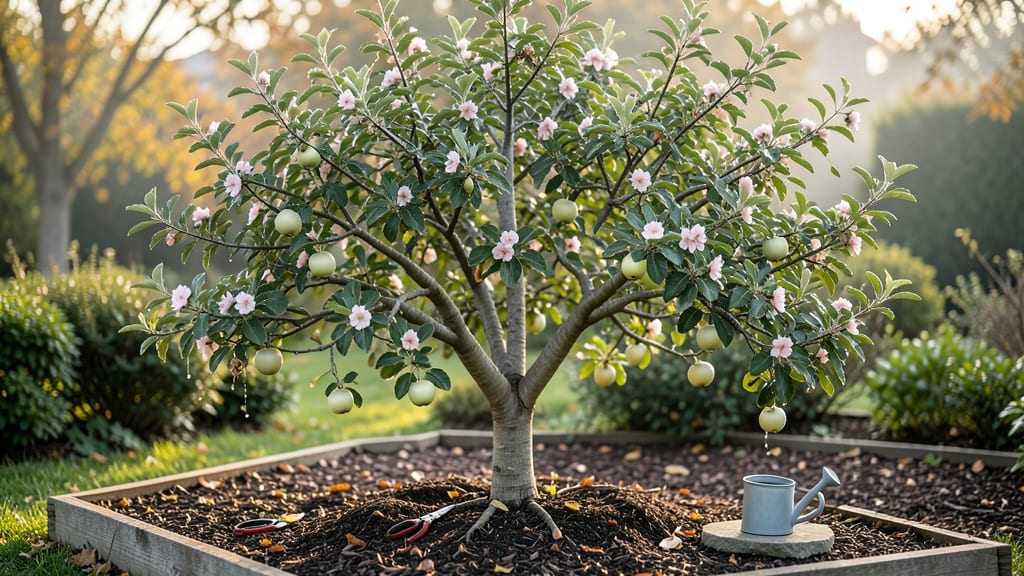
The ghost apple tree delivers year-round interest—from delicate blossoms in spring to striking foliage in winter—while producing crisp, honey-sweet fruit. I planted mine after seeing how its semi-transparent leaves catch the light like stained glass, and now I can’t imagine a yard without one.
The secret to its beauty and productivity lies in three strategic pruning sessions that keep it compact, healthy, and bursting with flavor.
This tree thrives in full sun to partial shade and tolerates a range of soils, though it rewards you most when planted in well-draining, slightly acidic loam. My ghost apple produces hundreds of small, tart-sweet apples that ripen in late summer—perfect for fresh eating or baking.
The real magic happens when you time those precision trims: late winter for structure, early summer to encourage branching, and fall to clean up and prep for winter.
By the end of your first year, you’ll have a tree that’s disease-resistant, low-maintenance, and ornamental year-round. The apples may be tiny, but their flavor packs a punch, and the foliage’s ghostly translucency makes it a conversation piece.
Whether you’re growing it for fruit, shade, or sheer beauty, this tree delivers—with minimal effort once you master the trimming rhythm.
Works beautifully in small yards, large gardens, or even large containers for urban spaces. Let’s get yours growing strong and productive from day one.
📚 In This Guide
- What you need
- Instructions
- Tips and common mistakes
- Wrapping up and next steps
What you need
- ○ Pruning shears: Bypass pruners (sharp, 6–8" blades) – 1 pair (for small branches ≤ ½"). Optional: Anvil pruners (for thicker branches, but risk crushing wood).
- ● Loppers: Bypass-style (18–24" reach) – 1 pair (for branches ¾"–2" thick).
- ● Pruning saw: Curved-tooth (8–10" blade) – 1 (for branches >2" thick). Pro tip: 💡 A folding saw saves space!
- ● Gloves: Heavy-duty, cut-resistant (leather or synthetic) – 1 pair (protects hands from thorns and blisters).
- ● Disinfectant: 70% isopropyl alcohol or bleach solution (1 part bleach : 9 parts water) – small bottle (prevents disease spread).
- ○ Pruning sealant: Tree wound paint (optional but helpful for larger cuts >½").
- ● Ladder or step stool: Sturdy, non-slip (extendable if tree is tall). Safety first: ✨ Use a harness if working >10' high!
- ● Trash bags or bucket: Heavy-duty (for debris collection).
- ● Know your tree: Identify the ghost apple tree (e.g., Malus 'Ghost') and confirm it’s healthy (no signs of disease/pests).
- ● Weather check: Trim on a dry, calm day (avoid rain/slippery tools). Best time: 🌡️ Early spring (dormant season) or late winter.
- ● Plan your cuts: Sketch a simple branch map (mark dead, crossing, or overcrowded branches).
- ● Safety gear: Safety glasses (to shield from debris) and earplugs (if using a chainsaw for large branches).
- ● Pole saw: Extendable for high branches (if ladder access is limited).
- ● Sharpener: Pruner file or oil stone (keep blades razor-sharp!).
- ● Label tags: For marking branches to remove in future trims.
- ● Compost bin: For repurposing small pruned wood/chips.
How to cultivate a ghost apple tree for continuous harvests
Here’s how I’ve mastered three strategic trims to keep this ornamental apple variety producing fruit year-round.
Establish the Tree’s Structure in Early Spring
Begin by selecting a sunny, sheltered location with well-draining soil—this tree thrives with 6-8 hours of direct sunlight daily. Prune before bud break (around late February to early March) when the tree is still dormant. Remove any dead, diseased, or crossing branches first, cutting just outside the branch collar to prevent damage.
Next, open the center of the tree by removing branches that grow inward, creating a vase-like shape with an open canopy. This allows sunlight to penetrate all branches, encouraging even fruit production. I like to keep the main scaffold branches spaced 8-12 inches apart—this spacing prevents overcrowding and makes future trims easier.
Summer Thinning for Fruit Load and Airflow
After the tree flowers and small fruits form (around June to July), perform a light thinning to balance the fruit load. Remove overcrowded clusters by cutting entire fruit stems back to the branch collar—this prevents the tree from diverting energy to too many small apples, which can stunt growth.
Thin to leave one fruit every 6-8 inches along each branch. This spacing ensures each apple receives adequate sunlight and air circulation, reducing the risk of fungal diseases. If you notice any suckers or water sprouts growing from the base or along branches, remove them immediately—they drain energy from fruit production.
Late Autumn Pruning to Shape and Prepare for Winter
In October or November, after the tree has finished producing its final harvest, perform a light structural prune to remove any remaining deadwood, weak growth, or branches that disrupt the tree’s shape. This is also the time to shorten overly vigorous shoots by cutting back to an outward-facing bud—this encourages bushier growth and more fruitful branches next season.
Reduce the canopy height by no more than 25% to avoid stressing the tree before winter. If you live in a colder climate, wait until the ground freezes to prune—this prevents bleeding sap and reduces the risk of disease entry points. Mulch the base with 2-3 inches of organic mulch to insulate roots and retain moisture.
Post-Harvest Maintenance for Year-Round Productivity
After each harvest, fertilize lightly with a balanced, slow-release fertilizer (10-10-10) to replenish nutrients. Ghost apples are heavy producers, so they benefit from monthly soil checks—amend with compost if the soil feels depleted. Water deeply once a week during dry spells, ensuring the top 6 inches of soil stay moist but not soggy.
Monitor for pests like aphids or codling moths—early intervention with neem oil or insecticidal soap keeps the tree healthy. If you notice any unusual leaf drop or stunted growth, adjust watering or prune to improve airflow. This tree rewards precision, so consistency in these steps ensures continuous, bountiful harvests throughout the year.
Tips & tricks for perfect ghost apple tree maintenance
The key to year-round fruit production with a ghost apple tree lies in precision timing and strategic pruning. Here’s what I’ve learned from years of working with these trees to ensure they thrive.
Timing is Everything: The late February to early March window for Step 1 pruning is critical—this dormant period allows the tree to heal cleanly without stress. If you miss this timing, wait until late winter when buds begin to swell slightly. I’ve found that pruning too early can expose the tree to late frosts, while waiting too long risks encouraging new growth that could be damaged by cold snaps. Always check your local frost dates before scheduling your first trim.
Branch Spacing Strategy: When establishing your tree’s structure in Step 1, maintaining that 8-12 inch spacing between scaffold branches creates the perfect framework. This spacing allows sunlight to reach all parts of the canopy while preventing branches from rubbing against each other, which can create wounds where diseases enter. I recommend using a measuring tape to verify spacing—it’s worth the extra minute to ensure proper growth patterns from the start.
Summer Thinning Precision: The June to July thinning in Step 2 requires patience. Don’t rush this process—remove only 20-30% of the fruit clusters at most to avoid shocking the tree. I’ve seen many growers over-thin, which actually reduces the following year’s harvest. Aim for that one fruit every 6-8 inches along each branch, and always cut back to the branch collar rather than leaving stubs. This clean cut promotes faster healing and better fruit development.
Winter Preparation Insight: That 25% canopy height reduction in Step 3 is about balance. You’re not trying to drastically change the tree’s shape—just removing problematic branches and encouraging outward growth. In colder climates, waiting until the ground freezes before pruning prevents sap bleeding and reduces disease risk. I’ve had success using a sharp pruning saw for thicker branches and clean hand pruners for smaller cuts—keeping your tools sharp makes all the difference in clean cuts that heal properly.
Pro Tips for Ghost Apple Tree
- The key to year-round fruit production with a ghost apple tree lies in precision timing and strategic pruning.
- Timing is Everything: The late February to early March window for Step 1 pruning is critical—this dormant period allows the tree to heal cleanly without stress.
- Branch Spacing Strategy: When establishing your tree’s structure in Step 1, maintaining that 8-12 inch spacing between scaffold branches creates the perfect framework.
Frequently asked questions
Got questions about your ghost apple tree? You’re not alone!
Here are answers to the most common queries—from pruning puzzles to harvest hacks—so you can keep your tree thriving year-round.
When is the best time to prune a ghost apple tree for maximum fruit?
Prune your ghost apple tree three times a year for optimal results: late winter (to shape the tree and remove dead wood), early summer (after flowering to encourage new growth), and late summer/early fall (to prep for winter and improve fruit quality). Avoid pruning in extreme cold or heat.
How do I know if my ghost apple tree needs pruning?
Watch for these red flags: overcrowded branches, dead or diseased limbs, weak growth, or fewer fruits than expected. If your tree looks top-heavy or branches rub together, it’s time to prune. Pro tip: Thin out 15-20% of the canopy per trim to avoid stressing the tree.
Can I eat the fruit from a ghost apple tree?
Yes! Ghost apples are edible and packed with flavor, but they’re best used in cooking or baking (think pies, sauces, or cider) rather than eaten raw. They’re tart and firm, so they hold up well in recipes. Warning: Always confirm your tree’s variety—some ornamental apples may be bitter or toxic.
What should I do if my ghost apple tree isn’t fruiting?
Low fruit production often stems from poor pruning, lack of sunlight, or nutrient deficiencies. Try these fixes: Prune aggressively in late winter to open the canopy, fertilize with citrus-specific nutrients, and ensure it gets 6+ hours of sunlight daily. If it’s young, be patient—ghost apple trees can take 3-5 years to bear fruit.
Are there alternatives to ghost apple trees for small spaces?
If space is limited, consider these low-maintenance, fruit-bearing alternatives:
All can be pruned with similar techniques to keep them healthy and productive!
Wrapping up and next steps
Mastering the ghost apple tree with precision trims unlocks a year-round bounty of fruit—no more wasted labor or missed harvests! 🍏✨ By following the three strategic cuts (dormant, summer, and post-harvest), you’ll boost airflow, shape growth, and extend productivity.
Whether you’re a seasoned gardener or a curious newbie, this method is your ticket to a thriving orchard.
Ready to transform your backyard? Grab your pruners and start small—pick one tree this season, practice the techniques, and watch your ghost apple tree reward you with abundance. Happy trimming! 🌱👩🌾