
Pruning
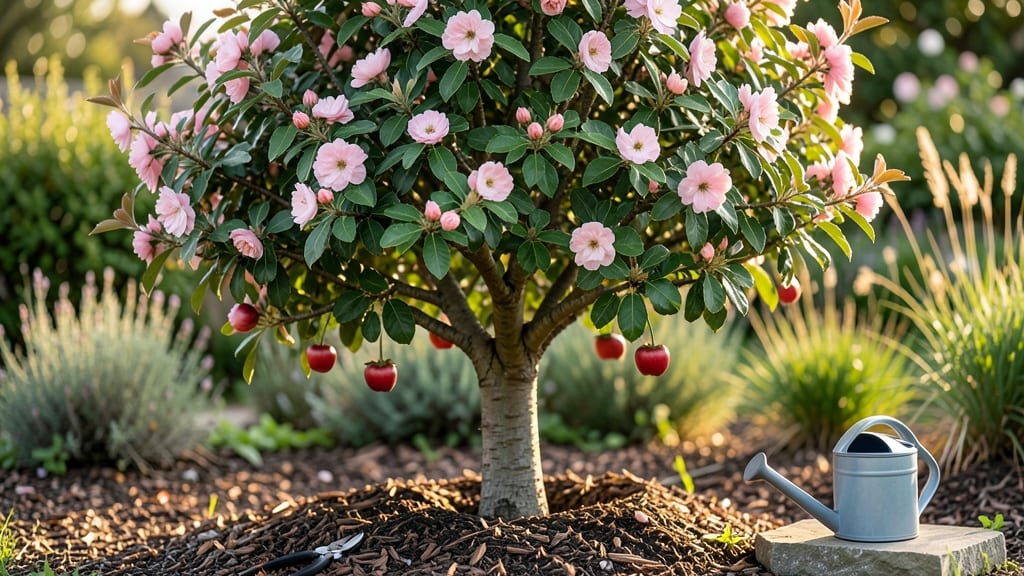
Growing a rose apple tree means four seasons of glossy foliage, fragrant blossoms, and sweet-tart fruit—if you prune it right. 🌿 I’ve watched this tropical beauty transform from a bare-bones sapling into a lush, productive centerpiece in my courtyard, and the secret lies in those four strategic trims each year.
The key to success starts with the right conditions: warm climates (zones 10-11), well-draining soil, and a spot with 6+ hours of sunlight daily. My tree thrives in a 5-gallon container on my patio, proving you don’t need a yard for this showstopper.
Once planted, consistent watering—deep but infrequent—keeps roots happy without inviting rot.
With each seasonal trim, you’ll coax more blooms, better fruit set, and a shape that’s both functional and stunning. After just two years, mine produced dozens of rose apples, and the ornamental value? Priceless. The tree’s velvety leaves and delicate pink flowers make it a conversation piece year-round.
Whether you’re a beginner or an experienced gardener, this tree rewards patience and precision. The first trim after planting sets the foundation, while the final harvest-season cut ensures next year’s bounty. Ready to cultivate your own tropical treasure?
📚 In This Guide
- What you need
- Instructions
- Tips and common mistakes
- Wrapping up and next steps
What you need
- ● Pruning shears: Bypass pruners (sharp, 6-8 inch blades) for small branches.
- ● Loppers: 12-16 inch bypass loppers for medium-sized branches (2-4 inches thick).
- ● Pruning saw: A curved-tooth pruning saw for thick branches (4+ inches).
- ● Gloves: Heavy-duty gardening gloves (cut-resistant) to protect your hands.
- ● Disinfectant: 70% isopropyl alcohol or a pruning sealant (like Tanglefoot) to prevent disease spread.
- ● Rubbing alcohol or bleach solution: 1 part bleach to 10 parts water for cleaning tools between cuts.
- ○ Marking twine or paint: (Optional) Colored twine or paint to tag branches for future reference.
- ● Weather check: Prune on a dry, cloudy day (avoid frost or extreme heat).
- ○ Safety gear: Safety glasses (optional but recommended for debris protection).
- ● Cleanup supplies: Heavy-duty trash bags (for pruned branches).
- ● Garden hose (to rinse tools and clean up sap).
- ● Tree health assessment: Inspect the tree beforehand for diseased or dead branches (remove these first!).
- ● 🔥 Sharpen your tools: Dull blades tear wood, inviting pests. Hone shears/loppers before starting.
- ● 🌡️ Work in layers: Remove 1/3 of the tree’s canopy per trim to avoid stressing it.
- ● ✨ Sterilize tools between trees: If you have multiple rose apple trees, disinfect tools to prevent cross-contamination.
Step-by-step guide to pruning a rose apple tree for year-round fruit
Here's how to transform your rose apple into a productive powerhouse through strategic seasonal cuts.
✂️ Step 1: Late Winter Pruning (Dormant Season)
Begin when the tree is fully dormant but before new buds swell—typically in late January to early February. This is your chance to remove dead, crossing, or diseased branches first. I use sharp, sterilized loppers to make clean cuts just above outward-facing buds at a 45-degree angle. This encourages vigorous new growth while preventing water pooling at the wound site.
Next, thin out overcrowded branches to improve airflow and sunlight penetration. Aim to maintain an open center with 6-8 main scaffold branches spaced evenly around the trunk. You'll see a dramatic difference in fruit production once the canopy opens up—fewer branches mean more energy for fruit development.
Here's the thing—don't rush this step. If you're unsure whether a branch is dead, scratch the bark with your thumbnail. Green beneath means it's alive; brown means it's gone. I always mark branches with masking tape before cutting to avoid over-pruning. Real talk: Rose apples respond well to bold cuts in winter, so don't be shy about removing up to one-third of the tree's total growth if needed.
☀️ Step 2: Post-Bloom Summer Pruning (After First Harvest)
About 6-8 weeks after flowering, when the first fruits begin to form but before they ripen, it's time for your second trim. Focus on lightening the canopy by removing any suckers (vigorous shoots growing from the base) and water sprouts (fast-growing vertical shoots). Use hand pruners for these smaller cuts—no need for heavy equipment.
Look for branches that are growing inward or rubbing against others. These will compete for resources and likely produce poor-quality fruit. Cut them back to a strong lateral bud. You'll notice the remaining branches will thicken and develop more fruit clusters. This is the moment that matters: summer pruning prevents overburdening the tree and ensures next year's flowers get proper sunlight.
I always water deeply after summer pruning to help the tree recover. The roots need moisture to support new growth, especially if you've made several cuts. Watch for new shoots emerging from the pruning wounds—these are your tree's way of telling you it's healing well.
🌿 Step 3: Light Fall Pruning (After Harvest)
After the main harvest season, typically in late September to early October, give your rose apple a final light pruning. Remove any dead or diseased wood that may have appeared over the summer. Also, trim back any branches that produced fruit to encourage next year's flowering. Cut just above a healthy outward-facing bud to maintain the tree's shape.
This is when I focus on structural adjustments. Look for branches that have grown too long or are becoming unbalanced. Shorten them by about one-third to maintain the tree's natural form. You'll see how the tree's silhouette improves almost immediately—it's like giving it a haircut for winter.
Don't skip this step, even if the tree looks fine. Fall pruning helps the tree enter dormancy with a clean slate, reducing the risk of pests and diseases over winter. I always apply a copper fungicide spray after pruning to protect any fresh cuts from fungal infections.
⏰ Step 4: Winter Maintenance (No Pruning, Just Care)
While you're not making major cuts in winter, this is the time to protect your tree from cold damage. Wrap the trunk with tree wrap if you're in a region with harsh winters. I also apply a 2-3 inch layer of mulch around the base (but not touching the trunk) to insulate the roots. This isn't a pruning step, but it's critical for keeping your tree healthy between seasons.
Monitor the tree for any winter burn or dormant damage. If you notice any branches that have died back further than expected, you can remove them in early spring before new growth begins. The goal here is to minimize stress on the tree while it's already in a vulnerable state.
Real talk: Winter is when I take a step back and observe. Notice how the tree's structure holds up after the previous year's pruning. This observation period helps me plan the next late winter pruning with precision. It's like reading a book—you can't understand the ending until you've seen the whole story unfold.
Tips & tricks for pruning a rose apple tree
Transforming your rose apple into a fruit-bearing powerhouse starts with these key insights that'll make all the difference in your tree's health and productivity.
Timing is Everything: The late January to early February window for winter pruning is non-negotiable—this dormant period lets you see the tree's true structure without the distraction of new growth. I've learned the hard way that pruning too early (when buds are still swelling) can stimulate unwanted growth, while waiting too long risks missing the optimal window. Mark your calendar now: the tree's health depends on this precise timing.
Pruning Technique That Changed Everything: When making your cuts, always aim for the 45-degree angle just above an outward-facing bud. This isn't just about aesthetics—it's about directing the tree's energy where you want it. I used to make straight cuts, and while they worked, the angled cuts create less surface area for disease and position new growth optimally. For the winter pruning, you can be bold and remove up to one-third of the tree's growth, but for summer and fall, keep cuts more conservative to avoid stressing the tree during active growth phases.
Structural Vision Matters: Step back and visualize your tree's final shape before making any cuts. The goal is an open center with 6-8 main scaffold branches spaced evenly. I've seen pruners get so focused on individual branches that they lose sight of the whole structure. Use a marker or string to outline your ideal shape before you start cutting. This approach ensures you're not just pruning, but sculpting the tree's future growth pattern—something that becomes especially clear after the first harvest when you see how the sunlight reaches all parts of the canopy.
Post-Pruning Care: After any significant pruning session, especially summer when the tree is actively growing, deep watering is essential. The roots need moisture to support new growth, and the tree will be drawing nutrients from a larger canopy after your cuts. I've noticed that trees I watered properly after pruning showed new shoots within weeks—this is your tree's way of telling you it's healing well. For winter maintenance, that 2-3 inch layer of mulch isn't just decoration; it's insulation that protects roots from temperature swings and preserves soil moisture.
Pro Tips for Rose Apple Tree
- Transforming your rose apple into a fruit-bearing powerhouse starts with these key insights that'll make all the difference in your tree's health and productivity.
- Timing is Everything: The late January to early February window for winter pruning is non-negotiable—this dormant period lets you see the tree's true structure without the distraction of new growth.
- Pruning Technique That Changed Everything: When making your cuts, always aim for the 45-degree angle just above an outward-facing bud.
Frequently asked questions
Got questions about growing and maintaining your rose apple tree? You’re not alone! Here are some of the most common queries—plus quick, practical answers to keep your tree thriving year-round.
How often should I trim a rose apple tree?
Prune your rose apple tree four times a year: late winter (to shape and remove dead wood), spring (for new growth), summer (to encourage fruiting), and fall (light cleanup). Each trim promotes healthier branches and better fruit production. Pro tip: Avoid heavy pruning in late fall—it can stress the tree before winter.
Can I prune a rose apple tree in winter?
Yes, but only lightly! Late winter (just before buds swell) is ideal for major structural pruning. Avoid heavy cuts in freezing temps—focus on removing dead or crossing branches. If you must prune in cold weather, do it on a mild day (above 40°F/4°C) to prevent shock. Pro tip: Use sharp, sterilized shears to minimize damage.
Will pruning reduce my rose apple tree’s fruit yield?
Not if done correctly! Proper seasonal trims actually boost fruit production by improving airflow and sunlight exposure. Over-pruning (especially in fruiting seasons) can reduce yield, but following the 4-season method balances growth and harvest. Pro tip: Leave 6–12 inches of old wood on branches—this is where fruit buds form!
What if my rose apple tree isn’t fruiting?
Check these common culprits: poor pruning habits (too much summer pruning), lack of sunlight (needs 6+ hours daily), or nutrient deficiencies (test soil pH—ideal range: 6.0–7.0). If branches are bare, prune to encourage new growth in spring. Pro tip: Feed with citrus-specific fertilizer in early spring for a nutrient boost.
Can I replace a rose apple tree with another citrus variety?
If space or climate is an issue, consider dwarf varieties like Calamondin or Meyer lemon—they’re low-maintenance and fruit reliably. For tropical climates, Sour Sop or Jaboticaba are great alternatives. Pro tip: Choose a tree with similar sunlight needs to avoid transplant shock.
How do I fix over-pruned branches?
If you’ve trimmed too much, don’t panic! Focus on recovery: Water deeply, apply root stimulator, and avoid pruning for 6 months. New growth will sprout from the main trunk or larger branches. Pro tip: Use pruning paste on large cuts to prevent disease entry.
Wrapping up and next steps
Growing a rose apple tree is a rewarding journey that brings beauty and bounty in every season—thanks to those strategic trims! 🌿 With the right tools, timing, and techniques, you’ll enjoy lush foliage, fragrant blossoms, and delicious fruit year after year.
Whether you’re a pruning pro or a beginner, the key is patience and consistency.
Ready to transform your garden? Start by observing your tree and planning your next trim—spring’s the perfect time to kick off the cycle! 🌱 Happy pruning!