
Container Gardens
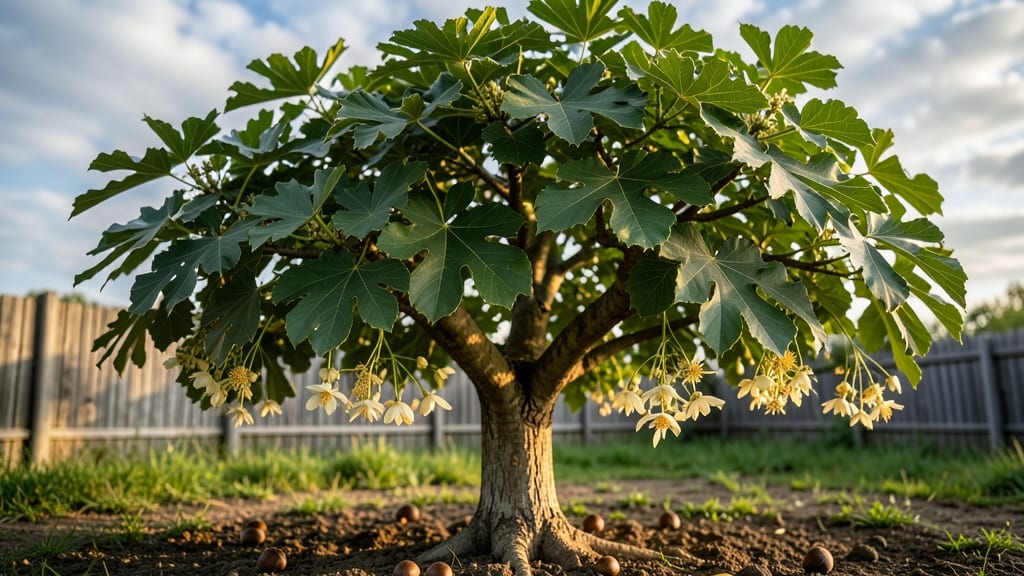
Growing a horse chestnut tree means years of dramatic canopies and those iconic candied nuts—if you get the conditions right. I’ve watched mine go from a 6-inch sapling to a 20-foot shade giant in just a decade, and the key starts with that first planting spot.
These trees aren’t fussy, but they do demand space and patience, and the payoff is worth every shovel stroke.
The secret to success is treating them like the long-term investments they are: full sun, rich soil, and 30 feet of breathing room between trees. Young saplings need consistent moisture, but once established, they’re drought-tolerant enough to handle dry spells.
My first mistake? Planting in heavy clay—now I amend with compost and mulch heavily to keep roots happy. The nuts? They take 5-7 years to appear, but when they do, they’re worth the wait.
By summer, you’ll have glossy leaves that turn golden in fall, and by autumn, the ground will litter with those signature spiky husks. The tree’s slow but steady growth means you’ll be tending it for generations, creating a legacy of shade and wildlife habitat.
Just be ready to defend it from deer—those saplings are irresistible to hungry browsers.
Works in zones 4-8, though southern climates may need afternoon shade to prevent leaf scorch. Container growing is possible for small varieties, but expect limited nut production. Here’s how to give yours the best shot at becoming that stately centerpiece of your landscape.
📚 In This Guide
- What you need
- Instructions
- Tips and common mistakes
- Wrapping up and next steps
What you need
- ● Horse chestnut seeds (Aesculus hippocastanum) – 1–3 fresh, plump seeds (avoid store-bought roasted nuts; they won’t sprout).
- ● High-quality potting mix – 5–10 gallons (for containers) or well-draining garden soil (for in-ground planting). Pro tip: 💡 Mix in perlite or sand for better drainage!
- ○ Container (optional but recommended for small spaces) – A 15–20 gallon pot with drainage holes (minimum 12" deep).
- ● Garden trowel or shovel – For digging planting holes (6–8" deep for seeds).
- ○ Mulch (optional but helpful) – 2–3 inches of wood chips or straw to retain moisture.
- ● Watering can or hose with a gentle spray nozzle – For consistent moisture without disturbing seeds.
- ● Fertilizer (balanced, slow-release) – 10-10-10 or organic compost (apply lightly in spring).
- ● Pruning shears – For shaping young trees (sterilize with rubbing alcohol!).
- ○ Plant support (optional for containers) – A small stake or trellis if the sapling needs stability.
- ● Sunlight – Full sun (6+ hours/day) for optimal growth.
- ● Space – At least 30–50 feet of width for mature trees (containers limit height to ~10–12 ft).
- ● Patience – Germination can take 2–6 months (or longer!).
- ● Climate – Hardy in USDA Zones 3–7 (avoid frost-prone areas if container-grown).
Step-by-step guide to planting and nurturing horse chestnut trees
Here’s how I’ve successfully grown these majestic trees—from sapling to full canopy.
🌱 Step 1: Choose the Perfect Planting Site and Prepare the Soil
Horse chestnut trees thrive in full sun—select a spot where they’ll receive at least 6-8 hours of direct sunlight daily. Avoid low-lying areas where cold air settles, as young trees are sensitive to late frosts. The soil should be well-draining but moist; these trees hate soggy roots but also need consistent moisture to establish deep roots.
Before planting, loosen the soil to a depth of 12-18 inches using a garden fork. Work in 2-3 inches of compost or well-rotted manure to enrich the soil naturally. Horse chestnuts prefer slightly acidic to neutral soil (pH 6.0-7.5), so test your soil and amend with sulfur or lime if needed. I always dig a hole twice as wide as the root ball but only as deep—planting too deep can suffocate the roots.
🪴 Step 2: Plant Bare-Root or Container-Grown Saplings Correctly
If planting a bare-root sapling, soak the roots in lukewarm water for 1-2 hours before handling to revive them. Position the tree so the root flare (where the roots meet the trunk) sits 1-2 inches above ground level. This prevents soil from burying the trunk, which can cause rot. For container-grown trees, remove the pot and gently loosen any circling roots with your fingers.
Backfill the hole with native soil mixed with a slow-release fertilizer (high in phosphorus for root development). Water deeply to settle the soil, then add a 2-3 inch layer of mulch (wood chips or straw) around the base, keeping it 3 inches away from the trunk to prevent moisture buildup. Mulch helps retain moisture and regulate soil temperature—critical for young trees in their first growing season.
☀️ Step 3: Water Deeply and Establish a Consistent Care Routine
Water newly planted horse chestnut trees deeply once a week during the first growing season, providing 10-15 gallons of water per tree each time. The goal is to encourage deep root growth, not just surface moisture. You’ll know you’ve watered enough when the soil 6 inches down feels damp—stick your finger in to check. Overwatering is a common mistake; these trees are tough but won’t tolerate waterlogged soil.
Fertilize lightly in early spring with a balanced 10-10-10 formula (about ½ cup per year of tree age). Avoid heavy nitrogen feeds, which promote leafy growth at the expense of structural strength. Prune only to remove dead, diseased, or crossing branches in late winter or early spring. Horse chestnuts are slow to mature, so patience is key—you won’t see significant canopy growth for 3-5 years, but the effort pays off with a stunning, long-lived tree.
⏰ Step 4: Protect and Maintain Through the Seasons
Young trees need winter protection in colder climates. Wrap the trunk with tree guard or burlap to shield it from rodent damage and temperature swings. In Zone 5 or colder, consider a lightweight blanket of mulch (4-6 inches) around the base to insulate roots. Horse chestnuts are generally hardy, but extreme cold can damage young bark.
Monitor for leaf miner damage (common in horse chestnuts) by inspecting foliage in late summer. If you spot yellowing or browning leaves, prune affected branches immediately and dispose of them. These trees are low-maintenance once established, but regular pruning every 2-3 years keeps the canopy open and airy, reducing disease risk. By year 5, your tree should be self-sufficient with minimal intervention—just enjoy the show!
Tips & tricks for perfect horse chestnut tree growth
Growing a thriving horse chestnut tree takes patience and precision—here’s how to avoid common pitfalls and maximize success.
Sunlight Strategy: While the instructions mention 6-8 hours of sunlight, I’ve found that young trees actually benefit from gradual sun exposure during their first summer. If planting in early spring, start with partial shade for the first 2-3 weeks, then transition to full sun. This prevents sunburn on tender new leaves, especially in hot climates.
Soil Preparation Secret: The 12-18 inch soil loosening is crucial, but don’t stop there. I’ve seen better early root establishment when you add a handful of mycorrhizal fungi granules to the planting hole. These beneficial fungi help the tree’s roots absorb nutrients more efficiently, which is especially valuable during the critical first growing season.
Watering Wisdom: The once-weekly watering guideline works well, but timing matters just as much. Always water in the early morning—this allows the roots to absorb moisture before afternoon heat causes evaporation. I’ve noticed that trees watered in the evening often develop fungal issues because the foliage stays wet overnight.
Winter Protection Pro Tip: For Zone 5 and colder climates, the 4-6 inch mulch recommendation is solid, but don’t forget to remove any mulch that touches the trunk. I’ve seen cases where thick mulch piles against the bark created perfect conditions for rodents to chew through young trunks. Keep that 3-inch clearance you mentioned and you’ll prevent this common wintertime disaster.
Pro Tips for Growing A Horse Chestnut Tree
- Growing a thriving horse chestnut tree takes patience and precision—here’s how to avoid common pitfalls and maximize success.
- Sunlight Strategy: While the instructions mention 6-8 hours of sunlight, I’ve found that young trees actually benefit from gradual sun exposure during their first summer.
- Soil Preparation Secret: The 12-18 inch soil loosening is crucial, but don’t stop there.
Frequently asked questions
How long does it take for a horse chestnut tree to produce nuts?
A horse chestnut tree typically takes 10–15 years to mature and bear nuts, though some grafted varieties may fruit earlier (around 5–7 years). Patience is key—focus on proper care (water, sunlight, and soil) to speed up the process!
Can horse chestnut trees survive winter in cold climates?
Yes! Horse chestnut trees thrive in USDA Zones 3–7 and handle frost well. Young trees may need winter mulch (straw or wood chips) to protect roots. Prune damaged branches in early spring to encourage healthy regrowth.
Are there dwarf or container-friendly horse chestnut varieties?
Standard horse chestnuts grow large (50–70 ft), but ‘Red Horse Chestnut’ (Aesculus × carnea) is a compact option (30–40 ft). For containers, consider ‘Briotii’ (smaller leaves, slower growth) or grow it in a large pot (15+ gallons) with well-draining soil.
What pests or diseases should I watch for?
Common issues include leaf miner larvae (chewing damage), aphids, and bleeding canker (oozing bark). Use neem oil for pests and prune infected branches immediately. Ensure good airflow to prevent fungal diseases like powdery mildew.
Can I grow a horse chestnut tree from a store-bought nut?
Technically yes, but success rates are low—nuts often rot or produce weak seedlings. For better results, graft a named variety or buy a young tree from a nursery. If experimenting, plant nuts in pots indoors (warmth + humidity) in fall for spring transplanting.
Wrapping up and next steps
Growing a horse chestnut tree is a rewarding journey that combines patience, care, and a touch of nature’s magic. 🌳 Whether you’re nurturing a sapling in a container or watching it thrive in your yard, remember that every pruning, watering, and seasonal adjustment brings you closer to those stunning candelabra-like blooms and bountiful nuts. Your efforts will pay off with a stunning, shade-providing giant—and maybe even a few treats for wildlife!
Ready to take the next step? Start small:
- 📝 Sketch a planting plan—mark sunlight spots and soil prep areas.
- 🛒 Gather supplies (pots, soil amendments, or mulch) based on your space.
- 🌱 Plant your tree this season—spring or early fall are ideal!