
Pruning
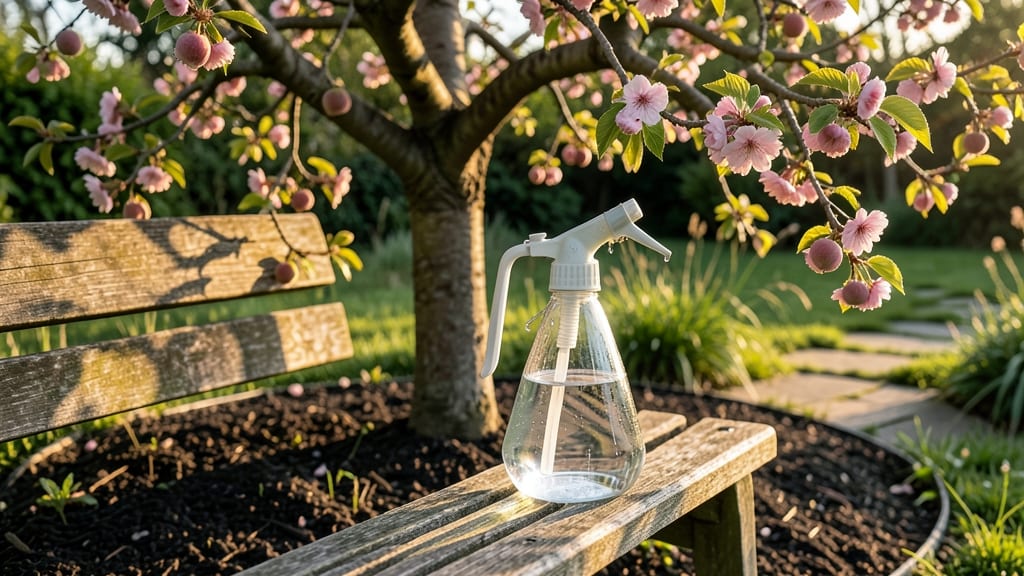
This home fruit tree spray saved my peach tree from aphid hell last summer—just mix neem oil, garlic, and a touch of dish soap for a spray that works. 🌱 without harming bees or your family.
Most store-bought sprays contain harsh chemicals that leave residue on fruit. This DIY version uses natural ingredients you can find at the grocery store, and it’s safe to apply right up until harvest. The secret? Timing—spray in the early morning when pests are least active and the leaves are dry.
You’ll see results within a week: fewer pests, healthier leaves, and fruit that stays firm and blemish-free until picking time. Plus, the spray doubles as a preventive measure for fungal diseases like powdery mildew, which loves humid summers.
Works for apples, cherries, peaches—any fruit tree facing pests or fungal pressure. Here’s exactly how to mix, apply, and repeat for a thriving orchard without the chemical overload.
📚 In This Guide
- What you need
- Instructions
- Tips and common mistakes
- Wrapping up and next steps
What you need
- ● Base Ingredients: 1 gallon of water (distilled or filtered preferred)
- ● Neem oil (1–2 tbsp for organic sprays) – pesticidal & antifungal
- ● Food-grade soap (1 tbsp, like Castile soap) – helps emulsify oils
- ● Baking soda (1 tbsp) – for fungal issues like powdery mildew
- ○ Optional but Helpful Additives: Garlic or onion extract (1 tbsp) – natural pest repellent
- ● Copper fungicide (1 tsp, for severe fungal threats)
- ● Horticultural oil (1 tbsp, for stubborn pests)
- ● Spraying Equipment: Handheld sprayer (1–2 gallons capacity, with adjustable nozzle)
- ● Garden sprayer (for larger trees, 3+ gallons)
- ● Safety Gear: Gloves (nitrile or rubber, to protect hands)
- ● Long-sleeved clothing (to avoid skin contact)
- ● Safety goggles (if using strong chemicals)
- ● Mixing Supplies: Large bucket (5-gallon, for mixing)
- ● Wooden or plastic spoon/stirrer (avoid metal)
- ● Measuring cups/spoons (for precise ingredient ratios)
- ● Identify the pest or disease affecting your tree (e.g., aphids, powdery mildew, scale insects).
- ● Check the weather forecast—apply spray on a calm, dry day (avoid wind/rain for 24 hours).
- ● Prune dead or diseased branches before spraying to improve coverage.
- ● Test a small leaf area first to check for plant sensitivity.
How to make a natural fruit tree spray that works
Here's my go-to recipe for a spray that keeps pests and fungus at bay without harsh chemicals.
🌿 Step 1: Gather Your Organic Ingredients
You'll need 1 quart of water, 2 tablespoons of neem oil, 1 tablespoon of vegetable oil, and 1 teaspoon of mild liquid soap (like Castile soap). The oils help the spray stick to leaves, while the soap acts as an emulsifier so everything mixes properly. I like to use distilled water to avoid introducing minerals that could clog spray nozzles.
Mix the oils and soap in a bowl first—this prevents the neem oil from separating when you add water later. Stir gently until you see a smooth, slightly cloudy liquid. Here's the thing—neem oil has a strong smell, so I always work near an open window or outside when mixing it.
💧 Step 2: Combine and Dilute Properly
Pour the 1 quart of water into a spray bottle or large container, then slowly add the oil mixture while stirring continuously. The soap helps everything blend, but you'll still see slight separation—this is normal. Shake well before each use to re-emulsify. I use a 1-quart sprayer because it's easy to carry and covers enough surface area for small to medium trees.
This spray is best used fresh, but you can store it in the fridge for up to 5 days if you mix it in a clean, airtight container. Label it clearly—neem oil can stain fabrics, and you don't want to accidentally spray your clothes instead of your tree.
☀️ Step 3: Apply at the Right Time and Frequency
Spray your fruit tree early in the morning or late afternoon when the sun isn't at its strongest. Direct sunlight can burn leaves if they're wet, and you want the spray to dry slowly for maximum effectiveness. Focus on the undersides of leaves, stems, and fruit—this is where pests and fungal spores hide.
Apply every 7-10 days during active growing seasons (spring through fall) or immediately after you notice pests like aphids, mites, or signs of fungus like powdery mildew. You'll see results fastest when you catch problems early—tiny white spots on leaves? That's your cue to spray. Don't wait until the tree looks sick.
✂️ Step 4: Rotate with Other Organic Methods
While this spray works well, I don't rely on it alone. For best results, rotate it with other organic controls like introducing beneficial insects (like ladybugs for aphids) or applying baking soda spray (1 tablespoon baking soda + 1 quart water + a drop of soap) for fungal issues. The key is variety—pests and diseases adapt, so keeping them guessing prevents resistance.
After spraying, give your tree a good watering at the base to help it recover. The oils can be slightly drying, so this keeps the roots hydrated while the leaves absorb the treatment. I also like to prune any heavily infested branches and dispose of them in the trash—not the compost—to stop the cycle.
Tips & tricks for perfect home fruit tree spray
Here's what nobody tells you about making this spray work even better for your garden.
Mixing Technique: When combining the oils and soap in Step 1, use a hand mixer or whisk for about 30 seconds to create a finer emulsion. This helps the oils disperse more evenly in the water, making your spray more effective. I've found that a quick pulse with a hand mixer prevents clumping better than stirring by hand—especially important when working with neem oil's thick consistency.
Equipment Tip: If you don't have a 1-quart sprayer, any clean spray bottle with a fine mist nozzle will work. Just be sure to shake it thoroughly before each use—this spray naturally separates over time. For larger trees, consider a pump sprayer which covers more surface area without the need to refill as often. The key is consistent coverage on both leaf surfaces.
Application Strategy: In Step 3, focus on the undersides of leaves first—this is where most pests and fungal spores hide. I like to work in sections, spraying until the leaves are glistening but not dripping. For heavy infestations, you might need to apply twice with a 2-hour break in between applications to let the solution absorb properly. The undersides are particularly vulnerable because they're often shaded and more humid.
Storage Wisdom: To extend your spray's shelf life beyond the 5-day mark, divide it into smaller containers and freeze in ice cube trays. Once frozen, transfer to a freezer bag. Thaw overnight in the fridge before use—this preserves the active ingredients longer than refrigeration alone. Just remember to shake well after thawing to restore the emulsion.
Pro Tips for Home Fruit Tree Spray
- Here's what nobody tells you about making this spray work even better for your garden.
- Mixing Technique: When combining the oils and soap in Step 1, use a hand mixer or whisk for about 30 seconds to create a finer emulsion.
- Equipment Tip: If you don't have a 1-quart sprayer, any clean spray bottle with a fine mist nozzle will work.
Frequently asked questions
Got questions about keeping your fruit trees healthy without harsh chemicals?
You’re not alone! Here are answers to the most common concerns about home fruit tree spray, from timing to troubleshooting.
When is the best time to spray fruit trees?
The ideal time is early spring (just before buds bloom) and late summer (after harvest) to prevent pests and fungal diseases. Avoid spraying when bees are active (midday) or during rain—wait for dry, calm conditions for best results.
Can I use home fruit tree spray on edible fruit?
Yes! Organic sprays like neem oil, copper soap, or potassium soap are safe when used correctly. Always follow label instructions, and wait at least 2–4 weeks before harvesting fruit to ensure residue safety. Harvest only what you’ve sprayed.
What’s a good alternative if sprays don’t work?
If pests or fungus persist, try physical barriers (netting for birds/insects) or beneficial insects (ladybugs for aphids). For stubborn issues, consult a local extension service for tailored organic solutions.
Will homemade sprays harm bees or pollinators?
Most organic sprays are bee-safe if applied after sunset or before dawn. Avoid sprays with sulfur or copper near blooming trees—opt for neem oil or horticultural oil instead to protect pollinators.
How do I know if my spray worked?
Check for visible pest reduction (fewer holes, eggs, or chewed leaves) and no new fungal spots within 7–14 days. If issues worsen, reapply or switch to a stronger organic formula. Consistency is key!
Wrapping up and next steps
Caring for your fruit trees doesn’t have to mean battling pests and fungus with harsh chemicals—organic sprays are a game-changer! 🌿 By using simple, natural ingredients like neem oil, baking soda, or insecticidal soap, you’re protecting your trees and the environment.
Plus, the satisfaction of harvesting fresh, chemical-free fruit is unmatched!
Ready to take action? Start small—test your spray on one tree, monitor results, and adjust as needed. With patience and consistency, your fruit trees will thrive, and you’ll enjoy a bountiful harvest for years to come. Happy spraying! 🍏🌱