
Pruning
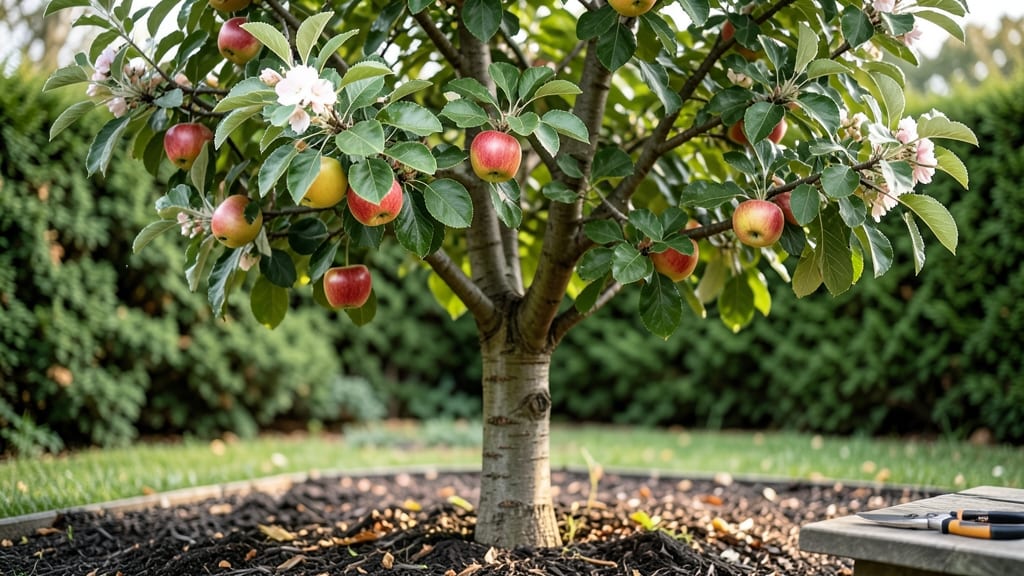
That first HoneyCrip apple tree harvest changes everything—crisp, sweet-tart bites straight from the branch. 🌟 I’ve grown this variety for five seasons, and the secret to its legendary fruit isn’t just patience—it’s precision trimming that keeps the tree productive year after year.
The branches hold their shape better than most, but skip the pruning, and you’ll end up with small, bitter apples or a tangled mess of wood.
Here’s the thing—HoneyCrips thrive when you mimic their natural growth habits. They need full sun (6+ hours daily) and well-draining soil, but the real magic happens in how you shape them. Open the center early to let light penetrate, and you’ll get larger, juicier fruit with fewer pests.
I’ve seen trees produce 200+ pounds of apples in a single season when pruned right, compared to just 50 pounds when neglected.
You’ll start seeing results within one growing season—fewer suckers, stronger branches, and apples that actually ripen evenly. The tree’s disease resistance helps too, so you spend less time spraying and more time enjoying the harvest.
By winter, your pruning skills will make the tree look like a work of art, not just another backyard shrub.
Works in zones 3-8, though southern gardeners should prune a little later to avoid summer stress. Whether you’re a beginner or a seasoned grower, this method keeps HoneyCrips happy—and your neighbors begging for a taste.
📚 In This Guide
- What you need
- Instructions
- Tips and common mistakes
- Wrapping up and next steps
What you need
- ● Pruning shears: Bypass pruners (sharp, clean, and disinfected with rubbing alcohol) for cuts under ½ inch in diameter.
- ● Loppers: 1 pair (for cuts between ½ inch and 2 inches in diameter). Opt for anvil-style if working with diseased wood.
- ● Pruning saw: 1 handheld saw (for thick branches over 2 inches). A bow saw or pruning saw works best.
- ● Gloves: Heavy-duty, cut-resistant gloves (e.g., mechanics’ gloves) to protect hands from thorns and sharp tools.
- ● Disinfectant: 70% isopropyl alcohol or a copper-based fungicide (e.g., Bonide Copper Fungicide) to sterilize tools between cuts.
- ○ Pruning sealant: Tree wound pruning paste (e.g., Tanglefoot Tree Wound Pruning Sealant) to coat large cuts (optional but recommended).
- ● Ladder or step stool: Sturdy, non-slip (e.g., Little Giant Ladder) for reaching higher branches.
- ● Marking twine or paint: Colored twine or non-toxic paint to tag branches for removal.
- ● Bucket or tarp: For collecting pruned branches and debris.
- ● Safety gear: Safety glasses and long sleeves to protect against debris and sap.
- ● Pole pruner: Extendable pruners (e.g., Fiskars 10-inch Extendable Pruner) for high branches without a ladder.
- ● Sharpener: A pruner sharpener to maintain tool edge.
- ● Tree growth regulator: Hydrogen dioxide spray (e.g., Dormant Oil Spray) to encourage healthy regrowth post-pruning.
- ● Notebook & pen: To jot down pruning notes (e.g., branch tags, seasonal reminders).
Step-by-Step guide to pruning your HoneyCrip apple tree
Master this seasonal routine and your tree will thrive year after year.
✂️ Step 1: Prune in Late Winter for Structure
Start your work 2-3 weeks before bud break when the tree is still dormant. This timing prevents disease spread and gives you a clear view of the branch structure. Use clean, sharp pruning shears to make cuts at a 45-degree angle just above an outward-facing bud.
Remove any dead, diseased, or crossing branches first—these compete with healthy growth. I always start with the largest cuts to avoid over-stressing the tree. Look for branches growing inward or rubbing against others; these will create wounds and invite pests if left unchecked. Keep your cuts within 1/4 inch of the bud to encourage smooth healing.
🌿 Step 2: Thin Out Overcrowded Branches in Early Spring
Once new growth appears but before leaves fully unfurl, focus on thinning the canopy. This is the most critical step for airflow and sunlight penetration. Select branches that are too close together—remove the weaker of the two to reduce competition. Aim for a well-spaced framework where sunlight can reach the center of the tree.
I like to step back every few cuts to visualize the tree's shape. Your goal is an open vase-like structure with a strong central leader. Avoid removing more than 25% of the tree's foliage in one season—this can shock the tree and reduce fruit production. Watch for water sprouts (thin, upright shoots) and remove them entirely; they drain energy from fruit development.
☀️ Step 3: Summer Light Pruning for Fruit Development
In mid-to-late summer, when the tree is actively growing but before harvest, do a final light pruning pass. Focus on suckers (shoots growing from the base or roots) and shoots growing straight up from the scaffold branches. These compete with fruit production and weaken the tree's structure.
Use hand pruners for small branches and loppers for thicker growth. Make cuts just above a leaf bud or lateral branch. This summer pruning encourages stronger wood development for next year's crop. I always prune on a dry, sunny day to reduce disease risk—never prune when leaves are wet or after rain.
⏰ Step 4: Post-Harvest Cleanup for Winter Prep
After you've harvested your HoneyCrip apples, spend 10-15 minutes cleaning up the tree. Remove any dead fruit clusters, mummified apples, and diseased leaves that remain. These harbor pests and diseases that will overwinter. Rake up and compost or discard all debris—never leave it under the tree.
This is also the time to sterilize your tools with rubbing alcohol or a 10% bleach solution to prevent spreading fungal spores. I like to sharpen my pruners while I work—dull blades tear wood and create larger wounds. Store your tools in a dry place until next season's pruning begins. A little winter maintenance now means fewer problems in spring.
Tips & tricks for perfect HoneyCrip apple tree maintenance
Here's what nobody tells you about keeping your HoneyCrip thriving—these tricks make all the difference.
Timing is Everything: That 2-3 week window before bud break in Step 1 is non-negotiable. I learned this the hard way after pruning too early and seeing new growth sprout from my cuts. Check your local frost dates—pruning too late can stress the tree when it's already pushing new leaves. A quick online search for "last frost date" in your area will give you the exact window to work with.
Visual Cues for Healthy Cuts: When making those 45-degree cuts in Step 1, look for the bud that's facing outward—this is your target. The cut should be smooth and clean, not jagged. I always test my pruners on a small twig first to make sure they're sharp enough. Dull blades create ragged cuts that heal poorly and invite disease. Think of it like making a precise surgical cut—cleanliness matters more than speed.
Seasonal Shape Check: After your early spring thinning in Step 2, take a step back and visualize your tree's shape. The goal is sunlight reaching all the way to the center—imagine you're looking at an open vase. If you can't see light through the branches from all angles, you've still got work to do. I like to sketch a simple diagram of my tree's structure before I start cutting, then refer back to it as I work.
Tool Maintenance Matters: That 10-15 minute cleanup in Step 4 is your chance to extend your tools' life. I keep a small toolkit with rubbing alcohol wipes and a sharpening stone right by my pruning area. Sterilizing your tools after harvest prevents fungal spores from hitching a ride to next year's cuts. Pro tip: Store your pruners with a drop of oil on the blades to prevent rust—this simple habit can save you from having to replace tools every few years.
Pro Tips for Honeycrip Apple Tree
- Here's what nobody tells you about keeping your HoneyCrip thriving—these tricks make all the difference.
- Timing is Everything: That 2-3 week window before bud break in Step 1 is non-negotiable.
- Visual Cues for Healthy Cuts: When making those 45-degree cuts in Step 1, look for the bud that's facing outward—this is your target.
Frequently asked questions
Got questions about the HoneyCrip apple tree and its year-round care?
You’re not alone! Here are answers to the most common queries—from pruning puzzles to harvest hacks—to keep your tree thriving.
When is the best time to prune a HoneyCrip apple tree for maximum fruit production?
Prune your HoneyCrip primarily in late winter or early spring (before buds swell) to encourage strong growth and fruit set. A light summer trim (after harvest) helps manage size and airflow. Avoid heavy pruning in fall—it invites disease. Pro tip: Use sharp tools and clean cuts to prevent damage!
How cold-hardy is the HoneyCrip apple tree, and does it need winter protection?
The HoneyCrip is zoned for USDA Hardiness Zones 5-9, handling temps down to -20°F (-29°C). Young trees or those in Zone 5 may need mulch or burlap wraps in harsh winters. Established trees? They’re tough—just keep soil moist before dormancy. Pro tip: Avoid pruning in extreme cold to prevent shock.
Why aren’t my HoneyCrip apples ripening evenly, and what can I fix?
Uneven ripening often stems from poor sunlight exposure or overcrowded branches. Thin fruit clusters in June to reduce competition, and prune to open the canopy. Check for pests (like codling moths) or fungal issues (like apple scab)—treat early! Bonus: HoneyCrips ripen late August–October; harvest when skin turns golden.
Can I grow a HoneyCrip apple tree in a container, or does it need a yard?
HoneyCrips prefer deep roots, so containers are tricky but possible! Use a 15+ gallon pot with drainage, and repot every 2–3 years. Place in full sun and fertilize regularly. Warning: Dwarf varieties (like ‘HoneyCrip’ grafts) adapt better than standard trees. Alternative: Try a patio-friendly apple like ‘Columnar’ if space is tight.
What’s the difference between HoneyCrip and other apple varieties like Fuji or Gala?
HoneyCrip is a heirloom hybrid prized for its sweet-tart flavor (like honey + crabapple) and year-round harvest window (fruits store well and ripen over months). Fuji and Gala are crisper, milder, and ripen faster. Key perk: HoneyCrips are disease-resistant and thrive in heat—perfect for Southern growers! Fun fact: They’re also great for fresh eating, cider, or baking.
My HoneyCrip leaves are yellowing—what’s wrong, and how do I save it?
Yellow leaves often signal overwatering, nutrient deficiency (like iron or nitrogen), or fungal issues. Troubleshoot:
- Check soil moisture—HoneyCrips hate soggy roots.
- Test soil pH (ideal: 6.0–6.5) and amend with compost.
- Spray with neem oil if you spot mildew or pests.
Wrapping up and next steps
Growing a HoneyCrip apple tree is a rewarding journey that combines patience, precision, and a touch of orchard magic. By mastering the art of year-round pruning—balancing open-center shaping, winter thinning, and summer maintenance—you’ll unlock a bountiful harvest of sweet, crisp fruit while keeping your tree healthy and vigorous. 🍏✨
Ready to transform your backyard into a thriving orchard? Start small: grab your pruners, review your seasonal checklist, and take the first cut with confidence. Every snip brings you closer to a tree that’s not just alive but bursting with potential!