
Propagation
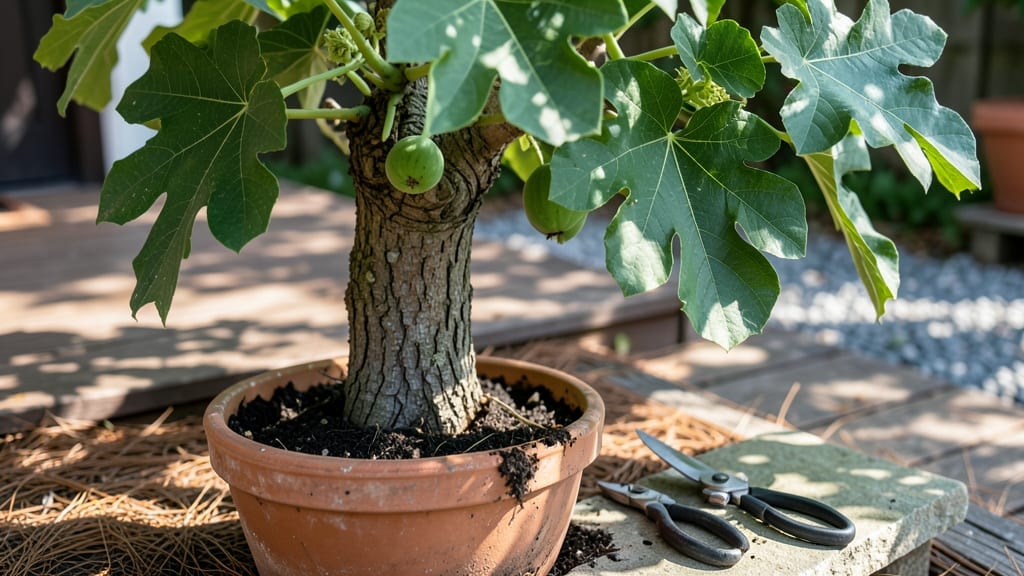
Growing a fig tree from a single fig is easier than you think—and the sweet reward makes it worth every step. 🌱 I’ve turned grocery-store figs into thriving trees that produce fruit in just a few seasons, and you can too.
The secret lies in patience, the right conditions, and knowing exactly when to plant those seeds or cuttings.
You’ll need just a few simple supplies: ripe figs (the fresher, the better), a small pot or tray, well-draining soil mix, and a sunny spot. The process starts with removing the seeds or preparing a cutting, then rooting them in either water or soil.
Humidity and warmth are key—think of it like giving your fig a cozy greenhouse environment until roots form.
By the time you’re transplanting your young tree, you’ll see those first leaves unfurling, signaling real progress. With consistent care—watering when the soil dries, fertilizing lightly in spring—the tree will grow strong enough to handle outdoor planting.
Imagine reaching for fresh figs straight from your own tree within a few years.
This method works in most climates, though warmer regions give you the fastest results. Whether you’re starting with seeds or cuttings, the payoff is a tree that thrives for decades. Ready to turn that grocery-store fig into a garden centerpiece?
📚 In This Guide
- What you need
- Instructions
- Tips and common mistakes
- Wrapping up and next steps
What you need
- ● 1 ripe fig – Choose a firm, unblemished fig (preferably organic or pesticide-free for best results).
- ● 1 sharp knife or pruning shears – For clean cuts (sterilize with rubbing alcohol if reusing).
- ● 1 small container or glass – At least 4–6 inches tall to hold water (e.g., a mason jar or small vase).
- ● Water – Room-temperature, filtered if possible.
- ○ Rooting hormone (optional but helpful) – Speeds up root growth (e.g., Rooting Compound by Dyna-Gro).
- ● Well-draining potting mix – A blend of 50% peat moss or coconut coir and 50% perlite or sand (sterilized).
- ● 4–6 inch diameter pot – With drainage holes (terracotta works great!).
- ● Plastic wrap or humidity dome – To maintain moisture while roots develop.
- ● Spray bottle – For gentle watering.
- ● Warm, indirect light – A sunny windowsill or grow light (figs thrive in 70–85°F (21–29°C)).
- ● Patience! – Roots may take 4–8 weeks to form.
- ● Outdoor space (later stage) – Figs need 6+ hours of sunlight daily once transplanted.
Step-by-Step instructions for propagating a fig tree from a fresh fig
Here's the foolproof method I've used to grow thriving fig trees from grocery store fruit.
🌱 Step 1: Select and Prepare Your Fig
Choose a fully ripe fig with a short stem—this is your future tree. Look for one that's soft to the touch but not mushy, with a sweet aroma. The stem should be at least 1-2 inches long to work with.
Remove the fig from the stem by gently twisting it off. Don't cut it—figs heal better when separated naturally. Place the stem in a glass of room-temperature water immediately to prevent drying out. You'll see tiny buds forming along the stem within a few days.
💧 Step 2: Root the Stem in Water
Change the water every 2-3 days to keep it fresh. Place the glass in bright, indirect light—near a south-facing window works best. You'll notice roots beginning to form at the base of the stem in about 3-4 weeks, though some varieties root in as little as 2 weeks.
Root growth is your signal to move to soil. Don't let the roots grow longer than 2-3 inches before transplanting—long roots break easily during transfer. Here's the thing—if the water gets cloudy before roots appear, your fig stem might not root. Try a fresh stem or a different fig variety.
🪴 Step 3: Transplant to Soil
Fill a 6-inch diameter pot with a well-draining potting mix—figs hate soggy roots. Make a hole in the center and gently place your rooted stem so the roots are covered but the top bud remains above soil level. Press lightly around the base to secure.
Water thoroughly until water runs from the drainage hole, then let it drain completely. Place the pot in a spot with 6-8 hours of sunlight daily. You'll see new growth within 2-3 weeks if everything's right. If leaves yellow or wilt, you're either overwatering or the light isn't sufficient.
☀️ Step 4: Establish and Care for Your Young Tree
Once your fig has 4-5 sets of leaves, it's ready for a 1-gallon pot with fresh potting mix. Figs grow fast—transplant again to a 3-gallon pot when roots fill the container. Always use pots with drainage holes to prevent root rot.
Water when the top 1-2 inches of soil feel dry. Figs are drought-tolerant once established, but young trees need consistent moisture. Feed with a balanced fertilizer every 4-6 weeks during growing season. You'll know it's working when you see vigorous new growth and dark green leaves.
⏰ Step 5: Prepare for Outdoor Planting
After your fig has grown for 1 year and shows 3-4 main branches, it's ready for the ground. Choose a location with full sun exposure and well-draining soil. Figs thrive in warm climates but can survive brief cold snaps if protected.
Plant in spring after the last frost date. Dig a hole twice as wide as the root ball but no deeper. Water deeply before and after planting. Mulch around the base to retain moisture and protect roots. Your fig will reward you with fruit in 2-3 years—patience pays off with sweet, homegrown figs.
Tips & tricks for growing a fig tree from a fig
Here's what I've learned from years of growing fig trees—these little tricks make all the difference between success and disappointment.
Selection Matters: In Step 1, don't just grab any fig from the grocery store. Look for ones with a thick, sturdy stem that's at least 1-2 inches long. I've found that Brown Turkey or Kadota figs root particularly well. The stem should feel firm but pliable—if it snaps easily, it won't survive the propagation process. Also, avoid figs with cracks or bruises, as they're more prone to rot.
Root Growth Timing: During Step 2, be patient but attentive. While roots typically appear in 3-4 weeks, some varieties like Chicago Hardy can sprout roots in just 2 weeks. Here's the thing—if you notice the water turning cloudy before roots appear, your fig stem may not be viable. This often happens with overripe figs. In that case, try a fresh stem from a different fig or variety. Once roots reach 2-3 inches, they're ready for transplanting—don't wait longer or they'll become brittle.
Transplanting Technique: When moving your rooted stem to soil in Step 3, handle it like you're cradling a baby bird—gentle but firm. The roots are delicate at this stage. I like to use a small trowel to create a hole in the 6-inch pot, then carefully place the stem so the roots are covered but the top bud stays above soil level. This positioning is crucial because it's where new growth will emerge. After transplanting, give it a thorough watering until it drains completely—this helps settle the soil and removes air pockets around the roots.
Light and Water Balance: In Step 4, finding the right balance between light and water is key. Place your young fig in a spot with 6-8 hours of sunlight daily, but avoid direct midday sun which can scorch tender new leaves. I've learned that morning sun with afternoon shade works best. When watering, stick your finger 1-2 inches into the soil—if it feels dry, it's time to water. Overwatering is the #1 killer of young fig trees, so always let excess water drain completely from the pot before placing it back in its saucer.
Pro Tips for Grow A Fig Tree From A Fig
- Here's what I've learned from years of growing fig trees—these little tricks make all the difference between success and disappointment.
- Selection Matters: In Step 1, don't just grab any fig from the grocery store.
- Root Growth Timing: During Step 2, be patient but attentive.
Frequently asked questions
Got questions?
Growing a fig tree from a fresh fig is easier than you think—but a few common concerns can trip up even the greenest thumbs. Below, we’ve answered the most burning questions to keep your propagation journey smooth.
How long does it take for a fig cutting to root?
A fig cutting typically takes 4–8 weeks to develop roots, depending on temperature, humidity, and care. Keep the soil moist (not soggy) and place it in bright, indirect light. Patience pays off—once roots form, your cutting is ready for a permanent home! Pro tip: Use a humidity dome or plastic bag to speed up rooting.
Can I grow a fig tree from a store-bought fig?
Yes, but choose ripe, organic figs (non-GMO) for best results. Store-bought figs treated with preservatives may not sprout well. Opt for heirloom varieties like Brown Turkey or Black Mission, which are more reliable. Always wash the fig thoroughly before planting!
What’s the best time of year to propagate fig trees?
Spring (after last frost) or early summer is ideal—fig cuttings root best in warm soil (60–75°F). Avoid winter propagation, as cold temps slow growth. If you’re in a mild climate, late summer can work too, but reduce watering to prevent rot.
Why isn’t my fig cutting sprouting leaves?
No leaves? Don’t panic! Check these fixes:
- Light issues: Move to brighter (but indirect) light.
- Overwatering: Let soil dry slightly between waterings.
- Root rot: Trim mushy roots and repot in fresh, well-draining soil.
- Patience: Some cuttings take longer—wait 2–3 months before worrying.
Can I grow a fig tree indoors?
Dwarf fig varieties (like Little Miss Figgy) thrive indoors near a sunny window. Use a pot with drainage holes and fertilize lightly in spring/summer. Just be ready to move it outdoors in summer for faster growth. Watch for: Spider mites (dry air) and leggy growth (lack of light).
Will my fig tree stay small, or will it grow huge?
Fig trees are fast growers—some varieties (like Celeste) can reach 20–30 feet outdoors! To keep it manageable:
- Prune regularly to shape and control size.
- Choose dwarf varieties for containers.
- Plant in a large pot (15+ gallons) if growing indoors.
Wrapping up and next steps
Growing a fig tree from a single fig is a rewarding journey that combines patience, care, and a little bit of science! 🌱 With the right tools, a sunny spot, and consistent attention, you’ll soon watch those tiny roots transform into a thriving plant. Remember: success starts with healthy figs, proper moisture, and a little love.
Now that you’re armed with knowledge, take the next step—pick your favorite figs, grab your supplies, and get growing! Whether you’re a beginner or a seasoned gardener, this project is a delicious way to connect with nature. Happy planting! 🌿✨