
Propagation
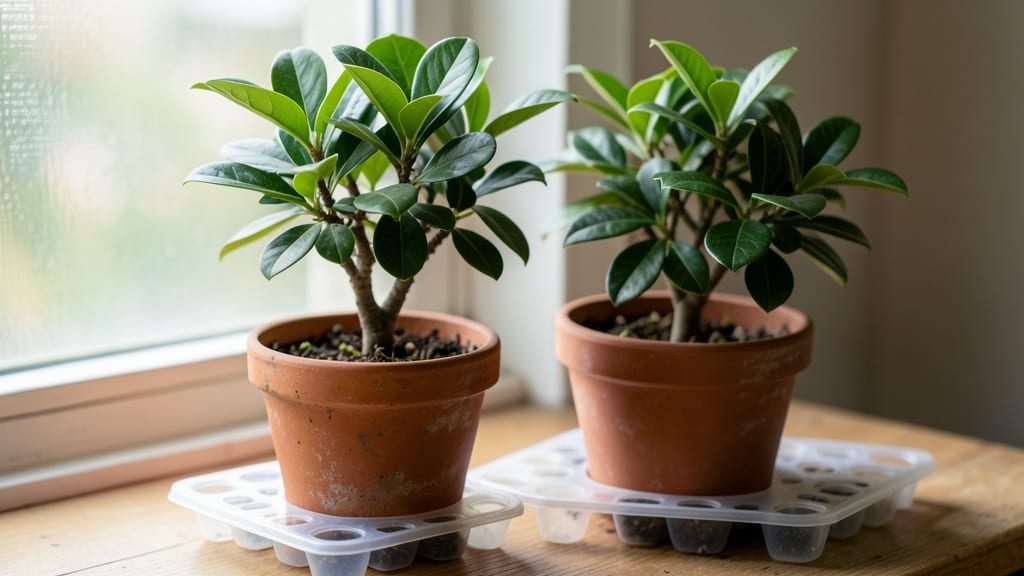
Growing a loquat tree from seed means tropical fruit potential in just six months—though the real payoff comes years later when you’re harvesting golden, honey-sweet loquats. 🌱 I’ve started dozens from seed, and the first flush of leaves always feels like a small victory, even if fruiting takes patience.
The key is getting those seeds to sprout reliably, which means understanding their quirks before they even crack open.
You’ll need just a few simple supplies: fresh loquat seeds (saved from store-bought fruit), a shallow tray or seed-starting mix, and a warm spot with bright indirect light. The trickiest part? Loquat seeds germinate best when fresh—older seeds lose their vigor fast.
Once they sprout, you’ll watch those first leaves unfurl in 2-4 weeks, signaling the start of a long-term relationship with your tree.
By the time your seedling reaches 6 inches tall, it’s ready for its first transplant into a pot. This is where most beginners rush and stunt their tree’s growth—loquats hate being moved too soon.
With consistent care, you’ll have a sturdy sapling in a year, though fruiting could take 3-5 years (or longer). The reward? A tree that thrives in warm climates and rewards your patience with lush foliage and eventual harvests.
This method works best in USDA Zones 9-11, but container-growing extends the range. If you’re in a cooler zone, treat it as a houseplant and bring it outside in summer.
The real secret? Starting early and letting nature take its time—your loquat tree will thank you with glossy leaves and, one day, fruit that tastes like sunshine.
📚 In This Guide
- What you need
- Instructions
- Tips and common mistakes
- Wrapping up and next steps
What you need
- ● Loquat seeds – 3-5 fresh, plump seeds (harvested from a ripe, organic loquat fruit). Pro tip: 💡 Store seeds in a paper towel in the fridge until ready to plant!
- ○ Small pots or seed trays – 3-4 (4-6 inches in diameter) with drainage holes. Optional: Use biodegradable pots for easy transplanting.
- ● Well-draining potting mix – 1-2 bags (a blend of peat, perlite, and coconut coir works well).
- ● Spray bottle – For gentle watering.
- ● Plastic wrap or humidity dome – To retain moisture during germination.
- ● Grow lights or sunny windowsill – A warm, bright spot (70-80°F) is ideal for germination.
- ● Fertilizer (balanced, water-soluble) – 1 small bottle (e.g., 10-10-10 or fish emulsion) for post-germination care.
- ● Pruning shears or scissors – For trimming seedlings as they grow.
- ● Seedling heat mat – Speeds up germination in cooler climates.
- ● pH testing kit – Ensures your soil is slightly acidic (6.0-6.5) for optimal growth.
- ● Mulch (e.g., straw or wood chips) – Protects young plants from temperature fluctuations.
- ● Trellis or support stake – Useful once the tree reaches 3-4 feet tall.
Step-by-Step guide to growing a loquat tree from seed
Here's how to nurture a tropical loquat tree from seed to sapling in months.
🌱 Step 1: Extract and Prepare the Seeds
Loquat seeds need freshness—use seeds from a ripe fruit within 24 hours of harvest. Cut the fruit open and scoop out the large, flat seeds. Rinse them gently under cool water to remove any pulp clinging to the surface. Here's the thing—loquat seeds have a hard outer shell that slows germination, so we'll need to soften it.
Place the seeds in a small bowl and cover them with lukewarm water for 24 hours. This softens the seed coat and kickstarts the germination process. After soaking, check for any seeds that float—they won't sprout. Discard those and focus on the ones that sink to the bottom of the bowl. You'll want 4-6 viable seeds for your project.
🪴 Step 2: Plant the Seeds in a Moist Growing Medium
Fill a small 4-inch diameter pot with well-draining potting mix. I like to mix equal parts of the potting mix with perlite to improve aeration—this prevents the seeds from rotting before they sprout. Moisten the mix until it feels like a damp sponge, but not dripping wet.
Plant the prepared seeds about ½ inch deep in the soil. Space them 1 inch apart if planting multiple seeds in the same pot. Gently press the soil around each seed to ensure good contact. Don't overpack the soil—you want the mix to stay loose so the tiny roots can push through easily. Water lightly with a spray bottle to settle the soil without disturbing the seeds.
☀️ Step 3: Provide Warmth and Humidity for Germination
Loquat seeds germinate best in warmth, ideally between 75-85°F. Place the pot in a location where it can maintain this temperature range, like on top of a refrigerator or near a sunny window. Cover the pot with a clear plastic dome or plastic wrap to retain moisture and create a mini greenhouse effect. This keeps the soil consistently moist, which is critical for germination.
Check the pot daily to ensure the soil stays damp but not soggy. Mist with water if the surface feels dry to the touch. You'll see the first signs of germination in 2-4 weeks—tiny green sprouts will push through the soil. Once they appear, remove the plastic cover immediately to prevent fungal growth. This is the moment that matters: keep the soil moist but not wet, and place the pot in bright, indirect light to encourage strong growth.
🌿 Step 4: Transplant and Care for Young Seedlings
When the seedlings reach 3-4 inches tall and have developed 2-3 sets of true leaves (not just the initial seed leaves), it's time to transplant them into individual 6-inch pots. Use the same well-draining potting mix to fill the new pots. Gently remove the seedlings from the original pot, taking care not to damage the roots. Plant each seedling at the same depth it was growing before.
After transplanting, place the pots in a location with bright, indirect sunlight for the first week to help the seedlings adjust. Gradually introduce them to direct sunlight over the next 2-3 weeks. Water the seedlings when the top ½ inch of soil feels dry. Avoid overwatering—loquat seedlings are sensitive to root rot, so it's better to underwater slightly than to drown them. You'll notice new growth within a week if everything is on track.
Tips & tricks for growing a loquat tree from seed
Here's what nobody tells you about nurturing these tropical seeds into thriving trees.
Seed Selection Matters: In Step 1, when you're scooping out those seeds, focus on the largest, plumpest ones—they're the most likely to sprout. I've found that seeds from fully ripe loquats (deep orange-yellow color) have the highest germination rates. After rinsing, let them dry slightly before soaking—the extra moisture from the fruit can encourage mold growth during the 24-hour water soak. This simple step can double your success rate.
Temperature Control: The 75-85°F range in Step 3 is non-negotiable for germination. If your home stays cooler than 70°F, consider using a seedling heat mat ($10 at garden centers) underneath your pot. I've seen germination times stretch to 6-8 weeks in cooler conditions without one. For extra warmth, place your pot on top of your refrigerator—it creates a perfect microclimate. The key is maintaining consistent warmth during those critical first 2-4 weeks.
Transplanting Strategy: When you're ready for Step 4 and transplanting those 3-4 inch seedlings, here's a pro move: Gently score the bottom of each 6-inch pot with a butter knife before planting. This creates drainage channels that prevent waterlogging. I've lost count of seedlings that failed because of root rot from poor drainage. Also, avoid fertilizing immediately after transplanting—wait at least 2 weeks to let the roots establish.
Pro Tips for Grow A Loquat Tree From Seed
- Here's what nobody tells you about nurturing these tropical seeds into thriving trees.
- Seed Selection Matters: In Step 1, when you're scooping out those seeds, focus on the largest, plumpest ones—they're the most likely to sprout.
- Temperature Control: The 75-85°F range in Step 3 is non-negotiable for germination.
Frequently asked questions
Got questions about growing a loquat tree from seed? You’re not alone! Here are answers to the most common queries—so you can confidently start your tropical adventure.
How long does it take for a loquat seed to sprout?
A loquat seed typically sprouts within 2–4 weeks if kept in warm, moist conditions. Patience is key—some seeds may take up to 6 weeks to crack open. Once sprouted, keep the soil consistently damp (but not soggy) to encourage strong root growth. Pro tip: Use a heat mat if your home runs cool!
Will my loquat tree from seed bear fruit?
While possible, it’s unlikely—especially in the first 5–10 years. Seed-grown trees often produce smaller, less flavorful fruit (or none at all) because they’re not true to the parent plant. For reliable fruit, consider grafting or buying a nursery-grown tree. That said, the tree’s beauty and hardiness make it a rewarding ornamental plant!
Can I grow a loquat tree indoors?
Loquat trees thrive outdoors in USDA Zones 8–11, but you can try container growing indoors near a sunny window or under grow lights. Expect slower growth and smaller fruit. If indoors, rotate the pot weekly for even light exposure and prune aggressively to control size. Outdoor planting (even in partial shade) yields far better results! Watch for: leggy growth or pest issues.
What pests should I watch for when growing loquat trees?
Common pests include:
- Scale insects: Sticky residue on leaves? Scrape off with a damp cloth or use neem oil.
- Aphids: Clustered on new growth? Blast off with water or apply insecticidal soap.
- Whiteflies: Yellowing leaves? Sticky traps or yellow cards help monitor them.
Prevent issues by keeping the tree healthy and well-watered. Organic sprays work best for young seedlings. Prevention tip: Inspect leaves weekly during warm months!
Can I grow a loquat tree from a store-bought fruit?
Just save the large, flat seeds from fresh loquat fruit (avoid canned or overly ripe ones). Rinse seeds gently to remove pulp, then dry them before planting. Note: Store-bought seeds may not yield true-to-type fruit, but the tree’s ornamental value is still stunning. Fun fact: Some varieties (like ‘Big Jim’) produce edible fruit faster than others!
Wrapping up and next steps
Growing a loquat tree from seed is a rewarding journey that connects you to nature’s sweet surprises! With patience, the right care, and a little tropical love, you’ll watch your tiny seed transform into a thriving tree in just 6 months.
The best part? You’re not just nurturing a plant—you’re cultivating a future full of fragrant blossoms and juicy fruit.
Now that you’re armed with tips and tricks, take the first step today—plant that seed and let the magic unfold! Whether you’re a seasoned gardener or a curious beginner, every seedling starts somewhere. Happy growing! 🌱✨