
Picking
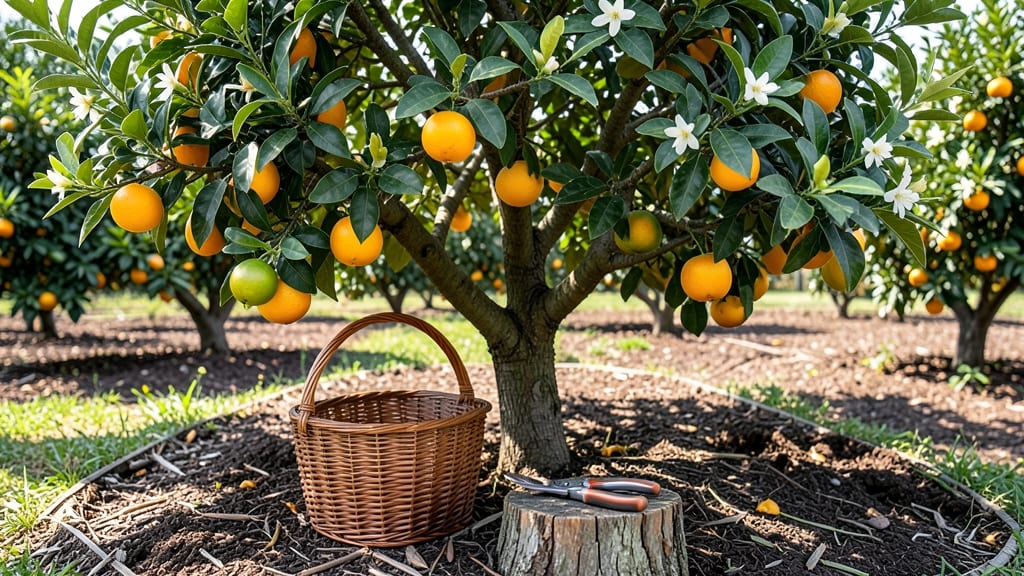
Picking oranges from your tree at just the right moment means the difference between sweet, juicy fruit and mealy, bitter disappointment. 🌱 I’ve learned the hard way—wait too long, and you’re left with overripe mess; harvest too early, and you’ll regret it when the flavor falls flat.
The secret starts with spotting ripe fruit: firm to the touch but yielding slightly, with a deep orange color that’s consistent across the skin. A gentle twist should release the fruit without forcing—if it resists, it’s not ready yet.
You’ll need basic tools: a small ladder for taller trees, sharp pruning shears for stubborn branches, and a bucket or basket to collect your harvest. Timing matters too: mornings after a light rain make for the easiest picking.
Once you’ve got the ripe ones, handle them like treasure—don’t drop them, and avoid bruising the skin. A well-picked orange should last weeks in a cool, dry place or even months in the fridge.
The satisfaction of biting into a perfectly ripe orange, plucked from your own tree, is worth every minute of patience.
This method works for any citrus tree—whether you’ve got a single dwarf Meyer lemon or a full-sized Valencia orange grove. The key is gentle technique and sharp observation. Now, let’s get those oranges off the tree without a single scratch.
📚 In This Guide
- What you need
- Instructions
- Tips and common mistakes
- Wrapping up and next steps
What you need
- ● Ladder or sturdy step stool – A 6- to 10-foot extension ladder (or a 4-foot step stool for shorter trees) to safely reach higher branches. Ensure it’s non-slip and weight-rated for at least 250 lbs.
- ● Harvesting gloves – A pair of lightweight, breathable gloves (e.g., gardening or fruit-picking gloves) to protect your hands from thorns and rough branches.
- ● Harvesting bags or buckets – Mesh produce bags (10–20 lb capacity) to keep oranges from bruising.
- ● 5-gallon plastic buckets with handles (2–3 buckets) for larger harvests.
- ● Pruning shears or harvest scissors – Bypass pruners (6–8 inch blades) for clean cuts, or harvest-specific shears to avoid damaging the tree.
- ○ Sharp knife or harvesting knife – A small, serrated knife (optional) for cutting stubborn stems if pruners aren’t available.
- ● Water spray bottle – A 1–2 gallon spray bottle with water to mist oranges and remove dirt before picking.
- ● Lifting straps or sling – A wide, padded shoulder strap to carry heavy buckets hands-free.
- ● Orange picker tool – A long-handled hook or claw (e.g., fruit-picking pole) for oranges in hard-to-reach spots.
- ● Sun protection – Wide-brim hat, UV-blocking sunglasses, and sunscreen (especially if harvesting midday).
- ● Notebook or app – To track tree variety, ripeness notes, or harvest dates for future reference.
- ● ✅ Check tree health – Ensure the tree is free of pests/diseases (e.g., no mold, holes, or wilting leaves).
- ● ✅ Verify ripeness – Pick only fully colored oranges (deep orange/yellow, not green). A gentle squeeze should yield slightly.
- ● ✅ Weather window – Harvest on a cool, dry morning (avoid rain or extreme heat to prevent bruising).
- ● ✅ Safety first! – Wear closed-toe shoes and avoid picking near power lines or unstable branches.
Step-by-Step guide for harvesting oranges at peak ripeness
Here's how I determine ripeness and harvest oranges without damaging the tree or fruit.
🌿 Step 1: Identify Ripeness Through Color and Texture
Mature oranges transition from green to their signature deep orange hue, but color alone isn't enough. Roll the fruit gently in your palm—ripe oranges feel heavy for their size and yield slightly to pressure, like a ripe avocado. Unripe ones bounce back firmly. I test 2-3 fruits per cluster to confirm ripeness before harvesting.
Check the stem end for a subtle change in color—ripe oranges develop a slightly darker, almost brownish tint where they attach to the tree. This indicates the fruit has fully matured. If you're harvesting for fresh eating, wait until the fruit is fully colored and slightly soft to touch. For juicing, you can harvest slightly earlier when they're still firm but colored.
🍊 Step 2: Choose the Right Tools and Timing
Use clean, sharp pruning shears or a small harvesting knife to avoid tearing the fruit or damaging the tree. I always sterilize my tools with rubbing alcohol before harvesting to prevent spreading disease between trees. Early morning is the best time to pick—fruits are cooler and less likely to bruise when handled.
Never harvest when the fruit is wet or when frost is forecasted within 24 hours. The cold can cause internal damage that ruins the flavor. If you're harvesting multiple trees, work from the ground up to avoid standing on lower branches, which can compact the soil and harm the tree's root system.
✂️ Step 3: Harvest Gently to Preserve Fruit Quality
Grasp the fruit firmly but gently, then twist it slowly while pulling away from the tree. The stem should separate cleanly without leaving a stub. If the fruit resists, it's not yet ripe—leave it on the tree for another week. I always leave a small portion of the stem attached to help the fruit last longer in storage.
Handle oranges carefully to avoid bruising, which can lead to rot. Place harvested fruit in a single layer in a shallow container rather than piling them. This prevents pressure damage and allows air circulation, which helps maintain freshness. If you're harvesting for long-term storage, sort the fruit immediately—discard any with soft spots, cracks, or signs of pest damage.
🪴 Step 4: Store and Enjoy Your Fresh Harvest
Store oranges at room temperature for up to a week if you plan to use them quickly. For longer storage, place them in the refrigerator crisper drawer, where the humidity helps preserve freshness for up to two weeks. I like to separate varieties in the fridge to prevent flavor mixing.
To extend shelf life even further, you can freeze oranges by peeling, segmenting, and placing them in airtight containers. For fresh eating, enjoy within a few days of harvest when the flavor is at its peak. The first few oranges you pick will always taste the best—sweet, juicy, and bursting with flavor straight from the tree.
Tips & tricks for perfect orange harvesting
Here's what I wish I knew before harvesting my first batch of oranges—these tricks will help you spot ripe fruit and handle them like a pro.
Visual and Texture Cues: In Step 1, when checking ripeness, pay special attention to the fruit's weight. A ripe orange should feel noticeably heavier than its size suggests—almost like it's filled with juice. I learned this the hard way by picking oranges that looked ripe but were still firm and sour inside. The slight give when you gently press your thumb into the skin is your best indicator of perfect ripeness.
Timing Secret: The 24-hour frost warning in Step 2 is non-negotiable. Cold temperatures damage the fruit's cell structure, causing it to become mealy and lose its vibrant flavor. I've seen oranges that looked perfect turn to mush overnight after a surprise frost. Always check your local forecast before harvesting, especially in late fall or early spring when temperatures can drop unexpectedly.
Harvesting Technique: When twisting the fruit in Step 3, apply gentle but firm pressure—think of it like unscrewing a jar lid. The stem should come away cleanly with just a slight tug. If you're struggling, the fruit might not be fully ripe yet. I've found that harvesting at the tree's natural angle (rather than pulling straight down) prevents the stem from tearing, which keeps the fruit fresher longer.
Storage Wisdom: For Step 4, if you're storing oranges for more than a week, consider placing a few apple slices in the storage container. The ethylene gas they release helps maintain the oranges' freshness. I discovered this trick when my oranges started drying out too quickly in the fridge—now they stay juicy for weeks. Just remove the apples before eating to avoid any flavor transfer.
Pro Tips for Pick Oranges From Tree
- Here's what I wish I knew before harvesting my first batch of oranges—these tricks will help you spot ripe fruit and handle them like a pro.
- Visual and Texture Cues: In Step 1, when checking ripeness, pay special attention to the fruit's weight.
- Timing Secret: The 24-hour frost warning in Step 2 is non-negotiable.
Frequently asked questions
Got questions about picking oranges straight from the tree? You’re not alone! Here are some of the most common concerns—plus quick, practical answers to help you harvest like a pro.
When is the best time of day to pick oranges?
The ideal time to pick oranges is on a cool morning after dew has dried but before the sun gets too hot (around 8–10 AM). This reduces bruising and makes the fruit easier to handle. Avoid midday heat, as oranges can overripen quickly on the tree.
How do I know if an orange is ripe enough to pick?
Ripe oranges are brightly colored (deep orange, not green), slightly soft when gently squeezed, and fragrant near the stem. If it detaches easily with a gentle twist, it’s ready! Unripe oranges will feel hard and may fall off before ripening fully.
Can I pick oranges without damaging the tree?
Use a fruit picker or a small ladder to avoid climbing. Always grasp the orange near the stem (not the fruit) and twist slowly to prevent tearing branches. Never pull or yank—patience keeps the tree healthy for future harvests!
What should I do if an orange won’t come off the tree?
If an orange resists, it might not be fully ripe or could be stuck due to moisture. Try rocking it gently side to side or using pruning shears (sterilized!) to cut the stem cleanly. Avoid leaving stubs—this can invite disease. If many oranges are stubborn, check for pests or disease first.
How long can I store freshly picked oranges?
Freshly picked oranges last 1–2 weeks at room temperature if stored in a cool, dry place (like a fruit bowl). For longer storage, refrigerate them (they’ll keep for up to a month). To extend shelf life, don’t wash them until ready to eat—moisture speeds up spoilage.
Wrapping up and next steps
Picking oranges from your tree is a rewarding experience that connects you to nature’s bounty—just remember to check for ripeness, harvest gently, and store them properly for the freshest flavor.
With the right tools and techniques, you’ll enjoy juicy, sweet fruit straight from the tree all season long! 🍊✨
Now that you’re ready to harvest, why not share your success? Try making fresh-squeezed orange juice, bake a citrusy treat, or even gift your neighbors with your homegrown goodness. Happy picking!