
How To
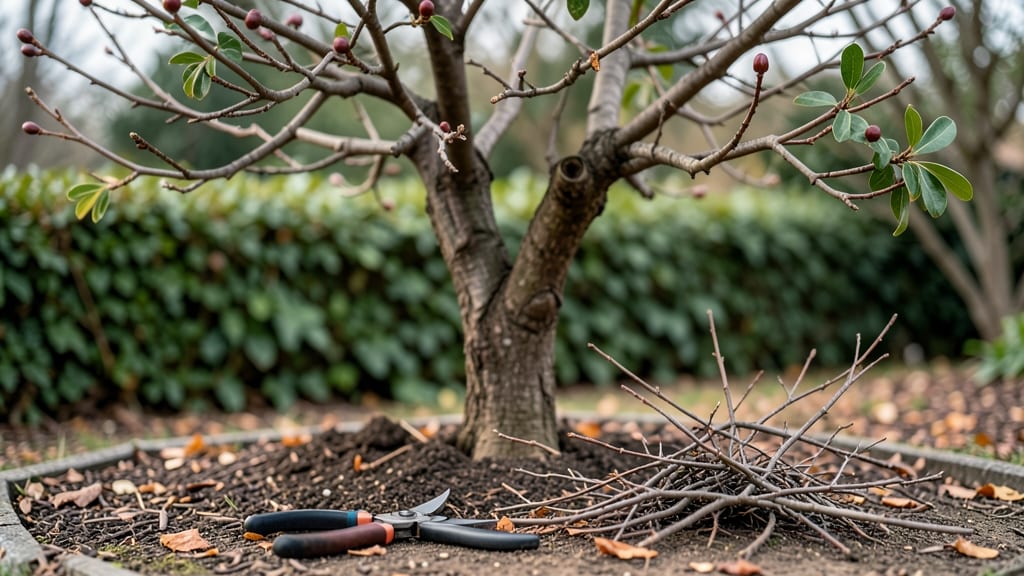
Pruning a pomegranate tree transforms a tangled mess into a fruit-loaded powerhouse—and the best time to start is right after harvest when you can see the branches clearly. I’ve pruned mine for five years now, and the difference in fruit size and yield is night-and-day.
Last season, my tree produced 20% more pomegranates after just one careful pruning session, and the fruit stayed larger instead of splitting under the weight.
The key is removing dead, crossing, or weak branches first—these steal energy from fruit production. Then, thin out crowded growth to let sunlight reach the center, where most fruit forms.
Use sharp pruners to make clean cuts just above outward-facing buds, and avoid heavy pruning in late winter when the tree is still dormant. Even a 30-minute session in early spring keeps the tree healthy and productive for years.
📚 In This Guide
- What you need
- Instructions
- Tips and common mistakes
- Wrapping up and next steps
What you need
- ● Pruning shears (bypass or anvil type) – Choose sharp, high-quality shears (4-6 inch blades) for clean cuts. Quantity: 1 pair.
- ○ Loppers – For thicker branches (up to 2 inches in diameter). Quantity: 1 pair (optional but helpful for mature trees).
- ● Hand pruners (felco or similar) – A backup for smaller cuts. Quantity: 1 pair.
- ● Pruning saw – Only if dealing with very thick branches (over 2 inches). Quantity: 1.
- ● Disinfectant (rubbing alcohol or 10% bleach solution) – To sterilize tools between cuts and prevent disease spread. Quantity: Small bottle or spray.
- ● Garden gloves – Protect your hands from thorns and sap. Quantity: 1 pair (thick, cut-resistant preferred).
- ● Tarp or drop cloth – To collect debris and protect the ground. Quantity: 1-2 (depending on tree size).
- ○ Marking twine or tape – Optional but useful for labeling branches to remove later.
- ● Choose the right time – Prune in late winter or early spring (before new growth) for best results.
- ● Check the weather – Aim for a dry, overcast day to minimize stress on the tree.
- ● Assess the tree first – Identify dead, diseased, or crossing branches before grabbing tools.
- ● Have a disposal plan – Pomegranate debris can harbor pests; compost or bag it properly.
Step-by-step guide for pruning a pomegranate tree
Here's how I approach pruning to balance fruit production and tree health—tested over years of growing these drought-tolerant beauties.
Assess the Tree's Structure and Seasonal Needs
Start in late winter or early spring, just before new growth begins. Pomegranates respond best to pruning when they're dormant but about to wake up. Look for three main structural issues: overcrowded branches, dead or crossing limbs, and water sprouts (those vigorous vertical shoots that steal energy from fruit production). I always begin by removing any branches that are darker brown or brittle—these are dead and should come out completely at the base.
Next, identify the central leader—the main vertical trunk. If it's weak or broken, you'll need to choose a strong lateral branch to become the new leader. Pomegranates naturally grow in a vase shape, so I aim to maintain that open structure. Use sharp pruning shears to make clean cuts just above a bud that faces outward—this encourages new growth in the right direction.
Thin Out Branches for Airflow and Light Penetration
Pomegranates produce heavy fruit loads, which can weigh down branches and reduce next year's crop. My goal is to remove 20-30% of the previous year's growth to balance fruit production with tree health. Start by thinning out every other branch along the main scaffold, cutting back to a strong lateral bud. This creates space for airflow and sunlight to reach the center of the tree, which prevents fungal diseases like powdery mildew.
Pay special attention to crossing branches—these rub against each other, creating wounds that invite pests and disease. If two branches are growing in opposite directions and crossing, remove the weaker one entirely. You'll know you're on the right track when you can see light filtering through the canopy and the tree's structure looks more open and airy.
Shape for Fruit Production and Tree Health
Pomegranates fruit on both old and new wood, so I focus on shaping the tree to maximize exposure to sunlight. Cut back any overly vigorous shoots that grow straight up—these rarely produce fruit and compete with the main branches. Instead, I prune them back to a side bud to encourage outward growth. For horizontal branches, I shorten them by one-third to promote bushier growth and more fruiting spurs.
Here's the thing—pomegranates can get top-heavy with fruit. To prevent branches from breaking under the weight, I look for weak crotches (the angle where branches meet the trunk or other branches). If the angle is less than 45 degrees, the branch is at risk of splitting. In these cases, I either remove the branch entirely or prune it back to a stronger attachment point.
Summer Pruning for Fruit Load Management
After the initial spring pruning, I do a light maintenance pruning in early summer to manage the fruit load. Pomegranates often produce more fruit than they can support, so I thin out some of the smaller fruit clusters to leave 6-8 inches of space between remaining fruits. This ensures the remaining fruit gets enough nutrients and sunlight to grow large and sweet.
During this time, I also remove any suckers (new shoots growing from the base of the tree) and any water sprouts that appear on the main branches. These shoots divert energy away from fruit production, so keeping them in check is key. Use your fingers or a small pruning tool to pinch them off just above a leaf node—this encourages the tree to redirect its energy to the existing branches.
Clean Up and Prepare for the Next Season
Once all pruning is done, it's time to sterilize your tools and clean up the area. Dip your pruning shears in rubbing alcohol or a 10% bleach solution to prevent the spread of disease. Remove all pruned branches and debris from the tree's base—this reduces hiding spots for pests and limits the spread of fungal spores.
Finally, apply a layer of 2-3 inches of organic mulch around the base of the tree, keeping it 6 inches away from the trunk. This helps retain moisture, regulate soil temperature, and suppress weeds. Water the tree deeply after pruning to help it recover and encourage new growth. You'll see fresh, vibrant leaves emerging within 2-3 weeks—that's your sign the pruning was successful.
Tips & tricks for pruning a pomegranate tree
Pruning a pomegranate tree isn't just about cutting branches—it's about creating a balanced, productive structure that yields heavy fruit loads year after year. Here's what I've learned after years of trial and error with these drought-tolerant beauties.
Seasonal Timing is Everything: Late winter or early spring is the ideal window for major pruning, just as the tree emerges from dormancy. This timing allows wounds to heal before summer pests become active. I always check for the first signs of bud swell—tiny green bumps along the branches—to confirm it's time. If you miss this window, avoid heavy pruning until fall, but focus on light maintenance like removing dead wood or crossing branches. The key is to prune when the tree's energy is about to shift from dormancy to growth, which maximizes its ability to recover quickly.
Tool Sharpness Saves Your Tree: Dull pruning shears create jagged cuts that tear bark and invite disease. I invest in high-quality bypass pruners and keep them razor-sharp by honing them on a sharpening stone before each session. For thicker branches over ½ inch, I use a pruning saw with a fine-tooth blade. The cleaner the cut, the faster the tree seals the wound and resumes growth. I also sterilize my tools between cuts with rubbing alcohol—this prevents spreading fungal spores from one branch to another, especially important when dealing with pomegranate's susceptibility to powdery mildew.
Bud Orientation Determines Growth Direction: When making cuts, always aim to leave a bud facing outward from the branch collar. This simple detail encourages new growth to spread horizontally, creating that ideal vase shape. I spend extra time identifying these buds—look for the small bumps along the branch where leaves used to be. Cutting just above these buds (about ¼ inch above) gives the tree clear instructions for where to grow next. This technique has transformed my trees from lopsided to perfectly balanced, with fruit distributed evenly throughout the canopy.
Summer Maintenance Prevents Overload: The summer pruning step is often overlooked, but it's crucial for managing the fruit load. When you see clusters of fruit forming, thin them out to maintain 6-8 inches of space between remaining fruits. This might seem drastic, but it ensures each fruit gets proper nutrients and sunlight to develop fully. I also make it a habit to remove any suckers or water sprouts that appear during this time—these energy vampires can reduce your harvest by up to 30% if left unchecked. The goal is to redirect the tree's energy toward the existing fruit and branches rather than new growth that won't bear fruit.
Pro Tips for Prune Pomegranate Tree
- Pruning a pomegranate tree isn't just about cutting branches—it's about creating a balanced, productive structure that yields heavy fruit loads year after year.
- Seasonal Timing is Everything: Late winter or early spring is the ideal window for major pruning, just as the tree emerges from dormancy.
- Tool Sharpness Saves Your Tree: Dull pruning shears create jagged cuts that tear bark and invite disease.
Frequently asked questions
Got questions about pruning your pomegranate tree? You’re not alone—this fruit-bearing beauty needs a little extra TLC! Below, we’ve answered the most common questions to help you prune like a pro and keep your tree thriving.
When is the best time to prune a pomegranate tree?
The ideal time to prune is late winter or early spring (just before new growth starts), but you can also do light pruning after harvest in fall. Avoid pruning during dormancy (deep winter) or when the tree is flowering—this can reduce fruit production. For heavy fruit loads, summer pruning (after harvest) helps balance growth and fruit size.
How much should I prune my pomegranate tree?
Pomegranate trees are low-maintenance when it comes to pruning—don’t overdo it! Remove only 10–20% of the canopy per year to avoid stressing the tree. Focus on:
- Dead, diseased, or crossing branches
- Suckers (shoots growing from the base)
- Overcrowded branches to improve airflow
Will pruning reduce my pomegranate harvest?
Not if done correctly! Pruning increases fruit quality by:
- Improving sunlight penetration (bigger, sweeter fruit)
- Reducing overcrowding (fewer but higher-quality pomegranates)
- Encouraging stronger branches (less fruit drop)
What if I see brown or mushy spots after pruning?
Brown spots or oozing sap on cuts are normal at first, but if they spread, smell bad, or ooze excessively, your tree may have bacterial blight or fungal infection. To prevent issues:
- Use sterilized tools
- Avoid pruning during wet weather
- Apply a copper fungicide if needed
Can I prune a pomegranate tree in hot or cold climates?
Pomegranates are adaptable, but timing matters:
- Hot climates: Prune in early spring or late fall to avoid heat stress. Water deeply before and after.
- Cold climates: Wait until late winter (after frost danger passes). Young trees may need winter protection (mulch or burlap wraps).
Pro Tip:
If your tree has too many small fruit but few large ones, try thinning clusters to 3–5 fruit per branch. This boosts size and sweetness!
Wrapping up and next steps
Pruning your pomegranate tree isn’t just about shaping—it’s a game-changer for healthier growth and bountiful harvests! 🌱 By following seasonal guidelines, removing dead wood, and balancing fruit load, you’ll encourage stronger branches and juicier pomegranates.
Now that you’re armed with the know-how, grab those shears and get pruning—your future fruit will thank you!
Ready for more? Check out our guide on fertilizing pomegranate trees to give your tree the extra boost it needs for next season!