
How To
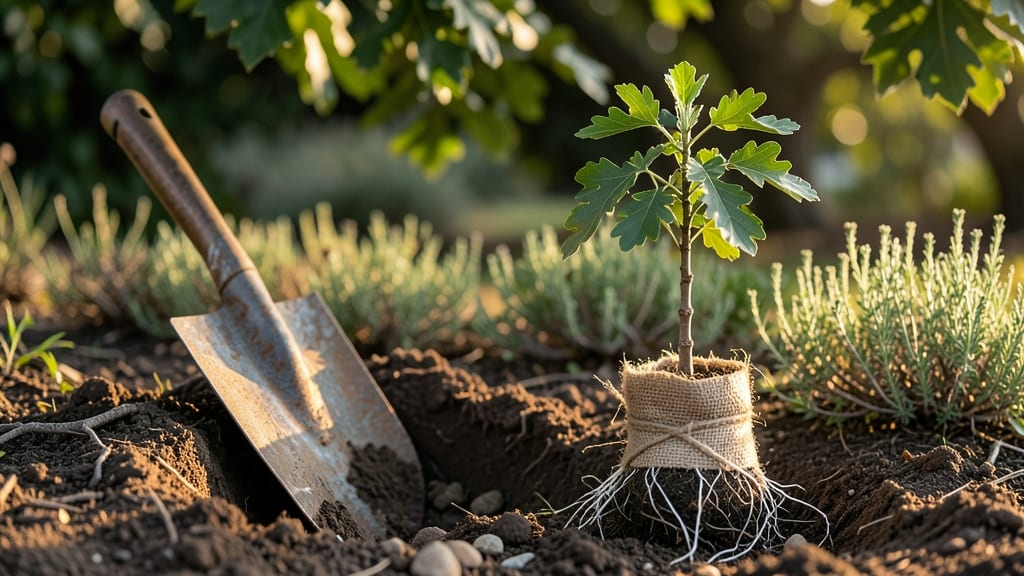
Transplanting an oak tree isn’t just possible—it’s a game-changer for your landscape when done right. ✨ I’ve moved mature oaks in late winter, and with the right timing, tools, and care, they’ve not only survived but thrived in their new homes.
The key lies in understanding when roots are dormant but still resilient, and how to protect them during the move.
Start by selecting a site with similar soil conditions and sunlight exposure to the original location. You’ll need heavy-duty equipment—like a skid steer or crane—to lift the massive root ball, and a burlap wrap or root barrier to keep soil intact.
Dig a hole twice as wide as the root ball and just as deep, then backfill with native soil to prevent compaction. Water deeply before and after transplanting to reduce shock.
📚 In This Guide
- What you need
- Instructions
- Tips and common mistakes
- Wrapping up and next steps
What you need
- ● Shovel or spade: A sharp, sturdy digging spade (18–24 inches wide) for excavating roots—rent a mechanical tree spade (💡 pro tip: saves time for larger roots!).
- ● Root pruners or saw: A pruning saw with a curved blade (for thick roots) or root saw (for precision cuts).
- ● Wheelbarrow or tarp: To transport soil and roots—opt for a heavy-duty tarp (6’x8’) if moving long distances.
- ● Burlap or tree sack: 100% natural fiber burlap (avoid synthetic—it can strangle roots!) to wrap the root ball.
- ● Stakes and twine: 4–6 wooden stakes (1.5” diameter) + twine or nylon rope to secure the tree temporarily.
- ● Garden hose with nozzle: For gentle watering (avoid high pressure—oaks hate soggy roots!).
- ● Mulch: 3–4 inches of wood chips or shredded bark (keep 6” away from the trunk to prevent rot).
- ● Pruning shears: For trimming dead or damaged branches post-transplant (sterilize blades with rubbing alcohol!).
- ● Root stimulator (like Mycorrhizal fungi powder)—helps roots establish faster.
- ● Tree transplanting gel—seals cuts and retains moisture.
- ● Soil moisture meter—checks hydration levels post-transplant.
- ● Wheelbarrow dolly—eases heavy root ball transport.
- ● Safety gear: Gloves (gardening-grade), knee pads, and closed-toe shoes (oaks have thorns!).
- ● ✅ Tree size: Oaks under 10 feet tall transplant best; larger trees need professional help.
- ● ✅ Season: Transplant in late fall or early spring (avoid extreme heat/cold!).
- ● ✅ Location scouting: Pick a spot with similar sunlight, soil drainage, and space (oaks need 50+ feet of clearance!).
- ● ✅ Permits: Check local laws—some areas restrict oak removal/transplanting.
Step-by-step instructions for transplanting oak trees safely
Here's how I've successfully moved oak trees without shocking their massive root systems.
🪴 Step 1: Choose the Right Season and Prepare the New Site
Oaks are best moved during their dormant season—either late fall (after leaf drop) or early spring (before bud break). This gives roots time to establish before summer heat arrives. I always check the USDA hardiness zone for my area to confirm the ideal window.
Clear the new planting site of weeds and grass within a 6-foot radius—oaks hate competition. Loosen the soil to a depth of 12-18 inches with a shovel or tiller. Mix in 2 inches of compost to improve drainage and nutrient availability. The hole should be twice as wide as the root ball but no deeper—oaks resent being planted too low.
🌱 Step 2: Dig the Oak Tree with a Proper Root Ball
Mark the tree's drip line (the edge of its canopy) and dig a trench 12-18 inches deep around it, extending 2-3 feet beyond the drip line. Use a sharp spade or trenching tool to avoid tearing roots. I like to work in two-person teams—one to guide the tree while the other digs carefully.
Once you've gone deep enough, lift the tree using a tree spade or by gently rocking the root ball. Wrap the root ball in burlap (if not already covered) and secure it with twine. Keep the root ball moist—never let it dry out during transport. Real talk: if you see roots circling the root ball, you'll need to prune them back with sterilized shears before planting.
☀️ Step 3: Plant and Stake for Stability
Position the oak in its new hole so the top of the root ball sits 2-3 inches above ground level. This prevents water from pooling at the base and causing rot. Backfill with the native soil you removed, tamping gently as you go to eliminate air pockets. I like to water in layers—adding 1-2 inches of soil, then watering deeply, repeating until the hole is filled.
Stake the tree only if necessary—oaks have strong root systems that usually stabilize quickly. If staking, use 4 stakes positioned 6-12 inches from the trunk and tie loosely with rubberized tree ties. Avoid cinching the trunk, which can girdle the bark as the tree grows. Water deeply after planting to settle the soil and encourage root expansion.
💧 Step 4: Water and Mulch for Recovery
Water the transplanted oak deeply every 7-10 days during the first growing season—10-15 gallons per watering for mature trees. You'll know it's enough when water runs out the drainage holes at the bottom of the root ball. Avoid shallow watering, which encourages weak root growth near the surface.
Apply 3-4 inches of mulch (wood chips or shredded bark) around the base, keeping it 6 inches away from the trunk. Mulch helps retain moisture and regulates soil temperature. Replenish mulch as it breaks down, but never let it pile against the trunk—this can trap moisture and invite disease. Here's the thing—mulch too soon, and you'll smother the roots; too late, and the soil dries out.
Tips & tricks for transplanting oak trees safely
Moving an oak tree successfully comes down to these details—trust me, I've learned the hard way when I missed them.
Timing is Everything: The dormant season window (late fall or early spring) isn't just a suggestion—it's when oak trees have the best chance to recover. I've seen trees struggle when transplanted in summer heat or during active growth. Check your USDA hardiness zone to pinpoint the exact timing for your area, as even a few degrees difference can affect recovery.
Root Ball Preparation: When you're digging that 12-18 inch deep trench, focus on keeping the root ball intact. I've ruined two oak transplant attempts by tearing roots—now I use a sharp trenching tool and work in teams. If you see roots circling the root ball (a common issue), prune them back with sterilized shears before planting. This prevents girdling as the tree grows.
Planting Depth Matters: Positioning the top of the root ball 2-3 inches above ground level prevents water pooling at the base, which causes rot. I've seen too many newly planted oaks fail because they were buried too deep. When backfilling, water in layers (1-2 inches of soil, then water deeply) to eliminate air pockets and encourage root expansion.
Mulch Application: The 3-4 inches of mulch (wood chips or shredded bark) should stay 6 inches away from the trunk—this is crucial. Too close and you smother the roots; too late and the soil dries out. I've learned to check mulch levels every few weeks during the first year, replenishing as it breaks down. This keeps moisture levels consistent while regulating soil temperature.
Pro Tips for Transplant An Oak Tree
- Moving an oak tree successfully comes down to these details—trust me, I've learned the hard way when I missed them.
- Timing is Everything: The dormant season window (late fall or early spring) isn't just a suggestion—it's when oak trees have the best chance to recover.
- Root Ball Preparation: When you're digging that 12-18 inch deep trench, focus on keeping the root ball intact.
Frequently asked questions
Got questions about transplanting oak trees? You’re not alone—this process can feel tricky! Below, we’ve answered the most common queries to help you prepare like a pro.
When is the best time to transplant an oak tree?
The ideal window is early spring (March–April) or late fall (October–November), when the tree is dormant but roots are active. Avoid transplanting in extreme heat or freezing temps—oaks are sensitive to stress! For mature trees, late fall is often safer.
How big of a root ball should I dig up?
For small oaks (under 10 ft tall), aim for a 12–18-inch diameter root ball. Larger trees need 24+ inches—dig wider than deep to preserve feeder roots. Pro tip: Use a sharp spade or root saw to cleanly sever roots, not tear them!
Can I transplant an oak tree in summer?
Summer transplants are risky due to heat stress and drought. If you must move an oak in summer, do it on a cloudy day, water deeply before/after, and use shade cloth for 2–3 weeks. Young oaks handle it better than mature ones.
How often should I water after transplanting?
Water every 2–3 days for the first 2 weeks, then taper to weekly deep waterings (1–2 inches per session). Mulch heavily (3–4 inches) to retain moisture. Watch for: Wilting leaves or dry soil—these signal thirsty roots!
What if my oak’s leaves turn brown after transplanting?
Brown leaves often mean transplant shock (stress from root disturbance). Trim ⅓ of the canopy to reduce water loss, and check for overwatering (roots need air!). If no improvement in 4–6 weeks, test for pests or disease.
Are there alternatives to digging up the whole root ball?
Yes! For large oaks, try the “root pruning” method: Gradually trim roots over 1–2 years before moving, then use a burlap-wrapped root ball for support. Another option: Air spading (gentle root exposure) to minimize damage.
Wrapping up and next steps
Transplanting an oak tree is a rewarding but careful process—one that demands patience, preparation, and a deep respect for nature’s rhythm. 🌳 By choosing the right season, gathering the proper tools, and nurturing your tree with love (and a little scientific know-how), you’re giving it the best shot at thriving in its new home. Remember: the key is in the roots!
Ready to take the next step? Start by monitoring your oak’s progress over the next few months—watering, mulching, and pruning as needed. And if you’re feeling ambitious, explore advanced care tips to keep your mighty oak standing strong for decades to come. You’ve got this!