
Trees
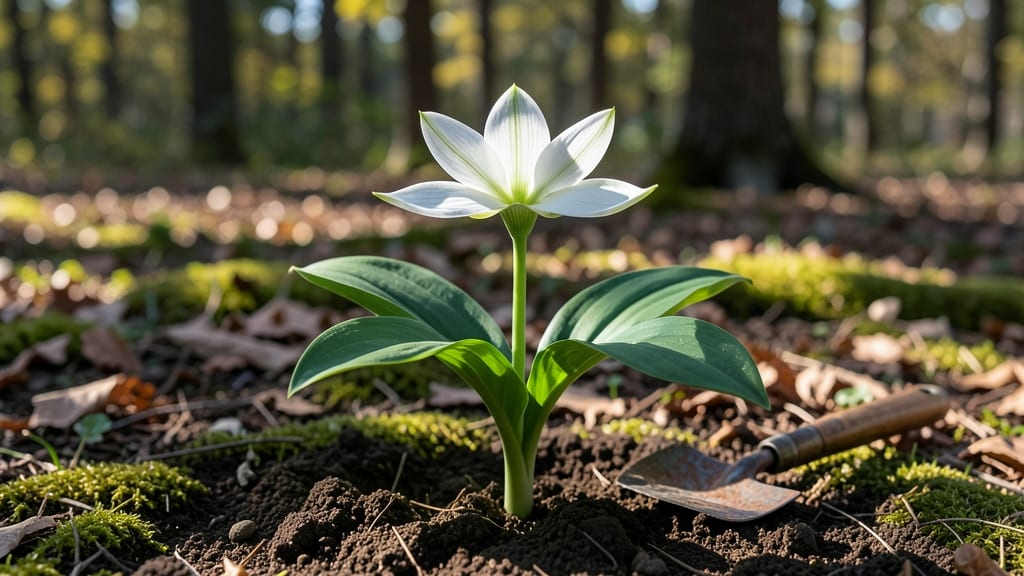
The space under oak trees isn’t dead air—it’s a hidden garden waiting to bloom. 🌿 I’ve transformed my own shady patch from a dusty, acorn-strewn wasteland into a thriving oasis where ferns unfurl and wildflowers dance in dappled light.
The key? Choosing the right plants and working with the soil’s natural quirks instead of fighting them.
You’ll need shade-tolerant stars like hostas, astilbes, and lungwort—plants that drink in the filtered sunlight and multiply like wildfire. A thick layer of mulch keeps roots cool and blocks those pesky acorns from smothering your new garden.
And here’s the secret weapon: amending the soil with compost before planting gives your shade-lovers the nutrients they crave in that often-compacted earth.
Within weeks, you’ll see lush foliage where there was once bare ground, and by next spring, your oak-shaded spot will be the envy of the neighborhood.
The air stays cooler, the colors richer, and you’ll finally have a garden that thrives without begging for sun. Let’s make that shade work for you.
Works for any oak grove, from backyard patches to park benches—just swap out a few plants for your climate zone. The principles stay the same: embrace the shade, feed the soil, and watch it transform.
📚 In This Guide
- What you need
- Instructions
- Tips and common mistakes
- Wrapping up and next steps
What you need
- ● Shade-tolerant plants: 5-10 hostas (varieties like 'Blue Angel' or 'Halcyon')
- ● 3-5 ferns (e.g., Matteuccia struthiopteris or Dryopteris filix-mas)
- ● 2-3 heucheras (purple or silver foliage for contrast)
- ● 1-2 astilbes (for delicate blooms in spring/summer)
- ● Mulch: 2-3 bags of pine bark fines or shredded hardwood mulch (1-2 inches deep)
- ● Garden soil: 1-2 cubic yards of well-draining, organic-rich potting mix (or compost to amend existing soil)
- ● Garden tools: 1 trowel (for planting)
- ● 1 pruning shears (for trimming)
- ● 1 garden fork (to loosen soil)
- ● Decorative stones or pebbles (for pathways or borders)
- ● Solar-powered garden lights (to highlight plants at night)
- ● A small watering can or drip irrigation system (for consistent moisture)
- ● Fertilizer (slow-release, 10-10-10 or organic options like fish emulsion)
- ● Seating or a hammock (for that under oak trees relaxation vibe!)
Step-by-Step guide for creating a thriving shade garden under oak trees
Here’s how to transform that dappled, often-neglected space into a lush, low-maintenance retreat.
🌱 Step 1: Assess the Shade and Soil Conditions
Start by observing the oak’s canopy. Note where the deepest shade (under the trunk) meets the dappled light (where sunlight filters through leaves). Most shade-loving plants thrive in 2-6 hours of morning sun—this is your sweet spot. Dig a small test hole to check soil moisture: if it stays damp for days, you’ve got naturally moist conditions. If it dries quickly, you’ll need to adjust watering later.
Use a soil test kit to check pH (most shade plants prefer 5.5-7.0). Oaks often create acidic soil, so if your test shows below 5.5, add 1-2 inches of compost mixed into the top 6 inches of soil. This boosts fertility without overwhelming roots. I’ve found that amending just the planting holes (not the entire area) gives roots the nutrients they need without overdoing it.
🪴 Step 2: Choose the Right Plants for Your Shade Type
Select plants based on whether your spot is deep shade (almost no direct light) or partial shade (filtering sun). For deep shade, go with hostas, ferns, and astilbes—they’ll thrive where others wilt. In partial shade, heucheras, lungwort, and Japanese forest grass add texture and color. I always plant in clusters of 3-5 for a natural, full look. Space them 12-18 inches apart to allow airflow and prevent fungal issues.
Skip anything labeled "full sun" or "drought-tolerant"—those plants will struggle here. Instead, focus on native woodland species (like Virginia bluebells or Solomon’s seal)—they’re already adapted to your oak’s conditions. Pro tip: Add a few evergreen ground covers (like sweet woodruff or creeping phlox) to keep the area lush year-round.
☀️ Step 3: Prepare Planting Holes and Amend the Soil
Dig holes twice as wide as the root ball but only as deep as the container’s base. This encourages roots to spread outward instead of settling too deep. Gently loosen the roots of container-grown plants before placing them in—this prevents circling roots that strangle growth. Mix 1 cup of compost into the backfill soil for each plant. If your soil is sandy, add a handful of peat moss to retain moisture.
Place each plant so the top of the root ball sits level with the ground—burying the stem too deep causes rot. Water deeply to settle the soil, then add 2 inches of mulch (like pine needles or shredded bark) around the base, keeping it 2 inches away from the stem. This mulch layer locks in moisture and keeps roots cool in summer. I like to water again after mulching to help it settle evenly.
💧 Step 4: Water and Monitor for the First Month
Water deeply 2-3 times per week for the first month, aiming for 1 inch of water per session. Shade gardens dry out slower, but roots still need consistent moisture to establish. Use a soaker hose or drip irrigation to water at the base—this avoids wetting leaves, which reduces fungal diseases like powdery mildew. Check soil moisture by sticking your finger 2 inches deep; if it’s dry, water again.
Watch for yellowing leaves—this often means overwatering or poor drainage. If the soil stays soggy for days, your oak’s roots might be competing for water. In that case, reduce watering to once a week and let the soil dry slightly between sessions. After a month, your plants should show new growth—that’s your cue they’re settling in.
✂️ Step 5: Maintain and Refresh Seasonally
In early spring, remove any dead foliage from the previous year and add a 1-inch layer of compost around plants. This gives them a nutrient boost without overwhelming them. Prune back any overgrown or leggy stems in late winter to encourage bushier growth. I also check for volunteer oak seedlings—they’re aggressive and can choke out your garden. Pull them when they’re small (under 6 inches tall).
By mid-summer, add a light layer of mulch (about ½ inch) to replace what’s broken down. This keeps weeds at bay and maintains moisture. If you notice pests like slugs or snails, set out beer traps (a shallow dish of beer buried at soil level) or use copper tape around containers—it’s a chemical-free way to keep them away.
Tips & tricks for perfect shade gardens under oak trees
These simple strategies will help you create a thriving garden that thrives under oak trees without the common pitfalls.
Light Observation: Pay special attention to the 2-6 hours of morning sun mentioned in Step 1. I’ve learned this the hard way—planting in areas with only afternoon shade often leads to leggy, weak growth. Use a small whiteboard or app to track sunlight patterns for a week before planting. This helps you map out where to place sun-loving shade plants versus those that prefer deeper shade.
Soil Test Timing: Don’t skip the soil test, especially if your oak is mature. I’ve seen gardens fail because the soil was too acidic (below 5.5) without anyone knowing. If you don’t have a test kit, borrow one from a local nursery or gardening club. The 1-2 inches of compost in Step 1 is your best bet for adjusting pH naturally—just mix it into the planting holes, not the entire area.
Planting Clusters: When planting in clusters of 3-5 as suggested in Step 2, think about color and height variation. Place taller plants (like astilbes) at the back of the cluster and shorter ones (like sweet woodruff) in front. This creates visual interest while keeping the space lush. I also recommend planting evergreens (like heucheras) strategically so they provide year-round structure even when deciduous plants lose their leaves.
Mulch Maintenance: The 2 inches of mulch in Step 3 is a game-changer, but don’t forget to refresh it in mid-summer. I use a mix of pine needles and shredded bark because they break down slowly and maintain moisture. Keep mulch 2 inches away from stems to prevent rot—this is one of those small details that makes a big difference in plant health.
Pro Tips for Under Oak Trees
- These simple strategies will help you create a thriving garden that thrives under oak trees without the common pitfalls.
- Light Observation: Pay special attention to the 2-6 hours of morning sun mentioned in Step 1.
- Soil Test Timing: Don’t skip the soil test, especially if your oak is mature.
Frequently asked questions
What’s the best time of year to plant shade-loving plants under oak trees?
Plant in early spring or fall when temperatures are mild (50–70°F). Avoid summer heat or winter frosts, which stress roots. Oak trees drop leaves in autumn, so fall planting gives new plants a head start before winter dormancy. Pro tip: Water deeply after planting to help roots establish in the drier shade.
Can I grow anything under oak trees, or are there restrictions?
Oak trees create low-light, acidic, and often dry conditions, so not all plants thrive. Stick to shade-tolerant natives like ferns, hostas, astilbes, or wild ginger. Avoid lawns (they’ll struggle) or thirsty plants like impatiens. Test your soil’s pH—oaks prefer 4.5–6.0; amend with compost if needed.
Why do some plants under my oak tree keep dying?
Oak trees release allelopathic chemicals (like juglone) that inhibit growth in sensitive plants (e.g., tomatoes, walnuts, or blackberries). Others may fail due to root competition or dry shade. Solution: Choose juglone-resistant species (e.g., hydrangeas, violets) and mulch heavily to retain moisture.
How often should I water plants under oak trees?
Water deeply but less frequently—about 1–2 times per week in dry spells (check soil 2 inches down; it should be slightly moist). Oak shade reduces evaporation, so overwatering can suffocate roots. Use drip irrigation or soaker hoses to deliver water directly to roots and avoid wetting leaves (which attracts fungus).
Are there low-maintenance alternatives to traditional gardens under oaks?
Yes! Try a ground cover garden with creeping phlox, ajuga, or moss for zero mowing. For texture, add ornamental grasses (like carex) or rock gardens with shade-loving succulents (e.g., sedum). Mulch with wood chips to suppress weeds and lock in moisture— less work, more impact!
Wrapping up and next steps
Creating a serene, shade-loving garden oasis under oak trees is easier—and more rewarding—than you think! 🌿 With the right plants, a little creativity, and the natural beauty of oak canopies, you’ve got a peaceful retreat in no time. Start small, experiment, and let nature guide you.
Your next step? Pick one plant or design idea from this guide and bring it to life this weekend. Whether it’s a fragrant hydrangea, a cozy seating nook, or a wildflower meadow, your oak-shaded garden will thank you—and so will your soul. Happy gardening! 🌱