
Pruning
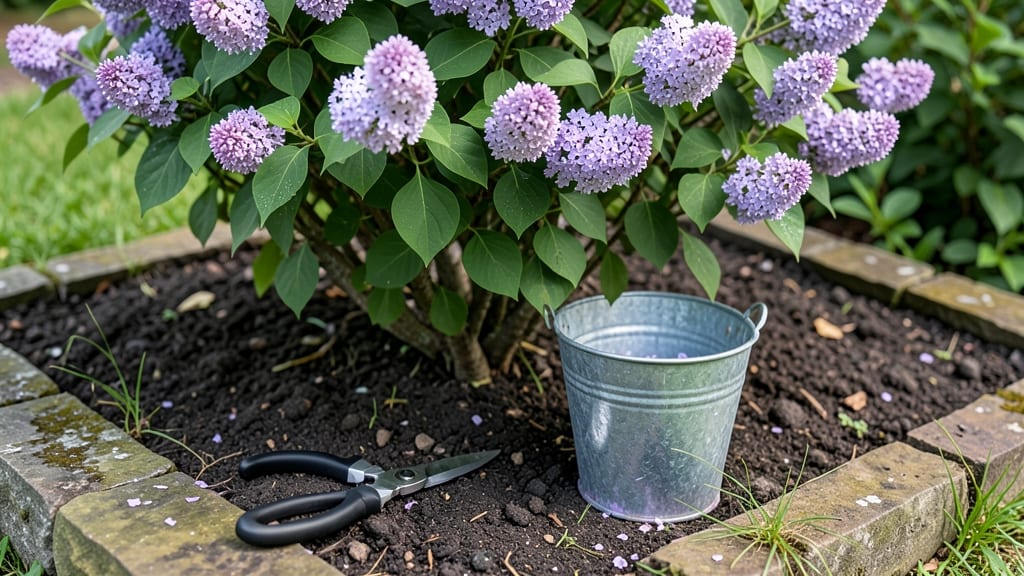
Trimming a lilac tree isn’t just about shaping—it’s about unlocking next year’s blooms. ✂️ I’ve watched my own lilacs go from sparse, leggy bushes to bursting with purple clouds after mastering the right cuts.
The secret lies in timing, technique, and knowing where to stop before you strip the plant of its energy.
Most gardeners mess this up by pruning too late or too aggressively, but lilacs thrive when you work with their natural rhythm. You’ll need sharp pruners, a ladder (for taller bushes), and a clear afternoon to avoid stressing the plant.
The goal isn’t perfection—it’s encouraging strong, healthy growth that translates to heavier blooms the following spring.
What you’ll end up with is a lilac that looks effortlessly lush, with branches heavy enough to bend under the weight of flowers. The key is cutting just above the buds where new growth will emerge, never more than a third of the plant at once.
Done right, your lilac will reward you with fragrant blooms for decades—and you’ll never fear the pruners again.
This method works for both old and new lilacs, whether you’re dealing with a mature bush or a young plant just starting to establish. The same principles apply whether you’re in a sunny backyard or a container on a patio. Let’s get those branches looking intentional!
📚 In This Guide
- What you need
- Instructions
- Tips and common mistakes
- Wrapping up and next steps
What you need
- ● Bypass pruning shears – Sharp, clean, and 10-12 inches long for small branches (1-2 inches in diameter). Must be sanitized with rubbing alcohol to prevent disease spread.
- ● Loppers – 18-24 inches long, for medium branches (2-4 inches in diameter). Look for ratcheting or bypass blades for clean cuts.
- ● Pruning saw – For thick branches (4+ inches). A bow saw or curved pruning saw works best for lilacs.
- ● Gloves – Heavy-duty, cut-resistant gloves (e.g., leather or reinforced fabric) to protect hands from thorns and rough bark.
- ● Ladder or step stool – Sturdy and tall enough to reach the tree’s highest branches safely. A 4-6 ft. extension ladder is ideal for mature lilacs.
- ● Disposable pruning bags or bucket – To collect and dispose of clippings without spreading disease.
- ● Rubbing alcohol (70% or higher) – For sterilizing tools between cuts.
- ● Permanent marker or tape – To mark branches for removal if you’re planning ahead.
- ● Hand pruners with a crimping tool – Helps seal cuts larger than ½ inch to reduce sap loss.
- ● Safety glasses – Protects eyes from flying debris or sap.
- ● Long-sleeve shirt and pants – Covers arms/legs from thorns and scratches.
- ○ Tree wound dressing (optional) – Only use on large cuts (e.g., >2 inches). Avoid overuse—lilacs heal best with clean cuts.
- ● Garden hose or water spray bottle – To rinse tools and cuts if sap gets sticky.
Step-by-Step guide to pruning a lilac tree for maximum blooms
Here's my foolproof method for keeping lilacs flowering like crazy year after year.
✂️ Step 1: Time Your Pruning for Peak Performance
Lilacs bloom on last year's wood, so timing matters. Prune immediately after flowering but before new buds form—usually 4-6 weeks after peak bloom. You'll know it's the right moment when spent flowers turn brown and new foliage starts pushing from the stems.
Never prune in fall or winter. Cutting back then removes next year's flower buds, leaving you with bare branches. If you miss the spring window, wait until late summer after 75% of new growth has hardened off—though this reduces next year's blooms.
✂️ Step 2: Shape the Tree with Strategic Cuts
Start by removing any dead, crossing, or rubbing branches first. These compete with healthy growth and invite disease. Look for branches growing inward—they'll block airflow and light. Cut these back to the main trunk or to an outward-facing bud.
For shaping, focus on opening the center of the tree. Lilacs naturally grow in a vase shape, so aim to maintain that form. Make cuts just above an outward-facing bud at a 45-degree angle. This encourages growth in the direction you want while preventing water from pooling on the cut.
✂️ Step 3: Thin Out Old Wood to Rejuvenate Growth
Lilacs produce their best blooms on 2- to 3-year-old wood. After 5-7 years, older branches produce fewer flowers. Start thinning by removing 1-3 of the oldest stems each year, cutting them back to the ground. This forces new, vigorous growth from the base.
Don't remove more than 25% of the tree's branches in one season. You'll see new shoots emerge from the base within 2-3 weeks—these will become next year's flowering stems. If you prune too aggressively, you'll end up with a leggy tree that takes years to recover.
✂️ Step 4: Clean Up and Protect for Next Season
After pruning, rake up all debris and dispose of it in the trash—not the compost pile. Lilac leaves and branches can harbor borers and other pests that spread to next year's growth. Sterilize your pruners with rubbing alcohol between cuts to prevent disease transmission.
Apply a balanced, slow-release fertilizer around the root zone to support new growth. Water deeply but avoid soaking the base—lilacs prefer well-draining soil. You'll notice fresh, bright green leaves within 10-14 days, signaling the tree is recovering well.
Tips & tricks for perfect lilac trimming
Here's what I learned after years of watching lilacs go from glorious to sad—don't make my mistakes!
The Right Time is Everything: That 4-6 week window after peak bloom is non-negotiable. I once pruned too early and missed the full bloom cycle—now I mark my calendar right after the flowers fade. Look for those browned spent blossoms as your cue, not just the calendar date. The tree's natural signals are more reliable than guessing.
Cutting Angle Secrets: Those 45-degree angles in Step 2 aren't just for looks—they prevent water from pooling on the cut, which reduces rot. I used to cut straight across until I noticed water beading on the wounds. Now I make sure each cut slopes away from the branch, and the tree heals faster. A sharp pruner makes this easier too.
Old Wood Strategy: When thinning those 1-3 oldest stems in Step 3, think of it like giving your tree a spa day. The new shoots that emerge from the base within 2-3 weeks are your future blooming powerhouses. I've seen trees that skipped this step for years end up with sparse blooms—don't let that be yours!
Cleanup is Critical: That trash can instruction in Step 4 isn't just about looks—lilac debris is a pest magnet. I learned this the hard way when my tree got borers after composting prunings. Now I double-bag everything and sterilize my tools between cuts. A 10-minute cleanup now saves hours of treatment later.
Pro Tips for Trim A Lilac Tree
- Here's what I learned after years of watching lilacs go from glorious to sad—don't make my mistakes!
- The Right Time is Everything: That 4-6 week window after peak bloom is non-negotiable.
- Cutting Angle Secrets: Those 45-degree angles in Step 2 aren't just for looks—they prevent water from pooling on the cut, which reduces rot.
Frequently asked questions
Got questions about pruning your lilac tree? You’re not alone! Here are some of the most common concerns—plus clear, actionable answers to keep your lilac thriving.
When is the best time to trim a lilac tree?
The ideal window is right after flowering, typically in late spring or early summer (May–June). This ensures you don’t cut off next year’s blooms while still shaping the tree. Avoid pruning in fall or winter, as lilacs bloom on old wood—trimming too late risks losing next season’s flowers.
Can I trim a lilac tree in fall or winter?
While lilacs are dormant in fall/winter, pruning then is not recommended unless you’re removing dead or diseased branches. Cutting back in late fall or winter removes next year’s flower buds, which form on last year’s growth. If you must prune, stick to light cleanup—no heavy shaping!
What if I accidentally trim too much?
Don’t panic! Lilacs are hardy and can recover from over-pruning, though heavy cuts may reduce blooms for 1–2 seasons. Focus on retaining at least 3–5 mature stems (older wood) to ensure future flowers. Water deeply after pruning to support recovery.
How often should I trim my lilac tree?
Prune once a year (post-bloom) for shaping and removing dead wood. Avoid annual heavy cuts—lilacs thrive with minimal pruning over time. Older trees may need occasional rejuvenation pruning (cutting ⅓ of oldest stems to the ground), but do this every 3–5 years max.
Why aren’t my lilacs blooming after pruning?
If your lilac skips flowers, check these fixes:
- Pruned too late? Cutting after July removes next year’s buds.
- Over-pruned? Keep 3–5 mature stems—young wood rarely flowers.
- Poor sunlight? Lilacs need 6+ hours of sun daily.
- Underfed? Apply a balanced fertilizer in early spring.
Wrapping up and next steps
Trimming your lilac tree doesn’t have to be intimidating—with the right timing, tools, and technique, you’ll unlock lush blooms and a healthier plant for years to come. 🌿 Whether you’re pruning for shape, size, or rejuvenation, remember: patience and precision are your best friends.
Now that you’re armed with the seasonal blueprint, grab those shears and give your lilac the care it deserves.
Ready to transform your yard? Start by scheduling your next pruning session—mark your calendar and enjoy the satisfaction of a beautifully maintained lilac tree!