
Blooming
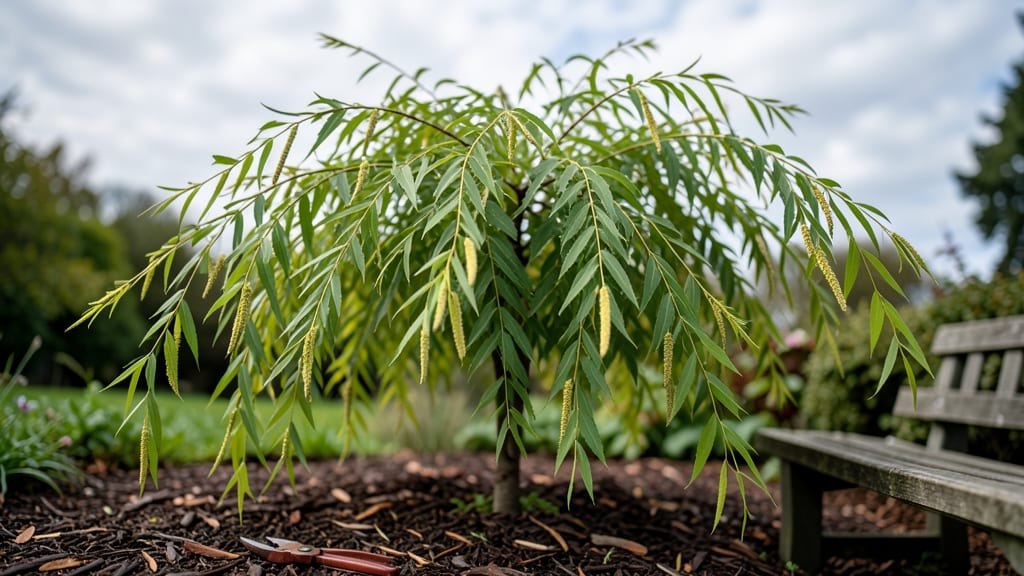
A tree with long, graceful branches transforms any yard into a living work of art. 🌿 I planted a weeping cherry last spring, and its cascading limbs already make my small patio feel like a secret garden.
The key isn’t just choosing the right species—it’s learning how to shape them so they look effortless year-round.
Willows, crape myrtles, and Japanese maples all bring that elegant drape, but their branches need three simple prunes to keep them looking intentional. First, remove any dead or crossing limbs in late winter.
Then, in early summer, trim just the tips to encourage fuller growth. Finally, a light cleanup in fall preserves their natural shape through winter’s bareness.
What you’ll end up with is a tree that frames your space beautifully—whether as a focal point, a shade canopy, or a seasonal backdrop for blooms.
The branches catch sunlight just right, creating dappled patterns on your patio or garden beds. Plus, the pruning keeps them healthy and prevents storm damage.
Works for urban courtyards, country estates, or even large containers. The same principles apply whether you’re styling a single specimen or layering trees for depth. Here’s how to make it happen without overcomplicating things.
📚 In This Guide
- What you need
- Instructions
- Tips and common mistakes
- Wrapping up and next steps
What you need
- ● Pruning shears – Bypass-style, sharp, and sanitized (1 pair)
- ● Loppers – For thicker branches (up to 2 inches) (1 pair)
- ● Pruning saw – For branches over 2 inches in diameter (1)
- ● Gloves – Cut-resistant, durable fabric (1 pair)
- ● Disinfectant (70% isopropyl alcohol or bleach solution) – To sterilize tools
- ○ Sealing wax or pruning sealant – For large cuts (optional but recommended)
- ● Ladder or stump – Safe access to higher branches
- ● Tarp or bucket – For collecting debris (1)
- ○ Permanent marker – To mark cuts (optional)
- ● Hand pruners with ratchet – For easier cutting on large jobs
- ● Extension pole pruners – For high branches without a ladder
- ● Tree wound paint – For aesthetic finishing (controversial but some swear by it!)
- ● Safety glasses – Protects eyes from debris
- ● Notebook & pen – To sketch pruning plans
How to shape a tree with long branches for year-round beauty
Here's my foolproof method for managing sprawling branches—no special tools needed.
🌿 Step 1: Assess the Tree's Natural Structure
The key to shaping a tree with long branches starts with understanding its growth habit. Look for the main scaffold branches—these are the thick, sturdy limbs that form the tree's framework. These branches typically emerge from the trunk at a 45-60 degree angle and should be spaced 6-12 inches apart vertically.
Real talk: If your tree has branches growing straight up or down, they'll compete with each other and create weak attachment points. These are the ones you'll want to remove first. I like to work on dry days when the branches are easier to see and handle—cloudy mornings are perfect.
✂️ Step 2: First Prune in Late Winter (Dormant Season)
This is the most critical pruning time for trees with long branches. When the tree is completely dormant (usually February-March in most climates), you'll see the branch structure most clearly. Start by removing any dead, diseased, or crossing branches—these are the obvious ones that will weaken the tree if left.
For the long branches themselves, focus on cutting back any that are growing toward the center of the tree or rubbing against each other. Use clean, sharp pruners to make cuts just outside the branch collar (the swollen area where the branch meets the trunk). This ensures the tree can heal properly. You'll know you're doing it right when the cut looks smooth and the branch falls away cleanly.
☀️ Step 3: Light Summer Pruning (After New Growth)
About 6-8 weeks after your first prune, you'll see new growth sprout from the remaining branches. This is your signal to do a second, lighter pruning. The goal here is to refine the shape and encourage a more open canopy. Look for branches that are growing too densely or creating dark, shaded spots in the center of the tree—these are the ones to trim back.
I like to thin out about 20-25% of the new growth during this step. Focus on cutting back the tips of branches to encourage bushier growth. Never remove more than one-third of a branch's length at once—this can stress the tree. You'll see the difference immediately: the tree will start to look more balanced and allow sunlight to reach all parts of the canopy.
🪴 Step 4: Final Prune in Early Fall (Preparation for Winter)
The last pruning of the year should happen in late September or early October, just as the tree begins to prepare for dormancy. This final trim helps the tree harden off properly and prevents winter damage. Focus on removing any weak, spindly growth that developed over the summer—these branches are more susceptible to cold damage and pests.
This is also the time to shape any branches that might interfere with structures like roofs, power lines, or walkways. Make your cuts just above a outward-facing bud or side branch to encourage growth in the direction you want. After this prune, avoid fertilizing—you want the tree to focus on healing, not new growth, before winter.
Tips & tricks for perfect tree pruning
A few simple tricks will help you transform your tree into a stunning year-round feature without stressing the plant.
Timing Secret: The February-March dormant season prune is your golden window—this is when the tree's energy is focused on healing, not growing. I've seen trees recover beautifully after winter cuts, but if you prune in late spring or summer, you risk encouraging new growth that won't harden off properly before winter. Cloudy mornings are ideal because branches are more flexible and less likely to snap unexpectedly.
Cutting Technique: Always make your cuts just outside the branch collar—the swollen area where the branch meets the trunk. This is where the tree's natural healing begins. I learned this the hard way after making cuts too close to the trunk, which left ugly scars. For branches thicker than your wrist, make a second cut about a foot from the trunk to prevent tearing. The first cut should be at a slight angle to avoid bark tearing, and the second cut should be straight across.
Shape Strategy: When refining the canopy in Step 3, aim to create an open center that lets sunlight reach all branches. I like to visualize the tree as an umbrella—you want the outer branches to catch the light while the center stays open. This prevents dense shading that can lead to disease. For long branches, you can also use the "third cut" method: after your two main cuts, make a small notch on the underside of the branch to help it break cleanly at the branch collar.
Seasonal Considerations: The late September-October prune is all about preparation. Focus on removing those weak, spindly branches that grew over summer—they're the ones that'll snap in winter storms. I always check for branches growing toward power lines or roofs during this final trim. If you must prune near structures, wear gloves and safety glasses, and consider hiring a professional if branches are too high or heavy.
Pro Tips for Tree With Long Branches
- A few simple tricks will help you transform your tree into a stunning year-round feature without stressing the plant.
- Timing Secret: The February-March dormant season prune is your golden window—this is when the tree's energy is focused on healing, not growing.
- Cutting Technique: Always make your cuts just outside the branch collar—the swollen area where the branch meets the trunk.
Frequently asked questions
Got questions about keeping your tree with long branches thriving while maintaining that elegant, year-round grace? You’re in the right place! Here are some of the most common queries we hear—and the answers to help you prune with confidence.
Why do my tree’s branches keep growing too long?
Long branches are often a sign of natural growth patterns or overpruning in the past. Trees like willows, weeping cherries, or crape myrtles grow this way to maximize sunlight and air circulation. If you’re seeing uncontrolled sprawl, it’s time for structured pruning—focus on 3 key cuts per year to shape growth early.
When is the best time to prune long branches?
Timing matters! For blooming trees, prune right after flowering (late spring) to avoid cutting off next year’s buds. Evergreens (like pines or arborvitae) can be pruned in early spring or late fall. Avoid heavy pruning in winter—dormant trees are more stress-prone. Pro tip: Light trims in summer encourage bushier growth!
How do I prune long branches without harming the tree?
Start with clean cuts: Use sharp, sterilized shears to avoid tearing bark. Cut just above a bud or branch collar (the swollen area where the branch meets the trunk) at a 45-degree angle. For thick branches, make a second cut to prevent bark stripping. Never top the tree—it encourages weak, stubby growth.
Are there trees with long branches that need less pruning?
Yes! If you want low-maintenance elegance, consider native trees like:
- Eastern Redbud – Graceful, arching branches with minimal pruning needs.
- Japanese Maple – Naturally lacy branches; prune only to shape.
- Weeping Willow – Dramatic draping branches, but prune sparingly to avoid overgrowth.
What should I do if my tree’s long branches are dying or diseased?
First, identify the issue:
Brown, crispy leaves? Likely underwatering or sunburn—mulch the base and water deeply.
Black spots or oozing sap? Fungal disease or bacterial canker—remove infected branches 6 inches below the damage and sterilize tools.
No leaves but branches are bare? Could be over-pruning or root stress—fertilize lightly and avoid pruning for a season.
When in doubt, consult a local arborist!Wrapping up and next steps
Transforming your tree with long branches into a stunning year-round centerpiece is simpler than you think! With just three strategic prunes—spring shaping, summer thinning, and fall cleanup—you’ll unlock lush foliage, vibrant blooms, and graceful structure.
Remember, patience and precision are your best tools, and every snip brings your vision closer to life.
Ready to level up your green thumb? Grab your pruners and schedule your first trim this spring—your tree (and future neighbors!) will thank you. 🌿✨