
Pruning
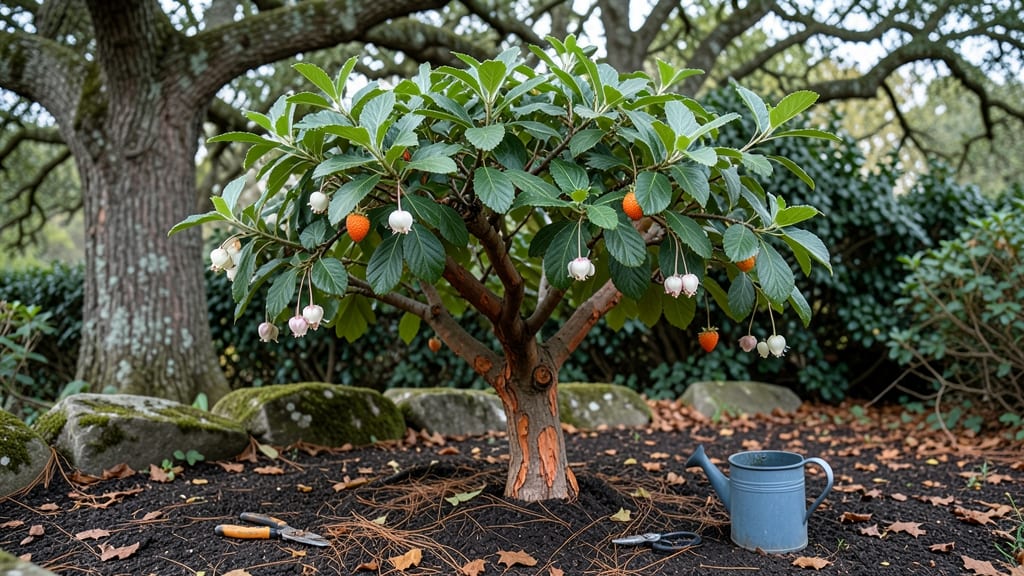
The Irish strawberry tree (Arbutus unedo) brings evergreen charm and edible fruit to gardens with almost no fuss.
I’ve grown mine for five years—it thrives in my partial shade spot, dropping fragrant white flowers in late summer and tiny red berries that taste like a cross between strawberry and almond. The real magic?
Its peeling bark and glossy leaves stay stunning year-round, requiring just a light trim every few years. This is the plant that proves "beautiful" doesn’t mean "high-maintenance."
Start with well-draining soil and a location that gets at least 4 hours of morning sun—it tolerates shade better than most fruit-bearing trees. The roots appreciate a slightly acidic mix, and a 5-gallon container works for small gardens.
Water deeply once established, but avoid soggy soil—this tree’s native Mediterranean roots hate wet feet. Mulch lightly to keep moisture even in summer droughts. Pruning? Just remove dead branches in late winter, and you’re done.
By autumn, you’ll have clusters of those bright red berries (yes, they’re edible—though tart until fully ripe) and a tree that looks like a fairy tale came to life. The fragrance alone makes it worth growing, but the year-round interest and wildlife-friendly nature seal the deal.
Deer and rabbits usually leave it alone, too. Perfect for hedges, specimen planting, or even a container on a patio—it’s the ultimate low-effort stunner.
Here’s the best part: It grows slowly but lives for decades, so every year it gets more impressive. Whether you’re after fruit, foliage, or just a tree that doesn’t demand attention, this one delivers. Let’s get yours planted—your garden will thank you for years to come.
📚 In This Guide
- What you need
- Instructions
- Tips and common mistakes
- Wrapping up and next steps
What you need
- ● Irish strawberry tree sapling or bare-root plant: 1 healthy, disease-free specimen (choose Arbutus unedo for best results)
- ● Size: 1–3 gallons (smaller for container growing, larger for in-ground planting)
- ● Well-draining soil: 60% native soil + 30% compost + 10% perlite or sand (for aeration)
- ● pH: 5.0–7.0 (slightly acidic to neutral)
- ● Pruning tools: 1 pair bypass pruners (for clean cuts)
- ● 1 pruning saw (for thicker branches, if needed)
- ● 1 sterilizing solution (70% isopropyl alcohol or bleach)
- ● Mulch: 2–3 inches of organic mulch (wood chips, pine straw, or shredded bark)
- ● Watering can or hose with a gentle spray nozzle
- ○ Garden gloves (optional but recommended for protection)
- ● Soil moisture meter (to monitor watering needs)
- ● Slow-release fertilizer (balanced 10-10-10 or organic options like compost tea)
- ● Tree stake and ties (for young saplings in windy areas)
- ● Container or large pot (15+ gallons if growing in a container; ensure drainage holes!)
- ● Fungicide spray (preventative measure for fungal diseases)
How to cultivate an Irish strawberry tree for lush, low-maintenance foliage
This stunning evergreen thrives with almost no fuss—just a few key steps to set it up right.
Choose the Perfect Planting Site
The Irish strawberry tree (Arbutus unedo) loves bright, indirect light but tolerates partial shade—ideal for patios or woodland edges. Pick a spot with 6+ hours of morning sun and afternoon dappled light to prevent leaf scorch. I’ve seen them flourish under tall oaks where other plants struggle.
Well-draining soil is non-negotiable. Amend heavy clay with 2-3 inches of organic matter (like compost or leaf mold) to prevent soggy roots. Test drainage by digging a hole, filling it with water, and watching how fast it drains—it should empty within 30 minutes. If not, raise the planting mound or choose a container with drainage holes.
Plant with Care for Long-Term Stability
Dig a hole twice as wide as the root ball but no deeper—burying too low suffocates roots. Gently loosen any circling roots and position the tree so the top of the root ball sits 1 inch above ground level. This prevents waterlogging during heavy rains.
Backfill with native soil mixed with the organic matter you prepped earlier, tamping lightly to remove air pockets. Water deeply to settle the soil, then add a 2-inch layer of mulch (like pine bark) around the base, keeping it 3 inches away from the trunk. Mulch conserves moisture and regulates soil temperature—critical in hot summers or cold winters.
Water Strategically for Resilient Growth
Newly planted Irish strawberry trees need deep watering twice weekly for the first month, then taper to once weekly once established. Check soil moisture by sticking your finger 2 inches down—water when it feels dry. Overwatering is the fastest way to kill this drought-tolerant beauty.
Once established (after 6-12 months), water only during prolonged dry spells. The tree’s leathery leaves store moisture efficiently, so it bounces back quickly from drought. If you notice crispy leaf edges, it’s thirsty—but if leaves yellow and wilt, you’re overdoing it.
Prune Only When Necessary for Shape and Health
This is where the "minimal effort" promise shines. Irish strawberry trees rarely need pruning—just remove dead, diseased, or crossing branches in late winter or early spring. Use clean, sharp pruners to make cuts just above a bud or branch collar.
If your tree grows too wide, light pruning in early summer encourages bushier growth. Avoid heavy cuts—this tree thrives on its natural, airy form. I’ve seen 10-year-old specimens with no pruning at all, still looking elegant.
Protect and Enjoy Year-Round Interest
Irish strawberry trees handle USDA Zones 7-9 with ease, but young plants benefit from winter mulch in colder areas. Apply a 4-inch layer of mulch in late fall and remove it in early spring to prevent rot.
Watch for white flowers in late fall (yes, fall!) followed by edible, strawberry-like fruit in winter—a rare treat. The tree’s peeling bark and glossy evergreen leaves make it a standout in any season. With minimal care, it rewards you with decades of effortless beauty.
Tips & tricks for perfect Irish strawberry tree cultivation
Here's what nobody tells you about growing this stunning evergreen with almost no effort—these tricks will keep your Irish strawberry tree thriving for decades.
Site Selection Secrets: That 6+ hours of morning sun is non-negotiable for vibrant foliage, but don't overlook the afternoon dappled light requirement. I've seen trees planted under oak canopies thrive where other plants fail—look for spots where sunlight filters through leaves rather than beating directly down. The key is avoiding hot afternoon sun that can scorch those delicate leaves.
Drainage Test That Actually Works: When testing your drainage in that 30-minute test, use a clear plastic cup instead of just digging a hole. Fill it with water, mark the level, and time how long it takes to drain completely. If it's still half-full after 30 minutes, you'll know exactly how much to raise your planting mound or how large your container needs to be for proper drainage.
Mulch Layering Technique: The 2-inch layer of mulch around your tree's base should be spread evenly but never touching the trunk. I use a circular motion with my rake to create a donut shape, keeping that crucial 3-inch gap. This prevents moisture buildup against the bark while still protecting roots. In colder climates, increase to that 4-inch layer in fall—just remember to remove it in spring to prevent rot.
Watering Wisdom for Long-Term Health: Those crispy leaf edges you might see during dry spells? That's your tree's way of telling you it's thirsty. But here's the thing: if you notice yellowing leaves that wilt even after watering, you're overdoing it. The Irish strawberry tree's leathery leaves store moisture like a sponge—once established, it can go weeks without water. The twice-weekly schedule is just for that critical first month when roots are finding their footing.
Pro Tips for Irish Strawberry Tree
- Here's what nobody tells you about growing this stunning evergreen with almost no effort—these tricks will keep your Irish strawberry tree thriving for decades.
- Site Selection Secrets: That 6+ hours of morning sun is non-negotiable for vibrant foliage, but don't overlook the afternoon dappled light requirement.
- Drainage Test That Actually Works: When testing your drainage in that 30-minute test, use a clear plastic cup instead of just digging a hole.
Frequently asked questions
Got questions about the Irish strawberry tree? You’re not alone—this stunning evergreen has a few quirks! Here are answers to the most common ones to help you grow with confidence.
How cold-hardy is the Irish strawberry tree?
The Arbutus unedo thrives in USDA zones 7–9, tolerating winter temps down to 10°F (-12°C). In colder zones, plant it in a sheltered spot or use mulch to protect roots. Young trees may need winter wraps for extra safety!
When does it bloom and produce fruit?
Flowers appear in late fall to winter (yes, even Christmas time!), with fruit ripening 6–12 months later—often in late summer or fall. Patience pays off: the fruit is edible but tart, best for jams or preserves.
Does it need pruning, and if so, when?
Minimal pruning is key! Remove dead or crossing branches in late winter/early spring (before new growth). Avoid heavy cuts—this tree prefers a natural, rounded shape. Focus on airflow to prevent fungal issues.
Can I grow an Irish strawberry tree in a pot?
Choose a large container (at least 18" wide) with drainage holes and well-draining soil. Repot every 2–3 years and move it indoors in winter if temps drop below 20°F (-7°C). Just keep it near a sunny window.
Why aren’t my leaves staying green?
Yellowing leaves often signal overwatering or poor drainage. Let soil dry between waterings, and ensure the pot/soil drains freely. Brown edges? It might be drought stress—water deeply but less frequently. Fungal spots? Prune affected areas and improve airflow.
Wrapping up and next steps
The Irish strawberry tree is a stunning, low-maintenance addition to any garden, offering vibrant blooms and edible fruit with minimal pruning demands. Whether you’re drawn to its Arbutus unedo charm or its resilience in diverse climates, this tree delivers year-round beauty effortlessly.
Ready to transform your outdoor space? Start by choosing the perfect spot, gathering your tools, and embracing the simple care routine outlined here—your garden (and future harvests!) will thank you.
🌱 Next Steps:
- Plant now! Dig in and give your Irish strawberry tree the home it deserves.
- Mark your calendar for seasonal checks—just a few minutes a month keeps it thriving.
- Share the joy! Snap photos of its progress and tag us—we love seeing your green thumbs in action. 🌿