
Trees
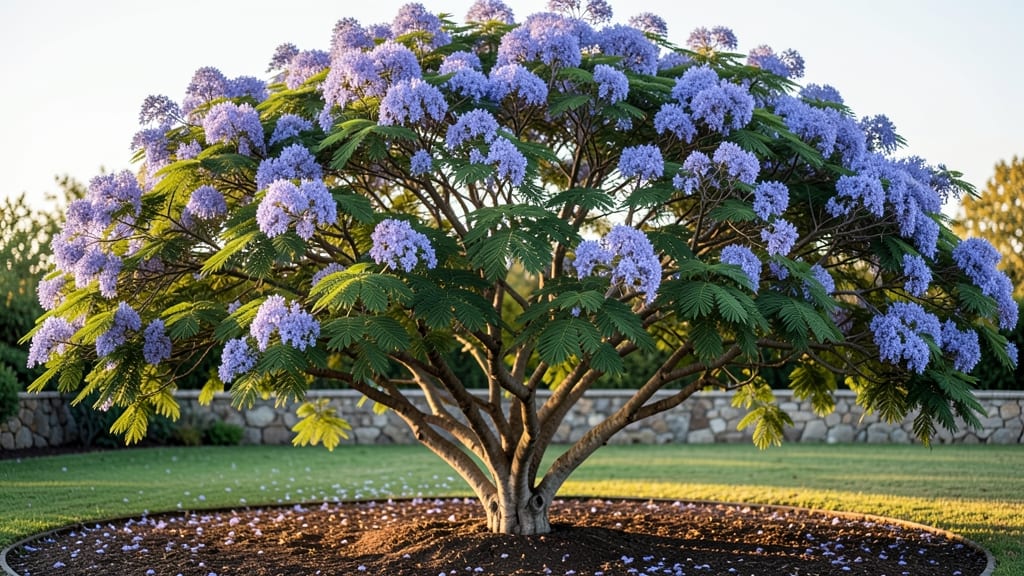
Buenos Aires wouldn’t be the same without its jacaranda trees—those purple clouds that transform the city into a dreamy springtime wonderland. 🌿 I’ve walked under their cascading blooms in Palermo and seen neighbors stop mid-conversation just to stare at the sky, and I get why.
These trees aren’t just pretty; they’re a cultural landmark that turns any garden into a postcard-worthy scene.
The secret to their magic in Buenos Aires? They thrive in the city’s mild winters and warm springs, dropping their lavender petals like confetti for months. Pair them with native grasses like Stipa tenuissima or drought-resistant shrubs like Condalia microphylla to create a low-maintenance, high-impact landscape.
Even in small urban yards, a single jacaranda becomes the star—just give it space to stretch its branches wide.
Imagine your balcony or street corner bursting with color when the rest of the city is still gray and brown. The blooms attract hummingbirds and butterflies, turning your garden into a living ecosystem.
And here’s the best part: they’re surprisingly adaptable to Buenos Aires’ urban soil, as long as you plant them where they’ll get plenty of sun and room to grow.
Whether you’re lining a sidewalk, framing a park bench, or adding drama to a private patio, jacarandas deliver year after year. The key is patience—they take a few years to mature, but once they do?
Every spring becomes your own personal celebration. Ready to make your corner of Buenos Aires a little more magical?
📚 In This Guide
- What you need
- Instructions
- Tips and common mistakes
- Wrapping up and next steps
What you need
- ● Jacaranda tree: Choose between: Seeds (💡 Note: Germination can take 30+ days; soak seeds in warm water for 24 hours first!)
- ● Young sapling (1-3 years old, 3-6 ft tall) from a reputable nursery
- ● Planting site: Full sun exposure (6+ hours/day)
- ● Well-draining soil (jacarandas hate soggy roots!)
- ● Space: Minimum 20-30 ft wide (they grow wide, not just tall!)
- ○ Soil amendments (optional but helpful): Compost or aged manure (1-2 buckets per planting hole)
- ● Sand or perlite (for sandy or clay-heavy soils)
- ● Shovel or trowel (for digging)
- ● Garden gloves (to protect your hands from thorns!)
- ● Watering can or hose (with gentle spray nozzle)
- ● Mulch (2-3 inches of organic mulch, like wood chips)
- ○ Optional but handy: Pruning shears (for shaping young trees)
- ● Soil pH test kit (ideal pH: 6.0-7.0)
- ● Tree stake and ties (if planting in windy areas)
- ● Patience! Jacarandas grow slowly at first but reward you with stunning purple blooms in 3-5 years.
- ● Local climate check: Jacarandas thrive in USDA Zones 9-11. If you’re in a cooler zone, plant in a protected spot or use a greenhouse.
- ● Check local regulations: Some cities require permits for large tree plantings.
How to plant and care for jacaranda trees in Buenos Aires
Here's how to bring Buenos Aires' famous purple canopy to your urban space.
🌱 Step 1: Choose the Right Location and Planting Time
Jacarandas thrive in Buenos Aires' climate when planted in late winter or early spring—just as the last frost passes. Look for a spot with full sun exposure for at least 6 hours daily, as these trees need warmth to flourish. Urban areas often have limited space, so plant at least 20 feet from buildings or other trees to allow for mature growth.
I always dig a hole twice as wide and just as deep as the root ball. Loosen the sides of the hole with a shovel to help roots spread easily. The soil in Buenos Aires tends to be clay-heavy, so mix in some organic matter—like compost—to improve drainage. Jacarandas hate soggy roots, so good drainage is non-negotiable.
🪴 Step 2: Plant with Proper Spacing and Support
Place the tree in the hole so the top of the root ball sits 1-2 inches above ground level. This prevents water from pooling around the trunk. Backfill with the amended soil, pressing gently to remove air pockets. Water deeply right after planting to settle the soil and eliminate gaps.
For young trees, I stake them temporarily to prevent wind damage. Use two stakes on opposite sides and tie the trunk loosely with soft material—like tree ties—to allow some movement. Jacarandas grow fast, so remove stakes after 6-12 months once the trunk is sturdy. Mulch around the base with 2-3 inches of organic mulch, keeping it 6 inches away from the trunk to avoid rot.
☀️ Step 3: Water and Fertilize for Healthy Growth
Water newly planted jacarandas deeply once a week for the first month, then taper to every 10-14 days once established. Buenos Aires' dry spells can stress young trees, so monitor the soil—it should be dry 2 inches below the surface before watering again. Overwatering is a common mistake; jacarandas prefer dry conditions once mature.
Fertilize lightly in early spring with a balanced, slow-release fertilizer. I use a 10-10-10 mix at half-strength to avoid burning roots. Avoid heavy fertilizers—they encourage leafy growth at the expense of those stunning purple blooms. Prune lightly in late winter to shape the tree and remove dead branches, but never cut back more than 25% of the canopy in one season.
✂️ Step 4: Protect and Enjoy the Iconic Blooms
Jacarandas bloom spectacularly in late winter to early spring, but their flowers are delicate. Avoid pruning during bloom time to preserve the display. If pests like aphids appear, spray with water or use neem oil—chemical pesticides can harm the tree and nearby wildlife.
Here's the thing—jacarandas grow fast, so plan for their mature size. In Buenos Aires, they can reach 30-40 feet tall with a 25-foot spread. If space is tight, consider a dwarf variety or regular pruning to keep them manageable. The purple canopy is worth the effort, but patience is key—full bloom takes 3-5 years after planting.
Tips & tricks for perfect jacaranda trees in urban gardens
Here's what nobody tells you about growing these Buenos Aires showstoppers—lessons from years of watching them thrive in city spaces.
Sunlight Secret: That 6 hours of full sun requirement is non-negotiable, but here's the thing: Buenos Aires' urban areas often have buildings that cast shadows. If your spot gets less than 6 hours, consider planting against a south-facing wall where the tree can catch reflected sunlight during the day. South-facing walls also absorb heat, creating a microclimate that mimics the tree's native conditions.
Soil Strategy: The clay-heavy soil in Buenos Aires is actually perfect for jacarandas once you amend it properly. I've seen people skip the compost mix and end up with stressed trees. For the twice-as-wide hole, add a 50/50 mix of compost and native soil—this creates the ideal drainage while retaining enough moisture. Think of it as creating a "root spa" where the roots can spread comfortably without battling compacted clay.
Watering Wisdom: That deep watering once a week for the first month is crucial, but timing matters just as much. Water in the early morning so the roots can absorb moisture before the heat of the day. In Buenos Aires' dry seasons, I've found that adding a 2-inch layer of wood chips around the base helps retain moisture longer—just keep it 6 inches away from the trunk to prevent rot. This simple trick can cut your watering frequency by half once established.
Pruning Precision: When instructions say to prune lightly in late winter, they mean it! I've seen people over-prune in an attempt to encourage blooms, but jacarandas already produce flowers on old wood. Never remove more than 25% of the canopy in one season—this ensures the tree maintains its structural integrity. For urban spaces, I recommend shaping the tree to fit your available height while preserving those lower branches where the most dramatic blooms appear.
Pro Tips for Jacaranda Trees Buenos Aires
- Here's what nobody tells you about growing these Buenos Aires showstoppers—lessons from years of watching them thrive in city spaces.
- Sunlight Secret: That 6 hours of full sun requirement is non-negotiable, but here's the thing: Buenos Aires' urban areas often have buildings that cast shadows.
- Soil Strategy: The clay-heavy soil in Buenos Aires is actually perfect for jacarandas once you amend it properly.
Frequently asked questions
Got questions about Buenos Aires’ legendary jacaranda trees? You’re not alone! Here are some of the most common queries from locals and visitors alike—plus quick answers to help you make the most of these purple giants.
When is the best time to see jacaranda trees in full bloom in Buenos Aires?
The jacaranda trees typically burst into vibrant purple between late September and mid-November, with peak blooming usually in October. For the best experience, plan your visit during this window—just be prepared for crowds!
Can I plant a jacaranda tree in my Buenos Aires garden? What’s the process?
Yes! Jacarandas thrive in Buenos Aires’ climate, but they need full sun, well-draining soil, and space (they can grow up to 40 feet tall!). Start with a 1-2 year old sapling from a local nursery, plant in spring or autumn, and water deeply for the first year. Pro tip: Avoid planting near sidewalks—their roots can crack pavement!
Why aren’t my jacaranda tree’s flowers as vibrant as the ones in parks?
Several factors can dull the color or reduce blooms: poor sunlight, overwatering, or nutrient deficiencies. Ensure your tree gets 6+ hours of sun daily and prune lightly in winter to encourage new growth. A balanced fertilizer in spring can also boost blooms!
Are there alternatives to jacaranda trees for smaller gardens or urban balconies?
If space is limited, consider these purple-blooming alternatives that still add color to Buenos Aires’ streetscapes:
- Lilac (Syringa) – Fragrant and compact, great for small yards.
- Crape Myrtle (Lagerstroemia) – Drought-tolerant with stunning fall foliage.
- Wisteria – Climbing variety for trellises or balconies (needs support!).
- Plumbago (Leadwort) – Fast-growing and perfect for containers.
Are jacaranda trees invasive in Buenos Aires? Should I be concerned?
Jacarandas are not considered invasive in Buenos Aires, but their aggressive roots can disrupt sidewalks or plumbing if planted too close to structures. They also shed flowers and seed pods, which can be messy—so keep them away from driveways! Note: Always check local regulations before planting.
Wrapping up and next steps
Jacaranda trees in Buenos Aires aren’t just stunning—they’re a symbol of urban beauty that transforms any space into a vibrant purple paradise.
Whether you’re dreaming of planting one in your garden or simply admiring their magic during the spring bloom, these trees offer timeless charm and practical benefits, from shade to pollinator support. 🌸
Ready to bring a piece of Buenos Aires to your own backyard? Start by researching the best local nurseries or climate tips, then take the first step—your future purple canopy awaits! 🌳