
Trees
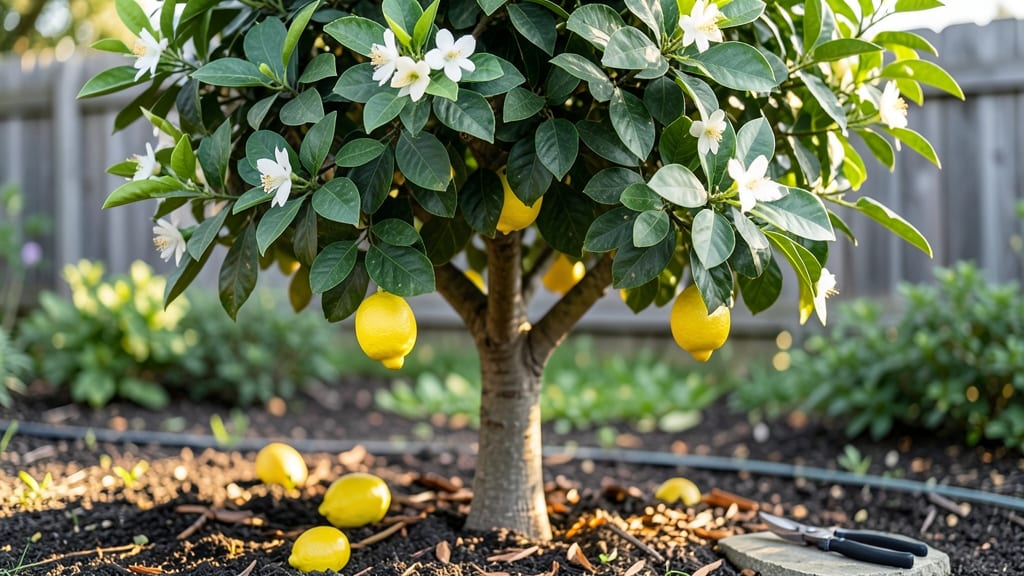
When your lemon tree's leaves start yellowing or curling, it’s not just a cosmetic issue—it’s a cry for help. 🌿 I’ve nursed back more lemon trees than I can count, and the key to heavy fruit loads is keeping those leaves happy year-round, not just when the first blossoms appear.
The problem isn’t always obvious: too much water, not enough, pests hiding on the undersides, or even nutrient imbalances from last year’s harvest. But there’s a method to diagnosing and fixing it.
The first step is simple: check the leaves’ texture, color, and pattern of damage. Yellowing edges often mean underwatering or salt buildup, while dark spots could signal fungal issues. Curling leaves? That’s usually a sign of stress—whether from pests like spider mites or environmental shifts.
Once you pinpoint the issue, the fixes are straightforward: adjust watering, apply neem oil, or fertilize with citrus-specific nutrients. The goal is to keep those leaves vibrant so your tree can support a heavy fruit load without dropping branches.
📚 In This Guide
- What you need
- Instructions
- Tips and common mistakes
- Wrapping up and next steps
What you need
- ● Lemon tree (Citrus × limon) – Choose a dwarf variety (e.g., 'Meyer' or 'Improved Meyer') for easier care or a standard variety for heavier yields. Age: 1-3 years old (mature enough to handle fruit but young enough to adapt).
- ● Well-draining potting mix – 10-20 gallons (for container trees) or enriched garden soil with 50% compost (for in-ground planting). pH: 6.0–7.0.
- ● Citrus fertilizer – Balanced 6-6-6 or 8-3-9 NPK (high in nitrogen for foliage, phosphorus for roots, and potassium for fruit). Application: Every 4–6 weeks during growing season.
- ○ Slow-release fertilizer pellets – Optional but helpful for steady nutrient release (e.g., Osmocote or similar).
- ● Citriculture-specific micronutrients – Zinc, iron, and magnesium (lemon trees are prone to deficiencies). Use a chelated iron supplement if leaves show yellowing.
- ● Mulch – 2–3 inches of organic mulch (e.g., straw or wood chips) to retain moisture and regulate soil temp.
- ● Pruning shears – Sharp, bypass-style (avoid dull tools that crush branches). Size: 6–8 inches for precision.
- ● Gloves – Heavy-duty gardening gloves (lemon trees have thorns!).
- ● Watering can or drip irrigation system – Deep watering (1–2 inches per week; more in summer). Tip: Avoid wetting leaves to prevent fungal diseases.
- ● pH testing kit – Digital or liquid test kit to monitor soil acidity.
- ○ Support stakes or trellis – Optional but useful for container trees (especially heavy with fruit).
- ● Pest control tools – Neem oil spray, insecticidal soap, or horticultural oil for aphids, scale, or spider mites.
- ● Sunlight – 6–8+ hours of full sun daily (south-facing windows or outdoor exposure).
- ● Temperature range – Ideal: 60–85°F (50–90°F tolerated). Warning: Protect from frost (<32°F).
- ● Humidity control – 40–60% humidity (use a humidifier or pebble tray in dry climates).
- ● Drainage solution – Elevate containers or add perforations to pots to prevent root rot.
- ● Pollination assistance – Hand-pollinate with a small brush if indoors or in low-wind areas (lemon trees are self-pollinating but benefit from help!).
How to maintain a lemon tree with abundant fruit production
Lemon trees thrive when you balance their love for sunlight with careful watering and feeding.
🌿 Step 1: Provide Consistent Sunlight and Warmth
Lemon trees need 6-8 hours of direct sunlight daily—place yours near a south-facing window or under a grow light if indoors. In colder months, keep temperatures above 50°F to prevent leaf drop. You'll notice leaves curling or yellowing if it's too cold, so move it closer to a heat source if needed.
Outdoor trees should get full sun exposure year-round. If you're in a hot climate, provide afternoon shade during peak summer months to prevent leaf scorch. Watch for leaves that look crispy around the edges—that's your cue to adjust shade coverage.
💧 Step 2: Water Deeply but Infrequently
Water when the top 2-3 inches of soil feel dry—stick your finger in the soil to check. Lemon trees hate soggy roots, so always use well-draining soil and pots with drainage holes. I water deeply until it runs out the bottom, then wait until the soil dries before watering again.
In summer, you may need to water every 5-7 days, while winter watering can drop to every 2-3 weeks. Overwatering causes yellow leaves and root rot, so err on the side of underwatering if you're unsure. A good rule: if the leaves start wilting slightly in the afternoon, it's time to water.
☀️ Step 3: Feed with Citrus-Specific Fertilizer
Use a citrus fertilizer every 4-6 weeks during growing season (spring through fall). I mix it at half-strength to avoid burning the roots—lemon trees are sensitive to over-fertilizing. You'll see new growth within weeks if the fertilizer is working, but if leaves turn brown at the tips, you're overdoing it.
In winter, reduce feeding to every 8-12 weeks or stop entirely if the tree is dormant. Always water the tree first before applying fertilizer to prevent root burn. A light layer of mulch helps retain moisture and nutrients, so add 1-2 inches of organic mulch around the base (but not touching the trunk).
✂️ Step 4: Prune for Airflow and Fruit Production
Prune in late winter or early spring to shape the tree and encourage fruit production. Remove any dead, diseased, or crossing branches first—these compete with healthy growth. I also trim back any suckers (shoots growing from the base) to redirect energy to fruit-bearing branches.
Thin out crowded areas to improve airflow, which prevents fungal diseases. Never prune more than 25% of the tree at once, or it'll stress the plant. You'll notice new shoots emerging within a few weeks—these are your tree's way of compensating for the pruning.
🌱 Step 5: Monitor for Pests and Diseases
Check leaves regularly for scale, aphids, or spider mites—common citrus pests. Wipe leaves with a damp cloth if you spot any, or spray with neem oil for organic control. Yellowing leaves can also signal overwatering or nutrient deficiency, so adjust your care routine accordingly.
If you see white, fuzzy growth on leaves or stems, it's likely powdery mildew—spray with a fungicide and improve airflow around the tree. Healthy lemon trees produce glossy, dark green leaves, so any discoloration or spots are a sign to act quickly. Prevention is key: keep the area clean and avoid overhead watering.
Tips & tricks for healthy lemon tree leaves
Real talk: Your lemon tree's leaves are the canary in the coal mine—what they tell you matters more than you might think.
Sunlight Strategy: Those 6-8 hours of daily sunlight are non-negotiable, but here's the thing about indoor trees: south-facing windows only give 4-6 hours of direct light. If you notice leaves stretching toward the light (a condition called etiolation), it's time to supplement with a grow light. I use a full-spectrum LED bulb 6 inches above the tree for 12 hours daily—it mimics natural light perfectly and prevents that sad, leggy growth.
Watering Wisdom: The "top 2-3 inches dry" rule is gold, but here's what nobody tells you: your pot size changes everything. A 5-gallon pot might need water every 5-7 days in summer, but a 1-gallon pot could dry out in just 3 days. Check soil moisture at the same time each day to establish a routine. And always water at the base—never overhead—to prevent fungal spores from settling on leaves.
Fertilizer Finesse: That citrus fertilizer schedule (every 4-6 weeks) works, but the half-strength application is where most people mess up. I mix mine in a spray bottle first, then dilute with water again before applying. This prevents salt buildup in the soil, which causes those ugly brown leaf tips. Think of it like coffee—too strong and you burn the roots, too weak and the tree gets nothing.
Pruning Pro Tip: When you're trimming those suckers in Step 4, here's my secret: use clean, sharp pruners and make cuts at a 45-degree angle just above a leaf node. This encourages faster healing and prevents water from pooling on the cut, which leads to rot. I also sterilize my tools with rubbing alcohol between cuts—it takes 30 seconds and prevents disease spread.
Pro Tips for Leaves Of A Lemon Tree
- Real talk: Your lemon tree's leaves are the canary in the coal mine—what they tell you matters more than you might think.
- Sunlight Strategy: Those 6-8 hours of daily sunlight are non-negotiable, but here's the thing about indoor trees: south-facing windows only give 4-6 hours of direct light.
- Watering Wisdom: The "top 2-3 inches dry" rule is gold, but here's what nobody tells you: your pot size changes everything.
Frequently asked questions
Got questions about keeping your lemon tree thriving with a heavy fruit load? You’re not alone! Here are answers to the most common curiosities—from pruning puzzles to pest problems—so you can enjoy leaves of a lemon tree that stay lush and productive year-round.
When is the best time to prune a lemon tree with heavy fruit?
Prune your lemon tree in late winter or early spring, just before new growth begins. Avoid pruning during fruiting season (fall/winter), as this can stress the tree and reduce yield. Focus on removing dead, diseased, or crossing branches to improve airflow and light exposure.
How do I know if my lemon tree has too many lemons?
If your tree is dropping fruit prematurely, overloaded branches sag, or leaves yellow despite regular watering, it’s likely overburdened. Thin fruit by removing small, misshapen, or clustered lemons, leaving 6–12 inches between remaining fruits to prevent branch breakage.
Why are the leaves on my lemon tree turning yellow?
Yellow leaves usually signal overwatering, underwatering, or nutrient deficiencies. Check soil moisture—it should be dry 1–2 inches down. Test for iron or nitrogen deficiency (common in citrus) and amend soil with chelated iron or a balanced fertilizer. Pest infestations (like aphids) can also cause yellowing.
What pests should I watch for on lemon tree leaves?
Keep an eye out for aphids, spider mites, and citrus leaf miners. Aphids cluster on new growth, while mites create fine webbing on undersides. Leaf miners leave blister-like trails. Treat with neem oil or insecticidal soap, and prune affected leaves immediately to prevent spread.
Can I use lemon tree leaves for anything besides tea?
Fresh or dried leaves
can repel pests (like ants and flies) when crushed and placed near plants. They also make a natural cleaner (antibacterial properties) or a fragrant potpourri. Just avoid overharvesting—never remove more than 20% of leaves at once to keep your tree healthy.
What’s a good alternative if my lemon tree isn’t fruiting?
If your tree struggles with fruit production, try cross-pollinating with another lemon variety (like ‘Eureka’ + ‘Meyer’). For container-grown trees, ensure full sun (6+ hours/day) and well-draining soil. If indoors, supplement with a grow light in winter. Patience is key—young trees may take 2–5 years to bear fruit!
Wrapping up and next steps
Caring for a lemon tree with a heavy fruit load is all about balance—whether it’s through pruning, nutrient support, or seasonal adjustments. With the right tools and knowledge, you can keep your tree thriving and bursting with juicy lemons year after year. 🌿✨
Ready to take the next step? Start by auditing your tree’s health—check its branches, soil, and fruit load this week. Small tweaks now can lead to a bountiful harvest and a happier tree in no time!