
Pruning
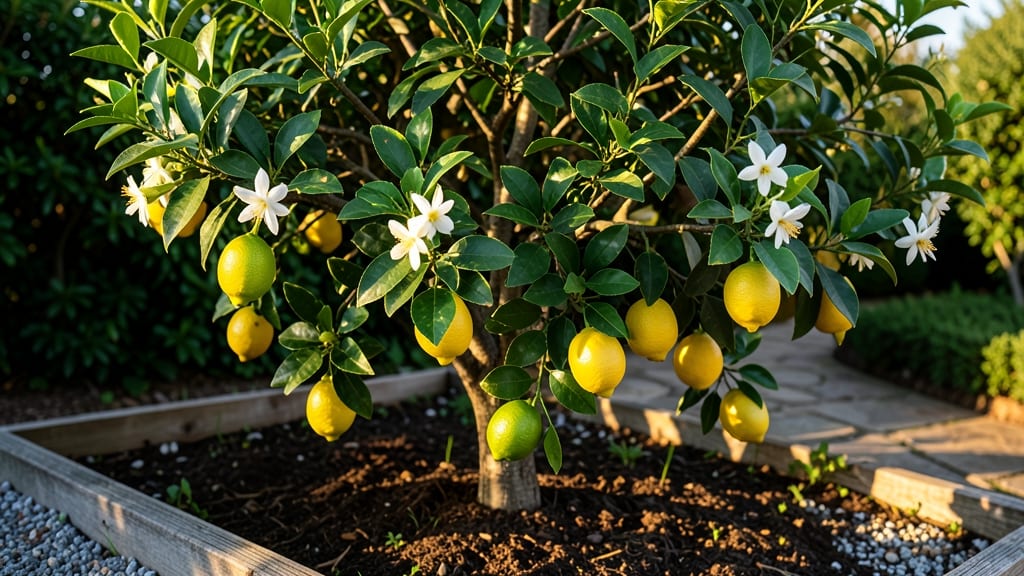
Lemon tree care starts with sunlight and soil—two things that make the difference between a scraggly houseplant and a fruit-bearing powerhouse. 🌿 I’ve watched my Meyer lemon tree go from a sad, bare-branched specimen to a tabletop citrus factory by mastering these two basics.
The secret isn’t complicated: it’s about giving your tree what it craves—bright light and soil that drains like a sandy beach but holds moisture like a well-wrung sponge.
Most people overthink lemon tree care, but the real magic happens in the details: a south-facing window or balcony gets at least 6 hours of direct sun daily, while outdoor trees thrive with full sun exposure.
The soil mix? Equal parts potting soil, perlite, and compost—no fancy amendments needed. Water when the top inch feels dry, but never let it sit in soggy soil. This simple routine keeps roots happy and fruit production steady.
By summer, you’ll be harvesting bright, fragrant lemons—dozens per tree—that taste sweeter than anything from the grocery store.
The key is consistency: prune in late winter to shape the tree and remove dead growth, feed with citrus-specific fertilizer every 6-8 weeks, and watch for pests like spider mites. A little vigilance goes a long way.
Whether you’re growing a dwarf Meyer lemon on your windowsill or a full-sized tree in your backyard, these basics apply. The payoff? Fresh lemons year-round, whether you’re making lemonade, marmalade, or just snacking on sun-ripened fruit straight from the tree. Let’s get your lemon tree thriving.
📚 In This Guide
- What you need
- Instructions
- Tips and common mistakes
- Wrapping up and next steps
What you need
- ● Potting Soil: 5–10 gallons of well-draining, slightly acidic potting mix (pH 6.0–7.0). Tip: Mix in perlite or sand (20% of the total volume) for better aeration.
- ● Pot or Garden Space: Container Growers: A pot at least 12–18 inches wide/deep with drainage holes. Pro Tip: Terracotta pots help regulate moisture.
- ● In-Ground Planting: A sunny spot with loose, fertile soil (amend with compost if needed).
- ● Fertilizer: A balanced citrus fertilizer (e.g., 6-6-6 or 8-3-9) or organic options like fish emulsion or compost tea.
- ● Pruning Tools: Bypass pruners (for clean cuts on small branches).
- ● Loppers (for thicker branches, ½–1 inch in diameter).
- ● Sterilizing solution (rubbing alcohol or bleach water) to prevent disease.
- ● Watering Supplies: A watering can with a rose attachment or a hose with a gentle spray nozzle.
- ● Mulch: Organic mulch (e.g., straw or wood chips) to retain moisture and regulate soil temperature.
- ● Soil moisture meter to monitor watering needs.
- ● Citrus-specific fungicide (e.g., copper-based) for pest/disease prevention.
- ● Support stakes or a trellis for young trees in windy areas.
- ● Slow-release fertilizer pellets for convenience.
- ● Citrus repellent sprays (e.g., neem oil) for organic pest control.
Step-by-step guide to cultivating a thriving indoor lemon tree
Here's how I've kept my citrus trees fruiting indoors for over five years—no greenhouse needed.
🪴 Step 1: Select the Perfect Container and Soil Mix
Choose a 12-15 inch diameter pot with drainage holes—citrus roots despise soggy feet. I use a well-draining citrus potting mix blended with 20% perlite or pumice to prevent compaction. The ideal mix stays loose enough that water drains freely but holds enough moisture for deep roots.
Fill the pot halfway with your mix, then tap the container gently on the table to settle the soil without compacting it. You want air pockets for roots to breathe, but not so loose that water runs straight through. The top layer should be firm enough to support the tree when you plant it.
☀️ Step 2: Position for Maximum Sunlight Exposure
Lemon trees demand 6-8 hours of direct sunlight daily. Place your tree within 3 feet of a south-facing window or under a grow light providing 10,000-12,000 lux intensity. If leaves start yellowing between veins, your tree needs more light—rotate the pot weekly for even growth.
Here's the thing—indoor citrus often grows toward the light source. Watch for stems leaning at 45 degrees or more. If you see this, move the tree immediately to a brighter spot or adjust the grow light position. A slight daily rotation keeps the tree balanced and prevents lopsided growth.
💧 Step 3: Master the Watering Schedule
Water when the top 2-3 inches of soil feel dry. Stick your finger in—if it comes out clean, it's time. Overwatering is the #1 killer of indoor citrus. I use room-temperature water to avoid shocking the roots, and always water until it drains freely from the bottom holes.
Reduce watering in winter when growth slows. The tree stores water in its trunk, so it can handle 50% less water during dormancy. Yellow leaves often mean overwatering, but brown, crispy edges signal underwatering. Adjust based on what you see—not a calendar.
✂️ Step 4: Prune for Shape and Fruit Production
Prune in late winter or early spring before new growth starts. Remove dead or crossing branches first, then cut back leggy growth to encourage bushier shape. I never remove more than 25% of the canopy at once—citrus trees handle stress poorly.
Watch for suckers growing from the base—these steal energy from fruit production. Pinch them off immediately. When pruning, always cut just above a leaf node at a 45-degree angle. This encourages faster healing and prevents water from pooling on the cut.
🌿 Step 5: Fertilize for Year-Round Fruit
Use a balanced citrus fertilizer (6-6-6 or 8-8-8 NPK ratio) every 4-6 weeks during active growth. I halve the recommended dose—citrus trees are sensitive to salt buildup from over-fertilizing. Always water thoroughly before and after feeding to prevent root burn.
In late summer, switch to a low-nitrogen, high-potassium formula (like 5-10-10) to support flowering. You'll see tiny white buds form in 6-8 weeks—this is your signal the tree is ready for fruit. Never fertilize in winter when the tree is dormant.
Tips & tricks for perfect indoor lemon tree cultivation
These practical insights will help you avoid common pitfalls and maximize your lemon tree's fruit production.
Soil Mix Mastery: When blending your citrus potting mix with 20% perlite or pumice, I recommend sifting the components together to ensure even distribution. This prevents clumping that can restrict root growth. After filling your 12-15 inch pot halfway, I find it helpful to gently press the soil mix around the edges to create a stable base before planting your tree. This prevents the pot from tipping when you water.
Light Source Strategy: For the critical 6-8 hours of direct sunlight, position your tree within 3 feet of a south-facing window during winter months when sunlight is less intense. If using grow lights, I've found that placing the tree 12-18 inches below the light source provides optimal 10,000-12,000 lux intensity. Remember to rotate the pot weekly—this prevents the tree from growing lopsided as it stretches toward the light.
Watering Wisdom: The finger test for checking soil moisture works best when you insert your finger about 2 inches deep. If you're unsure, I recommend using a moisture meter for precise readings. When reducing winter watering by 50%, I've noticed the soil stays moist longer in cooler months, so check less frequently but more thoroughly. Always use room-temperature water to avoid shocking the delicate root system.
Pruning Precision: When pruning in late winter, I use sterilized pruning shears to make clean cuts just above leaf nodes at a 45-degree angle. This technique promotes faster healing and prevents disease entry points. For suckers growing from the base, I recommend pinching them off at the base rather than cutting—this minimizes stress on the tree. Never remove more than 25% of the canopy at once, as citrus trees are particularly sensitive to sudden defoliation.
Pro Tips for Lemon Tree Care
- These practical insights will help you avoid common pitfalls and maximize your lemon tree's fruit production.
- Soil Mix Mastery: When blending your citrus potting mix with 20% perlite or pumice, I recommend sifting the components together to ensure even distribution.
- Light Source Strategy: For the critical 6-8 hours of direct sunlight, position your tree within 3 feet of a south-facing window during winter months when sunlight is less intense.
Frequently asked questions
How much sunlight does a lemon tree really need?
A lemon tree thrives with 6–8 hours of direct sunlight daily. In hot climates, provide afternoon shade to prevent leaf scorch. If indoors, place it near a south-facing window or use grow lights for 12–14 hours/day. Pro tip: Rotate the pot weekly for even growth!
What’s the ideal temperature range for lemon trees?
Lemon trees love warmth (70–85°F during the day, 55–60°F at night). They’re sensitive to frost (<32°F) and may need winter protection indoors or in greenhouses. If you live in a cold zone, grow them in containers for easy relocation. Watch out: Sudden cold snaps can shock the tree!
How often should I water my lemon tree?
Water when the top 1–2 inches of soil are dry—typically every 5–7 days, but adjust for climate. Overwatering is worse than underwatering! Ensure pots have drainage holes, and reduce watering in winter when growth slows. Test it: Stick your finger in the soil to check moisture.
Why aren’t my lemon tree’s leaves turning yellow?
Yellow leaves often signal overwatering, nutrient deficiency, or pests. Check for:
- Root rot: Let soil dry out between waterings.
- Nitrogen deficiency: Fertilize with citrus-specific food every 2–3 months.
- Pests: Inspect for aphids or mites and treat with neem oil.
Can I grow a lemon tree in a container forever?
Yes! Lemon trees adapt well to containers but need repotting every 2–3 years into a slightly larger pot (1–2 inches wider). Use well-draining soil, and prune roots if they circle the pot. Just ensure the container is at least 15–20 gallons for mature trees. Bonus: Containers make winter moves easy!
Wrapping up and next steps
Growing a thriving lemon tree is all about patience, consistency, and a little citrus love! 🌱 With the right balance of sunlight, well-draining soil, and smart pruning, you’ll soon enjoy a bountiful harvest—even in cooler months. Remember, every trim and feed is a step toward a healthier, fruit-bearing tree.
Ready to take the next step? Start small: pick one task—whether it’s pruning, fertilizing, or troubleshooting pests—and master it before expanding. Your lemon tree (and future lemonade!) will thank you. 🍋✨