
Propagation
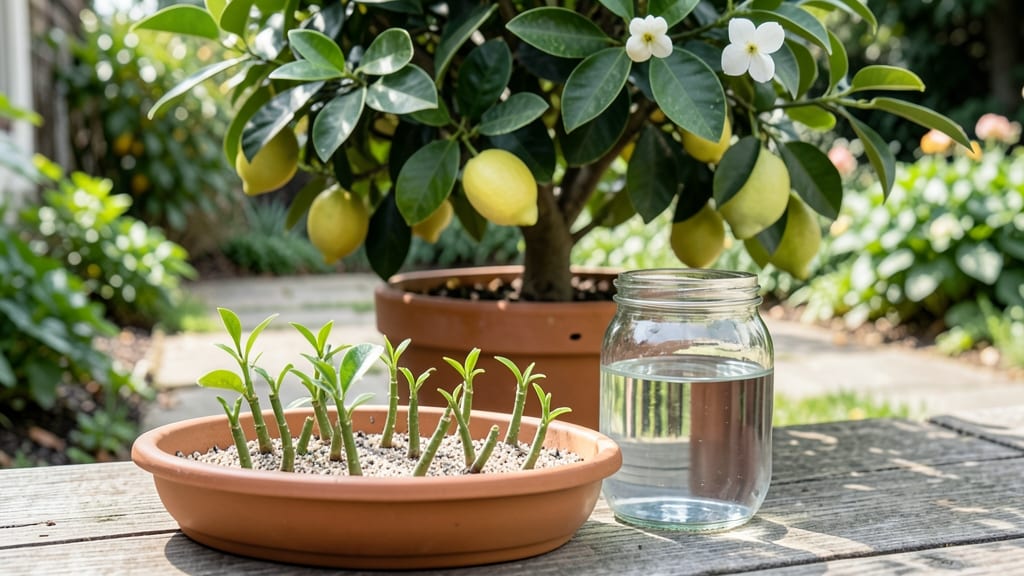
Mastering lemon tree propagation from cuttings is the fastest way to grow a fragrant, productive tree without waiting years for seeds to mature. 🌱 I’ve rooted more lemon cuttings than I can count, and the secret isn’t complicated—just the right timing. clean cuts, and a little patience.
The first time I saw roots sprout from a 6-inch cutting, I knew I’d never buy a nursery tree again.
You’ll need sharp pruners, rooting hormone (optional but helpful), and a mix of perlite and peat moss for drainage. Cuttings work best in late spring or early summer when the tree is actively growing.
Start with 4-6 inch stems, strip the lower leaves, and dip the cut end in hormone before planting. Most gardeners see roots form in 4-8 weeks with consistent moisture.
What you end up with is a lush, lemon-scented tree that starts bearing fruit in just 2-3 years—far sooner than seed-grown trees. The foliage stays glossy green, the branches fill out quickly, and you’ll recognize that classic citrus aroma long before the first lemons appear.
Just keep the humidity up and avoid overwatering.
Works for Meyer lemons, Eureka varieties, and even sour lemons. The same method adapts to other citrus trees too—just adjust the timing for your climate. Ready to grow your own? Let’s get those cuttings rooted!
📚 In This Guide
- What you need
- Instructions
- Tips and common mistakes
- Wrapping up and next steps
What you need
- ● Healthy lemon tree cuttings: 3–5 semi-hardwood cuttings (4–6 inches long, pencil-thick)
- ● From non-flowering, disease-free branches
- ○ Rooting hormone: (optional but recommended) 1 small bottle (e.g., Clonex or similar)
- ● Well-draining potting mix: 1–2 gallons of a blend like perlite + peat moss (or cactus/succulent mix)
- ● Small pots or trays: 4–6" pots (1 per cutting) or a seedling tray with drainage holes
- ● Clear plastic bag or dome: To create a humid environment (e.g., a gallon-sized ziplock or propagator)
- ● Spray bottle: For misting (8–16 oz with a fine mist nozzle)
- ● Pruning shears or sharp knife: Sterilized to avoid disease
- ● Watering can or cup: For gentle hydration
- ● Warmth: 70–85°F (21–29°C) for rooting (use a heat mat if needed)
- ● Indirect light: Bright, filtered light (avoid direct sun during rooting)
- ● Patience: Roots take 4–12 weeks to form!
- ○ Optional: A humidity tray (pebbles + water) for extra moisture
Step-by-Step instructions for growing lemon trees from cuttings
Here's how to root lemon tree cuttings reliably—no fancy equipment needed.
🌱 Step 1: Select and Prepare Healthy Cuttings
Choose 4-6 inch long stems from the current season's growth—look for pencil-thick branches with 3-4 leaf nodes. I always pick non-flowering shoots since they focus energy on rooting instead of blooming. Use clean, sharp pruners to make a 45-degree cut just below a leaf node. This angled cut increases surface area for root development.
Remove all but the top 2-3 leaves to reduce water loss. Strip off any lower leaves that would sit below the soil line. Wipe the cut end with a damp paper towel to remove sap—this helps roots form faster. Here's the thing: if your cuttings feel soft or mushy when squeezed, they're too old and won't root well. Fresh, firm stems are your best bet.
💧 Step 2: Root in Water or Moist Medium
Place each cutting in a small glass or jar filled with room-temperature water, leaving just the bottom node submerged. Change the water every 3-4 days to prevent bacterial growth. You'll see tiny white roots emerge in about 3-6 weeks—this is your signal it's ready for soil. Real talk: if the water gets cloudy before roots appear, your cuttings may be rotting. Start fresh with new stems.
For faster results, dip the cut end in rooting hormone powder first, then plant in a 4-inch pot filled with a mix of 50% perlite and 50% peat moss. Keep the medium consistently moist but never soggy. The ideal moisture level feels like a damp sponge—squeeze it and just a few drops should come out. This balance prevents both rot and dehydration.
☀️ Step 3: Provide Warmth and Bright Indirect Light
Set your cuttings in a location with bright, indirect light—think east-facing window or under a grow light. Direct sun will scorch the leaves before roots establish. I like to place them on a seedling heat mat set to 75-80°F during the day. This warmth mimics tropical conditions and speeds up rooting. You'll know it's working when new leaves appear after about 6-8 weeks.
Mist the leaves lightly every 2-3 days to maintain humidity. A clear plastic bag loosely draped over each pot creates a mini greenhouse effect. Just remove it daily for 10 minutes to prevent mold. Watch for yellowing leaves—they're begging for better air circulation. If you see this, prop the bag open with a toothpick or move the cutting to a slightly breezier spot.
🪴 Step 4: Transplant to Permanent Containers
Once roots are 2-3 inches long and new growth appears, it's time to move your cuttings to 6-inch pots filled with well-draining potting mix. Gently remove the cutting from its temporary home, shaking off old medium to check root development. Healthy roots should look white and fibrous—not brown or mushy. If you see brown spots, trim them off with clean scissors before repotting.
Plant at the same depth as before, firming soil gently around the stem. Water thoroughly until it drains from the bottom. After transplanting, keep the cutting in bright, indirect light for 2 weeks to reduce shock. You'll notice stronger new growth within 3-4 weeks as the plant settles into its permanent home. Here's where it gets fun—watch those first lemons form in 1-2 years if you're patient!
Tips & tricks for perfect lemon tree propagation
Took me a while to figure these out, so here goes—your shortcuts to success with lemon tree cuttings.
Timing Secret: In Step 1, when you're selecting cuttings, aim for the morning hours. Freshly pruned stems contain the most moisture, which helps prevent wilting during the preparation process. I've found that cuttings taken after 10 AM often dry out faster, especially if your kitchen isn't humid. The 4-6 inch length gives you room to work without losing too much moisture during the cutting and cleaning process.
Rooting Medium: For Step 2, if you don't have perlite, you can substitute with coarse sand or even small gravel. The key is maintaining that perfect damp sponge consistency. I've had great success using a mix of 50% coconut coir and 50% vermiculite—both are readily available and create excellent drainage. Just remember to keep that bottom node submerged in water or buried in the moist medium for optimal root development.
Lighting Strategy: In Step 3, if you're using a grow light, position it about 6 inches above your cuttings. This distance prevents overheating while providing the bright, indirect light they need. I've noticed that using a timer for 14 hours of light per day mimics natural conditions perfectly. And if you're using natural light, rotate your cuttings every few days so all sides get equal exposure—this prevents lopsided growth.
Transplanting Tip: When you're ready for Step 4, don't rush the transplanting process. Let those roots reach 2-3 inches before moving your cutting to its permanent home. I've seen many beginners transplant too soon, which often leads to shock and stunted growth. After repotting, give your cutting a light misting to help it adjust to its new environment—this mimics natural rainfall and reduces transplant stress.
Pro Tips for Lemon Tree Propagation
- Took me a while to figure these out, so here goes—your shortcuts to success with lemon tree cuttings.
- Timing Secret: In Step 1, when you're selecting cuttings, aim for the morning hours.
- Rooting Medium: For Step 2, if you don't have perlite, you can substitute with coarse sand or even small gravel.
Frequently asked questions
Got questions about growing your own lemon tree from cuttings? You’re not alone! Here are some of the most common queries—and their simple, no-fuss answers—to help you propagate like a pro.
When is the best time to take lemon tree cuttings?
The ideal window is late spring or early summer when the tree is actively growing. Avoid winter dormancy—cuttings taken then struggle to root. Aim for new, semi-hardwood growth (still flexible but not soft like new leaves).
How long does it take for lemon tree cuttings to root?
Patience is key! Most cuttings sprout roots in 4–8 weeks, but some may take up to 3 months. Keep the soil moist (not soggy) and check for resistance when gently tugging the cutting—if it doesn’t pull out easily, roots are forming!
Can I propagate a lemon tree from a store-bought lemon?
Technically yes, but it’s hit-or-miss. Store-bought lemons are often treated to prevent sprouting. For better success, use seedlings from organic lemons or cuttings from a healthy tree. If trying seeds, soak them overnight first!
Why are my lemon cuttings turning yellow or mushy?
Yellowing or mushiness usually signals overwatering or rot. Let the top inch of soil dry out between waterings, and ensure the cutting has a clean cut (not crushed). If the base smells foul, trim the rot and replant in fresh, sterile soil.
Do lemon tree cuttings need special light conditions?
Yes! Place your cuttings in bright, indirect light (like a sunny windowsill or grow light). Direct sun can scorch tender leaves, while too little light slows rooting. A humidity dome or plastic bag (with holes!) speeds up the process by trapping moisture.
Wrapping up and next steps
Growing a lemon tree from cuttings is a rewarding journey that brings a slice of sunshine to your garden—or even your kitchen! 🌱 Whether you’re a beginner or a seasoned green thumb, mastering propagation unlocks endless possibilities for fresh lemons, fragrant blooms, and the joy of nurturing life.
Now that you’re armed with the right techniques and tips, why not take the next step? Grab those cuttings, find your perfect spot, and watch your little saplings grow into thriving trees. Your future harvest (and bragging rights) are just a few weeks away!