
Pruning
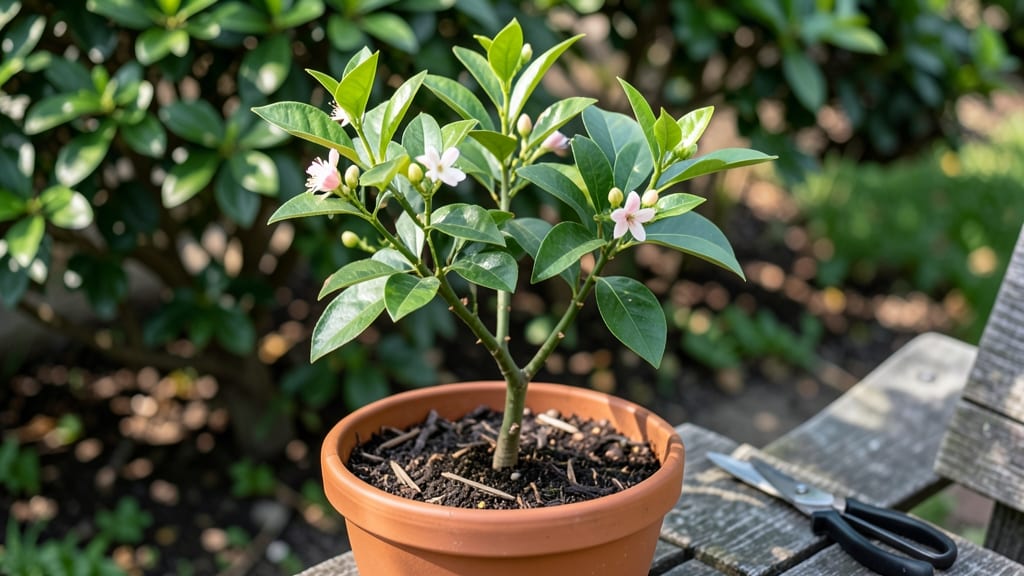
Growing lemon tree saplings from seed means zesty rewards in just 3-4 months—not years. 🌱 I learned the hard way that patience pays off when you start with the right soil mix and light conditions.
The key is mimicking their Mediterranean roots early: bright indirect light, slightly acidic soil, and consistent moisture without soggy roots.
Your 3 essentials are a 3-5 gallon pot, well-draining soil (50% potting mix, 30% perlite, 20% compost), and a south-facing window or grow light.
Saplings need 6+ hours of light daily—any less and they’ll stretch leggy. I’ve seen mine double in height within 8 weeks when conditions are perfect.
By month 3, you’ll spot first true leaves (not the seedling’s initial sprout) and tiny flower buds forming. The real magic happens when you pinch back the tips to encourage bushier growth—this is where most beginners skip a critical step.
With proper care, your sapling will be ready for transplanting in 6-8 months.
Here’s the secret weapon: weekly foliar feeding with diluted fish emulsion after the first leaves appear. It’s the difference between a struggling sapling and one that’s already thinking about lemons. Let’s get those roots growing strong!
📚 In This Guide
- What you need
- Instructions
- Tips and common mistakes
- Wrapping up and next steps
What you need
- ● Lemon tree saplings or seeds: 1-3 saplings (if buying) or 3-5 fresh lemon seeds (from organic, unwashed lemons)
- ● Well-draining potting mix: 1 bag (1-2 cubic feet) of citrus-specific or cactus/succulent mix (or DIY: 60% peat moss, 30% perlite, 10% sand)
- ● Containers: 3-4 small pots (4-6 inches in diameter) with drainage holes or a seed tray with individual cells
- ○ Rooting hormone (optional but recommended): 1 small bottle (e.g., Clonex or Rootone)
- ● Spray bottle: 1 (for misting seedlings)
- ● Fertilizer (balanced, low-nitrogen): 1 bottle (e.g., 20-20-20 or fish emulsion)
- ● Pruning shears: 1 pair (sterilized with rubbing alcohol)
- ● Humidity dome or plastic wrap: 1 (to retain moisture during germination)
- ● Grow lights (LED, full-spectrum) for indoor setups
- ● Thermometer/hygrometer to monitor soil temp (ideal: 70-85°F)
- ● Epsom salt (magnesium sulfate) for nutrient boost
- ● Mulch (e.g., straw or coconut coir) to retain soil moisture
- ● Label markers for tracking sapling varieties
Step-by-step instructions for germinating lemon tree saplings
Here’s how I speed up germination and give lemon trees a head start toward strong, healthy growth.
🌱 Step 1: Soak Seeds to Kickstart Germination
Place the lemon seeds in a small bowl and cover them with warm water (around 80°F) for 24 hours. This softens the tough outer coating and jumpstarts the germination process. I like to use a shallow dish so the seeds don’t sink to the bottom—just enough water to fully submerge them.
After soaking, drain the water completely. The seeds should feel plump and slightly swollen to the touch—this means they’ve absorbed moisture and are ready for planting. If they still feel hard, soak them another 12 hours. The goal is to break dormancy without overhydrating, which can cause rot.
🪴 Step 2: Prepare Containers and Planting Medium
Use small, individual containers (like 3-inch pots) filled with a light, fast-draining mix. I blend 50% peat moss and 50% perlite for airy roots—lemon trees hate soggy soil. Moisten the mix until it’s damp but not dripping, then press it gently into the bottom of each pot to eliminate air pockets.
Plant the soaked seeds ½ inch deep, spacing them about 1 inch apart if using a shared tray. Cover them lightly with the same mix, patting down just enough to secure them. Overcrowding now leads to weak seedlings later, so I tap the seed packet gently to release one seed at a time.
☀️ Step 3: Provide Warmth and Humidity for Sprouting
Place the containers in a warm spot (ideally 75-85°F) with bright, indirect light. A seedling heat mat under the tray helps maintain consistent warmth—lemon seeds germinate fastest when cozy. Cover the pots with clear plastic wrap or a humidity dome to trap moisture, but leave a tiny gap for airflow.
Check daily for condensation on the plastic. If it’s foggy inside, germination is active. Seeds typically sprout in 10-21 days, but warmth and humidity cut that time in half. Once you see the first green shoot, remove the cover immediately to prevent fungal growth. Leggy seedlings mean the light is too weak—move them closer to a south-facing window or under a grow light.
💧 Step 4: Water and Care for Early Growth
Water gently from the bottom by placing the pot in 1 inch of water for 10 minutes. This encourages roots to grow downward instead of sitting in wet soil. Let excess water drain completely before returning the pot to its spot. Overwatering at this stage is the fastest way to kill young saplings—wait until the top inch of soil feels dry to the touch before watering again.
Once the first true leaves (not the initial seed leaves) appear, fertilize lightly with a diluted citrus fertilizer (half-strength). Lemon trees are sensitive to salts, so I use a weak solution every 4 weeks to avoid buildup. Rotate the pots weekly so all sides get even light, preventing lopsided growth.
Tips & tricks for perfect lemon tree saplings
Took me years of trial and error to figure out these little details that make all the difference with lemon tree germination. Here's what nobody tells you—
Soaking Secret: The 24-hour soak at 80°F is non-negotiable for breaking dormancy, but here's the thing: if your seeds still feel hard after 24 hours, don't rush to plant them! That extra 12-hour soak can be the difference between germination and rot. I've learned to test each seed individually by gently pressing with my thumbnail—if it yields slightly, it's ready. This prevents overhydration while ensuring maximum moisture absorption.
Medium Mix Mastery: That 50-50 peat moss and perlite blend isn't just arbitrary—it's about creating the perfect air-to-moisture ratio. I've found that adding a handful of coarse sand (about 10%) to the mix improves drainage even further, especially if you're in a humid climate. The key is to avoid compacting the mix when pressing it into pots; I use a chopstick to poke holes in the bottom first for even better drainage.
Warmth Hack: While the instructions call for 75-85°F, I've discovered that placing containers on top of a refrigerator (not inside) creates the perfect warm microenvironment without needing special equipment. The heat rises naturally from the fridge's coils, maintaining consistent warmth. Just make sure the top isn't too hot to touch—you want gentle warmth, not heat that would cook the seeds.
Light Strategy: That 10-21 day germination window can feel like forever, but here's what I do to speed things up: I place my seed trays under a simple LED grow light on a 16-hour cycle (on during daylight hours). The light doesn't need to be intense—just enough to prevent leggy growth. I've seen germination times cut by nearly half with this simple setup, especially in darker winter months.
Pro Tips for Lemon Tree Saplings
- Took me years of trial and error to figure out these little details that make all the difference with lemon tree germination.
- Soaking Secret: The 24-hour soak at 80°F is non-negotiable for breaking dormancy, but here's the thing: if your seeds still feel hard after 24 hours, don't rush to plant them!
- Medium Mix Mastery: That 50-50 peat moss and perlite blend isn't just arbitrary—it's about creating the perfect air-to-moisture ratio.
Frequently asked questions
Got questions about growing lemon tree saplings? You’re not alone! Here are some of the most common concerns—plus straightforward answers to help you skip the guesswork and get straight to thriving citrus.
How long does it take for lemon tree saplings to germinate?
Most lemon tree saplings sprout within 10 to 21 days when planted in well-draining soil and kept warm (70–80°F). Patience is key—consistent moisture (but no sogginess!) speeds things up. If you don’t see sprouts after 3 weeks, gently check for mold or rot. Pro tip: Use a heat mat under seedling trays to cut germination time in half!
Can I plant lemon tree saplings outdoors year-round?
Nope! Lemon trees are tropical and need warmth to thrive. Plant saplings after the last frost (spring) in USDA zones 9–11. In colder climates, start indoors 8–10 weeks before the last frost, then transplant when soil temps hit 60°F+. Bonus: Harden off seedlings gradually to avoid shock.
What if my lemon sapling’s leaves turn yellow?
Yellow leaves usually mean overwatering, nutrient deficiency, or poor drainage. First, check the soil—it should be damp but not soggy. Adjust your watering (let the top inch dry between waterings). If yellowing persists, test soil pH (ideal: 6.0–7.0) and fertilize lightly with citrus-specific food. Troubleshoot: Move the plant to brighter light if leaves are pale.
Are there fast-growing lemon tree sapling alternatives?
Yes! If you want faster fruit, opt for grafted lemon trees (like ‘Meyer’ lemons)—they mature in 2–3 years vs. 5+ for seed-grown saplings. For hardier options, try lime or citron trees (they’re more cold-resistant). Pro tip: Dwarf varieties (like ‘Improved Meyer’) are perfect for containers and fruit sooner!
How do I protect lemon saplings from pests?
Common pests like aphids, spider mites, or scale love young lemon trees. Start with neem oil spray (mix 1 tbsp neem oil + 1 tsp mild soap in 1 quart water) and reapply weekly. Preventative tips: Keep plants healthy with balanced fertilizer, prune for airflow, and inspect leaves regularly. Warning: Avoid chemical pesticides—they can harm beneficial pollinators!
Wrapping up and next steps
Growing lemon tree saplings from scratch is a rewarding journey that combines patience, care, and a dash of citrus magic! 🌱 With the right materials, proven techniques, and a sprinkle of troubleshooting know-how, you’re well on your way to nurturing a thriving lemon tree.
Whether you’re a seasoned gardener or a beginner, every small step—like proper watering, sunlight exposure, and pruning—adds up to big rewards.
Now that you’re armed with the knowledge, it’s time to roll up your sleeves and take action! Start by planting your saplings in well-draining soil, and don’t forget to monitor their progress. Before you know it, you’ll be harvesting fresh, zesty lemons straight from your backyard. Happy growing! 🍋✨