
Pruning
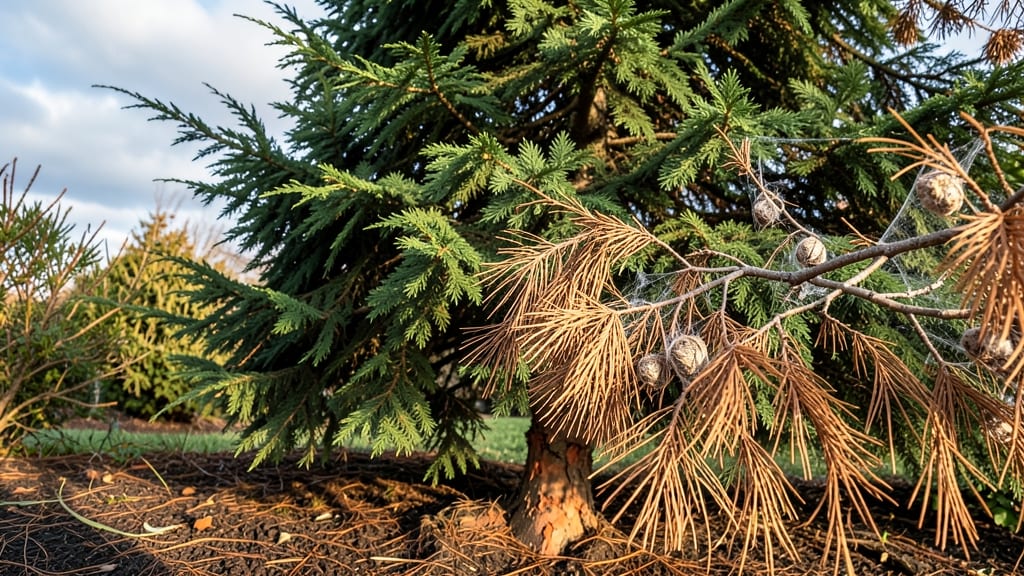
If your Leyland cypress tree is showing signs of problems—dropping needles or looking patchy—don’t panic. 🌲 I’ve helped revive many of these hardy evergreens, and here’s how you can too. the secret isn’t guessing what’s wrong—it’s matching the symptoms to the real culprits: fungal diseases, bagworms, or environmental stress.
The good news? Most problems have straightforward fixes once you know what you’re dealing with.
The first step is identifying the issue: Are the needles turning brown and brittle, or are you spotting tiny silk bags clinging to the branches? Fungal diseases like seiridium canker often appear as sunken, oozing cankers, while bagworms create those unsightly webs and skeletonized foliage.
Environmental stress—like overwatering or poor drainage—can mimic disease symptoms, so don’t jump to conclusions. Grab a magnifying glass and inspect closely; the clues are usually right there in the details.
Once you’ve pinpointed the problem, the solutions are surprisingly simple. Pruning out infected branches (and sterilizing your tools between cuts) stops fungal spread, while a targeted spray of horticultural oil or neem oil can knock out bagworms before they multiply.
For environmental stress, adjusting your watering schedule or improving soil drainage can make all the difference. The key is acting before the problem spirals—most Leyland cypress trees bounce back quickly when given the right care.
Prevention is where the real savings come in. Regular inspections, proper spacing for airflow, and avoiding overhead watering can cut down on future headaches. And if your tree is already struggling, don’t panic—many of these fixes take effect within weeks.
Let’s get your Leyland cypress looking lush and healthy again, so it keeps doing its job as the star of your outdoor space.
📚 In This Guide
- What you need
- Instructions
- Tips and common mistakes
- Wrapping up and next steps
What you need
- ● Pruning shears – Bypass pruners (sharp, 6-8" blades) for clean cuts (1 pair).
- ● Loppers – For thicker branches (10-14" reach) (1 pair).
- ● Pruning saw – Curved-tooth blade for large limbs (1).
- ● Gloves – Heavy-duty, chemical-resistant (e.g., nitrile) (1 pair).
- ● Ladder – Sturdy, extendable (16-20 ft for tall trees) (1).
- ● Disinfectant – 70% isopropyl alcohol or bleach solution (1:9 ratio) (small spray bottle).
- ● Plastic bags – For collecting diseased branches (5-10 gallon size) (2-3).
- ● Fungicide – Copper-based or systemic (e.g., Bonide Copper Fungicide) (1 quart).
- ○ Insecticide (optional) – For pests like spider mites (Ortho BugClear) (1 spray bottle).
- ○ Tree wound dressing – Pruning sealant (optional, for large cuts) (1 tube).
- ● Weather check – Prune on a dry, calm day (avoid wind/rain).
- ● Safety glasses – Protects eyes from debris (1 pair).
- ● Work boots – Steel-toe or sturdy shoes (1 pair).
- ● First-aid kit – For minor cuts or stings (1).
- ● Trash bags – For disposing of infected plant material (2-3).
How to diagnose and fix Leyland cypress tree issues
Here's my go-to approach for spotting and solving the most stubborn Leyland cypress problems.
🌿 Step 1: Identify Browning Needles and Their Causes
Start by examining the needles closely. Browning on the tips of older needles often signals drought stress—Leylands need 1-1.5 inches of water weekly, especially in hot, dry summers. Check the soil 6 inches deep with your finger; if it's bone-dry, you're underwatering.
But if the browning appears patchy and spreads inward, it could be bagworms or spider mites. Run your hand over branches—you'll feel silky webbing or tiny yellow specks (mites) on the undersides of needles. These pests thrive in dry conditions, so consistent watering helps prevent them.
Here's the thing—Leylands naturally shed older needles, so don't panic if you see scattered brown needles in spring. The real red flag is large sections of needles turning brown simultaneously or needles falling prematurely before new growth appears.
💧 Step 2: Check for Water-Related Stress Symptoms
Yellowing needles that start at the bottom of the tree and work upward almost always mean overwatering or poor drainage. Leylands hate soggy roots—if your soil stays muddy for more than 24 hours after watering, you're overdoing it. Dig down 8 inches and check: if it smells like wet socks, that's your problem.
For root rot, you'll also see mushy, dark brown stems at the base. This is a silent killer—once roots rot, the tree can't recover. The fix? Improve drainage immediately by amending soil with 3 inches of coarse sand or gravel around the root zone, and water only when the top 3 inches of soil feel dry.
If your Leyland's needles look pale green or washed out, it might be nutrient deficiency. Leylands are heavy feeders—apply a balanced 10-10-10 fertilizer in early spring and again in mid-summer, following the package rate. But here's the catch: never fertilize if the soil is wet—this burns roots.
☀️ Step 3: Assess Sun Exposure and Growth Problems
Leylands need full sun (6+ hours daily) to thrive. If your tree looks stunted with long, sparse branches, it's likely light-starved. Move it to a sunnier spot if possible, or prune nearby trees/shrubs blocking light. Without enough sun, Leylands grow weak wood that snaps easily in storms.
Watch for new growth that's smaller than usual or needles that stay short and stiff. This is a classic sign of underwatering during active growth (spring to early fall). Leylands need deep, infrequent watering—every 5-7 days in summer—to encourage strong root development. Use a soaker hose for even moisture penetration.
If you notice one side of the tree growing faster than the other, it's leaning toward the light. This happens when sunlight hits unevenly. Rotate the tree slightly every few weeks (yes, it's awkward, but it works) to encourage balanced growth. For established trees, prune the denser side to open up the canopy.
✂️ Step 4: Spot and Treat Pest Infestations Early
Bagworms are the #1 enemy of Leylands. Look for small, brownish bags (like tiny cones) hanging from branches. These pests defoliate trees in weeks if left unchecked. The best time to treat is late summer when bags are 1 inch long—use Bt (Bacillus thuringiensis) spray, which is safe for pets and kids.
Spider mites cause fine webbing and speckled needles. Blast them off with a strong stream of water first, then apply neem oil if they return. I like to treat at dawn when mites are least active. Avoid insecticides—they can kill beneficial predators like ladybugs that eat mites.
For aphids (tiny green/black bugs clustered on new growth), prune and destroy infected branches immediately. Aphids spread sooty mold (black fungus) that weakens the tree. Spray with soapy water (1 tsp mild dish soap per quart of water) for a quick fix. Repeat every 3-4 days until they're gone.
🪴 Step 5: Prune for Health and Structure
Leylands need annual pruning to maintain shape and airflow. Prune in late winter or early spring before new growth starts. Use clean, sharp shears to make 45-degree cuts just above a healthy bud. Never leave stubs—this invites disease.
Focus on removing dead, diseased, or crossing branches first. Then thin out the interior to let light penetrate. Leylands can get top-heavy—if your tree is taller than it is wide, prune 1/3 of the top growth to encourage bushier sides. But don't overdo it: never remove more than 25% of the foliage in one season.
Here's a pro tip: Prune in stages if your Leyland is large. Heavy pruning all at once stresses the tree. Instead, remove 10% of the canopy over 3-4 years. This keeps the tree healthy while reshaping it gradually. Always sterilize your tools between cuts with rubbing alcohol to prevent spreading disease.
Tips & tricks for diagnosing Leyland cypress tree problems
Real talk: Leyland cypress trees are tough, but even the hardiest ones need a little extra attention to stay healthy. Here's what nobody tells you about keeping yours thriving.
Watering Wisdom: The 1-1.5 inches of water weekly recommendation is non-negotiable during summer droughts, but timing matters just as much. Water in the early morning (before 10 AM) to prevent fungal growth from evening moisture. I've seen Leylands suffer from root rot when owners watered at night—this gives the soil too much time to stay saturated. Use a rain gauge or tuna can to measure your water accurately; eyeballing it leads to either underwatering or overwatering.
Pest Prevention Strategy: In Step 4, when you're checking for bagworms or spider mites, don't just look at the obvious branches. These pests love to hide in the densest inner foliage where sunlight doesn't penetrate. Shake branches over a white sheet to spot hidden webbing or eggs—this is how I caught an early spider mite infestation before it became unmanageable. For prevention, consider installing yellow sticky traps in spring to catch adult mites before they lay eggs.
Fertilizer Timing: The instructions mention applying 10-10-10 fertilizer in early spring and mid-summer, but here's the catch: never apply fertilizer after late August. New growth stimulated by late-season feeding won't harden off before winter, making your Leyland vulnerable to cold damage. I learned this the hard way after seeing several trees develop winter burn from late-season fertilizer applications. Always check the weather forecast before fertilizing—if frost is predicted within 2 weeks, skip it entirely.
Pruning Precision: When you're pruning in late winter or early spring (Step 5), focus on making cuts just above a healthy bud at a 45-degree angle. This angle prevents water from pooling on the cut surface, which can lead to rot. I've seen many gardeners make horizontal cuts that leave stubs—these wounds take much longer to heal and become entry points for disease. For large branches, consider using a three-cut method to avoid tearing the bark: make the first cut about 12 inches from the trunk, then cut down to the trunk from below, and finally remove the remaining stub.
Pro Tips for Leyland Cypress Tree Problems
- Real talk: Leyland cypress trees are tough, but even the hardiest ones need a little extra attention to stay healthy.
- Watering Wisdom: The 1-1.5 inches of water weekly recommendation is non-negotiable during summer droughts, but timing matters just as much.
- Pest Prevention Strategy: In Step 4, when you're checking for bagworms or spider mites, don't just look at the obvious branches.
Frequently asked questions
Got questions about keeping your Leyland cypress healthy? Here are some of the most common concerns—and practical solutions—to help you troubleshoot like a pro.
Why is my Leyland cypress turning brown?
Brown needles are usually a sign of drought stress or bagworms. Check the soil—if it’s dry 2–3 inches deep, water deeply (1–2 inches per week). For pests, look for webbing or tiny caterpillars and treat with horticultural oil or Bt (Bacillus thuringiensis).
When is the best time to prune a Leyland cypress?
Prune late winter or early spring (February–March) to avoid stressing the tree during extreme heat or cold. Avoid heavy pruning in fall—it can encourage new growth that won’t harden off before winter. Pro tip: Never remove more than 25% of the foliage in one year!
How do I fix a Leyland cypress with yellowing needles?
Yellowing can mean overwatering, nutrient deficiency, or root rot. First, check drainage—Leylands hate soggy roots! Amend soil with compost if needed. For deficiencies, fertilize with a balanced 10-10-10 in early spring. If roots smell rotten, prune affected areas and improve soil aeration.
Are there disease-resistant Leyland cypress alternatives?
Yes! If your Leyland struggles with seiridium canker or aphids, consider:
- ‘Leighton Green’ (more resistant to canker)
- ‘Hicks Yew’ (evergreen, pest-resistant)
- ‘Emerald Green’ Arborvitae (hardy, low-maintenance)
How do I prevent Leyland cypress from growing too tall?
To control height, top the tree annually in late winter using clean, sharp tools. Cut just above a bud or branch collar to encourage bushier growth. For dramatic height reduction, prune in stages over 2–3 years. Warning: Avoid “lion’s tailing” (shearing)—it weakens the tree and invites pests!
Wrapping up and next steps
Leyland cypress trees are stunning additions to any landscape, but like all plants, they can face challenges—from fungal diseases to pest invasions. The key to keeping them thriving lies in early detection, proper care, and proactive maintenance.
Whether it’s pruning for airflow, treating blight with copper sprays, or managing bagworms, taking action at the first sign of trouble will save your tree—and your sanity!
Ready to give your Leyland cypress the love it deserves? Start with a quick inspection this weekend—check for signs of stress, pests, or disease.
If you spot anything concerning, grab your tools and tackle it head-on! 🌿✨ (And if all else fails, don’t hesitate to call a local arborist—they’re your secret weapon.)