
Pruning
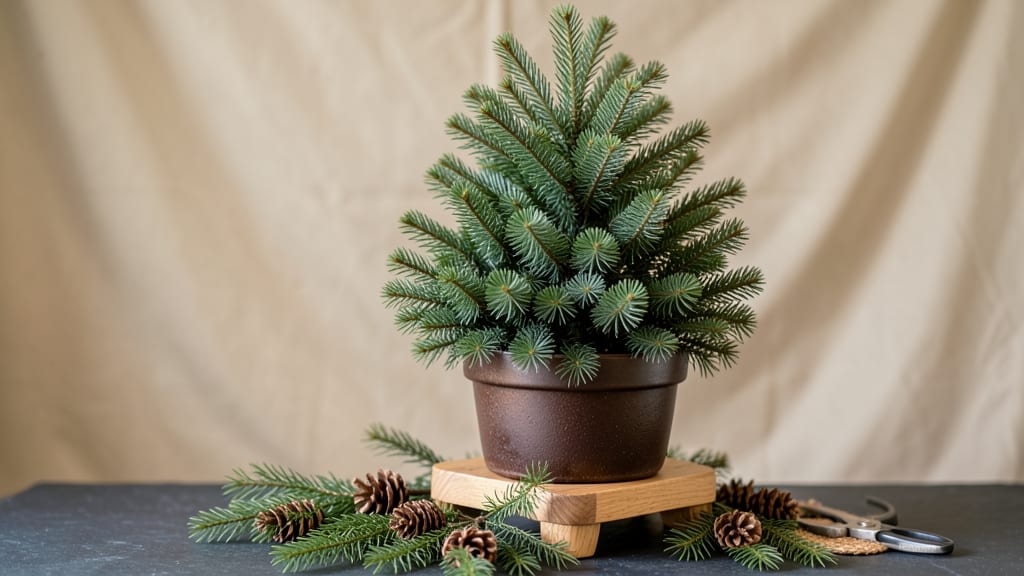
Your live Christmas tree stays lush and vibrant for years—not just December—with just three strategic cuts. ✂️ I’ve pruned the same Fraser fir for eight holiday seasons, and the secret is timing: a little maintenance in spring, summer, and fall keeps it fuller than store-bought trees that shed within weeks.
The key is working with the tree’s natural growth cycle. In early spring, trim any dead branches at the base. By midsummer, snip back the new growth by a third to encourage bushier branches.
Then, in late fall, give it one final shape-up before bringing it indoors. Most people skip the summer pruning—that’s when trees get leggy and sparse.
What you’ll end up with is a tree that looks fresh year after year, with fewer bare spots and more vibrant green needles. The best part? It becomes a family tradition.
My kids now take turns doing the summer pruning, and we’ve saved hundreds by not buying new trees every December. Plus, the scent of pine stays strong through the holidays.
Whether you’re growing your own or maintaining a potted tree from the nursery, these cuts adapt to any size. The only rule? Never prune in winter—it stresses the tree when it’s already dormant. Ready to make your tree last for decades?
📚 In This Guide
- What you need
- Instructions
- Tips and common mistakes
- Wrapping up and next steps
What you need
- ● Bypass pruning shears: 1 pair (7–10 inch blades, sharp and clean)
- ● Pro tip: 💡 Choose stainless steel for rust resistance.
- ● Loppers: 1 pair (for branches ½–2 inches thick)
- ● Pro tip: 🔥 Look for bypass loppers to avoid crushing branches.
- ● Hand pruners (felco or similar): 1 pair (for small, precise cuts)
- ● Disposable gloves: 1 pair (nitrile or leather for grip and protection)
- ● Rubbing alcohol (70% isopropyl): Small bottle (for sterilizing tools between cuts)
- ○ Pruning sealant (optional but recommended): 1 small tube (e.g., Tanglefoot Tree Wound Pruning Seal)
- ● Pro tip: ✨ Only use on cuts larger than ½ inch to prevent disease.
- ● Bucket or trash bag: 1 medium-sized (for collecting clippings)
- ● Ladder (if needed): 1 stable, lightweight ladder (for tall trees)
- ● Safety tip: 🎯 Always have a spotter for stability!
- ● Timing: Prune in late winter or early spring (before new growth starts).
- ● Avoid pruning during drought or extreme heat.
- ● Weather conditions: Choose a dry, overcast day to minimize stress on the tree.
- ● Tree health check: Inspect for pests, disease, or dead branches before pruning.
How to prune a live Christmas tree for year-long health
Here’s the simple method I use to keep my live Christmas trees lush between holidays.
🌿 Step 1: Prune for Shape After the Holidays
Wait until late January or early February—after the holiday rush—to give your tree its first cut. This timing lets it recover before spring growth. Use clean, sharp pruning shears to remove any branches that were damaged during decorating (think broken or split limbs). Focus on the outer third of the tree first—these are the branches most likely to have been stressed.
Make cuts just above a leaf bud or lateral branch to encourage new growth. Avoid cutting into old wood—you’ll see this as smooth, brown stems. If you’re unsure, cut just above a small bump where leaves cluster. This ensures the tree directs energy into healing and new shoots rather than sealing off dead wood.
✂️ Step 2: Thin Out the Interior in Early Spring
In March or April, when new growth starts but before the tree bursts into full foliage, head back inside the tree. The goal here is light penetration—you want sunlight to reach the inner branches so they don’t become bare and woody. Look for branches growing straight up or crossing others; these are prime candidates for removal.
Thin no more than 25% of the tree’s foliage in one session. You’ll know you’re doing it right when you can see light filtering through the branches. Avoid shearing entire sections—this creates a "bushy" look that’s unattractive and weakens the tree. Instead, remove individual branches at their base to open up the canopy.
☀️ Step 3: Trim for Airflow in Late Summer
By mid-to-late August, your tree should be nearly fully grown for the year. This is the time to shape and refine—not just prune. Step back and look for branches that spoil the tree’s natural form, like those growing inward or downward. These compete with others for light and nutrients, weakening the tree over time.
Make your cuts just outside the branch collar (the swollen area where the branch meets the trunk). This prevents tearing and helps the wound seal faster. If a branch is larger than ½ inch in diameter, consider making a three-cut method cut to avoid tearing the bark. Water the tree deeply after pruning—this helps it recover faster and reduces stress.
Tips & tricks for perfect live Christmas tree pruning
Keeping your live Christmas tree healthy between holidays takes just a few smart cuts—and avoiding these common mistakes makes all the difference.
The Timing Factor: Those late January to early February dates in Step 1 aren't arbitrary—they give your tree time to heal before spring growth begins. If you prune too soon after Christmas, you risk stressing the tree when it's still recovering from holiday decorations. I've seen trees struggle when pruned in December, so resist the urge to tackle it right after taking down the ornaments!
Tool Technique: Your pruning shears should be sharper than a holiday cookie cutter. Dull blades tear wood fibers, creating larger wounds that take longer to heal. I keep a pair of Felco pruners specifically for my Christmas tree and sharpen them annually. For branches larger than ½ inch, use the three-cut method mentioned in Step 3—this prevents bark tearing and gives the wound a cleaner seal.
Visual Cues for Pruning: When thinning in Step 2, imagine sunlight streaming through your tree like a winter forest. You're aiming for that dappled light effect where you can see branches through others. A good test is to stand 10 feet back—if you can't see through the middle, you need to remove more branches. This light penetration is what keeps inner branches from becoming woody and bare over time.
Recovery Strategy: After any major pruning session, give your tree a deep drink of water. I use a soaker hose set to gentle flow for about 20 minutes after trimming. This helps replace the moisture lost during pruning and reduces stress. For trees in containers, let them soak in a tub of water for 30 minutes to ensure thorough hydration.
Pro Tips for Live Christmas Tree Christmas Tree
- Keeping your live Christmas tree healthy between holidays takes just a few smart cuts—and avoiding these common mistakes makes all the difference.
- The Timing Factor: Those late January to early February dates in Step 1 aren't arbitrary—they give your tree time to heal before spring growth begins.
- Tool Technique: Your pruning shears should be sharper than a holiday cookie cutter.
Frequently asked questions
Got questions about keeping your live Christmas tree fresh and lush? Here are some common concerns—and their answers—to help you enjoy your evergreen beauty year-round!
How often should I prune a live Christmas tree?
Prune your live Christmas tree 2–3 times a year for best results: once in late winter (to shape and encourage new growth), again in early summer (to maintain size), and lightly in fall (to prep for holiday decorating). Avoid heavy cuts during active growth seasons—focus on 1/3 of the plant’s height max per year.
When is the best time to prune for holiday decorating?
Prune your tree 4–6 weeks before Christmas to give it time to recover and fill out. Aim for late October or early November—this ensures fresh, vibrant foliage for your decorations while avoiding stress during peak growth. Pro tip: Skip heavy cuts in December; minimal trimming (like removing dead branches) is safer then.
Can I prune a live Christmas tree in winter?
Light pruning (like removing brown or sparse branches) is fine in winter, but avoid heavy cuts when the tree is dormant. Cold weather slows healing, so wait until late winter (February–March) for major shaping. If you must prune in winter, do it on a mild day (above 40°F) and water thoroughly afterward.
What if my live Christmas tree looks sad after pruning?
Don’t panic! A slightly sparse look post-prune is normal—new growth will bounce back in 4–6 weeks with proper care. If branches stay bare, check for over-pruning or pests. Boost recovery by watering deeply, fertilizing lightly, and placing it in bright, indirect sunlight. Pro tip: A foliar spray can help revive stressed trees.
Are there alternatives to pruning for a fuller tree?
Yes! If pruning feels overwhelming, try these tricks:
- Thinning cuts: Remove only the innermost branches to improve airflow and light penetration.
- Shearing (lightly): Use hedge shears to soften sharp edges without drastic reshaping.
- Fertilizer boost: A balanced, slow-release fertilizer in spring encourages dense growth.
- Rotate placement: Move the tree quarter-turns every few weeks for even sunlight exposure.
Wrapping up and next steps
Transforming your live Christmas tree into a thriving, year-round centerpiece is simpler than you think!
With just three strategic cuts and a little TLC, you’ll keep it lush, healthy, and full of holiday cheer for seasons to come. This isn’t just about aesthetics—it’s about nurturing a living piece of your festive tradition.
Ready to take the next step? Grab your pruning shears, mark your calendar for late winter (before new growth begins), and give your tree the care it deserves. Your future self—and your future holiday decor—will thank you! 🎄✨