
Pruning
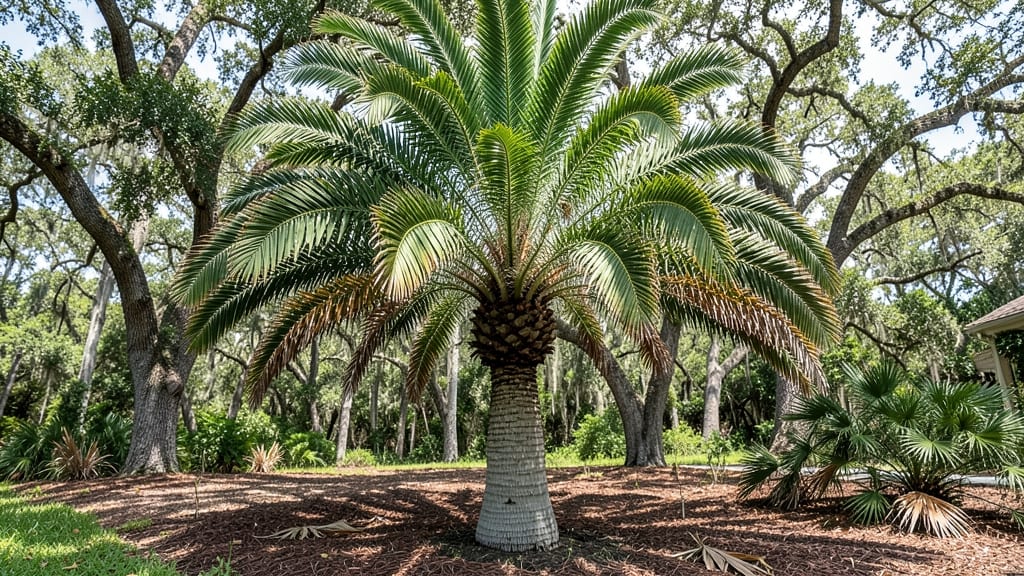
A majestic palm tree instantly transforms any outdoor space into a tropical escape—no matter where you live. 🌴 I remember the first time I saw one framing a patio in Florida; the way it swayed against the sky made everything feel more relaxed, more luxurious.
The best part? They thrive with minimal fuss, especially when you choose the right variety for your climate and give them the space they deserve.
Start by picking a spot that gets plenty of sunlight—palms love at least 6 hours daily—and consider their mature size. A Canary Island date palm can grow 50 feet tall, while a Mexican fan palm stays more compact.
Pair it with drought-tolerant plants like yucca, agave, or bougainvillea to keep the vibe cohesive and low-maintenance. The key is letting the palm be the star while surrounding it with plants that won’t compete for water or space.
With the right placement, your palm becomes the centerpiece of your outdoor living area, offering shade, privacy, and that unmistakable tropical charm. The fronds add texture, the trunk brings height, and the overall effect is effortless elegance.
Plus, minimal pruning keeps them looking their best—just remove dead fronds and you’re done. Imagine sipping coffee under its canopy, surrounded by the scent of citrus and the sound of rustling leaves.
Whether you’re in a warm climate or a cooler zone (with winter protection), a palm tree elevates your outdoor design without demanding constant attention. The secret is treating it like a statement piece—not just another plant. Ready to make your space feel like a resort? Let’s get started.
📚 In This Guide
- What you need
- Instructions
- Tips and common mistakes
- Wrapping up and next steps
What you need
- ● Palm Tree Varieties: Choose dwarf palm (e.g., Pygmy Date Palm or Pindo Palm) for easier maintenance or medium-height palms (e.g., Canary Island Date Palm) for bold elegance. Quantity: 1–3 trees, depending on space.
- ● Well-Draining Soil: Mix 50% native soil with 50% organic compost or cactus/succulent mix to prevent root rot. Quantity: 1–2 cubic yards per tree.
- ● Mulch: Use 3–4 inches of bark mulch (cypress or pine) to retain moisture and regulate temperature.
- ● Slow-Release Fertilizer: 10-10-10 or palm-specific fertilizer (e.g., Miracle-Gro Shake ‘n Feed Palm Food). Apply: 2–3 times per year.
- ● Hand Pruners: Bypass pruners (for clean cuts) or felco pruners (for tough fronds). Quantity: 1 pair.
- ● Loppers: 18–24" loppers for thicker fronds. Quantity: 1 pair.
- ● Safety Gear: Work gloves, safety goggles, and long sleeves/pants (palm fronds can be sharp!).
- ○ Wheelbarrow or Tarp: For hauling debris. Optional: Leaf blower (💡 saves time on cleanup!).
- ● Measuring Tape & Stakes: For marking planting spots and spacing (aim for 10–15 feet between trees).
- ● Sunlight: Ensure 6+ hours of direct sun daily (palms thrive in full sun!).
- ● Drainage: Avoid low-lying areas—palms hate soggy roots. Elevate beds if needed.
- ● Climate Check: Verify your USDA Hardiness Zone (most palms prefer Zones 8–11).
- ● Local Regulations: Check HOA or city codes—some areas restrict palm species.
How to create a stunning palm tree outdoor oasis with low-maintenance care
Here’s how to design a palm tree centerpiece that thrives year-round with just a few simple steps.
🪴 Step 1: Choose the Right Palm Species for Your Climate
Start by selecting a palm that matches your USDA hardiness zone—this is the single most important decision for long-term success. For zones 8-11, the Mexican Fan Palm or California Fan Palm are excellent choices because they tolerate heat and occasional drought once established. If you’re in zones 7 or cooler, opt for the Windmill Palm or Needle Palm, which handle cooler winters better.
I always check the palm’s mature height and spread before planting—you don’t want a 30-foot tree in a 10-foot space. Measure your outdoor area and stick to dwarf varieties like the Pygmy Date Palm if space is limited. The key is to avoid overcrowding, which stresses roots and invites pests.
☀️ Step 2: Plant in the Perfect Spot for Sun and Soil
Palms need full sun (6+ hours daily) for optimal growth, but they also appreciate light shade in extreme afternoon heat—especially in desert climates. I like to plant mine where they get morning sun and afternoon dappled shade from nearby trees. This prevents leaf scorch while still encouraging strong frond development.
Dig a hole twice as wide as the root ball but no deeper—palms hate being buried too deep, which can rot the trunk. Amend the native soil with 2-3 inches of compost mixed into the bottom of the hole. This improves drainage while providing essential nutrients. Avoid heavy clay soil unless you’re willing to amend it heavily.
💧 Step 3: Water Deeply and Establish a Consistent Routine
The first year is critical for root establishment. Water deeply once a week (about 10-15 gallons per tree) until the soil is 6-8 inches deep and moist. You’ll know you’ve watered enough when excess water drains out the bottom of the hole. Overwatering is the fastest way to kill a palm—yellowing fronds are a red flag.
After the first year, most palms only need watering every 2-3 weeks during dry spells. I test soil moisture by sticking my finger 2 inches deep—if it feels dry, it’s time to water. Mulch around the base with 2-3 inches of organic mulch (like bark chips) to retain moisture and regulate soil temperature.
✂️ Step 4: Prune Strategically for Health and Aesthetics
Palms don’t need heavy pruning, but removing dead or yellow fronds keeps the tree looking tidy and prevents pests. Use clean, sharp pruners to cut fronds at the base where they meet the trunk. Never leave stubs—always prune all the way back to the trunk to avoid rot.
Here’s the thing—never prune more than 1/3 of the fronds at once. This can stress the tree and leave it vulnerable to disease. I like to prune in early spring before new growth begins. And if you see brown, crispy fronds, don’t panic—it’s often just natural aging, not a sign of trouble.
🌿 Step 5: Protect and Maintain Year-Round
In winter, most palms (except cold-hardy varieties) need light frost protection. Wrap the trunk with burlap or frost cloth if temperatures dip below 25°F. I also avoid fertilizing in winter—palms go dormant and don’t need extra nutrients until spring.
Feed your palm once in early spring with a balanced, slow-release fertilizer (like 8-8-8 or 10-10-10). Spread the granules 6 inches away from the trunk and water them in well. This encourages strong new frond growth without overwhelming the tree. And remember—less is more with palms. Over-fertilizing burns roots and causes frond tips to brown.
Tips & tricks for perfect palm tree outdoor design
Creating a stunning palm tree centerpiece doesn't have to be complicated—these simple tricks will help you avoid common mistakes and keep your tropical oasis thriving.
Species Selection: When choosing your palm in Step 1, visit a local nursery to see how different varieties grow in your climate. The Mexican Fan Palm, for example, thrives in zones 8-11 but can get leggy in cooler areas. I always look for palms with a compact growth habit—they're easier to maintain and fit better in smaller spaces. The Pygmy Date Palm is my go-to for tight spots because it stays under 10 feet tall while still making a statement.
Planting Depth: In Step 2, don't be afraid to get your hands dirty checking the planting depth. The root flare (where roots meet the trunk) should be just above ground level. I've seen too many palms planted too deep, which leads to trunk rot. If your hole is too deep, simply add more soil around the sides rather than burying the root ball deeper. This small detail makes all the difference in long-term health.
Watering Wisdom: The deep watering routine in Step 3 is crucial, but timing matters too. I always water in the early morning so excess moisture evaporates during the day rather than sitting on the leaves overnight. This helps prevent fungal diseases. For the first year, I set a reminder on my phone for that weekly deep watering—consistency is key when roots are establishing. And if you're using a hose, let it run slowly to avoid compacting the soil around the roots.
Pruning Protection: When pruning in Step 4, I recommend wearing gloves and long sleeves—palm fronds can be surprisingly sharp! After pruning, I like to sterilize my pruners with rubbing alcohol to prevent spreading any potential diseases between cuts. The 1/3 rule is non-negotiable, but I often find it helpful to mark which fronds I'm removing with a piece of tape before I start cutting. This keeps me from over-pruning by accident.
Pro Tips for Majestic Palm Tree Outdoor
- Creating a stunning palm tree centerpiece doesn't have to be complicated—these simple tricks will help you avoid common mistakes and keep your tropical oasis thriving.
- Species Selection: When choosing your palm in Step 1, visit a local nursery to see how different varieties grow in your climate.
- Planting Depth: In Step 2, don't be afraid to get your hands dirty checking the planting depth.
Frequently asked questions
about creating a stunning outdoor palm tree oasis with minimal pruning effort.How often do palm trees need pruning to stay majestic with minimal effort?
Most palm trees only need light pruning every 1–2 years to remove dead fronds or seed clusters. Focus on hygienic pruning (removing brown, hanging fronds) rather than cosmetic cuts. Over-pruning weakens the tree—never trim more than 1/3 of the fronds at once. Pro tip: Prune after a storm or in late winter to avoid stressing the tree.
Can palm trees survive cold winters in outdoor settings?
It depends on the species! Cold-hardy palms like Windmill Palms (Trachycarpus fortunei) or Needle Palms (Rhapidophyllum) thrive in USDA Zones 6–9. For tropical palms (e.g., Canary Island Date Palm), use burlap wraps, mulch, or frost cloth in Zones 9–11. Avoid pruning in winter—wait until spring when new growth signals safety. Troubleshoot: Yellowing fronds may mean frost damage; trim only dead tissue.
What tools do I need for safe palm tree pruning?
Essential tools include:
- Pruning shears or loppers (for small fronds)
- Pole pruners (for high branches—never use a ladder!)
- Sharp bypass pruners (to avoid tearing fibers)
- Heavy-duty gloves (palm fronds have razor-sharp edges!)
- Disinfectant (rubbing alcohol to sterilize tools between cuts)
Are there low-maintenance palm tree alternatives for small yards?
If space is limited, consider:
- Dwarf Palmetto (Sabal minor) – Grows 6–10 ft tall, thrives in shade.
- Pygmy Date Palm (Phoenix roebelenii) – Compact (6–10 ft), indoor/outdoor versatile.
- Sago Palm (Cycas revoluta) – Not a true palm but drought-tolerant and slow-growing.
When is the best time to plant a palm tree for long-term health?
Plant in early spring or late fall when temperatures are mild (60–80°F). Avoid summer heatwaves or winter frosts, which stress young roots. Dig a hole twice as wide as the root ball and amend soil with sand or compost for drainage. Water deeply once a week for the first year, then taper to drought tolerance. Pro tip: Mulch with 2–3 inches of organic mulch to retain moisture.
Wrapping up and next steps
Transforming your outdoor space with a majestic palm tree isn’t just about aesthetics—it’s about creating a serene, low-maintenance oasis that thrives year-round. With the right tools, techniques, and a little patience, you can enjoy lush foliage and minimal pruning hassle.
Now that you’re equipped with the knowledge, why wait? Grab your gloves, step outside, and let your green sanctuary flourish!
🌿 Next step: Start small—prune a single frond or trim back overgrowth—and watch your palm tree’s elegance unfold effortlessly. Happy gardening! 🌴