
Pruning
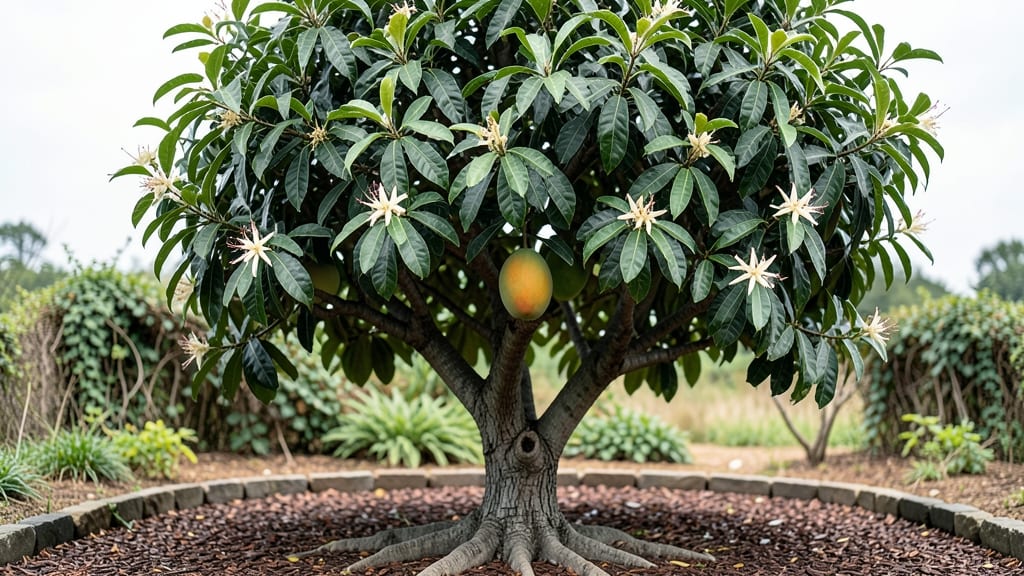
Pruning your mango tree in India isn’t just about shaping branches—it’s the secret to unlocking that legendary Alphonso mango harvest every summer. I’ve watched my neighbor’s tree go from scraggly to producing 50+ fruits in a single season just by following the right cuts at the right time.
The key lies in understanding how India’s monsoon and dry seasons affect growth, and when to encourage new shoots while supporting heavy fruit loads.
You’ll need basic tools—a sharp pruning saw for thick branches, hand pruners for finer cuts, and disinfectant to prevent disease spread. Traditional Indian gardeners swear by pruning after the monsoon rains (July-August) to let the tree recover before winter, but timing varies by region.
The goal is to remove overlapping branches, dead wood, and suckers while leaving enough foliage to feed the fruit. Think of it like sculpting—every cut should serve a purpose, whether it’s improving airflow or redirecting energy to the fruit.
What you’ll end up with is a stronger, more productive tree that bears fruit year after year without snapping under the weight. The branches will be evenly spaced, sunlight will reach every mango, and pests will have fewer hiding spots.
Plus, your tree will look like a proud, sun-drenched sentinel in the orchard, exactly the way it should after a proper pruning session. Ready to transform your mango tree into a fruit-bearing powerhouse?
This method works for both dwarf and full-sized varieties, whether you’re growing in a backyard, farm, or even a large pot. Just adjust the intensity based on your tree’s age—young trees need lighter pruning, while mature ones can handle more aggressive shaping.
The principles stay the same, no matter where you’re growing in India.
📚 In This Guide
- What you need
- Instructions
- Tips and common mistakes
- Wrapping up and next steps
What you need
- ● Pruning shears – Sharp, bypass type (16-20 cm blades) for clean cuts.
- ● Loppers – Heavy-duty (20-25 cm blades) for thicker branches.
- ● Hand pruners – Small, precise (10-12 cm blades) for fine trimming.
- ○ Pruning saw – Curved-tooth (25-30 cm) for large branches (optional but helpful).
- ● Disinfectant (70% alcohol or copper-based spray) – 1 bottle (500 ml) to sterilize tools.
- ● Pruning sealant (wound dressing) – 1 tube (100-200 g) for sealing cuts on mature trees.
- ● Work gloves – Heavy-duty, cut-resistant (1 pair) for safety.
- ● Safety goggles – 1 pair to protect against debris.
- ● Ladder or step stool – Sturdy, 4-6 ft tall (adjust based on tree height).
- ● Heavy-duty trash bags – 2-3 bags (50-100 L) for pruning waste.
- ● Sharpener file – To maintain tool edges between uses.
- ● Tree banding tape – For marking branches to prune later.
- ● Organic mulch (compost or straw) – 5-10 kg to replenish soil post-pruning.
- ● Fertilizer (NPK 10-10-10 or organic) – 1-2 kg to boost recovery.
- ● Hose with nozzle – For cleaning tools and rinsing sap off cuts.
Seasonal pruning guide for Indian mango trees
Mastering the art of pruning ensures your mango tree thrives under India’s climate—here’s how to balance growth and fruit production.
Assess Tree Health and Identify Pruning Zones
Begin by examining your tree for dead, diseased, or crossing branches—these are your first targets. Look for branches with no leaves, brown bark, or signs of fungal infection like black spots or oozing sap. Healthy branches should have vibrant green leaves and firm, smooth bark. Use a sharp pruning saw or loppers to make clean cuts just above a outward-facing bud or lateral branch.
Focus on the tree’s structure: remove any branches growing inward or rubbing against others, as these compete for resources and create entry points for pests. In Indian summers, prioritize branches that block airflow—they’ll dry out faster and invite fungal infections. Here’s the thing: prune only when the tree is dormant (late winter to early spring) or just after harvest, never during monsoon season when wounds won’t heal properly.
Thin Out Overcrowded Branches for Airflow
Indian mango varieties like Alphonso and Dasheri produce dense canopies, so thinning is critical. Aim to maintain an open vase shape with a central leader—remove up to 30% of the tree’s branches in one session. Start with the smallest, weakest branches first, working your way up to thicker limbs. Cut back to a strong lateral branch or bud, ensuring the remaining branch can support future fruit loads.
Watch for water sprouts—fast-growing, vertical shoots that drain energy. These should be pruned back to a lateral bud immediately. If you’re unsure which branches to keep, look for those with the most recent growth and healthy leaf clusters. Real talk: over-pruning reduces fruit yield, but under-pruning leads to smaller, lower-quality mangoes. Balance is key, especially in India’s humid climate where recovery matters.
Shape for Optimal Sunlight and Fruit Distribution
Mango trees need full sun exposure for fruit development, so prune to open the canopy’s center. Remove any branches growing straight upward (called “dominant leaders”) unless they’re the main trunk—these create weak, top-heavy structures. Instead, encourage lateral branches by cutting just above an outward-facing bud. In India’s heat, this ensures even sunlight distribution and prevents sunburn on fruit.
For fruit-bearing branches, prune lightly—remove only dead wood or branches that bear poor-quality fruit. Leave clusters of 3-5 healthy flowers per branch to maximize yield. If your tree is young (under 5 years), focus on structural pruning; mature trees can handle heavier thinning. Here’s the moment that matters: step back after pruning—your tree should resemble an open umbrella, not a dense thicket.
Clean and Protect Wounds After Pruning
Dispose of pruned branches immediately to prevent disease spread. Seal larger cuts (over ½-inch in diameter) with a pruning sealant or tree wound paste to protect against fungal infections common in India’s monsoon. For smaller cuts, let them heal naturally—they’ll callus over in 2-4 weeks if the tree is healthy. Avoid over-sealing; it traps moisture and encourages rot.
Apply a balanced fertilizer (like 10-10-10) around the tree’s drip line after pruning to replenish nutrients lost during the process. Water deeply to help the tree recover, but avoid soaking the pruning wounds. In India’s climate, pruned trees are most vulnerable to powdery mildew—monitor for white, powdery patches on leaves and treat with neem oil if needed. You’ve got this: a well-pruned tree will reward you with sweeter, larger mangoes next season.
Tips & tricks for pruning Indian mango trees
Here’s what nobody tells you about pruning—these insights will help you avoid common mistakes and maximize your mango harvest.
Timing is Everything: The instructions specify pruning during dormancy (late winter to early spring) or just after harvest, but timing matters even more in India’s climate. Avoid pruning during monsoon season when wounds won’t heal properly due to constant moisture. I’ve seen trees develop fungal infections after summer pruning because the wounds simply couldn’t close fast enough. If you must prune during the rainy season, use a pruning sealant immediately and monitor for powdery mildew.
Branch Selection Strategy: When thinning branches in Step 2, focus on creating an open vase shape with a central leader. This isn’t just about aesthetics—it’s about fruit quality. I learned this the hard way after pruning too aggressively and watching my Alphonso tree produce smaller, less flavorful fruit. Always leave clusters of 3-5 healthy flowers per branch (as mentioned in Step 3) and prioritize branches with the most recent growth. The key is balance: remove up to 30% of branches, but never more than that in one session.
Wound Care Matters: Step 4 emphasizes sealing larger cuts, but I’ve found that proper wound care starts with the right tools. Use sharp, clean pruning shears to make clean cuts—ragged edges slow healing and invite infections. For cuts over ½-inch in diameter, apply a pruning sealant immediately, but don’t overdo it. I’ve seen gardeners smother wounds in sealant, trapping moisture and creating the perfect environment for rot. A thin layer is all you need, followed by proper aftercare with balanced fertilizer and deep watering.
Post-Pruning Monitoring: After pruning, keep a close eye on your tree for at least two weeks. Look for signs of stress like wilting leaves or unusual leaf drop—these can indicate over-pruning. In India’s humid climate, pruned trees are particularly vulnerable to powdery mildew, so be ready to treat with neem oil at the first sign of white, powdery patches. I’ve seen entire harvests lost to fungal infections after pruning, so don’t skip this step. The difference between a mediocre result and an absolutely stellar one often comes down to this single, seemingly insignificant step.
Pro Tips for Mango Tree India
- Here’s what nobody tells you about pruning—these insights will help you avoid common mistakes and maximize your mango harvest.
- Timing is Everything: The instructions specify pruning during dormancy (late winter to early spring) or just after harvest, but timing matters even more in India’s climate.
- Branch Selection Strategy: When thinning branches in Step 2, focus on creating an open vase shape with a central leader.
Frequently asked questions
When is the best time to prune a mango tree in India?
The ideal time to prune a mango tree in India is during the monsoon season (June–July) or early winter (December–January). Avoid pruning during flowering (February–March) or fruiting seasons, as it can reduce yield. Light pruning can also be done post-harvest (May–June) to remove dead branches.
How do I know if my mango tree is overloaded with fruit?
Watch for these signs: drooping branches, excessive leaf drop, or fruit smaller than usual. If 30%+ of branches sag under weight, prune to balance the load. Focus on removing crossing or inward-growing branches first, then thin out excess fruit clusters (leave 1–2 fruits per cluster).
Can I prune a young mango tree (under 5 years) the same way?
No—young trees need structural shaping, not heavy pruning. For saplings (1–3 years), trim only dead or diseased branches (10–15% of foliage max). At 3–5 years, prune to open the canopy (20–30% thinning) but avoid cutting main scaffold branches. Always sterilize tools with alcohol or bleach to prevent fungal infections.
What should I do if my mango tree bleeds sap after pruning?
Sap bleeding (latex oozing) is normal but can attract pests. Apply pruning sealant (like tree paint) to cuts larger than 2 inches. For small cuts, let it dry naturally. Avoid sealing in humid climates—it traps moisture. If bleeding persists for weeks, check for bacterial infections (dark, foul-smelling sap) and treat with copper-based fungicide.
Are there alternatives to manual pruning for heavy fruit loads?
Yes! Try these low-effort methods:
- Thinning fruit: Hand-pick small or damaged mangoes, leaving 1–2 per bunch.
- Weighted branches: Use bamboo stakes to support sagging limbs temporarily.
- Hormone sprays: Apply NAA (Naphthaleneacetic acid) (0.5–1 ppm) to reduce fruit set (follow label instructions).
- Drip irrigation pauses: Reduce water 2–3 weeks before harvest to slow growth.
Wrapping up and next steps
Growing a thriving mango tree in India with a bountiful harvest starts with smart seasonal pruning! 🌳 By mastering the art of trimming—whether it’s light pruning for young saplings or heavy pruning for mature trees—you’ll boost airflow, shape growth, and prevent disease.
Remember, timing (like post-monsoon or pre-flowering) and tools (sharp shears, disinfectants) make all the difference.
Now that you’re armed with the know-how, roll up your sleeves and get pruning! 🌟 Start with one branch at a time, observe your tree’s response, and adjust as you go.
Happy pruning leads to sweet rewards—literally! For extra tips, bookmark this guide or share it with fellow mango enthusiasts. Your tree (and taste buds) will thank you!