
Pruning
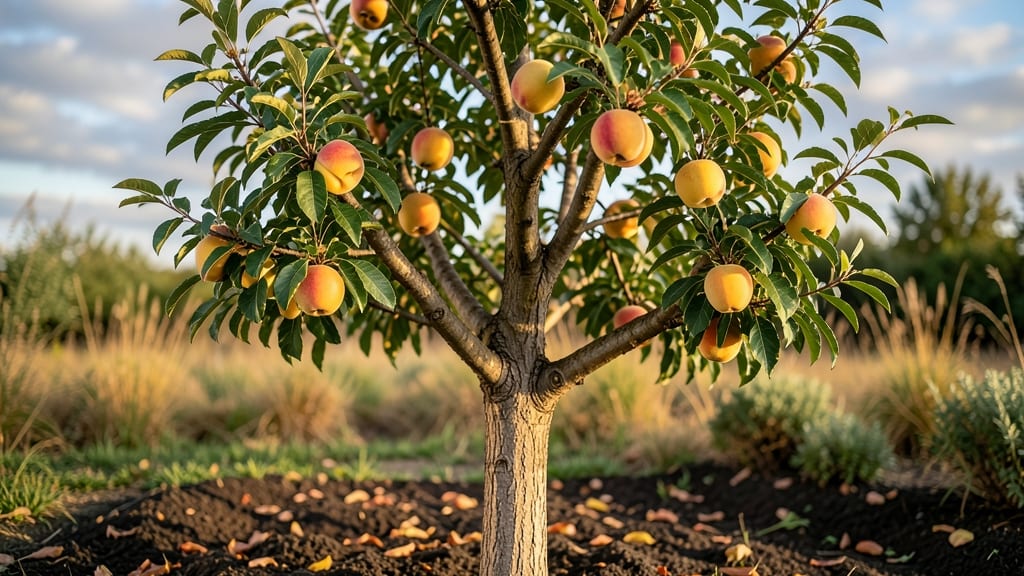
Michigan’s short growing season means your peach tree’s health hinges on three strategic cuts—done right, they’ll keep your tree productive for decades. I’ve pruned my cold-hardy ‘Reliance’ peach for five winters now, and these cuts have saved it from winter dieback every time.
The key? Timing the cuts to match Michigan’s brutal swings from -20°F winters to 90°F summers.
You’ll need sharp pruners, a ladder (for mature trees), and a clear day—no frost or rain. The first cut removes dead or crossing branches in late winter, before buds swell.
Second comes summer thinning to improve airflow, and the third is a light cleanup in early fall to prep for winter. Each cut takes less than an hour, but the payoff is a tree that bears fruit reliably despite Michigan’s unpredictable climate.
After pruning, you’ll notice thicker branches, fewer fruit-splitting issues, and a tree that recovers faster from late frosts. The best part? These cuts reduce brown rot risk—the #1 enemy of Michigan peaches—by letting sunlight and air circulate.
By next summer, your tree will look like it’s been professionally cared for, even if you’re a beginner.
Works for ‘Redhaven’, ‘Reliance’, or ‘Contender’ varieties—the cold-hardy peaches that thrive in Michigan’s Zone 5. The same principles apply whether you’re shaping a young tree or renovating an old one. Let’s get those pruners out before next winter arrives.
📚 In This Guide
- What you need
- Instructions
- Tips and common mistakes
- Wrapping up and next steps
What you need
- ● Pruning shears: Bypass pruners (sharp, 7-9" blades) for clean cuts on small branches.
- ● Loppers: Long-handled (24-36") for thicker branches (½"–1.5" diameter).
- ● Pruning saw: Curved-tooth blade for branches >1.5" in diameter.
- ● Disinfectant: 70% isopropyl alcohol or bleach solution (1 part bleach : 9 parts water) to sterilize tools between cuts.
- ● Gloves: Heavy-duty, cut-resistant (e.g., leather or Kevlar) to protect hands from thorns and sap.
- ● Safety glasses: ANSI-rated to shield eyes from debris.
- ● Ladder or step stool: Sturdy, extendable (12–16' height) for tall trees.
- ● Tarp or drop cloth: Heavy-duty plastic (10' x 10') to collect debris.
- ● Permanent marker: For labeling branches if grafting or training.
- ● Rubbing alcohol wipes: Quick tool disinfection on the go.
- ● Tree wound dressing: Pruning sealant (controversial but useful for large cuts).
- ● Extension pole: Attaches to loppers for high branches.
- ● Work gloves with grip: For extra comfort during long sessions.
- ● Camera or phone: Document your tree’s progress before/after pruning!
How to prune a Michigan peach tree for year-round productivity
Here's the method I rely on to keep Michigan peach trees thriving through all four seasons.
Late Winter Dormant Season Pruning
Start in late February to early March while the tree is still dormant but buds have swollen slightly. This timing ensures you remove dead wood before new growth begins. Use sharp pruning shears to make clean cuts just outside the branch collar—the swollen area where the branch meets the trunk.
Remove any branches that are dead, diseased, or crossing others. Look for blackened or hollow branches—these won't produce fruit and can harbor pests. Thin the canopy by cutting back 15-20% of the total branches to improve air circulation. Michigan's cold winters often leave weak branch tips, so prune those back to a strong lateral bud.
I always step back after each cut to visualize the tree's shape. The goal is an open center that allows sunlight to reach all branches. Avoid heavy pruning—peach trees are sensitive to over-pruning, which can reduce next year's fruit set.
Summer Light Pruning for Fruit Development
Perform a light maintenance pruning in late June to early July after the tree has finished flowering. This is when you remove suckers—those vigorous shoots growing from the base or along the trunk. Suckers drain energy from fruit production, so cut them off at ground level with clean cuts.
Also remove any water sprouts—fast-growing vertical shoots that appear on older branches. These compete with fruit-bearing wood for nutrients. Thin out some of the current year's growth if branches are too dense. You want 6-8 inches of space between branches to prevent disease and improve fruit quality.
Here's the thing—peach trees are sensitive to summer pruning, so keep it minimal. Only remove no more than 10% of the canopy during this period. Watch for fruit spurs (small clusters of buds that will produce next year's fruit) and avoid cutting them off.
Post-Harvest Structural Pruning
After harvest in late August to early September, focus on structural adjustments to prepare the tree for winter. Remove any branches that produced poor-quality fruit or showed signs of disease like brown rot. Cut these back to healthy wood, making sure your cuts are smooth and slanted to prevent water accumulation.
This is also when I address any rubbing branches—those that grow too close together and create wounds. These injuries become entry points for fungal infections. Thin the canopy by removing one branch for every three that are growing too densely. The goal is to create a balanced tree that can withstand Michigan's winter winds.
I finish by cleaning up all pruning debris from the base of the tree. This prevents fungal spores from overwintering and infecting new growth. A 5% vinegar solution sprayed on pruning tools between cuts helps control bacterial spread.
Bonus: Winter Protection Adjustments
If you're in Michigan's USDA Zone 5 or colder, consider wrapping the trunk with tree wrap after pruning to protect against sunscald. Apply it in late fall before temperatures drop below freezing. This extra step prevents bark damage that can weaken the tree's structure.
Here's what I've learned: Michigan peach trees respond best to gradual pruning rather than drastic cuts. The key is consistency—three well-timed pruning sessions each year will keep your tree healthy, productive, and resistant to Michigan's harsh climate.
Tips & tricks for pruning Michigan peach trees like a pro
These science-backed strategies will help you maintain your peach tree's health and productivity throughout Michigan's challenging seasons.
Timing is Everything: The late February to early March window for dormant season pruning is critical—this is when peach trees are most resilient to stress. I've seen trees stressed by pruning too early when buds haven't swollen yet, or too late when new growth has already started. Look for buds that have just begun to swell but haven't opened yet. In Michigan's unpredictable climate, having a backup date in early March gives you flexibility if February stays unusually cold.
Branch Selection Technique: When thinning the canopy during Step 1, prioritize removing branches that are growing inward or crossing others. These create weak points where branches can rub together, creating wounds that invite fungal infections like brown rot—a common problem in Michigan's humid summers. I use the "one-third rule" when thinning: for every three branches growing in the same direction, remove one of the weaker ones. This maintains the tree's natural structure while improving airflow.
Tool Maintenance Matters: Sharp pruning shears are non-negotiable—they create clean cuts that heal properly. I've ruined several good pruning sessions using dull tools that crushed branches instead of making clean incisions. After each cut, wipe your shears with a 5% vinegar solution (as mentioned in Step 3) to prevent bacterial transfer between cuts. Store your tools in a dry place to prevent rust, which can spread pathogens to your tree.
Visualizing the Tree's Future: After each major pruning session, step back and visualize how your tree will look in a year. Peach trees respond well to gradual shaping rather than drastic changes. In Step 1, aim for an open vase shape that allows sunlight to penetrate to the center. In Step 3, focus on creating a strong scaffold of main branches that can support next year's fruit load. Michigan's strong winds can stress improperly shaped trees, so structural integrity is key.
Pro Tips for Michigan Peach Tree
- These science-backed strategies will help you maintain your peach tree's health and productivity throughout Michigan's challenging seasons.
- Timing is Everything: The late February to early March window for dormant season pruning is critical—this is when peach trees are most resilient to stress.
- Branch Selection Technique: When thinning the canopy during Step 1, prioritize removing branches that are growing inward or crossing others.
Frequently asked questions
Got questions about keeping your Michigan peach tree thriving? You’re not alone! Here are answers to the most common pruning and care queries to help you grow a fruitful, healthy tree year-round.
When is the best time to prune a peach tree in Michigan?
The ideal times are late winter (February–March) (while the tree is dormant but before buds swell) and summer (June–July) to remove suckers or water sprouts. Avoid pruning in fall—it invites disease. Pro tip: If you must prune in spring, do it before blooms appear to protect next year’s fruit!
How much can I cut back a young peach tree?
For first-year trees, remove up to 25–30% of the canopy to encourage strong branching. Focus on dead, crossing, or inward-growing branches. Older trees (3+ years) can handle 15–25% removal per year. Never top the tree—it weakens growth and invites pests.
Why are my peach tree’s leaves curling or dropping after pruning?
Curling or dropping leaves often signal stress from over-pruning or pest/disease (like peach leaf curl). If you pruned heavily, the tree may need time to recover—water deeply and avoid fertilizing for 4–6 weeks. For pests, inspect undersides of leaves for mites or aphids and treat with neem oil if needed.
Can I prune a peach tree in winter if it’s already blooming?
If your tree blooms early (common in Michigan’s warm winters), wait until after flowering to prune—even if it’s late winter. Removing branches during bloom reduces next year’s fruit yield. If you must prune, focus on dead wood only and avoid heavy cuts.
What’s the difference between “heading back” and “thinning out” cuts?
| Heading Back | Thinning Out |
|---|---|
| Cutting a branch back to a bud or lateral branch to control size/shape. | Removing a branch completely at its base to improve airflow and reduce disease. |
| Best for: Encouraging bushier growth. | Best for: Opening the canopy for sunlight. |
Peach trees
benefit most from thinning out to prevent crowding. Use both methods strategically!
Wrapping up and next steps
Growing a thriving Michigan peach tree is all about timing, precision, and care—especially when it comes to pruning!
By mastering the three science-backed cuts (dormant, summer, and post-harvest), you’ll ensure strong branches, bountiful fruit, and long-term health. 🌱 Whether you’re a seasoned gardener or just starting, these steps make the process simple and rewarding.
Ready to take the next step? Grab your pruners, mark your calendar for late winter, and start shaping your tree today! Your future peach harvests will thank you. 🍑✨