
Pruning
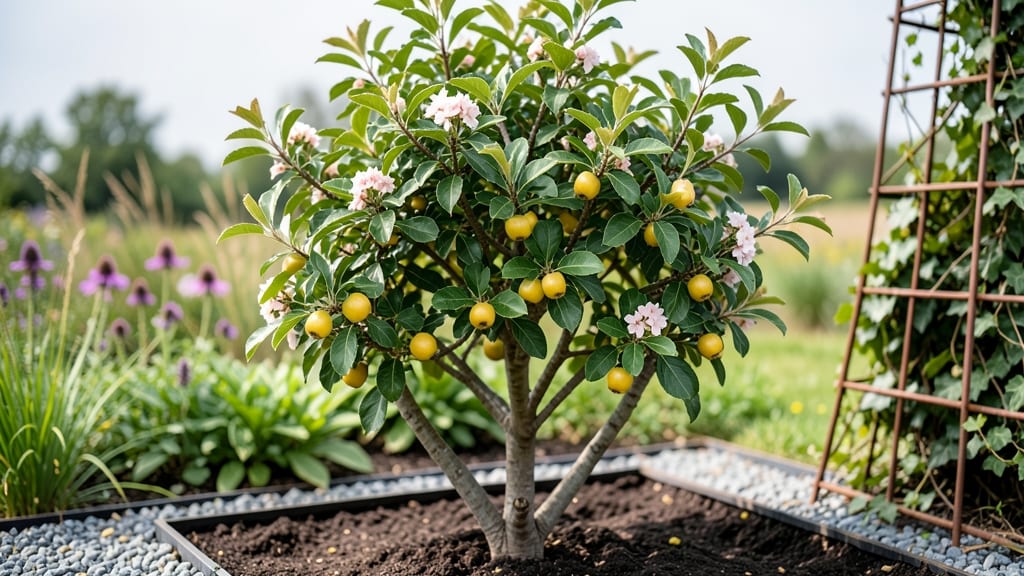
Tiny but mighty, the mini crab apple tree packs ornamental punch into spaces where full-size trees won't fit. 🌿 I planted mine in a large container last spring, and now it’s a four-season showstopper—spring blossoms, summer fruit, and fiery fall foliage—all on a 6-foot frame.
The key to keeping it thriving (and producing those bite-sized apples) is understanding its growth habits and when to prune.
These little powerhouses thrive in full sun to partial shade and tolerate a range of soils, though they reward you best with well-draining, slightly acidic mix.
Container growing works beautifully if you use a pot at least 18 inches deep with drainage holes, and they’re tough enough to handle city pollution or salty coastal air.
The real magic happens when you time those three seasonal trims—each one shapes the tree for bigger blooms and better fruit next year.
Imagine waking up to rosy-pink blossoms in April, harvesting tart-sweet apples in late summer, and watching leaves turn crimson in October. That’s the mini crab apple’s superpower: it delivers three distinct seasons of interest without the space requirements of its larger cousins.
With the right pruning rhythm, you’ll avoid the common pitfalls of overcrowded branches or fruitless years.
Whether you’re filling a small yard, lining a narrow driveway, or styling a patio container, this tree delivers low-maintenance elegance with high rewards. Let’s get into the planting, pruning, and care secrets that keep them looking—and producing—like pros.
📚 In This Guide
- What you need
- Instructions
- Tips and common mistakes
- Wrapping up and next steps
What you need
- ● Mini crab apple tree (dwarf variety, 4–6 ft tall at maturity)
- ● Pruning shears (bypass type, sharp and clean)
- ● Loppers (for thicker branches, 8–12" cutting capacity)
- ● Hand pruners (for precision trimming, 5–7" blades)
- ● Disinfectant (70% isopropyl alcohol or pruning sealant) (to prevent disease)
- ● Gloves (gardening or cut-resistant for safety)
- ● Small broom or leaf rake (for cleanup)
- ● Watering can or hose (with gentle spray nozzle)
- ● Compost or mulch (2–3 inches for soil health)
- ○ Stake and ties (optional but helpful for young trees)
- ● Tree pruning saw (for stubborn, larger branches)
- ● Ladder or step stool (if tree is near mature height)
- ● Tree wound dressing (for large cuts, though many experts skip this)
- ● Fertilizer (balanced, slow-release) (for post-pruning boost)
- ● Bird netting (if apples are a target for wildlife)
How to maintain a mini crab apple tree through all seasons
Here’s the seasonal care routine that keeps your dwarf crab apple thriving year-round.
🌱 Step 1: Early Spring Pruning for Structure and Airflow
Once temperatures consistently hit 45°F, grab your sharp pruning shears and inspect the tree for dead, crossing, or weak branches. Remove any branches that grow inward or rub against others—this prevents disease and improves light penetration to the center. I like to make cuts just outside the branch collar, where the branch meets the trunk, to encourage clean healing.
Look for sucker growth at the base of the tree—these are vigorous shoots that drain energy from the main structure. Snip them off at ground level. Aim to remove no more than 25% of the canopy in a single session; this keeps stress low while still promoting strong growth. After pruning, apply a thin layer of mulch around the base to retain moisture and suppress weeds.
☀️ Step 2: Summer Maintenance for Fruit and Foliage Health
Mid-summer is the time to thin out excess fruit if your tree is overloaded. Leave 6-8 inches between apples to ensure they reach full size without competing for nutrients. Use your fingers or a small pruner to gently twist off smaller fruits—this prevents branch breakage later. I also check for aphids or mites on the undersides of leaves; a strong spray of water usually dislodges them.
Water deeply once a week during dry spells, ensuring the soil is moist 6 inches down. You’ll know it’s time when the top inch feels dry to the touch. Avoid overhead watering in the evening to prevent fungal issues. If you notice yellowing leaves, it’s often a sign of overwatering or poor drainage—adjust your schedule accordingly.
✂️ Step 3: Late Fall Cleanup for Winter Prep
After the leaves drop, rake up all fallen foliage and remove it from the area—this reduces the risk of fungal diseases like apple scab over winter. Now’s also the time to prune out any dead or diseased wood that may have developed during the growing season. I make these cuts on a dry day to minimize sap loss and make the tree less attractive to pests.
Apply a 2-3 inch layer of mulch around the base, but keep it 6 inches away from the trunk to prevent rot. This insulates the roots and protects against extreme temperature swings. If your tree is in a windy location, consider wrapping the trunk with tree guard to prevent winter sunscald or frost cracks.
Tips & tricks for perfect mini crab apple tree care
Between us, maintaining a dwarf crab apple tree requires precision that pays off in stunning year-round beauty. Here are the secrets I’ve learned after years of watching mine thrive.
Pruning Precision: When you’re working at 45°F in Step 1, take your time with those cuts—especially at the branch collar. I’ve made the mistake of cutting too close to the trunk, which can leave ugly scars. Use a sharp pair of pruning shears and make clean cuts at a 45-degree angle just outside the collar. This encourages faster healing and stronger regrowth. For stubborn branches, I like to use a small saw for thicker stems, then seal the cuts with pruning paint to prevent disease entry.
Fruit Thinning Strategy: In Step 2, those 6-8 inch spacings between apples might seem like overkill, but trust me on this. I used to leave them closer together, and my tree would produce undersized fruit that never ripened properly. The key is to remove smaller fruits first—they’re competing for nutrients with the ones you want to grow. I also time my thinning after a few apples have already set, so I can see which branches have the healthiest clusters.
Mulch Mastery: That 2-3 inch layer of mulch in Step 3 isn’t just decoration—it’s insulation. I’ve seen trees suffer from winter sunscald when the trunk was exposed to harsh afternoon sun. Keep that mulch 6 inches away from the trunk to prevent rot, and consider adding a layer of straw mulch in extreme winter climates. It’s also worth noting that organic mulch breaks down and feeds your tree over time, so you’ll need to replenish it every few years.
Pest Patrol: Don’t let those aphids or mites in Step 2 become a full-blown infestation. I keep a bottle of neem oil on hand for stubborn cases—it’s organic and effective. For a quick fix, I’ve found that a strong spray of water first thing in the morning (when pests are sluggish) often dislodges them completely. Regularly inspecting the undersides of leaves is the best defense—catch problems early, and you’ll avoid the need for harsh chemicals.
Pro Tips for Mini Crab Apple Tree
- Between us, maintaining a dwarf crab apple tree requires precision that pays off in stunning year-round beauty.
- Pruning Precision: When you’re working at 45°F in Step 1, take your time with those cuts—especially at the branch collar.
- Fruit Thinning Strategy: In Step 2, those 6-8 inch spacings between apples might seem like overkill, but trust me on this.
Frequently asked questions
Got questions about growing and maintaining your mini crab apple tree? Here are some of the most common ones—and their answers—to help you keep your tree thriving year-round!
How often should I prune my mini crab apple tree?
Prune your mini crab apple tree three times a year for optimal health and blooms: late winter (to shape and remove dead wood), summer (to encourage fruiting spurs), and fall (to clean up and prep for winter). Light trims between seasons can also promote bushier growth. Always use clean, sharp tools!
Do mini crab apple trees need winter protection?
Yes, but it’s usually minimal! Young trees or those in colder climates (below Zone 5) benefit from wrapping the trunk with tree guard or burlap to prevent sunscald. Mulch the base with 2–3 inches of organic material (like wood chips) to insulate roots. Avoid heavy mulch piles, which can suffocate the tree.
Why aren’t my mini crab apples producing fruit?
Lack of fruit could stem from over-pruning (leave fruiting spurs!), poor pollination (plant two trees nearby), or young age (they often take 2–3 years to bear fruit). Check for pests (like aphids) or disease (like fire blight) too. If the tree is healthy but still not fruiting, try fertilizing lightly in early spring with a balanced 10-10-10 formula.
Can I grow a mini crab apple tree in a container?
Dwarf varieties (like ‘Dolgo’ or ‘Golden Hornet’) thrive in 15–20 gallon containers with well-draining soil. Use a fast-draining potting mix and repot every 2–3 years to refresh nutrients. Place in full sun and water deeply when the top inch of soil is dry. Just remember: container trees may need more frequent pruning to control size.
What pests should I watch for on my mini crab apple tree?
Keep an eye out for apple maggots (tiny white larvae in fruit), aphids (sticky residue on leaves), and scale insects (bumpy brown spots). For organic control, spray neem oil or introduce ladybugs. If infestations persist, use horticultural oil in early spring before buds swell. Regular pruning also reduces hiding spots for pests!
Wrapping up and next steps
Growing a mini crab apple tree is a rewarding way to add year-round charm to your garden with minimal effort! Whether you’re trimming for shape, health, or fruit, these seasonal cuts keep your tree thriving and stunning.
With the right tools and techniques, you’ll enjoy blooms, fruit, and even winter interest—all while creating a low-maintenance focal point.
Ready to get started? Pick a sunny spot, grab your pruners, and give your tree its first trim this season! 🌿✂️