
Pruning
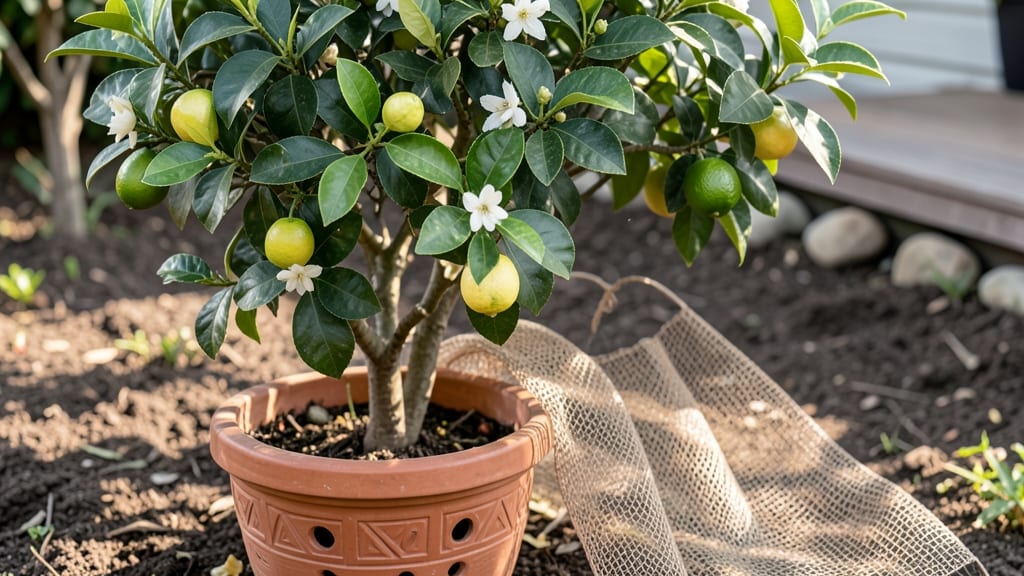
Growing a miniature lime tree in containers means fresh citrus year-round, even on a tiny balcony or sunny windowsill. 🌱 I’ve watched mine produce tiny, tart limes since last spring—proof that dwarf citrus thrives with the right care.
The secret isn’t complicated: it’s about sunlight, well-draining soil, and a little winter coaxing to keep it happy indoors.
These trees need 6+ hours of direct sun daily, so south-facing spots or grow lights work best. Use a fast-draining potting mix (like cactus soil with perlite) to prevent root rot, and pick a container with drainage holes—10-15 gallons for mature trees.
Water when the top inch of soil feels dry, but avoid soggy roots, which kill them faster than anything else.
By summer, you’ll see glossy leaves and tiny white flowers that turn into edible limes—smaller than grocery-store varieties but packed with flavor. Prune lightly after harvest to shape the tree and encourage bushier growth.
The biggest challenge? Keeping it alive through winter, but with a heat lamp or sunny window, it’ll bounce back every spring.
Whether you’re growing for fruit, foliage, or just the joy of a citrus scent in your home, these trees deliver. They’re perfect for small spaces, urban gardens, or even as a striking houseplant. Ready to grow your own? Let’s get started!
📚 In This Guide
- What you need
- Instructions
- Tips and common mistakes
- Wrapping up and next steps
What you need
- ● Miniature lime tree sapling: Choose a dwarf variety (e.g., Citrus aurantifolia 'Mexican Lime' or 'Eureka Lime' grafted on a dwarf rootstock). Ensure it’s disease-free and healthy.
- ● Container: A 5–15 gallon pot with drainage holes (terracotta or fabric pots work best). Size depends on maturity—smaller pots for young trees, larger for established ones.
- ● Well-draining potting mix: A blend of 50% citrus-specific soil, 30% perlite or pumice, and 20% compost. Avoid garden soil—it compacts and retains too much moisture.
- ● Gravel or pebbles: For the pot’s drainage layer (2–3 inches at the bottom).
- ● Slow-release citrus fertilizer: Look for one with a balanced NPK ratio (e.g., 10-10-10 or 8-3-9) and micronutrients like iron and zinc.
- ● Watering can with a narrow spout: For precise hydration without disturbing the soil.
- ● Pruning shears: Sharp, clean bypass pruners (sterilize with rubbing alcohol between cuts).
- ● Glove: A lightweight gardening glove to protect your hands from thorns.
- ● pH testing kit: To monitor soil acidity (ideal range: 6.0–7.0).
- ● Humidity tray or pebble tray: Helps maintain moisture in dry climates.
- ○ Grow lights (optional): LED full-spectrum lights for indoor setups (12–14 hours/day).
- ○ Mulch (optional): Organic mulch (e.g., straw) to retain moisture and regulate temperature.
Step-by-Step instructions for growing miniature lime trees in containers
Here's how to nurture a dwarf citrus tree that thrives indoors and rewards you with tiny, tart limes.
🪴 Step 1: Choose the Right Container and Drainage
Start with a 5-7 gallon pot with drainage holes—lime trees hate soggy roots. I use unglazed terra cotta because it breathes, but any container with drainage works. If your pot lacks holes, drill ¼-inch holes in the bottom and cover them with ¼-inch mesh to prevent soil loss. The pot should be 12-18 inches deep—shallower containers restrict root growth and stunt the tree.
Fill the bottom 2 inches with coarse gravel or perlite to create a drainage layer. This prevents water from pooling at the roots, which causes rot. Tap the pot gently on the table to settle the gravel before adding soil. Here's the thing—if you skip this step, you'll end up with a sad, yellowing tree within months.
🌱 Step 2: Plant and Water the Seedling
Place your 4-6 inch tall dwarf lime tree in the center of the pot, ensuring the root flare (where roots meet the trunk) sits just above the soil line. Fill the pot with well-draining citrus potting mix until the soil reaches ½ inch below the rim. Press gently to remove air pockets but don't compact the soil—roots need space to grow.
Water deeply until water runs freely from the drainage holes. Discard the excess water in the saucer—lime trees despise sitting in standing water. After planting, place the tree in bright, indirect light for 3-5 days to help it adjust. You'll know it's settling in when new growth appears within 2-3 weeks.
☀️ Step 3: Provide Light and Temperature Consistency
Miniature lime trees need 6-8 hours of direct sunlight daily, but avoid harsh midday sun, which can scorch tender leaves. A south- or west-facing window works best, but if natural light is insufficient, supplement with a full-spectrum LED grow light placed 12-18 inches above the tree. Keep the light on for 12-14 hours daily to mimic natural daylight.
Maintain temperatures between 65-80°F—lime trees are sensitive to cold drafts and sudden temperature swings. If your home dips below 55°F at night, move the tree away from windows or use a heating mat in winter. Watch for yellowing leaves or leaf drop—these are signs the tree is too cold or stressed.
💧 Step 4: Water and Fertilize for Healthy Growth
Water when the top 1-2 inches of soil feel dry to the touch. Stick your finger in the soil—if it's dry past your first knuckle, it's time to water. Water thoroughly until it drains from the bottom, then empty the saucer to prevent root rot. Overwatering is the #1 killer of container lime trees, so err on the side of underwatering if you're unsure.
Fertilize every 4-6 weeks during spring and summer with a balanced citrus fertilizer (like 6-6-6 or 8-3-9). Reduce feeding in fall and winter—lime trees go semi-dormant in cooler months. You'll notice shiny, dark green leaves and steady new growth when the tree is happy. If leaves turn yellow with brown spots, you're likely overwatering or overfertilizing.
✂️ Step 5: Prune and Encourage Fruit Production
Prune in late winter or early spring before new growth begins. Remove dead, diseased, or crossing branches first, then trim back any leggy growth to encourage bushier shape. Cut just above a leaf node or outward-facing bud to promote healthy regrowth. Avoid heavy pruning—lime trees fruit on new wood, so keep at least ⅔ of the tree's structure intact.
To encourage fruit, place the tree in full sun and maintain consistent watering and fertilization. Pollinate flowers by gently shaking the tree or using a small paintbrush to transfer pollen between blooms. Tiny limes should appear 6-12 months after planting, depending on the variety. Harvest when they turn bright green or yellow—they won't ripen further off the tree.
Tips & tricks for perfect miniature lime trees
Growing these tiny citrus wonders indoors takes patience and precision—here's how to avoid the most common pitfalls and maximize your success.
Drainage is Non-Negotiable: The 2-inch gravel layer in Step 1 isn't just recommended—it's essential. I've seen lime trees die within weeks from root rot when this step was skipped. Use coarse perlite instead of pebbles if you prefer, but never skip creating that air gap. The mesh over drainage holes prevents soil loss without blocking water flow, so don't skip that either.
Light Quality Matters More Than Quantity: Those 6-8 hours of direct sunlight in Step 3 should be bright but gentle. South-facing windows work best, but if you're using artificial light, position the grow light 12-18 inches above the tree and keep it on for 12-14 hours daily. I learned this the hard way—harsh overhead light scorches leaves, while gentle morning/evening sun is ideal. Rotate your tree weekly so all sides get even exposure.
Temperature Consistency Prevents Stress: Maintaining that 65-80°F range is crucial, but sudden drops below 55°F at night can shock your tree. Place a digital thermometer near your tree to monitor fluctuations. In winter, avoid cold drafts from windows or AC vents—lime trees are tropical and sensitive to temperature swings. If your home gets chilly, a small space heater on low keeps roots happy without overheating.
Pruning Secrets for Fruit Production: When you prune in late winter (Step 5), focus on creating an open center that allows sunlight to reach all branches. Cut just above a leaf node to encourage new growth where fruit will form. I've found that removing only 10-15% of the tree's foliage at a time prevents stress while still encouraging bushier growth. Avoid pruning during flowering or fruiting seasons—this is when your tree is most vulnerable.
Pro Tips for Miniature Lime Tree
- Growing these tiny citrus wonders indoors takes patience and precision—here's how to avoid the most common pitfalls and maximize your success.
- Drainage is Non-Negotiable: The 2-inch gravel layer in Step 1 isn't just recommended—it's essential.
- Light Quality Matters More Than Quantity: Those 6-8 hours of direct sunlight in Step 3 should be bright but gentle.
Frequently asked questions
Got questions about growing your own miniature lime tree?
Here are some of the most common ones—plus clear, practical answers to help you succeed!
How big do miniature lime trees typically grow in containers?
Miniature lime trees (like Citrus aurantifolia 'Mexican Lime' or dwarf varieties) usually stay between 3–6 feet tall when grown in containers. Their compact size makes them perfect for patios, balconies, or even sunny windowsills. Just ensure your pot has drainage holes and is at least 12–15 inches wide to support healthy root growth.
How long does it take for a miniature lime tree to bear fruit?
Patience is key! Most dwarf lime trees take 2–5 years to produce fruit, depending on care, sunlight, and variety. Young trees focus on leaf and root growth first. To speed things up, use well-draining soil, fertilize with citrus-specific nutrients (high in nitrogen early on), and provide 6+ hours of sunlight daily.
Can I grow a miniature lime tree indoors year-round?
With the right setup, your lime tree can thrive indoors. Place it near a south-facing window (or use grow lights for 12+ hours/day). Watch for signs of pests (like spider mites) or nutrient deficiencies (yellow leaves = more iron!). In winter, keep temps above 50°F (10°C)—drafts and cold snaps can stress the tree. Rotate the pot monthly for even growth!
What’s the best way to prune a miniature lime tree for fruit production?
Prune in late winter or early spring to shape the tree and encourage fruiting. Focus on:
- Removing dead or crossing branches (use clean, sharp shears).
- Trimming overly leggy growth to promote bushiness.
- Avoid cutting into old wood—new growth bears fruit better!
Why aren’t my miniature lime tree’s leaves turning yellow?
Yellow leaves usually signal overwatering, underwatering, or nutrient issues. Check:
- Watering: Let the top 1–2 inches of soil dry out between waterings.
- Drainage: Ensure excess water escapes—root rot is a common killer!
- Nutrients: Yellowing between veins? Try an iron supplement (like chelated iron).
- Pests: Inspect for aphids or scale on undersides of leaves.
Wrapping up and next steps
Growing a miniature lime tree in containers is a rewarding way to enjoy fresh citrus year-round—even in small spaces! With the right care, pruning, and a little patience, you’ll harvest tangy limes that brighten up everything from cocktails to desserts. 🌿✨
Ready to take the next step? Start by choosing your favorite variety (like Meyer or Key lime) and gather your supplies. Then, give your tree the love it deserves—sunlight, water, and occasional pruning—and watch it thrive!
Whether you’re a beginner or a seasoned gardener, your tiny citrus paradise is just a few steps away. Happy growing!