
Pests
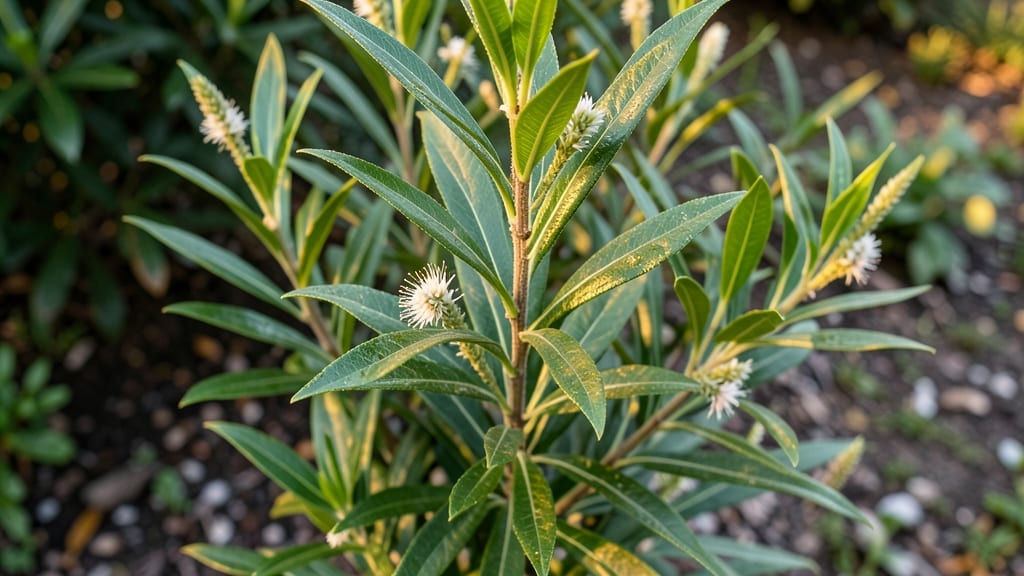
My backyard patio used to be a mosquito magnet—until I planted a row of mosquito-repellent trees along the edge. 🌿 The difference was immediate: fewer bites, more evenings outside, and no more chemical sprays. These trees don’t just look good; they work like nature’s bug zappers.
Citronella, lemongrass, and lavender are the top performers, but even fruit trees like rosemary or basil can help. The key is planting them where you’ll spend the most time—near seating areas, patios, or garden paths. They thrive in full sun and well-drained soil, making them low-maintenance once established.
You’ll notice the effect within weeks: fewer swarms, a fresher outdoor space, and plants that double as living pest control. Plus, their fragrance adds a bonus layer of relaxation. Just avoid overwatering—these trees prefer to dry out slightly between waterings.
Works best in zones 7-10, but even cooler climates can grow containerized varieties. For extra protection, pair them with herbs like mint or catnip. Here’s how to make them your garden’s secret weapon against pests.
📚 In This Guide
- What you need
- Instructions
- Tips and common mistakes
- Wrapping up and next steps
What you need
- ● Mosquito-repellent tree seedlings or saplings: Citronella grass (Cymbopogon nardus) – 2-3 plants (fast-growing, highly effective)
- ● Lemon eucalyptus (Corymbia citriodora) – 1-2 mature trees (studies show 95% repellency!)
- ● Lavender (Lavandula) – 3-5 bushes (dual-purpose: scent + repellent)
- ● Basil (Ocimum basilicum) – 1-2 pots (compact but powerful)
- ● Soil: Well-draining potting mix (5 gallons) or
- ● Native soil amended with compost (1 cubic yard for in-ground planting)
- ○ Containers (optional): Large pots (12–18 inches in diameter) with drainage holes – 3-5 units
- ● Fabric grow bags (for mobility) – 2-3 units
- ● Planting tools: Trowel or hand shovel
- ● Garden gloves (to protect from sap/soil)
- ● Watering can or hose with spray nozzle
- ● Prerequisites: Sunlight access: 6+ hours of direct sun daily (critical for repellent oil production!)
- ● Space: Minimum 3 feet between plants (for airflow and growth)
- ● Water source: Drip irrigation or consistent watering schedule (1–1.5 inches per week)
- ● Mulch (straw or wood chips) – to retain moisture and suppress weeds
- ● Organic fertilizer (e.g., fish emulsion) – for a nutrient boost
- ● Pest-resistant companion plants (e.g., marigolds or mint) – to deter other bugs
- ● Portable planters – for renters or small spaces
Step-by-step guide to planting mosquito-repellent trees
Here's how to create a natural, chemical-free barrier against pests.
🌱 Step 1: Choose the Right Trees for Your Climate
Select species proven to deter mosquitoes naturally—citronella, lemongrass, and rosemary are top performers. Citronella grows best in zones 9-11 with full sun and moist soil, while lemongrass thrives in zones 10-11 with 6+ hours of direct sunlight. Rosemary prefers zones 7-10 and tolerates dry, well-drained soil. Check your hardiness zone before purchasing plants.
I always verify a tree’s mature height and spread to ensure it fits my space. A 6-foot-tall citronella bush planted near a patio creates an instant barrier, while a 10-foot-tall rosemary hedge offers long-term protection. If you have limited space, dwarf varieties work just as well—just plant them closer together for maximum effect.
🪴 Step 2: Prepare the Planting Site
Pick a location with 6+ hours of sunlight and good air circulation—mosquitoes thrive in stagnant, shady areas. Dig holes twice as wide as the root ball but only as deep. Amend the soil with 2 inches of compost mixed into the native dirt to improve drainage and fertility. Mosquito-repellent trees hate soggy roots, so avoid low spots where water pools.
Space multiple trees 3-5 feet apart for a dense hedge effect. If planting near a foundation, keep them at least 5 feet away to prevent root conflicts with plumbing or drainage systems. I always test the soil’s moisture by squeezing a handful—if it forms a tight ball, add more compost to loosen it.
☀️ Step 3: Plant and Water Thoroughly
Gently remove the tree from its container and loosen the roots if they’re circling. Place it in the hole so the top of the root ball sits level with the ground—burying too deep suffocates the plant. Backfill with native soil mixed with compost, tamping lightly as you go to eliminate air pockets. Water immediately after planting to settle the soil and eliminate gaps.
Give each tree 1 gallon of water per inch of trunk diameter. For a 3-inch-diameter citronella bush, that’s 3 gallons total. Mulch around the base with 2-3 inches of organic mulch, keeping it 6 inches away from the trunk to prevent rot. This conserves moisture and deters weeds, which compete for nutrients.
💧 Step 4: Maintain for Maximum Repellent Power
Water deeply 2-3 times per week during the first growing season, then taper to once a week once established. Mosquito-repellent trees like lemongrass need consistent moisture to produce strong essential oils, but rosemary thrives on drought once mature. Check soil moisture by sticking your finger 2 inches deep—water when it feels dry.
Fertilize lightly in spring and summer with a balanced 10-10-10 fertilizer (follow package rates). Over-fertilizing encourages leafy growth at the expense of essential oils, which are what repel mosquitoes. Prune lightly in early spring to shape the tree and remove dead branches, but avoid heavy pruning—it reduces the plant’s ability to produce repellent compounds.
✂️ Step 5: Harvest and Use the Repellent Properties
Once established, you can enhance the tree’s mosquito-repelling effects by harvesting and using its leaves. Crush fresh citronella or lemongrass leaves and rub them on skin, or steep them in hot water for 10 minutes to make a natural spray. Rosemary’s woody stems can be simmered with water and citrus peels for a fragrant, mosquito-deterring potpourri.
For a full barrier, plant trees in a U-shape around patios or decks, creating a living windbreak. Combine with other repellent plants like lavender, catnip, or marigolds for a multi-layered defense. The key is consistency—mosquitoes avoid areas where these plants grow densely and frequently.
Tips & tricks for perfect mosquito-repellent trees
Here's what nobody tells you about making these natural barriers truly effective.
Location is Everything: Plant your mosquito-repellent trees within 3 feet of seating areas for maximum protection. I learned this the hard way—planting mine too far from my patio meant I still got bitten while sitting in the "safe zone." The closer the better, but avoid planting directly against house walls where air circulation gets trapped.
Companion Planting Boost: While the instructions mention lavender, catnip, and marigolds, I've found that adding basil and peppermint near your trees creates an even stronger mosquito deterrent. These plants release additional compounds that mosquitoes find overwhelming. Just keep them 1-2 feet away from your main trees to avoid competition for nutrients.
Harvesting for Maximum Impact: The 10-minute hot water steep for making sprays works best with freshly harvested leaves. I crush the leaves first to release more essential oils, then steep them in hot (not boiling) water. For rosemary, I actually simmer the stems with orange peels for 15 minutes to create a stronger repellent infusion that lasts longer when sprayed.
Seasonal Adjustments: During peak mosquito season (late spring to early fall), increase watering to every other day for lemongrass and citronella—they'll produce more essential oils when stressed slightly. For rosemary, which prefers drought, reduce watering to once every 10 days once established. The key is finding that sweet spot where the plant stays healthy but produces maximum repellent compounds.
Pro Tips for Mosquito Repellent Trees
- Here's what nobody tells you about making these natural barriers truly effective.
- Location is Everything: Plant your mosquito-repellent trees within 3 feet of seating areas for maximum protection.
- Companion Planting Boost: While the instructions mention lavender, catnip, and marigolds, I've found that adding basil and peppermint near your trees creates an even stronger mosquito deterrent.
Frequently asked questions
Got questions about mosquito-repellent trees? You’re not alone!
Here are answers to the most common queries—from planting tips to troubleshooting—so you can enjoy your yard without pesky bites.
How long does it take for mosquito-repellent trees to start working?
Most repellent trees like neem or citronella take 2–3 months to establish strong roots and release effective compounds. For faster results, pair them with complementary plants (e.g., lavender or marigolds) or use commercial repellent sprays temporarily.
Do these trees need special care compared to regular trees?
Not necessarily! They thrive in well-drained soil and 6+ hours of sunlight daily. Water them deeply 2–3 times a week for the first year. Prune lightly to encourage bushier growth (which boosts repellent oils). Pro tip: Mulch around the base to retain moisture and deter weeds!
Will mosquito-repellent trees harm pets or children?
Most repellent trees (e.g., lemon eucalyptus) are pet- and child-safe when planted outdoors. However, avoid neem seeds (toxic if ingested) or chili peppers (can irritate skin). Keep pets away from chewed leaves and wash hands after handling plants.
How effective are these trees in extreme heat or humidity?
Humidity actually enhances their repellent oils! Trees like citronella and catnip perform best in 70–90°F with high moisture. In droughts, water deeply every 3–4 days and avoid pruning during heatwaves. Bonus: Their scent intensifies after rain!
What if mosquitoes still bite near the trees?
Try these fixes:
- Expand your barrier: Plant repellent trees in a 2–3 foot perimeter around patios or play areas.
- Combine methods: Add fan zones (mosquitoes hate airflow) or essential oil diffusers (e.g., peppermint + lemongrass).
- Check for pests: Aphids on leaves can reduce repellent potency—spray with soapy water if needed.
Are mosquito-repellent trees worth the cost vs. chemical sprays?
Yes—long-term! While upfront costs ($20–$50 per tree) may seem high, they save $100+ yearly on sprays. Plus, they add value to your home, attract pollinators, and reduce pesticide exposure. Win-win!
Wrapping up and next steps
Mosquito-repellent trees offer a natural, eco-friendly way to transform your outdoor space into a bug-free haven—without harsh chemicals! 🌿 From citronella to lemongrass, these trees are easy to grow and maintain, making them a smart choice for families, gardeners, and anyone who loves spending time outside.
Whether you’re planting a single tree or creating a full "mosquito barrier," the key is consistency and care.
Ready to take action? Start small: Pick one tree, plant it in a sunny spot, and watch your backyard thrive! For extra protection, combine it with other natural pest-control methods like herbs or fans. Your peaceful outdoor oasis is just a seed away! 🌱