
Pruning
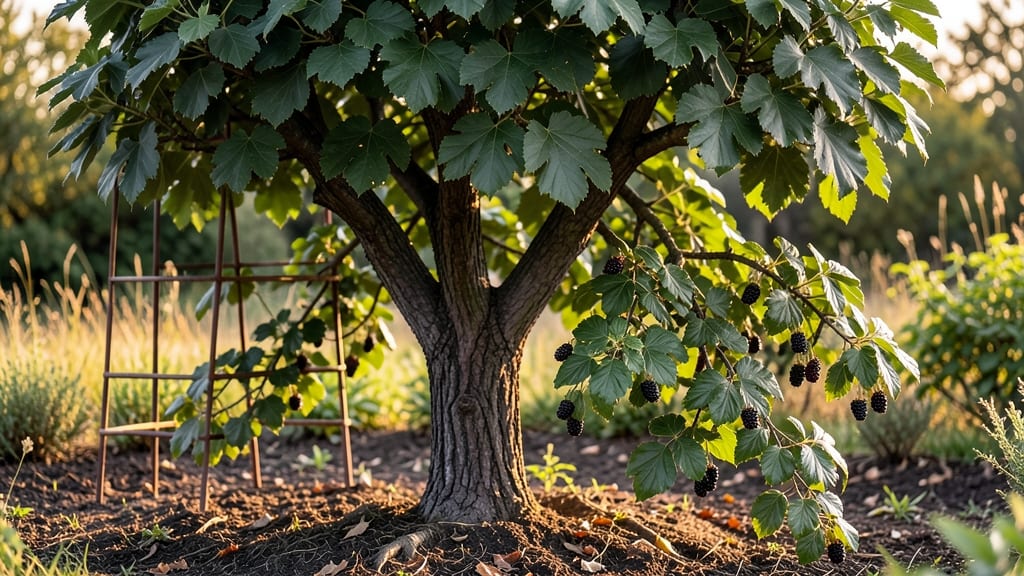
Growing a mulberry-blackberry hybrid tree means you're cultivating a fruit-bearing powerhouse that combines the best of both worlds—sweet berries with year-round interest. ✨ I planted mine last spring, and by summer, it was already throwing out thornless canes loaded with fruit.
The key isn’t just planting—it’s understanding how to prune year-round to keep it producing heavy loads without overburdening itself.
This crossbreed thrives in full sun and well-draining soil, but the real magic happens with seasonal pruning. In winter, you remove dead wood; in early spring, you shape the tree; and throughout summer, you thin out overcrowded canes.
It’s not complicated—just strategic. My tree now produces enough berries to share with neighbors, and the pruning takes less than an hour twice a year.
What you’ll end up with is a vibrant, productive tree that looks stunning in every season. The berries ripen in clusters, the foliage stays lush, and the structure remains balanced.
Plus, the thornless varieties make harvesting a breeze. Let’s get into the steps that’ll have your tree thriving in no time.
Works beautifully in backyard gardens, urban lots, or even large containers if you’re short on space. The same principles apply whether you’re starting from a bare-root sapling or an established tree. Here’s how to make it work for you.
📚 In This Guide
- What you need
- Instructions
- Tips and common mistakes
- Wrapping up and next steps
What you need
- ● Pruning shears: Bypass pruners (for small branches, ¼"–½" thick)
- ● Loppers: 6"–8" bypass loppers (for branches ½"–2" thick)
- ● Pruning saw: Curved-tooth saw (for thick branches 2"+ thick)
- ● Gloves: Heavy-duty, cut-resistant gloves (to protect from thorns)
- ● Disinfectant: 70% isopropyl alcohol or bleach solution (1 part bleach to 9 parts water)
- ○ Pruning sealant (optional): For large cuts (½" or wider) to prevent disease
- ● Trash bags or bucket: For collecting pruned branches and debris
- ● Ladder or step stool: If your tree is taller than 6 feet
- ● Weather check: Prune on a dry, calm day (avoid rain for 24 hours after)
- ● Tool sharpening: Ensure blades are sharp for clean cuts
- ● Safety gear: Long sleeves/pants to avoid scratches from thorns
- ● Tree inspection: Identify dead, diseased, or crossing branches before you start
Step-by-Step guide to year-round mulberry blackberry tree maintenance
Here’s how I keep my mulberry blackberry trees thriving with seasonal pruning that boosts fruit production.
⏰ Step 1: Winter Pruning (Late Dormancy)
When winter’s coldest stretch passes—typically January to early February—prune out any dead, diseased, or crossing branches first. I look for blackened canes or those rubbing together, which weaken the plant. Use clean, sharp pruners to make cuts at a 45-degree angle just above a bud or lateral branch.
Next, remove one-third of the oldest canes at the base. These are the thickest, woody stems that no longer produce well. Mulberry blackberries fruit on second-year wood, so keeping younger canes ensures next year’s harvest. After pruning, rake away debris to prevent fungal diseases from overwintering.
🌱 Step 2: Spring Pruning (Early Growth)
Once new shoots emerge (usually March to April), inspect for suckers—those thin, vigorous shoots growing from the base or roots. These divert energy from fruit production. Snip them off at the ground level immediately. I also thin out crowded canes to improve airflow, which reduces blackberry rust and anthracnose risks.
Leave 6-8 of the strongest, most upright canes per plant. These will bear the heaviest fruit loads. If canes are too leggy, prune back the tips by one-third to encourage bushier growth. Avoid heavy pruning now—you want to preserve leaf area for early-season photosynthesis.
☀️ Step 3: Summer Maintenance (Post-Harvest)
After the main harvest season (typically June to August), focus on light pruning to shape the plant. Remove any fruitless canes—these are the thin, weak stems that didn’t produce well this year. Also, trim back overly vigorous shoots that are shading the center of the plant, as this reduces airflow and increases disease pressure.
Here’s the thing—don’t over-prune in summer. Mulberry blackberries are sensitive to stress, and heavy cuts now can delay next year’s fruit set. Instead, focus on sanitation: pick up fallen berries and debris to prevent bird-attracted pests and mold growth. A light mulch of wood chips around the base helps retain moisture and suppress weeds.
✂️ Step 4: Fall Cleanup (Pre-Winter Prep)
As temperatures drop below 50°F at night (usually October to November), perform a final light pruning pass. Remove any diseased leaves or canes showing signs of gray mold or spotty foliage. These can harbor pathogens that survive winter and infect next year’s growth.
Next, thin out any new canes that sprouted late in the season. These won’t have time to harden off properly and may die back in winter. Finally, apply a 2-3 inch layer of mulch (using the wood chips from your supplies) around the base but keep it 6 inches away from the trunk to prevent rot. This insulates roots and conserves moisture.
Tips & tricks for year-round mulberry blackberry tree care
These seasoned strategies will help you maximize fruit production while keeping your mulberry blackberries healthy year after year.
Timing is Everything: In Step 1, when pruning during January to early February, check your local frost dates first. If you're in a warmer climate where winter isn't as harsh, you might need to delay until late February to avoid damaging new growth that could emerge early. The key is to prune after the coldest period but before new shoots appear.
Tool Precision Matters: For Step 2's spring pruning, invest in bypass pruners rather than anvil pruners. Bypass pruners make cleaner cuts that heal faster, reducing disease entry points. Always sterilize your tools with rubbing alcohol between cuts on different plants to prevent spreading pathogens. I keep a small bottle of 70% isopropyl alcohol in my gardening toolkit for this purpose.
Seasonal Stress Management: During Step 3's summer maintenance, remember that mulberry blackberries are particularly sensitive to summer pruning stress. If you must remove significant growth, do it in stages over 2-3 weeks rather than all at once. This gradual approach helps the plant recover better and maintains energy reserves for next year's fruit production.
Mulch Application Technique: When applying the 2-3 inch layer of wood chips in Step 4, use a rake to create small ridges around the base rather than piling it directly against the trunk. This creates better air circulation at the base while still providing insulation. The 6-inch clearance from the trunk prevents moisture buildup that can lead to rot.
Pro Tips for Mulberry Blackberry Tree
- These seasoned strategies will help you maximize fruit production while keeping your mulberry blackberries healthy year after year.
- Timing is Everything: In Step 1, when pruning during January to early February, check your local frost dates first.
- Tool Precision Matters: For Step 2's spring pruning, invest in bypass pruners rather than anvil pruners.
Frequently asked questions
Got questions about growing and pruning your mulberry blackberry tree?
Here are answers to the most common ones to help you keep your tree thriving and productive year-round!
How often should I prune my mulberry blackberry tree?
Prune your mulberry blackberry tree twice a year: late winter (before buds swell) for structural shaping and summer (after harvest) to remove dead canes and encourage new growth. For heavy fruit loads, light trimming every 6-8 weeks can also help manage vigor. Check our pruning guide for step-by-step tips!
When is the best time to harvest mulberry blackberries?
Harvest when berries are deep purple/black, plump, and easily detach from the stem—usually mid-to-late summer (varies by climate). Mulberries ripen all at once, so plan to pick daily for 1-2 weeks. Pro tip: Wear gloves—stems stain!
Can I grow a mulberry blackberry tree in cold climates?
Yes! While mulberries prefer USDA Zones 5-9, choose cold-hardy varieties like 'Illinois Everbearing' or 'Thornless Blackhaw'. Mulch heavily in winter, protect young trees with burlap, and prune aggressively in spring to stimulate new growth. Warning: Young trees may need winter wrap in Zone 5 or colder.
What if my tree isn’t producing many berries?
Low fruit could mean over-pruning, poor sunlight, or nutrient deficiency. Check these fixes:
- Ensure 6+ hours of sun daily
- Fertilize with balanced 10-10-10 in early spring
- Leave 2-3 healthy canes per year (more = fewer berries!)
- Test soil pH (6.0-6.5 ideal)
Are mulberry blackberry trees self-pollinating?
Most mulberry blackberry trees are self-pollinating, but cross-pollination can boost yields. If your tree struggles, plant a second variety nearby (e.g., 'Arapawa' + 'Cheyenne'). Bonus: Birds love them too—install netting if wildlife raids are a problem!
Wrapping up and next steps
Growing a mulberry blackberry tree with a heavy fruit load is totally doable with the right pruning strategy! By mastering seasonal trimming—especially in late winter, summer, and post-harvest—you’ll keep your tree productive, healthy, and bursting with flavorful berries year after year. 🍇✨
Ready to take your harvest to the next level? Start small: pick one season to focus on this year, then gradually refine your technique. Before you know it, you’ll be enjoying pounds of juicy blackberries—plus, you’ll have a stunning, low-maintenance tree to boot!
Happy pruning, and here’s to your future berry bonanza! 🌱🍓