
Pruning
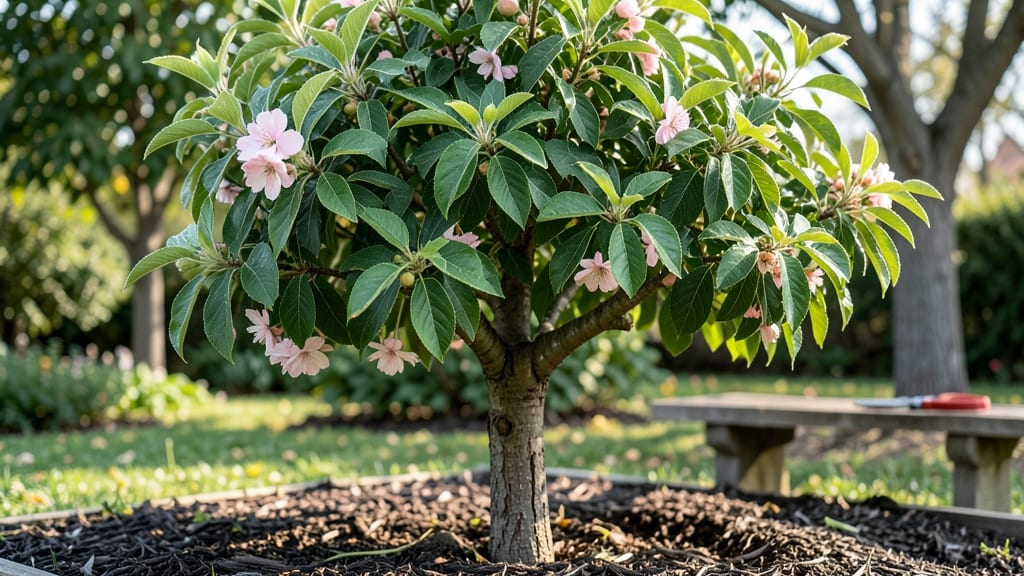
The Flordaprince peach tree delivers sweet, juicy fruit from late spring through summer—if you prune it right. 🌿 I’ve grown this variety for three seasons, and the difference between a tree loaded with fruit and one struggling to produce comes down to timing and technique.
The key isn’t just cutting branches; it’s shaping the tree to maximize sunlight, airflow, and energy for fruit development.
This variety thrives in USDA Zones 6-9 and handles heat better than most peaches, but it demands well-draining soil and full sun (at least 8 hours daily). Water deeply once a week during dry spells, but avoid soggy roots—Flordaprince peaches hate wet feet.
The real magic happens in winter and early spring pruning, when you remove dead wood, thin crowded branches, and open the center for better airflow.
With the right approach, you’ll end up with a tree that produces heavy, consistent harvests—think glossy orange fruit hanging in clusters, sweet enough to eat fresh or perfect for preserves. The first year is about establishing structure; by year two, you’ll see the payoff.
Prune too little, and the tree gets leggy; prune too much, and you sacrifice next year’s crop. Balance is everything.
Works in both backyard orchards and container setups (with dwarf rootstock). The secret? Prune when the tree is dormant (late winter) and again after harvest to shape for next season. Ready to transform a wild peach tree into a fruit-bearing powerhouse? Let’s get started.
📚 In This Guide
- What you need
- Instructions
- Tips and common mistakes
- Wrapping up and next steps
What you need
- ● Pruning shears: Sharp, bypass-style shears (2–3 pairs) for clean cuts on branches up to ½-inch thick.
- ● Loppers: 1 pair (for branches ½–1½ inches thick) with a ratcheting mechanism for ease.
- ● Pruning saw: 1 curved-blade saw (for branches >1½ inches thick).
- ● Disinfectant: 70% isopropyl alcohol or a copper-based pruning spray (1 bottle) to sterilize tools between cuts.
- ● Garden gloves: 1 pair of cut-resistant, breathable gloves (size medium/large).
- ● Heavy-duty trash bags: 2–3 bags (20-gallon size) for collecting debris.
- ○ Pruning sealant: 1 tube of tree wound paint (optional but recommended for large cuts).
- ● Ladder: Extendable aluminum ladder (8–12 ft) if your tree is tall.
- ● Work vest: With pockets for tools and a tool belt for hands-free access.
- ● Notebook: Small spiral notebook + pen to log cuts, notes on branch health, or seasonal reminders.
- ● Safety glasses: For debris protection during heavy pruning.
How to maximize fruit production in a Flordaprince peach tree
This reliable variety thrives with the right pruning approach—here's how to keep it bearing fruit year-round.
🌿 Step 1: Understand the Tree's Natural Growth Cycle
The Flordaprince peach tree produces fruit on both new and old wood, which gives it that year-round potential. Start by mapping your tree's structure: identify the main scaffold branches (those sturdy limbs forming the tree's skeleton) and the smaller fruiting spurs (those short, stubby branches where fruit develops). These spurs are the real fruit factories, so protect them during pruning.
Here's the thing—Flordaprince trees bloom in spring and again in late summer. The first flush of fruit comes from last year's growth, while the second comes from current season's wood. Your pruning strategy must preserve both types of wood. I always prune right after harvest (late summer) to encourage the next bloom cycle while still maintaining the tree's shape.
✂️ Step 2: Perform Late-Winter Pruning for Airflow and Light
Timing is everything with peaches. Do your major structural pruning in late winter (just before buds swell) when the tree is still dormant. This is when you remove dead, crossing, or weak branches—cut them back to an outward-facing bud to encourage healthy growth. I use sharp loppers to make clean cuts just outside the branch collar (that swollen area where the branch meets the trunk).
Your goal is to create an open-centered tree shape that lets sunlight and air circulate freely. This prevents fungal diseases like brown rot, which can wipe out entire crops. Aim for a central leader (main upward-growing branch) with evenly spaced scaffold branches forming a wide V shape. The wider the angle between branches, the better the fruit distribution.
🌱 Step 3: Summer Pruning to Encourage Second Flush of Fruit
After your first harvest (around late spring), do a light pruning to stimulate the second bloom cycle. Remove only the smallest, weakest growth—never take more than 10% of the tree's foliage in summer. I focus on thinning out overly dense areas where sunlight can't penetrate, and I cut back any vigorous shoots growing straight up (these compete with fruit production).
This is also when you want to encourage new fruiting spurs. Look for branches that have produced fruit but are now bare—these are candidates for heading back (cutting back to a lateral bud). You'll see new spurs form along these cuts, and those will bear fruit next season. Real talk: this summer pruning is where most gardeners make mistakes by over-pruning, so go light.
💧 Step 4: Post-Harvest Maintenance for Next Year's Fruit
Right after your final harvest (usually late summer), do a final light pruning to remove any branches that bore fruit. Cut these back to a strong lateral branch or spur—this stimulates new growth that will bear fruit next year. I also remove any suckers growing from the base or trunk (these drain energy from fruit production).
Apply a 2-3 inch layer of mulch around the tree's drip line (the area directly under the canopy) to retain moisture and regulate soil temperature. Keep mulch away from the trunk to prevent rot. This is also when I do a soil test—Flordaprince trees need consistent nutrients, especially nitrogen for leaf growth and potassium for fruit development. Adjust your fertilizer accordingly.
⏰ Step 5: Year-Round Monitoring and Adjustments
Your work isn't done after pruning. Throughout the growing season, watch for water sprouts (fast-growing vertical shoots) and remove them immediately—they steal energy from fruit production. Also, keep an eye out for any branches rubbing against each other (this creates wounds where diseases enter).
Here's where it gets fun—watch how your tree responds. If you notice fruit thinning in certain areas, those branches might need more sunlight. If the second flush is weak, you might need to adjust your summer pruning timing. I keep a small notebook by my tool shed to track my tree's progress each year, and it's become my pruning bible over time.
Tips & tricks for perfect Flordaprince peach tree care
Keeping your Flordaprince peach tree productive year-round takes a few key insights about its growth patterns and seasonal needs.
Understanding the Growth Cycle: The Flordaprince's ability to produce fruit twice a year is its superpower—spring from last year's growth and summer from new wood. In Step 1, when identifying fruiting spurs, look for those short, stubby branches with visible bud scales. These are your fruit factories, so never remove them during pruning. I've seen gardeners accidentally prune these off thinking they were dead wood, only to lose their second harvest. Protect them like they're gold.
Late-Winter Pruning Precision: Step 2's timing is critical—prune just before buds swell in late winter. This is when you create your tree's architectural foundation. Use your pruners to cut at a 45-degree angle just outside the branch collar. I can't stress enough how important this is: improper cuts can introduce diseases. Also, aim for that wide V shape with scaffold branches—this isn't just about looks, it's about maximizing sunlight exposure which directly impacts fruit quality.
Summer Pruning Strategy: The light summer pruning in Step 3 is where most people go wrong by taking too much. Remember the 10% rule—never remove more than that. Focus on thinning dense areas where sunlight can't penetrate. I've found that heading back bare branches (cutting to a lateral bud) stimulates new spur formation. This is how you ensure that second flush of fruit. And here's my secret: always prune on a dry day to prevent disease entry points.
Mulching Technique: That 2-3 inch mulch layer in Step 4 isn't just about moisture retention. It's about creating the perfect microclimate for your tree's roots. Use organic mulch like wood chips or straw, and keep it 2-3 inches away from the trunk. I've seen cases where mulch piled against the trunk caused rot—don't make that mistake. Also, consider adding a layer of compost to your mulch for extra nutrients.
Pro Tips for Flordaprince Peach Tree
- Keeping your Flordaprince peach tree productive year-round takes a few key insights about its growth patterns and seasonal needs.
- Understanding the Growth Cycle: The Flordaprince's ability to produce fruit twice a year is its superpower—spring from last year's growth and summer from new wood.
- Late-Winter Pruning Precision: Step 2's timing is critical—prune just before buds swell in late winter.
Frequently asked questions
Got questions about maximizing your Flordaprince peach tree with strategic trimming? Here are some common ones—and their answers—to help you grow a fruitful harvest all year round!
When is the best time to prune a Flordaprince peach tree for year-round fruit?
The ideal time to prune is late winter or early spring (before buds swell) to encourage new growth and fruit production. However, light pruning can also happen after harvest to remove dead wood or shape the tree. Avoid heavy pruning in summer, as it stresses the tree and reduces fruit set.
How much should I trim back my Flordaprince peach tree each year?
Aim to remove 20-30% of the tree’s canopy annually to maintain airflow and sunlight penetration. For young trees, focus on opening the center and removing water sprouts or crossing branches. Mature trees may need selective thinning to prioritize fruit-bearing branches over excessive foliage.
Will pruning a Flordaprince peach tree reduce my fruit yield?
Not if done correctly! Strategic pruning increases yield by redirecting energy to healthier, more productive branches. Over-pruning (removing too much at once) can temporarily reduce fruit, but proper techniques—like selective branch removal—ensure long-term abundance. Think of it as giving your tree a haircut for success!
How do I know if my Flordaprince peach tree is over-pruned?
Watch for these signs: sparse foliage, fewer blossoms, or weak, leggy growth. If the tree struggles to recover after pruning, you may have cut too aggressively. Pro tip: Never remove more than 1/3 of the tree’s branches in a single session, and avoid pruning during extreme heat or drought.
Are there alternatives to pruning for managing a Flordaprince peach tree?
While pruning is the most effective method, you can supplement with thinning fruit (removing excess peaches early in the season) to prevent overburdening branches. Additionally, regular fertilization and watering support tree health, reducing the need for aggressive pruning. However, pruning remains key for structural integrity and fruit quality.
Wrapping up and next steps
Growing a Flordaprince peach tree with year-round fruit loads is totally within reach—thanks to smart pruning and a little patience! 🌱 By mastering the art of strategic trimming, you’ll enjoy sweeter harvests and a healthier tree.
Remember, consistency is key, so keep those pruners handy and stay tuned to your tree’s needs.
Ready to take the next step? Start by observing your tree’s growth patterns and planning your pruning schedule for the upcoming season. Happy pruning—your future peach feasts await! 🍑✨